

The Walking Shoe: Your Secret to Effortless Style and All-Day Comfort
Forget the notion that comfort and style exist in separate realms. The modern walking shoe has evolved into a sophisticated hybrid, a piece of footwear engineered not just for movement but for living. It is the unsung hero of the urban landscape, the foundation upon which a day of confidence, productivity, and ease is built. This isn’t about athletic performance in the traditional sense; it’s about the performance of your daily life. The right pair seamlessly bridges the gap between a brisk morning commute, hours on your feet at work, an evening stroll, and looking polished through it all. They are the secret weapon for those who refuse to sacrifice well-being for aesthetics, proving that you can, indeed, have both.
The Anatomy of All-Day Comfort: More Than Just Soft Soles
To understand the magic of a true walking shoe, we must dissect its engineering. Comfort is a science, not a vague feeling. It begins with ergonomic design, a principle rooted in applying biological and physiological data to create products that harmonize with the human body. According to literature from institutions like the University of Waterloo’s Department of Kinesiology, proper footwear is critical in managing ground reaction forces—the impact that travels up your skeleton with each step. A well-designed walking shoe addresses this through a multi-layered approach. The midsole, often crafted from advanced materials like EVA (ethylene-vinyl acetate) foam or proprietary compounds such as Brooks’ DNA LOFT or HOKA’s Profly+, is responsible for cushioning. But cushioning alone is insufficient; it must be paired with arch support and heel counter stability. The arch support, contoured to match the plantar fascia’s natural shape, prevents overpronation or supination—excessive inward or outward rolling of the foot. A rigid heel counter, the firm cup at the back of the shoe, locks the heel in place, providing stability and preventing friction that leads to blisters. This biomechanical synergy is what transforms simple cushioning into all-day support, protecting not just your feet but your knees, hips, and back from the cumulative stress of thousands of steps.
Style That Walks the Talk: The Demise of the “Ugly” Comfort Shoe
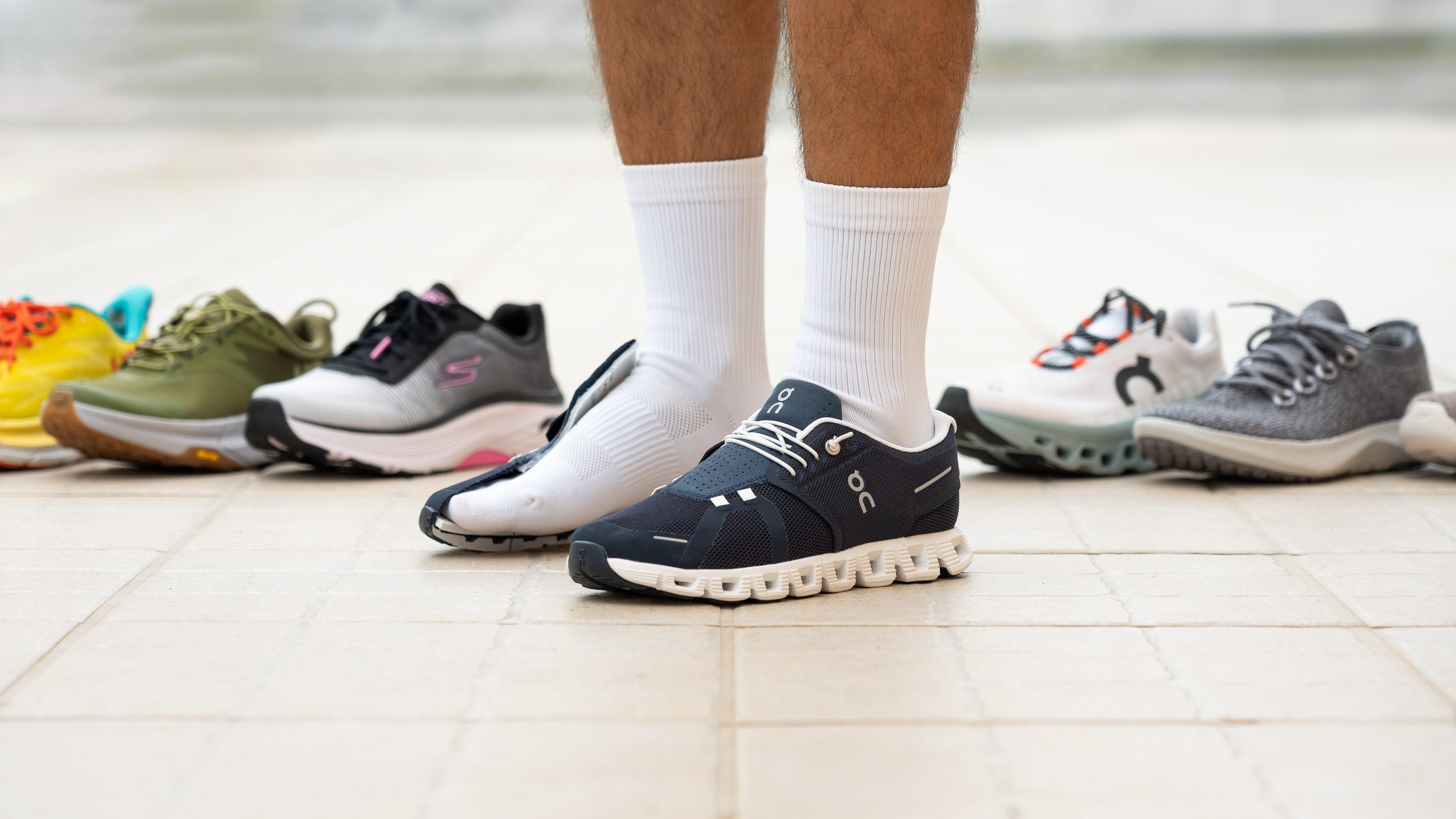
The historical dichotomy between stylish shoes and comfortable ones is a cultural artifact that is rapidly dissolving. The rise of “athleisure” and normcore fashion trends, documented by style analysts from Vogue to The Business of Fashion, signals a fundamental shift. Comfort is now a key aesthetic and ethical value. Iconic films like Forrest Gump inadvertently celebrated the humble running shoe as a vehicle for epic journeys, while contemporary culture sees figures like Keanu Reeves, known for his pragmatic and effortless style, often spotted in functional, sleek sneakers. The design language of modern walking shoes borrows from minimalist aesthetics, performance wear, and classic tailoring. You’ll find clean lines, monochromatic colorways, premium materials like knitted uppers and suede accents, and silhouettes that are as at home with tailored trousers as they are with jeans. Brands have listened to the consumer demand articulated on platforms like Quora and Twitter, where questions like “How can I look professional without wearing painful shoes?” garner thousands of responses. The result is a generation of footwear that doesn’t scream “athletic” but whispers “considered.” A great walking shoe possesses a quiet versatility, becoming a neutral, foundational element in your wardrobe that elevates rather than clashes with your personal style.

The Material World: Innovation at Your Feet
The revolution in walking shoes is fundamentally a materials revolution. Gone are the days of stiff, non-breathable leather uppers and heavy, compacting rubber soles. Today’s shoes are feats of material science. The upper is now a zone of breathability and adaptive fit. Engineered meshes, such as those used by brands like Altra and Topo, provide a sock-like, flexible containment that moves with your foot, reducing pressure points. Many incorporate recycled polyester or ocean plastics, aligning comfort with environmental consciousness—a value highly cited by consumers in surveys from Nielsen and published reports. Inside, moisture-wicking linings and antimicrobial treatments, often using silver ion technology, keep the foot environment fresh. The outsole has seen equal innovation. Durable yet lightweight carbon rubber is placed in high-wear areas (the heel and ball of the foot), while softer, more flexible rubber allows for natural foot flexion. Perhaps the most significant advance is in midsole foams. As explained in technical literature from materials companies like BASF, which produces innovative TPU (thermoplastic polyurethane) foams, the goal is to create a material that offers high energy return (responsiveness) without sacrificing cushioning durability. This means the shoe doesn’t just soften impact; it gives a subtle bounce-back with each step, reducing muscular fatigue. This combination of high-tech materials is what makes a modern walking shoe feel like an extension of the body rather than a tool attached to it.
Investing in Your Foundation: The Long-Term Value Proposition
Viewing a premium walking shoe as an expense is a misperception; it is an investment in your physical capital. The cost of not wearing proper footwear can be far higher. Podiatrists and orthopedic surgeons frequently contribute to medical sites like WebMD, stating that improper footwear is a leading contributor to a host of issues: plantar fasciitis, metatarsalgia, bunions, and chronic knee or back pain. The financial and personal cost of treating these conditions—through orthotics, physical therapy, or even surgery—dwarfs the price of a quality pair of shoes. Furthermore, the durability of well-constructed walking shoes means a cost-per-wear that becomes negligible over time. A shoe with a robust outsole, resilient midsole foam that resists compression, and reinforced stitching will maintain its integrity and support for 500 miles or more, as many manufacturers’ wear-testing data confirms. When you factor in the intangible returns—the energy saved from not battling discomfort, the confidence of pain-free movement, the preserved joy in walking—the value becomes incontrovertible. It is an investment that pays dividends in wellness every single day.
Finding Your Perfect Match: A Guide Beyond the Hype
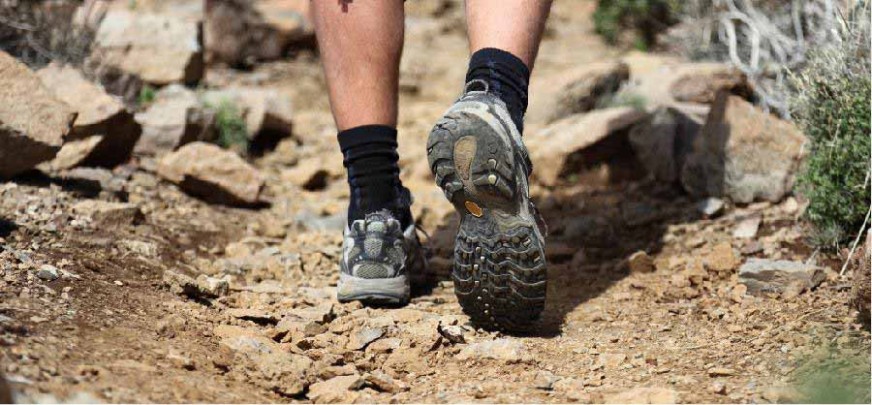
With a market saturated by options, finding your ideal pair requires a strategy beyond brand loyalty or aesthetics. The process should be deeply personal and biomechanically informed. First, understand your foot type. The “wet test”—checking the shape of your footprint on a piece of paper—can reveal if you have high, neutral, or low arches, guiding you toward shoes with appropriate support levels. Second, consider your gait. Many specialty running stores offer gait analysis, a service that identifies your pronation pattern. This professional insight is invaluable. Third, fit is paramount. Your feet swell throughout the day, so shop in the afternoon or evening. There should be a thumb’s width of space between your longest toe and the end of the shoe, and the widest part of your foot should align with the shoe’s widest part without feeling constricted. Don’t be seduced by a “broken-in” feel from day one; a proper walking shoe should feel supportive and comfortable immediately, with no pinch points or slippage. As renowned ultrarunner and biomechanist Dr. Mark Cucuzzella often states in his lectures and writings,
“Your shoe should be a tool that allows your foot to function as nature intended, not a cast that restricts it. The best shoe is often the one you forget you’re wearing.”
This philosophy underscores the goal: footwear that facilitates natural, efficient, and pain-free movement.
The pursuit of the perfect walking shoe is, ultimately, a pursuit of a better quality of daily life. It is a recognition that our foundation matters, that what separates us from the ground influences everything above it. This is not a niche concern for fitness enthusiasts but a universal requirement for anyone who moves through the world on their feet. By marrying objective biomechanical science with conscious, versatile design, the modern walking shoe delivers a powerful promise: you can move through your day with unwavering comfort and understated style, from your first step to your last. It empowers you to engage with your environment actively and gracefully, turning the simple, essential act of walking into a sustained pleasure. That is the true secret it holds.
