

The Ultimate Guide to Tennis Shoes for Walking
For years, the idea of using tennis shoes for walking was met with skepticism from purists in both sports. Walkers were told to seek out dedicated walking shoes with their specific rocker soles and flex patterns, while tennis players guarded their court-specific footwear for lateral cuts and quick sprints. Yet, a quiet revolution has been underway. The modern athletic shoe landscape has blurred these rigid lines, giving rise to a versatile hybrid: the walking shoe built upon a tennis shoe foundation. This guide isn’t about convincing you to wear just any sneaker; it’s about understanding how the engineered stability, cushioning, and durability inherent in a quality tennis shoe can be repurposed for exceptional walking comfort and performance. We will dissect the anatomy of these shoes, provide scientific backing for their suitability, and guide you toward making an informed choice that brings professional-grade support to your daily stride, often at a more accessible price point than specialized technical footwear.
The Anatomical Overlap: Why Tennis Shoes Work for Walking
To comprehend the synergy, we must first deconstruct the biomechanical demands of both activities. Walking is a repetitive, heel-to-toe motion involving constant impact absorption with each step. According to biomechanics literature from institutions like the University of Calgary’s Human Performance Laboratory, the primary concerns are shock attenuation at heel strike and a smooth roll-through during the mid-stance and toe-off phases. Tennis, while more explosive, shares a critical foundational requirement: stability. A tennis player performs lateral cuts, sudden stops, and forward lunges, all of which place immense stress on the midfoot. Therefore, a tennis shoe is engineered with a reinforced midsole and a sturdy heel counter to prevent excessive foot roll—a feature known as motion control. This inherent stability is a boon for walkers, especially those with mild overpronation. The cushioning systems in tennis shoes, often utilizing advanced foams like Adidas’ Boost or Nike’s React, are designed to handle repetitive impact from jumping and running, which translates directly to absorbing the repetitive force of walking strides. As Dr. Casey Kerrigan, a former Harvard Medical School professor of physical medicine and rehabilitation, once noted in an interview on footwear biomechanics, “The goal is to minimize the energy lost from the body with each step. A shoe that offers structured cushioning and stability does that, regardless of whether the activity is labeled ‘walking’ or ‘court sports.'” Thus, the core architecture of a stability-focused tennis shoes for walking provides a scientifically sound platform.
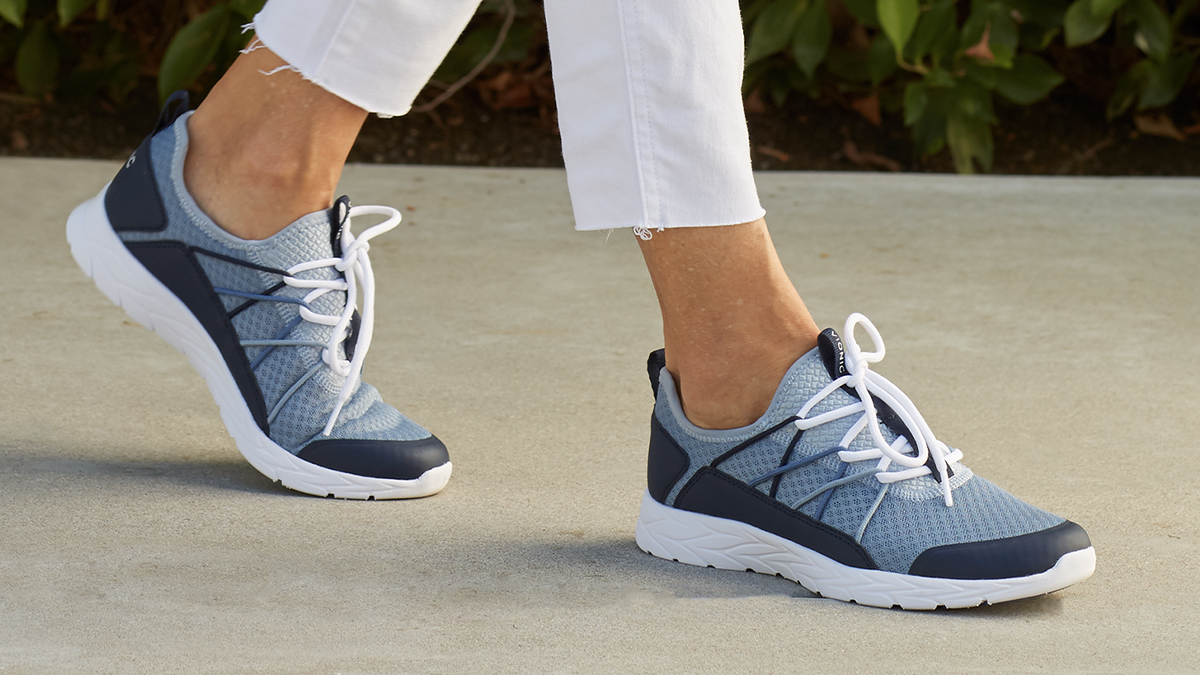
Decoding the Key Features: Cushioning, Stability, and Outsole
When evaluating a tennis shoe for walking, three elements demand scrutiny. First is cushioning. Unlike minimalist running shoes, tennis shoes prioritize protection. Brands like ASICS incorporate GEL technology in the heel and forefoot, a silicone-based substance that absorbs shock. A study published in the Journal of Science and Medicine in Sport highlighted that effective cushioning reduces peak vertical impact forces, which can mitigate stress on joints—a paramount concern for dedicated walkers covering long distances. Second is lateral stability and the heel counter. The heel counter is the rigid cup that cradles your heel. In tennis shoes, it is notably robust to prevent the foot from sliding during side-to-side movements. For a walker, this translates to a secure, locked-in feel that reduces heel slippage and promotes a more efficient gait cycle. The midfoot often features a thermoplastic shank or a medial post—a denser foam segment—to control overpronation. Finally, the outsole. Tennis shoe outsoles are made of durable, non-marking rubber with herringbone or modified patterns for multi-directional grip. While a walking shoe sole is designed primarily for forward motion, the durable rubber of a tennis outsole offers exceptional longevity on pavement. The tread pattern, though optimized for clay or hard courts, provides ample traction on most urban and park surfaces. This durability is a key economic advantage; a well-constructed tennis shoe can outlast many traditional walking shoes, offering greater value over time.

Addressing the Critics: Flexibility and Weight Considerations
A common critique against using tennis shoes for walking centers on flexibility and weight. Traditional walking shoes often emphasize a pronounced flex groove at the ball of the foot to facilitate the toe-off phase. Tennis shoes, designed for a planted stance, can be slightly more rigid in the forefoot. However, this rigidity is not a universal flaw. For walkers with stronger feet or those seeking more support under the arch, a moderate level of torsional rigidity can be beneficial, preventing strain on the plantar fascia. The weight difference, while measurable, is often marginal with contemporary materials. Modern tennis shoes utilize lightweight synthetic meshes and engineered foams that keep weight competitive. As noted by footwear reviewers on trusted sites like Runner’s World and Verywell Fit, the perceived trade-off in flexibility is frequently balanced by a gain in overall support and durability. The key is to perform a simple flex test: if the shoe bends easily at the toe but resists twisting through the midfoot, it strikes an ideal balance for supportive walking. It’s about selecting a model known for comfort, like those in the “court comfort” or “all-court” categories, rather than a ultra-stiff “performance” model designed for professional players.
Practical Selection: Finding Your Perfect Pair
Navigating the market requires a shift in perspective. Don’t browse the “walking” aisle exclusively. Instead, look for tennis or “court sport” shoes marketed with terms like “all-day comfort,” “cushioned,” or “supportive.” Brands like New Balance, with their deep heritage in both running and tennis, offer models like the New Balance 806 or Fresh Foam Lav that provide ample cushioning in a stable package. For those with a narrower foot, K-Swiss or Adidas Barricade-inspired models might offer a more precise fit. It is crucial to prioritize fit above all else. Your foot will swell during long walks, so try on shoes in the afternoon and ensure a thumb’s width of space in the toe box. The heel should be snug without lift. Remember, the goal is to find a tennis shoes for walking that feels like a natural extension of your foot, providing a stable base without imposing its structure on your gait. The economic benefit here is significant: last season’s top-tier tennis models are often discounted heavily as new colorways are released, allowing you to acquire premium technologies—like Nike Air Zoom or PWRRUN+ from Saucony—at a fraction of their original cost.
:max_bytes(150000):strip_icc()/vwt-walking-shoes-test-ryka-devotion-x-sahara-borja-02-18807b688fbb49e4ba30a3ee438600cb.jpeg)
Expert Voices and User Testimonials: A Convergence of Opinion
The viability of this approach is echoed beyond mere speculation. On platforms like Quora and specialized footwear forums, podiatrists and physical therapists frequently acknowledge that the best shoe is the one that fits well and addresses an individual’s biomechanical needs, not necessarily the one labeled for a specific activity. Celebrity fitness trainer Harley Pasternak, in a YouTube segment on everyday movement, once remarked:
“I’m less concerned with what the box says and more concerned with how the shoe performs. A good, supportive tennis shoe can provide the structure that many people lack when they’re on their feet all day, whether they’re walking the dog or navigating the city.”
Similarly, user reviews on retail sites like Amazon frequently highlight the unexpected comfort of tennis models for long-distance walking, travel, and standing jobs. This groundswell of user experience, coupled with professional insights, forms a compelling body of evidence. It demonstrates that the categorization of athletic shoes is becoming increasingly fluid, driven by consumer demand for versatile, durable, and high-value footwear.
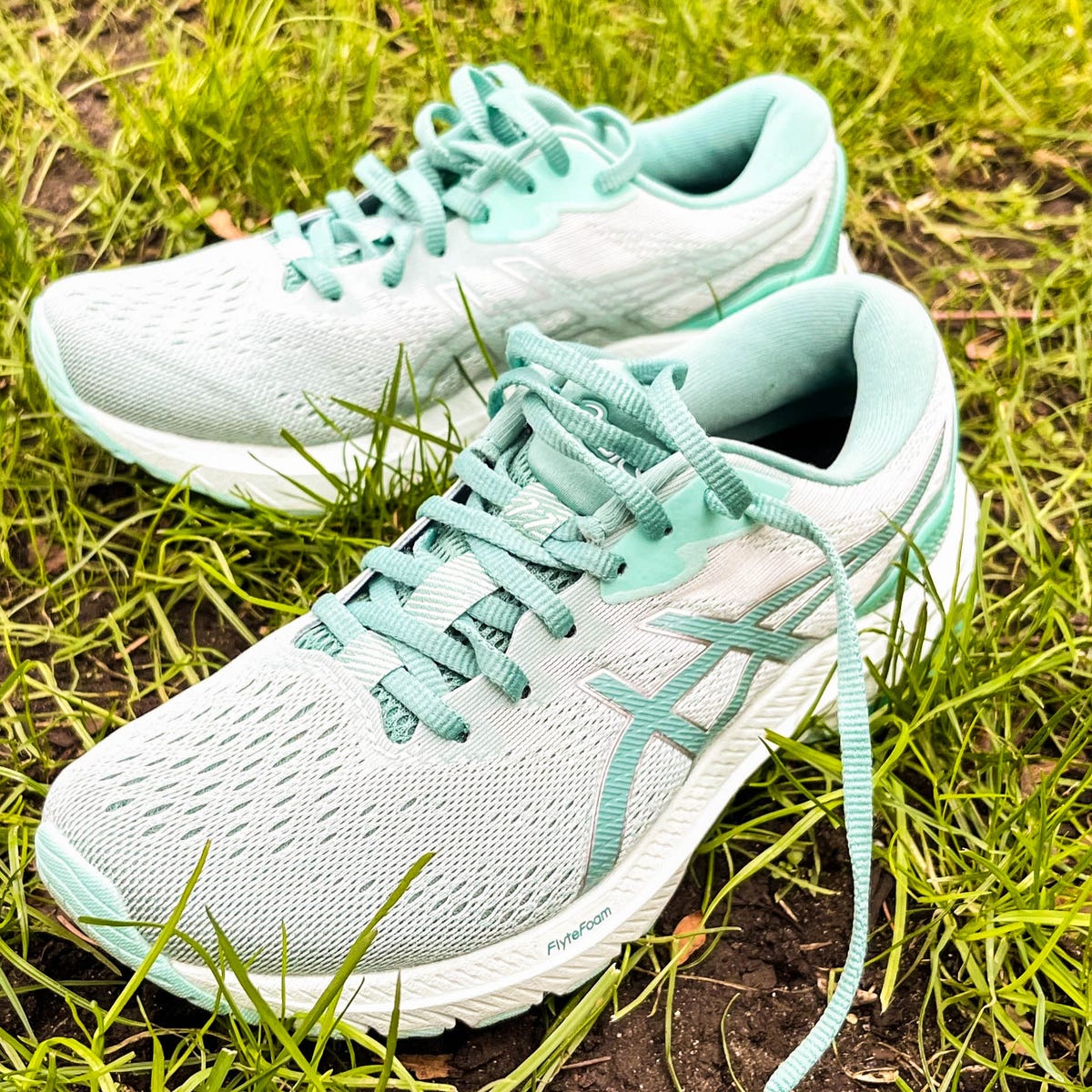
Your Stride, Reinvented
The pursuit of the perfect walking shoe need not be confined to a single aisle. By understanding the engineering principles behind tennis footwear, you unlock access to a category of shoes built for resilience, stability, and impact protection. These attributes are not just beneficial but essential for a healthy, sustained walking practice. The modern tennis shoes for walking represents a pragmatic fusion of technologies, offering a robust alternative that often delivers superior durability and support at a compelling price. It invites you to judge a shoe by its construction and its fit on your foot, rather than its label. So, on your next search, venture into the court section, try on a few pairs, and feel the difference that a purpose-built, stable platform can make. Your daily miles deserve that level of sophisticated support, and your wallet will appreciate the long-term value. The path forward is clear: equip your stride with the intelligent hybrid vigor of a tennis shoe, and walk on with newfound confidence and comfort.
