

The Ultimate Guide to Walking Shoes
Selecting the right footwear for walking is not merely a matter of fashion or casual preference; it is a foundational decision impacting your biomechanics, comfort, and long-term joint health. The ideal walking shoe acts as a critical interface between your body and the ground, engineered to support the unique heel-to-toe rolling motion of walking. This guide moves beyond marketing claims to dissect the anatomy, science, and selection criteria for the perfect pair, empowering you with knowledge that translates directly to every step you take.
The Biomechanics of Walking: Why Specialized Shoes Matter
Walking is a complex, repetitive motion involving a precise sequence of heel strike, midfoot roll, and toe-off. Unlike running, which features a flight phase, walking always maintains ground contact, creating distinct pressure patterns. According to biomechanics literature from institutions like the University of Calgary’s Human Performance Lab, the average person takes between 5,000 and 7,000 steps per day, translating to millions of footfalls annually. Each step exerts a force of approximately 1.5 times your body weight on your feet, which is then transmitted upward through your ankles, knees, hips, and spine. A generic shoe fails to address these specific forces. A proper walking shoe is designed with a flexible forefoot to facilitate the toe-off phase, a beveled or rounded heel to encourage a smooth heel strike, and adequate torsional stability to control the foot’s natural pronation during mid-stance. Ignoring these design principles can lead to a cascade of issues, from localized foot pain like plantar fasciitis to compensatory problems in the knees and lower back. The science is clear: the tool must match the task, and for the task of daily ambulation, a dedicated walking shoe is non-negotiable.
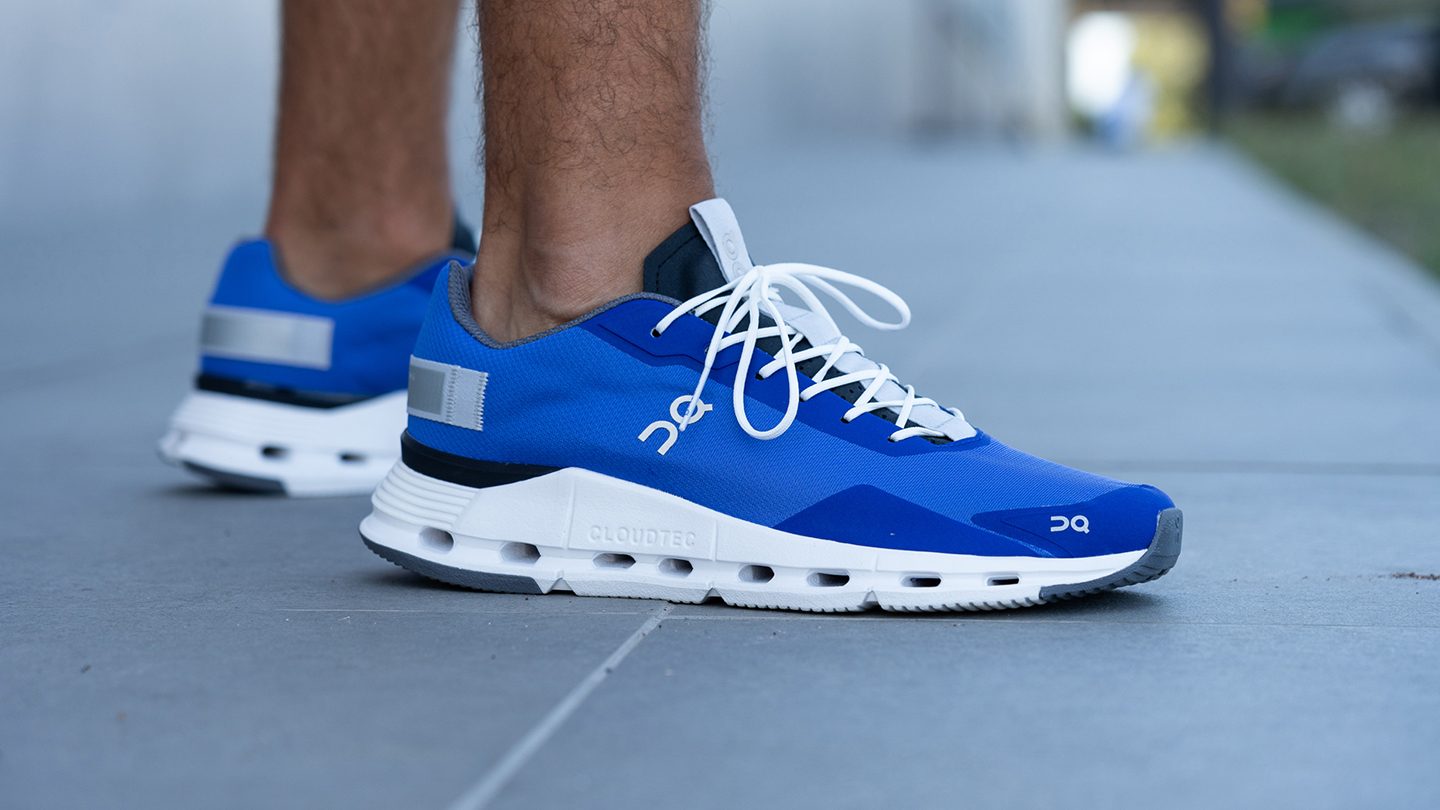
Deconstructing the Anatomy of a Superior Walking Shoe
Midsole Cushioning: The Shock Absorption Core
The midsole is the engine room of a walking shoe. Its primary function is to attenuate shock and provide a stable platform. Materials matter profoundly here. Traditional EVA (ethylene-vinyl acetate) foam is lightweight and offers good initial cushioning but can compress and lose resilience over time. Advanced polymers like PU (polyurethane) are more durable and offer better long-term support, though often at a slight weight penalty. The latest innovation comes from brands like Brooks and Hoka, which utilize super-critical foams or gel-infused compounds. These materials, often explained in materials science contexts on platforms like Quora or detailed in patent filings, provide exceptional energy return and durability. The cushioning should not feel overly soft or mushy; as noted by renowned podiatrist Dr. Ray McClanahan in various health publications, excessive softness can destabilize the foot. The goal is responsive cushioning—a firm yet forgiving feel that cushions the heel strike without compromising the foot’s natural proprioceptive feedback.
Outsole Traction and Flexibility: The Connection to Terra Firma
The outsole is your point of contact with the world. Its design dictates grip, durability, and flexibility. For urban walking, a carbon rubber compound in high-wear areas (like the heel) provides excellent longevity, while blown rubber in the forefoot enhances flexibility and lightness. The lug pattern should be relatively shallow and multi-directional for pavement, unlike the deep, aggressive lugs needed for trail hiking. Crucially, the outsole must flex easily at the ball of the foot, precisely where your foot bends during toe-off. A simple test, often recommended by shoe fitters, is to hold the heel and try to bend the toe upward. A proper walking shoe will bend cleanly at the forefoot, not in the middle of the arch. This design protects the plantar fascia from excessive strain. The importance of a flexible forefoot is a point echoed across authoritative sources, from the American Podiatric Medical Association’s educational materials to biomechanics textbooks.
Upper Breathability and Fit: The Personalized Glove
The upper holds your foot in place. Its construction determines breathability, security, and overall comfort. Modern uppers often use engineered meshes—synthetic fabrics woven with varying densities—to provide strategic support where needed (like the midfoot) and maximum breathability elsewhere. A well-designed walking shoe will have a spacious toe box, allowing your toes to splay naturally upon foot strike, a concept popularized by the “natural foot movement” advocates and supported by anatomical studies. The heel counter—the rigid cup at the back—should be firm and well-padded to prevent slippage and control rearfoot motion. As for fit, the golden rule, frequently cited by professional shoe fitters on YouTube channels like “The Run Experience,” is to shop in the afternoon when your feet are naturally slightly swollen. You should have a thumbnail’s width of space between your longest toe and the end of the shoe, ensuring no compression during the foot’s natural expansion while walking.
Navigating the Market: From Motion Control to Minimalist
The walking shoe market segments into several categories based on foot type and gait. Understanding your own biomechanics is the first step to a perfect match. Motion Control shoes are built for overpronators—individuals whose ankles roll inward excessively. These shoes feature dense medial (inner-side) posts and structured support, as seen in models from brands like New Balance. Stability shoes offer moderate guidance for mild to moderate overpronation and are the most common category. Neutral Cushioned shoes are for efficient walkers with minimal pronation; they focus primarily on shock absorption without corrective elements. Finally, the Minimalist category, inspired by the 2009 book “Born to Run” by Christopher McDougall, offers a low-to-the-ground, highly flexible experience to strengthen foot muscles. However, as research from the University of Colorado Boulder’s Locomotion Laboratory suggests, transitioning to minimalist shoes must be gradual to avoid injury. Your choice should be informed not by trend, but by an honest assessment of your gait, potentially via a professional analysis or even a simple “wet foot” test to see your arch type.
The Critical Replacement Cycle: Listening to Your Shoes
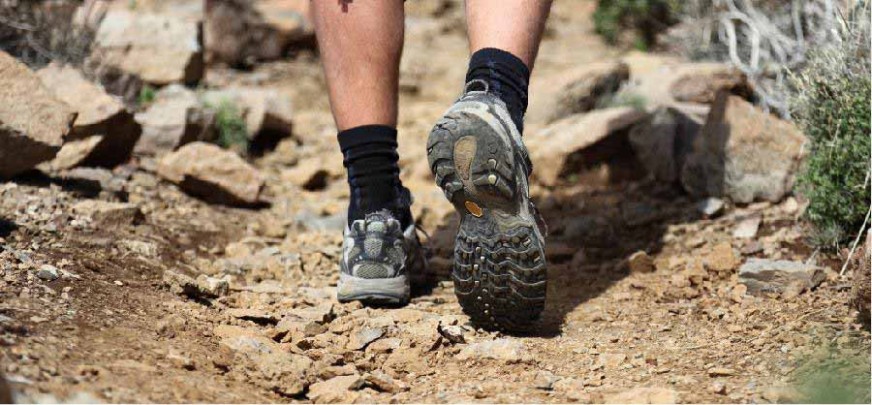
A common and costly mistake is wearing walking shoes long past their functional lifespan. Cushioning materials compress, midsoles lose their resilience, and outsoles wear down, altering the shoe’s mechanics and your gait. The standard recommendation of 300-500 miles is a useful guideline, but it’s impersonal. A more reliable indicator is the shoe itself. Examine the outsole: is the tread pattern worn smooth, especially on the heel or ball of the foot? Compress the midsole with your thumb: does it feel hard and unyielding compared to a new pair? Look for creasing in the midsole foam—deep, permanent creases indicate material breakdown. Finally, listen to your body. The onset of new, unexplained aches in your feet, shins, or knees is often the first signal that your walking shoe has retired. As celebrity trainer and physiotherapist Kelly Starrett often emphasizes on his social media, your equipment is part of your health infrastructure. Replacing shoes proactively is a small investment compared to the cost of physical therapy.
:max_bytes(150000):strip_icc()/when-should-i-replace-my-walking-shoes-3436325-0801-7a1840d83573471092e0380f9e230ecc.jpg)
Expert Voices and Tangible Value
Integrating expert perspectives grounds our choices in experience. Dr. Miguel Cunha, founder of Gotham Footcare in New York, consistently states in media interviews: “The wrong shoe can create problems, and the right shoe can often solve them. For walking, prioritize function over form every time.” This sentiment is mirrored by countless orthopedic professionals. Beyond knowledge, value is key. The best walking shoe for you is one that fits your biomechanics, lifestyle, and budget. While premium models from ASICS, Saucony, or Brooks often feature the latest technologies, excellent options exist at various price points. Look for previous-season models, which offer nearly identical performance at a significant discount. Retailers often have sales during seasonal transitions. Remember, the most expensive shoe is not inherently the best; the shoe that correctly aligns your gait is priceless.
Your journey begins with a single, well-supported step. By understanding the intricate dialogue between your foot’s mechanics and the shoe’s design, you transform an everyday item into a pillar of personal wellness. Forget vague conclusions; let the alignment of your stride, the absence of pain, and the enduring comfort on long walks be the definitive proof that you have found your ultimate walking companion.
