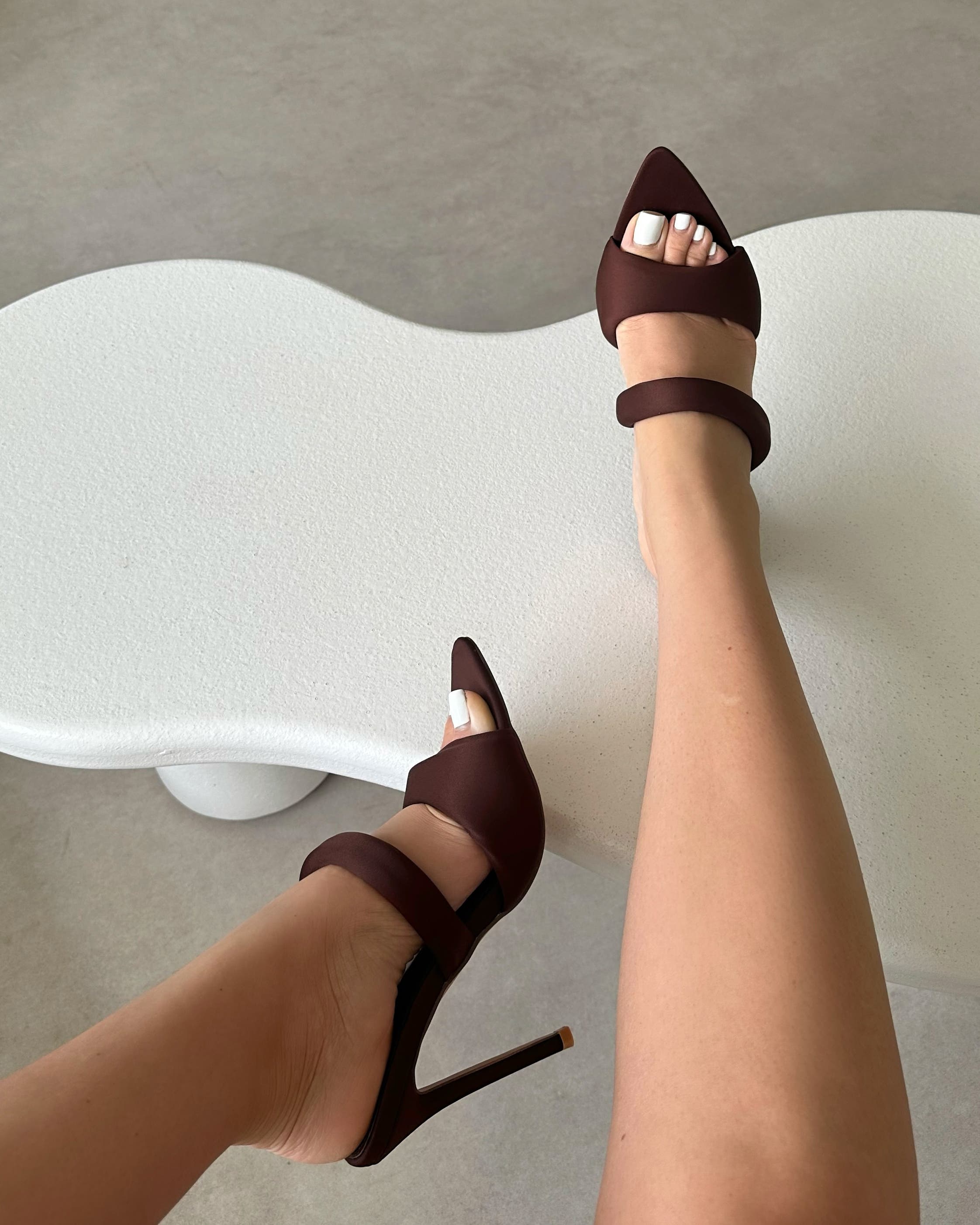
The Versatile Staple for Every Season’s Wardrobe
In the ever-evolving landscape of fashion, where trends flicker and fade with the seasons, the pursuit of a truly versatile piece can feel like a quest for a sartorial holy grail. We are often told to invest in classics, in neutrals, in items that transcend the temporary. Yet, few items deliver on this promise with the quiet, unwavering confidence of a pair of chocolate brown heels. They are not merely shoes; they are a foundational principle for building a coherent, adaptable, and sophisticated wardrobe that functions seamlessly from January to December. This is not about following a fleeting trend, but about understanding color theory, design psychology, and practical elegance to curate a personal style that is both resilient and expressive.
The Chromatic Anchor: Why Chocolate Brown Works
To comprehend the power of chocolate brown heels, one must first move beyond subjective preference and into the realm of color science. Unlike the starkness of black or the crispness of navy, chocolate brown occupies a unique space in the color spectrum. It is a complex, warm neutral, born from the mixture of red, yellow, and black. This composition gives it an inherent richness and depth that black can lack. As noted by the Pantone Color Institute, a global authority on color, browns in the “earth tone” family evoke feelings of stability, reliability, and warmth. They are grounding. When applied to footwear, this creates an anchor for an outfit. A chocolate brown heel does not scream for attention; instead, it provides a solid, harmonious base that allows other elements—a vibrant dress, patterned trousers, or textured accessories—to shine without the ensemble feeling chaotic. It bridges the gap between light and dark colors, pairing effortlessly with cream, camel, and beige while also complementing deeper hues like burgundy, forest green, and, of course, black itself. This chameleon-like ability to mediate between color families is what makes it a perennial, season-agnostic choice.
From Boardroom to Bar: The Unmatched Versatility
The true test of a wardrobe staple lies in its range of motion across different contexts. Let us chart the journey of a single pair of chocolate brown heels through a typical week. On Monday, they stand firm under a tailored, light wool trouser suit in beige, projecting an image of competent, approachable authority—softer than black’s severe power, yet just as professional. By Wednesday, they might be paired with a midi skirt in a floral print and a simple knit, transforming the look into one of intelligent, feminine ease suitable for a client lunch or a creative meeting. Come Friday evening, these same heels elevate a simple silk camisole and dark-wash jeans, their warm tone adding a touch of luxe sophistication perfect for a dinner date. This versatility is echoed in the philosophies of style icons. Fashion journalist and author Amanda Brooks, in her book “I Love Your Style,” advocates for investment in “workhorse” items that can be dressed up or down. A chocolate brown heel is the epitome of this concept. Its versatility is not an accident but a result of its design positioning: it is formal enough to convey intention yet warm enough to avoid cold formality.
Material World: Texture and Seasonal Adaptation
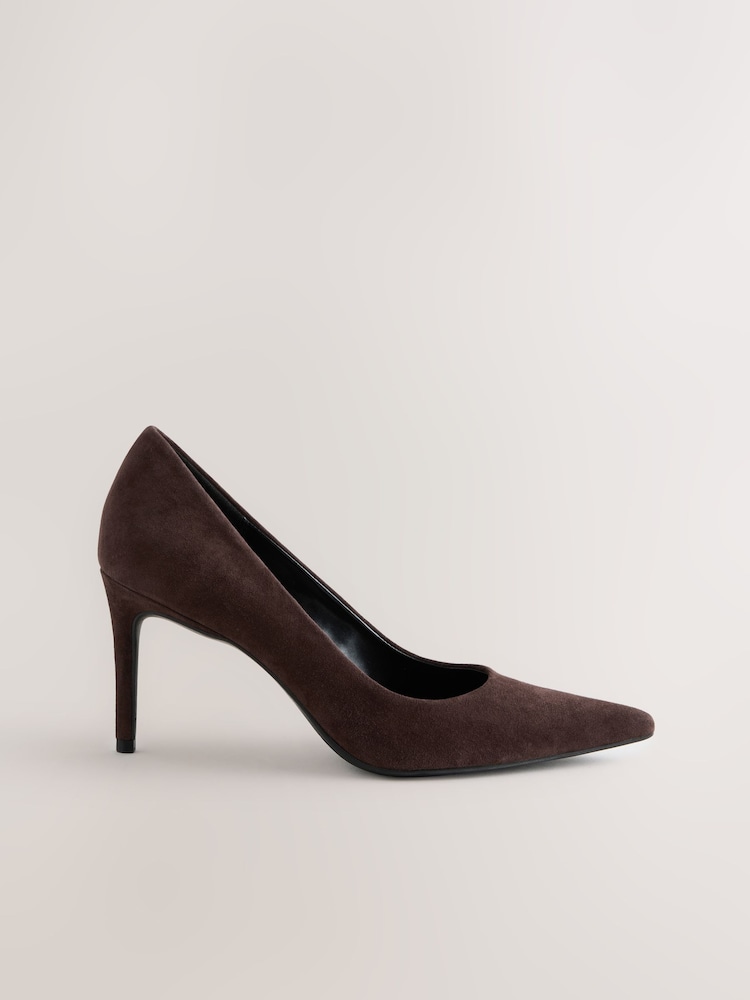
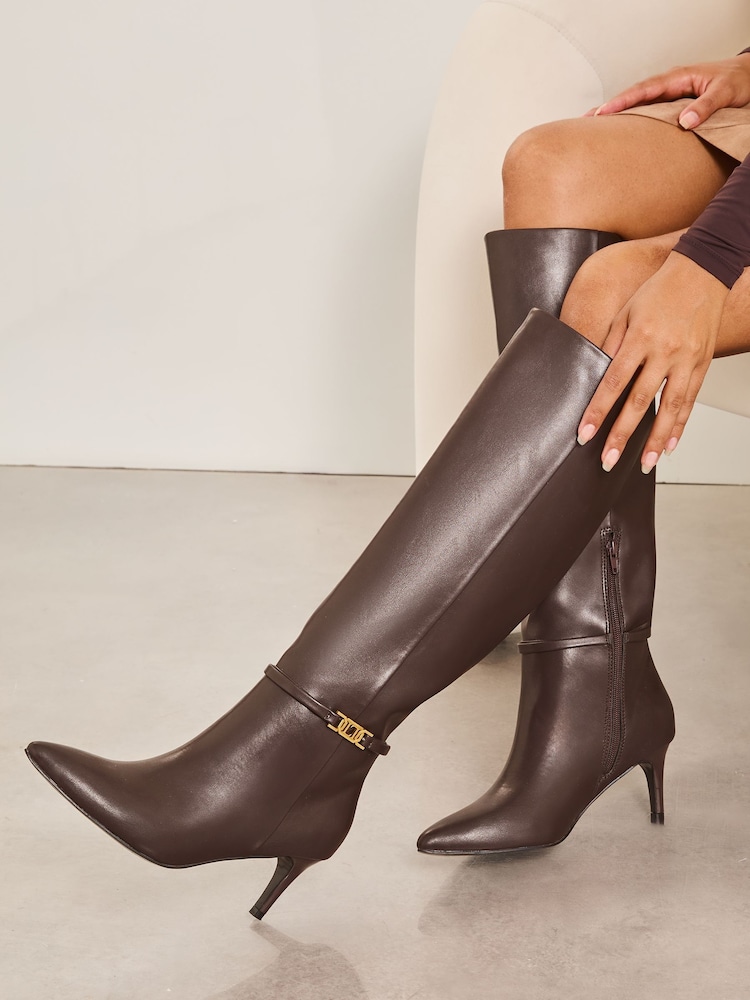
The magic of this staple is further amplified by its availability in a spectrum of materials, each unlocking a new seasonal dimension. A suede chocolate brown heel in a block or kitten style is autumnal perfection, its napped surface complementing tweed, corduroy, and thick knits. It speaks of cozy sophistication. In contrast, a pair in polished calfskin or patent leather becomes a year-round hero. In spring, they pair with linen dresses and lightweight tailoring; in winter, they cut through the monotony of dark coats with their rich, warm hue. The satin iteration, as seen on numerous red carpets and fashion editorials, offers evening-ready glamour. This material flexibility ensures that the color concept adapts to climate and occasion. As the Costume Institute at The Metropolitan Museum of Art often highlights in its exhibitions, the interaction between color, texture, and form is fundamental to fashion narrative. The chocolate brown heel provides a consistent color story whose chapter changes delightfully with its material.

The Psychological Footing: Confidence and Perception
Footwear psychology is a fascinating, studied field. Professor Karen J. Pine, a psychologist and author of “Mind What You Wear,” has conducted research suggesting that what we wear directly influences our cognitive processes and confidence levels—a phenomenon known as “enclothed cognition.” A heel, by its very design, alters posture, gait, and presence. It commands a certain physical awareness. When that heel is in a color as inherently stable and rich as chocolate brown, the psychological effect is compounded. You are not just wearing a shoe; you are adopting an aura of grounded confidence. It is a color associated with resilience and substance. In a social or professional setting, this non-verbal cue can be powerful. It suggests reliability without arrogance, style without effort. It is the choice of someone who understands nuance, who values longevity over loudness. This aligns with the minimalist, intentional styling philosophy popularized by platforms like The Concept Wardrobe, which emphasizes creating a cohesive closet based on color palettes and personal uniform principles, where a chocolate brown heel often serves as a core anchor item.
Building the Capsule: Practical Pairing Strategies
Understanding a staple’s potential is one thing; integrating it effectively is another. Let us build a mini capsule wardrobe around this central piece. Start with neutrals: cream trousers, a black turtleneck, a camel coat. The chocolate brown heels will unify these, adding warmth to the cream and softening the black. Next, introduce color: a burgundy midi dress, an emerald green silk blouse, a navy blazer. The brown heel acts as a complementary bridge, preventing these strong colors from clashing and grounding them with earthiness. Finally, play with pattern: a leopard print skirt, a pinstripe suit, floral jeans. Here, the solid, neutral tone of the shoe provides a necessary resting point for the eye, ensuring the outfit remains chic rather than busy. This methodology is championed by professional stylists and sustainable fashion advocates alike. As fashion influencer and slow fashion proponent Alyssa Beltempo often demonstrates, mastering such multi-use pairings is key to reducing consumption and maximizing the value of each purchase, bringing both professional knowledge and long-term discounted prices (through cost-per-wear reduction) to the user.
Beyond the Shoe: A Philosophy of Dressing
Ultimately, the advocacy for the chocolate brown heel transcends the object itself. It represents a shift towards intentional, intelligent dressing. In a world saturated with fast fashion and micro-trends, choosing such a piece is a quiet act of defiance. It is a commitment to style that endures, to quality over quantity, and to understanding the tools of one’s own wardrobe. This philosophy finds resonance in the words of legendary designer Miuccia Prada, who once stated, “What you wear is how you present yourself to the world, especially today, when human contacts are so quick. Fashion is instant language.” The language spoken by these heels is one of nuanced confidence, versatile elegance, and timeless appeal. They do not shout the latest trend; they whisper enduring good taste.
Therefore, when you next consider an investment for your closet, look beyond the obvious. Consider the chromatic bridge, the psychological footing, and the boundless stylistic permutations offered by this singular hue. A pair of beautifully crafted chocolate brown heels is more than an accessory; it is a strategic asset. It is the versatile staple that quietly, reliably, and elegantly holds the line, season after season, outfit after outfit, proving that true style is not about having everything, but about having the right things.