

The Best Tennis Shoes for All-Day Walking Comfort
Finding footwear that transitions seamlessly from a morning errand run to an evening city stroll is a common quest. While specialized walking shoes exist, a high-quality pair of tennis shoes for walking often provides a superior blend of cushioning, support, and versatility for the modern, active individual. This isn’t about repurposing worn-out athletic gear; it’s about recognizing the engineered features in performance tennis footwear that directly address the biomechanical demands of prolonged walking. The right pair can mean the difference between ending your day with energized feet or debilitating discomfort.
The Anatomy of Comfort: Why Tennis Shoes Excel for Walking
To understand the suitability of tennis shoes for walking, we must dissect their design philosophy. Tennis is a multidirectional sport involving lateral cuts, quick stops, and explosive sprints. Consequently, shoe manufacturers invest heavily in technologies that stabilize the foot during off-axis movements and absorb impact from hard court surfaces. These very features—lateral support, heel counters, and midsole cushioning—are invaluable for walkers. When you walk, your foot undergoes a complex gait cycle: heel strike, foot flat, mid-stance, and toe-off. A shoe designed for tennis often has a reinforced heel counter to stabilize that initial strike, a secure midfoot to support the arch during mid-stance, and flexible forefoot zones to facilitate a smooth toe-off. As Dr. Casey Kerrigan, a former Harvard Medical School professor and gait biomechanics researcher, has noted in various publications, excessive foot pronation and poor stability are leading contributors to walking discomfort. The structured design of many tennis shoes inherently mitigates these issues, providing a stable platform that specialized walking shoes sometimes lack in pursuit of extreme flexibility.

Cushioning Technology: From the Court to the Concrete
The evolution of midsole materials represents a cornerstone of athletic footwear science. Brands like ASICS, with their GEL cushioning system, and Nike, with Air and Zoom units, developed these technologies to protect athletes’ joints from the high-impact forces of sports. This proprietary knowledge directly benefits the walker. For instance, ASICS’ GEL technology, as documented in their own white papers and highlighted in biomechanical studies, is designed to absorb shock during vertical loading—a principle perfectly applicable to the repeated heel strikes of walking. When you spend hours on your feet, whether touring a new city or navigating a large workplace, this shock attenuation is not a luxury; it’s a physiological necessity to prevent stress on the knees, hips, and lower back. A well-cushioned tennis shoes for walking acts as a primary defense system. The objective is clear: to dissipate kinetic energy before it travels up the skeletal system. This is why many podiatrists, in advice columns on platforms like WebMD or Healthline, emphasize cushioning as a critical factor for anyone with an active lifestyle, not just runners. The sophisticated cushioning found in premium tennis models often surpasses that of basic walking shoes, offering a plush, resilient feel that maintains its integrity over miles.
Durability and Traction: Engineered for Longevity
A legitimate concern when using a sports shoe for a different activity is wear and tear. Ironically, this is where tennis shoes frequently shine. The outsole of a tennis shoe is designed to withstand the abrasive friction of hard courts. Durable rubber compounds like Adidas’ Adiwear or Nike’s Duralon are formulated for high-wear areas, resulting in a longevity that often exceeds the softer, more flexible outsoles of dedicated walking shoes. Furthermore, the tread pattern is paramount. Tennis requires grip for lateral movements, leading to herringbone or modified patterns that provide multi-directional traction. For a walker, this translates to confident footing on varied surfaces—from slick museum floors and rainy pavements to light gravel paths. The secure grip enhances stability, reducing the risk of slips and contributing to overall walking efficiency. As noted in consumer reports from authoritative sources like Consumer Reports or the American Podiatric Medical Association’s footwear guides, outsole durability and appropriate tread are key indicators of a shoe’s value over time. Investing in a durable pair of tennis shoes for walking means you’re not just buying for immediate comfort, but for months, potentially years, of reliable service.
Selecting Your Perfect Pair: A Buyer’s Framework
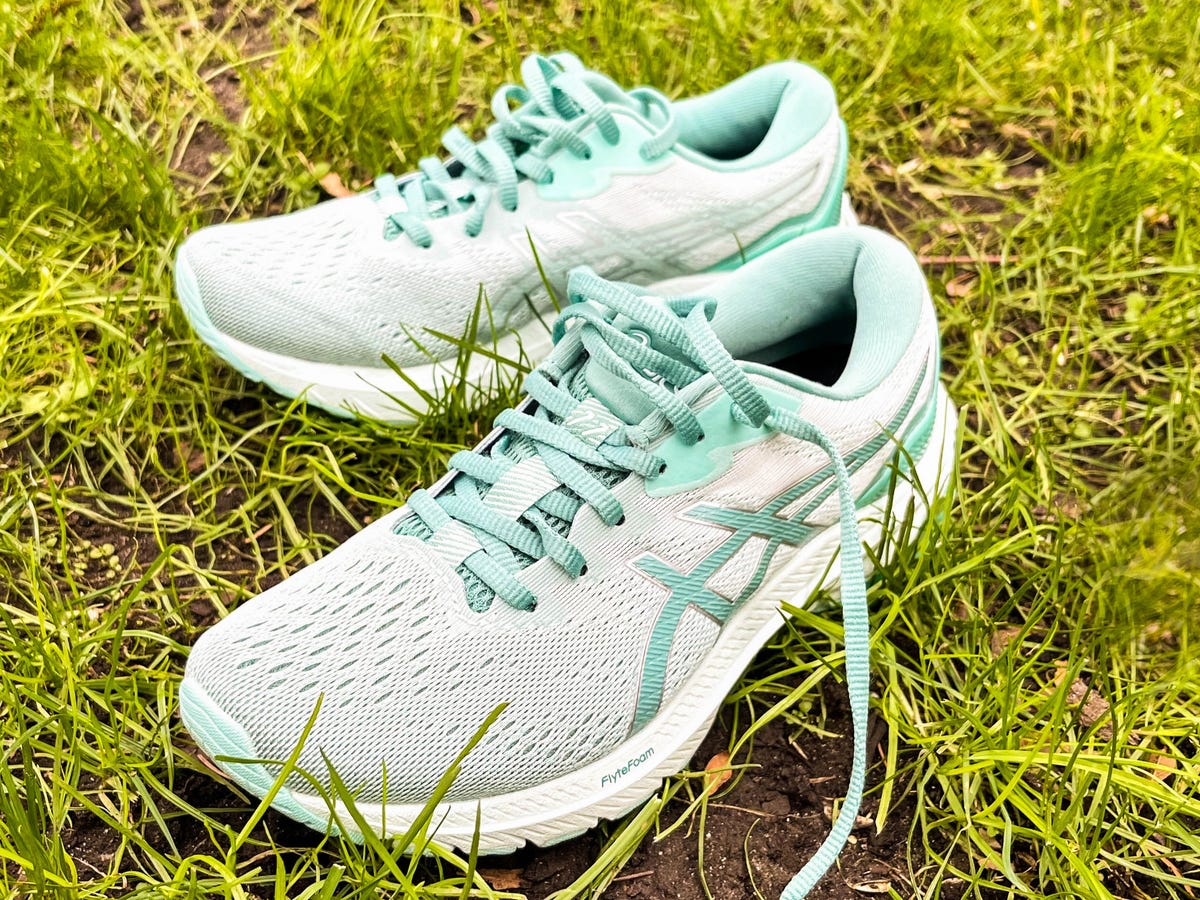
Not all tennis shoes are created equal for walking purposes. The market spans from minimalist, speed-oriented models to maximum-support stability beasts. Your selection should be a deliberate match for your foot type, gait, and walking environment. The first step is understanding your arch type—neutral, low (flat), or high. This can be determined through a simple wet foot test or at a specialty running store with a gait analysis scanner. For individuals with low arches who overpronate (where the ankle rolls inward excessively), a tennis shoe with structured support, like the ASICS Gel-Resolution or New Balance Fresh Foam Lav, is ideal. These incorporate medial posts or dual-density midsoles to correct the gait. For neutral or high-arched feet, a cushioned, neutral model like the Nike Air Zoom Vapor or Adidas Barricade offers ample comfort without unnecessary correction.
Fit and Feel: The Non-Negotiables
Professional fitting is irreplaceable. Your feet swell throughout the day, so shop in the afternoon or evening. There should be about a thumb’s width of space between your longest toe and the end of the shoe. The heel must be snug, not sliding, and the midfoot should feel secure without pressure points. Remember, the goal is all-day comfort; a shoe that feels “fine” in the store may reveal painful flaws after the third hour of wear. Don’t be swayed by style alone—function is paramount. Consider your sock thickness and any orthotics you use. A quality insole can transform a good shoe into a great one, providing additional arch support or metatarsal padding. Brands like Superfeet or Currex offer scientifically designed insoles that complement the inherent structure of a tennis shoes for walking. As celebrity trainer Harley Pasternak has often advised his clients on social media, “The foundation of any good outfit—especially an active one—is what’s on your feet. Don’t compromise.”
Beyond the Hype: Integrating Professional Insight and Value
The convergence of professional knowledge and smart shopping is where true value is unlocked. While premium models from ASICS, Nike, and Adidas often feature the latest technology, excellent options exist across price points. Brands like K-Swiss and Skechers Performance have invested heavily in comfort technologies like Cool Spring® cushioning and Arch Fit® systems, respectively, offering exceptional comfort at a more accessible price. The key is to look for the features that matter: a resilient midsole, a supportive heel counter, and a breathable upper. Retailers like Zappos or Road Runner Sports often have detailed filters for these attributes. Furthermore, last season’s colorways or models can frequently be found at discounts of 30-50% off, providing professional-grade technology without the premium price tag. This approach allows you to own multiple pairs for rotation, which extends the life of each shoe by allowing the midsole foam to fully rebound between uses—a practice recommended by footwear experts to maintain optimal cushioning.
Ultimately, the pursuit of all-day walking comfort leads us to a simple, powerful realization: the best tool for the job is often one engineered for a higher intensity of performance. The structural integrity, advanced cushioning, and durable construction of modern tennis shoes create an ideal environment for the walking foot. By applying a discerning eye to fit, support, and technology, you can select a pair of tennis shoes for walking that doesn’t just carry you through your day, but actively enhances it, step after comfortable step. The evidence, from biomechanical research to the lived experience of countless walkers, points firmly in this direction. Your journey toward unwavering comfort begins with this informed choice.

