

Your Ultimate Guide to Stylish and Comfortable Everyday Footwear
Choosing the right shoe for your daily life is not a trivial matter; it’s a foundational decision for your well-being and style. This guide moves beyond fleeting trends to explore how the perfect pair of shoes merges scientific support with aesthetic expression, ensuring every step you take is both confident and kind to your body.
The Science of Support: Why Your Feet Deserve Better
We often underestimate the biomechanical marvel that is the human foot. With 26 bones, 33 joints, and over a hundred muscles, tendons, and ligaments, our feet are complex structures designed for dynamic movement. A poorly chosen shoe can disrupt this natural engineering, leading to a cascade of issues. The term “walking shoe” has evolved from a simple descriptor to a category defined by specific ergonomic principles. According to research from institutions like the University of Pittsburgh School of Medicine, proper footwear is a primary intervention for preventing overuse injuries. A true walking shoe is engineered to facilitate the natural gait cycle—from heel strike to toe-off—providing stability, cushioning, and flexibility where needed. It’s not merely about softness; it’s about intelligent design that respects podiatric science. When you slip into a well-designed walking shoe, you’re not just putting on a covering; you’re enabling a harmonious interaction between your body and the ground, reducing impact forces that can travel up to your knees, hips, and lower back.
Decoding the Anatomy of a Superior Walking Shoe
Midsole Cushioning: The Shock Absorber
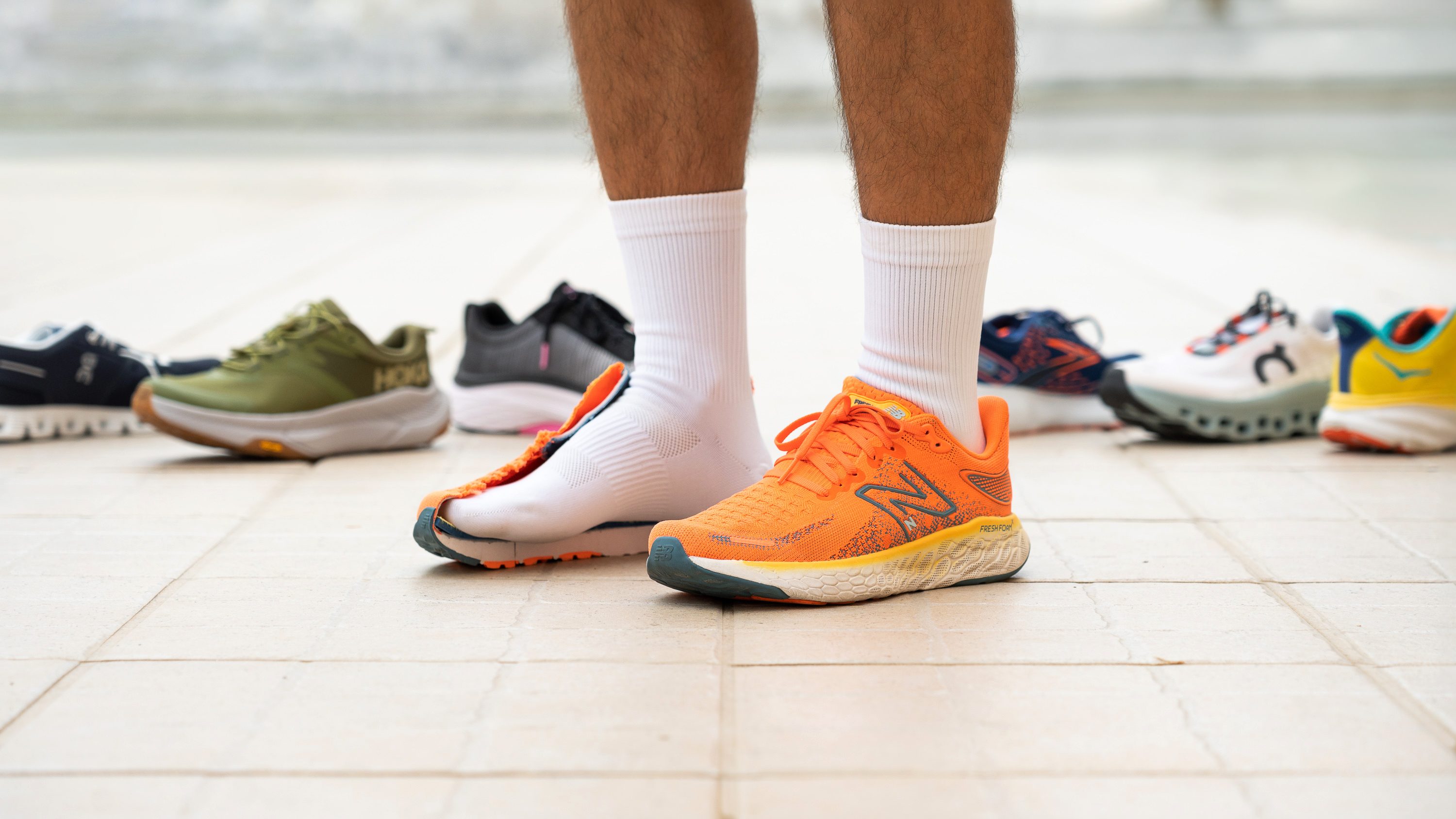
The midsole is the heart of a shoe’s comfort technology. Materials like EVA (ethylene-vinyl acetate) foam, polyurethane, and proprietary gels (like ASICS’ GEL cushioning) are deployed here to dissipate the energy generated with each step. The goal isn’t to create a mushy, unstable feel but to offer responsive resilience. As noted in product analyses from authoritative review sites like RunRepeat, the density and placement of cushioning are critical. A higher-density foam might be used on the medial (inner) side to combat overpronation, while a softer, more responsive foam might be in the forefoot for a energetic toe-off. This scientific approach to material distribution is what separates a casual sneaker from a dedicated walking shoe. It’s the difference between a generic cushion and a tailored support system that actively works to reduce fatigue during prolonged wear.
Outsole Traction and Flexibility
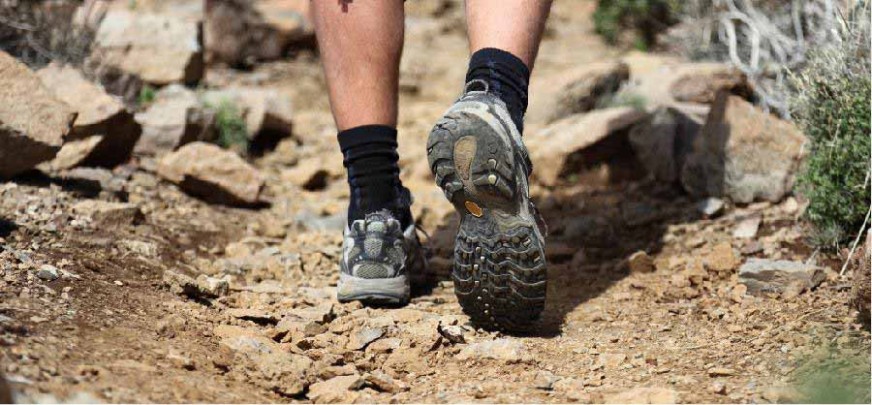
The outsole is your interface with the world. A quality outsole on a walking shoe balances durable rubber compounds for longevity with a flexible groove pattern that allows the foot to bend naturally. Think of the difference between a rigid car tire and a high-performance one with sipes for wet grip; the principle is similar. The flex grooves should align with the metatarsophalangeal joints (the ball of your foot), facilitating a natural rolling motion. Furthermore, a beveled or rounded heel—a design feature often highlighted in podiatric literature—can encourage a smoother heel strike, reducing braking forces that jar the joints. This combination ensures safety on varied surfaces and contributes to a more efficient, less taxing stride.
Upper Breathability and Fit
An often-overlooked aspect is the upper material. Modern performance meshes, often engineered with zones of different weave density, provide breathability to manage moisture and temperature, which is crucial for foot health and comfort. The fit should be secure but not constrictive, with a roomy toe box that allows your toes to splay naturally upon weight-bearing, a function vital for balance and propulsion. As fitness expert and author of several biomechanics studies often cites, “Confinement is the enemy of function.” A proper walking shoe understands this, offering a heel counter that locks your foot in place without rubbing, preventing the slippage that leads to blisters, while the forefoot remains accommodating.
:max_bytes(150000):strip_icc()/vwt-asics-womens-gel-pulse-16-jinfeng-chen-21-712f0f140e834b84b3a8dcf0bf154771.jpeg)
Where Style Meets Substance: The Aesthetic Evolution
Gone are the days when functional footwear was synonymous with clunky, unattractive designs. The modern market has witnessed a glorious convergence where performance technology is seamlessly integrated into stylish silhouettes. Brands now draw inspiration from minimalist fashion, retro athletic wear, and contemporary street style to create shoes you’re proud to wear from morning errands to casual evening outings. This isn’t a compromise; it’s a new standard. The iconic white leather sneaker, for instance, has been re-engineered with memory foam insoles and arch support, proving that classic appeal can coexist with modern comfort. When you choose a versatile walking shoe today, you’re selecting a piece of your daily wardrobe that expresses personal style while silently providing all-day support. It’s an investment in looking good and feeling even better.
Making an Informed Choice: A Practical Framework
So, how do you navigate this world of options? Start by understanding your own footprint. The “wet test”—checking whether you have a high, neutral, or low arch—is a simple, classic method recommended by many podiatrists. This informs your need for stability or neutral cushioning. Secondly, consider your primary walking environment: city pavement, park trails, or indoor surfaces. The outsole requirement will differ. Third, shop in the afternoon when your feet are naturally slightly swollen, ensuring a fit that accommodates your foot at its largest. Don’t be seduced by size alone; the number is irrelevant compared to the feel. There should be about a thumb’s width of space between your longest toe and the end of the shoe. Finally, listen to the collective wisdom. Platforms like Quora and dedicated YouTube channels hosted by certified pedorthists offer real-world, long-term wear reviews that can highlight durability issues or break-in periods that a simple product description won’t reveal.
Value Beyond the Price Tag: Smart Investment in Footwear
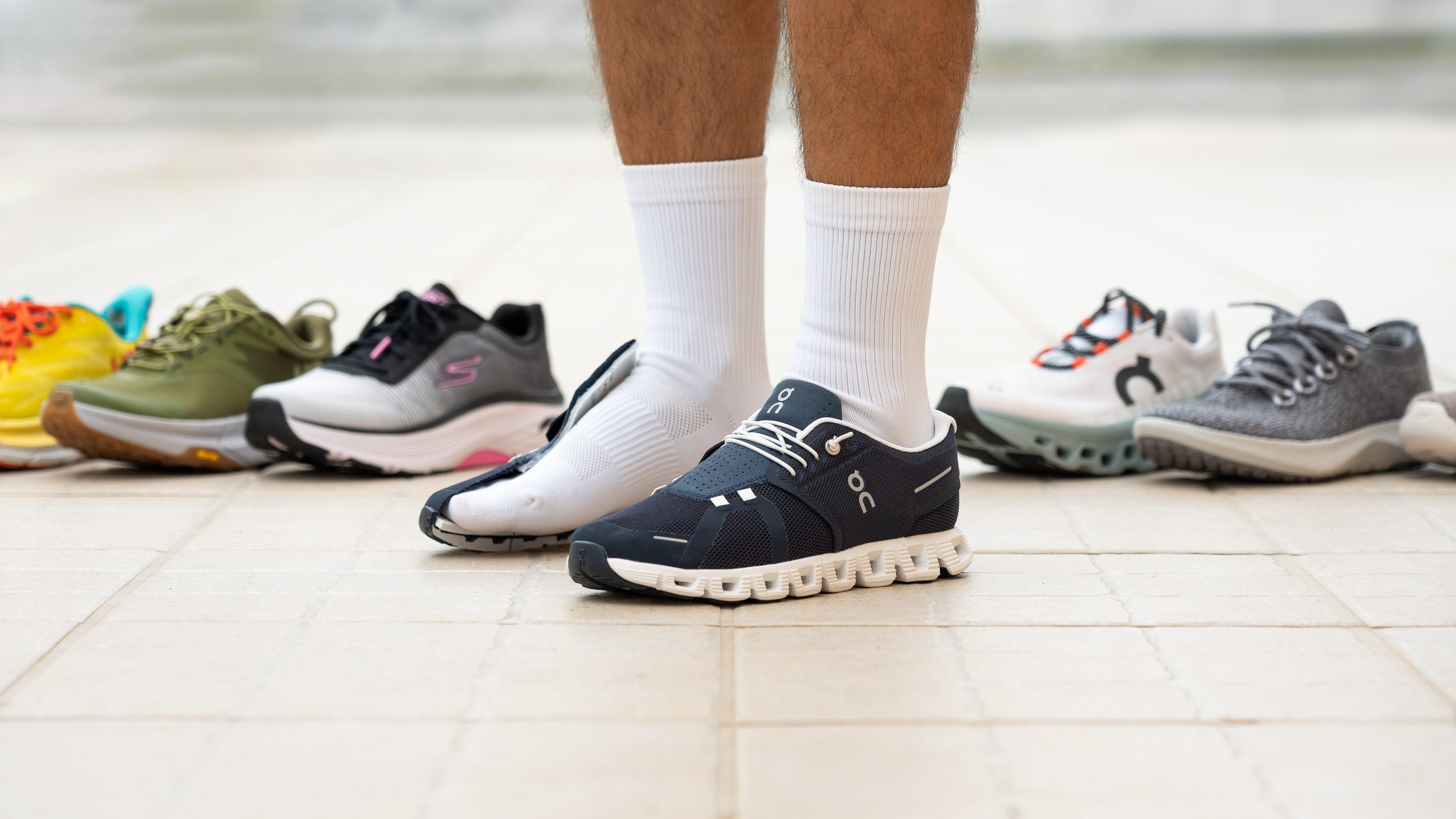
Professional knowledge empowers you to see the value behind the cost. A higher initial investment in a quality pair from a brand renowned for its research and development—often backed by peer-reviewed studies from university sports science departments—can save you significant money and discomfort in the long run. These shoes use higher-grade materials that retain their structural integrity and cushioning properties over hundreds of miles, whereas cheaper alternatives may compress and fail quickly, leading to premature replacement and potential injury. Look for seasonal sales on previous models; the core technology often remains largely unchanged, offering premium performance at a discounted price. Remember, the most expensive shoe isn’t necessarily the best for you, but the cheapest option is almost always a false economy when it comes to something as critical as the foundation for your daily movement.
Your journey toward stylish and comfortable everyday footwear begins with a shift in perspective. See shoes not as mere accessories, but as essential tools for a vibrant, active life. By prioritizing the symbiotic relationship of proven support and conscious style, you equip yourself for days filled with ease and presence. The right pair awaits, ready to transform your daily path into a more joyful and supported experience.
