

The Bold Statement Piece for Every Season
Fashion is not merely about covering the body; it is a language, a form of non-verbal communication that projects identity, mood, and intent. Among the myriad of sartorial vocabularies available, one element stands out for its perennial audacity and transformative power: the statement piece. This is not about fleeting micro-trends but about investing in singular items that anchor and elevate an entire wardrobe, regardless of the season. The true art of personal style lies in mastering the use of these powerful items—pieces that command attention, spark conversation, and, most importantly, instill unshakeable confidence in the wearer. From the boardroom to a weekend brunch, a well-chosen statement piece acts as your sartorial signature, a constant in the ever-changing landscape of fashion.
Defining the “Statement Piece”: Beyond the Basic
What exactly constitutes a statement piece? Objectively, it is any item of clothing, footwear, or accessory that is distinctive, eye-catching, and serves as the focal point of an outfit. Scientifically, its impact can be linked to visual perception principles. According to research in visual cognition, the human eye is drawn to areas of high contrast, unique pattern, or exceptional detail—all hallmarks of a statement piece. It breaks the visual uniformity of an ensemble. As fashion historian and curator Dr. Valerie Steele has noted in interviews for The Business of Fashion, “The statement piece has its roots in aristocratic and royal dress, where a single jewel or fabric was meant to denote power and status.” Today, it democratizes that sense of specialness. It is the antithesis of the “capsule wardrobe” basic; while a crisp white tee is a foundation, a vividly embroidered jacket or a pair of cheetah print heels is the exclamation mark. This concept is echoed across platforms from Vogue’s seasonal trend reports to Quora threads on personal style, where users consistently identify statement pieces as key to moving from “dressed” to “stylish.”

The Psychology of the Bold Choice: Confidence as Your Best Accessory
Choosing to wear a bold item is, first and foremost, a psychological act. When you slip on a dramatic piece, you are making a conscious decision to be seen. This act engages what social psychologists term “enclothed cognition”—the systematic influence that clothes have on the wearer’s psychological processes. A study published in the Journal of Experimental Social Psychology found that participants wearing formal lab coats performed better on attention-related tasks than those not wearing them, illustrating the symbolic meaning we attach to attire. A statement piece carries immense symbolic weight. It tells a story before you utter a word. Whether it’s a architectural shoulder blazer that channels power or those unforgettable cheetah print heels that whisper (or rather, roar) playful rebellion, the piece alters your own self-perception and, consequently, your demeanor. Fashion icon Iris Apfel, a centenarian renowned for her bold glasses and layers of jewelry, famously said, “I don’t have any rules because I’d only be breaking them, so it’s a waste of time. More is more and less is a bore.” This philosophy champions the statement piece as a tool for authentic self-expression, rejecting the safety of invisibility. It’s about embracing the spotlight, however small, that your chosen piece creates.
The Four-Pillar Framework for Year-Round Statement Dressing
Mastering statement dressing is not about chaos; it is about strategic application. We can distill this into four core pillars that ensure your bold choices feel intentional and chic, not costumey, across all twelve months.
Pillar One: The Foundational Contrast
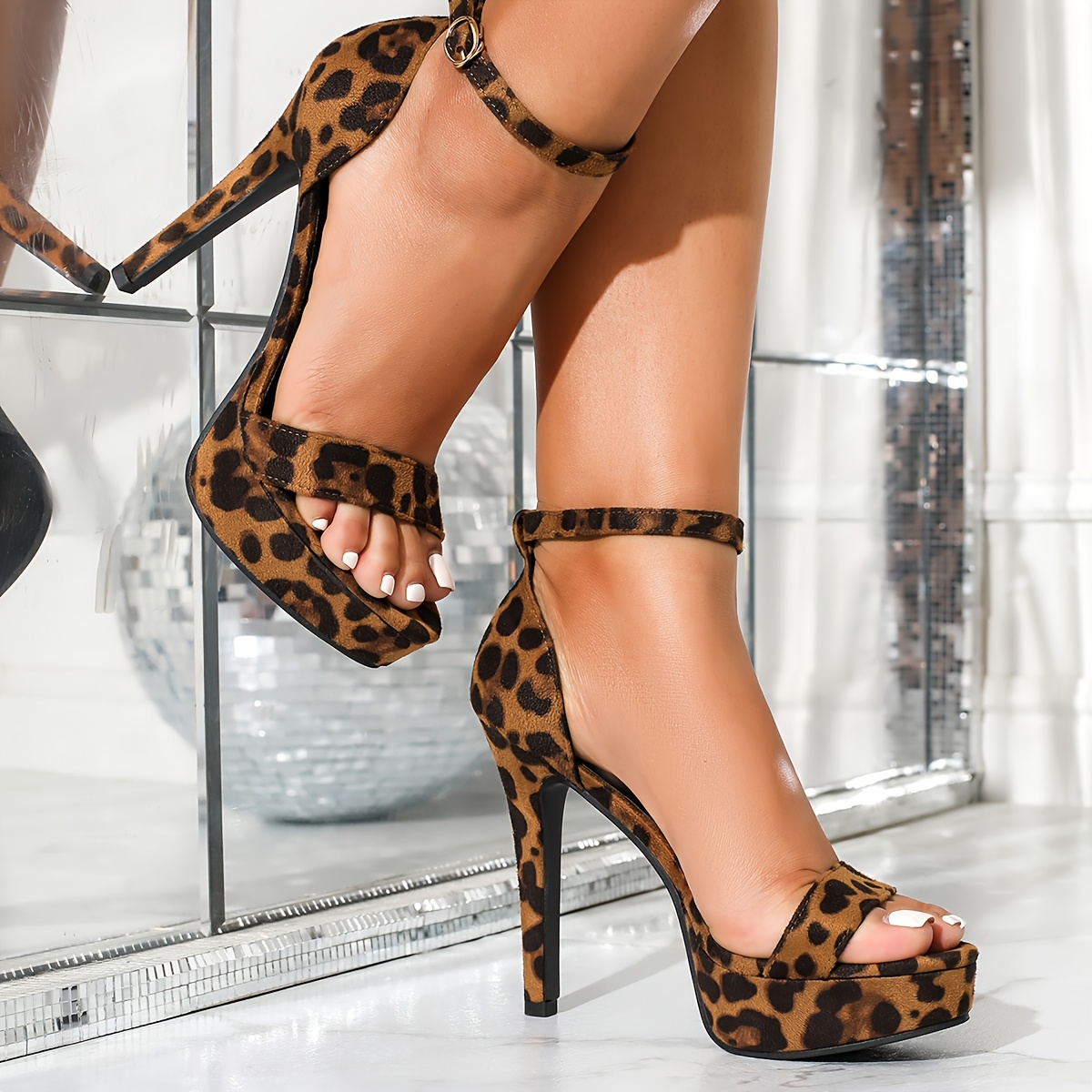
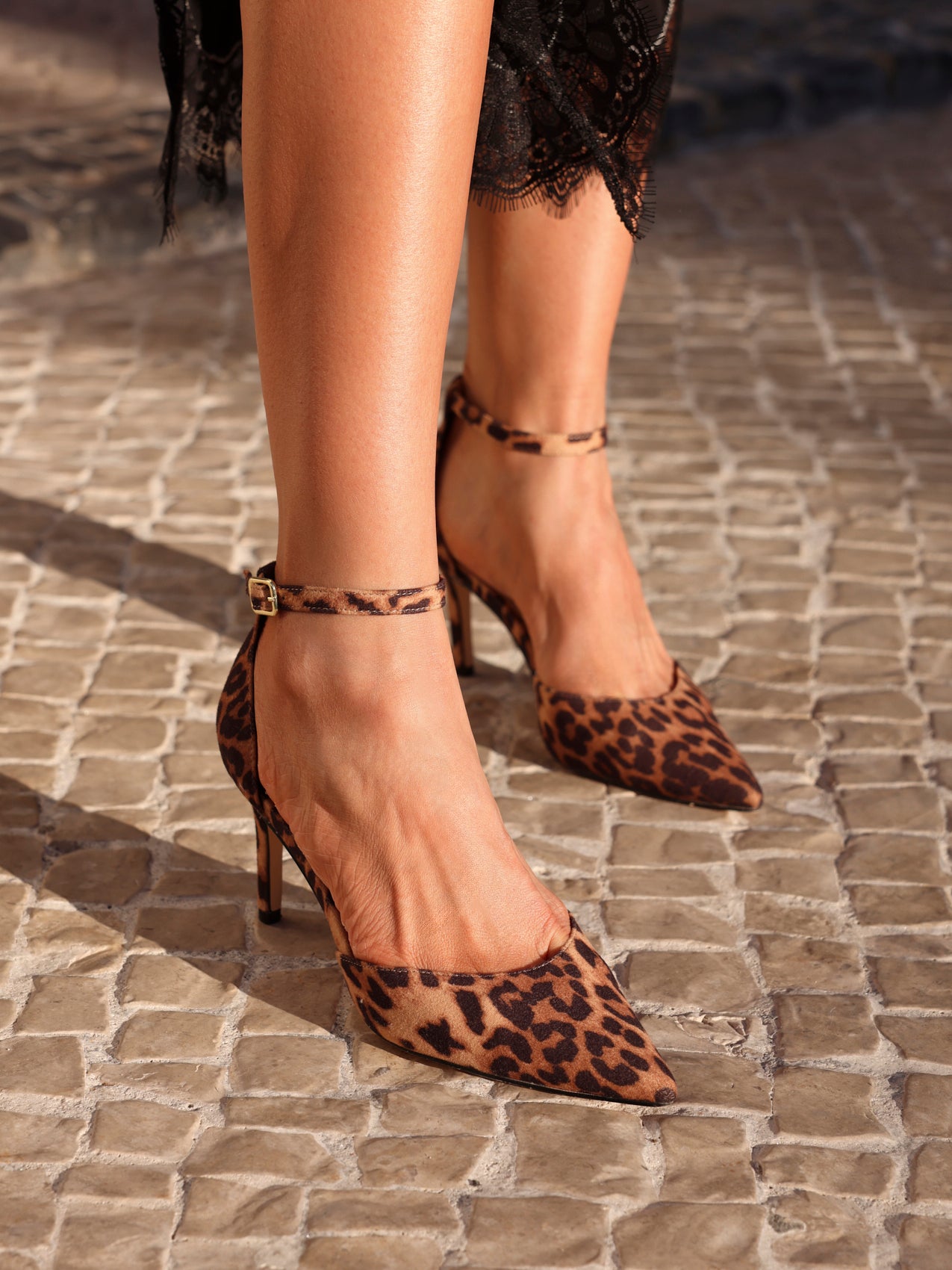
The most effective way to showcase a statement piece is through contrast. This is the “one bold item” rule in practice. The brilliance of a single dramatic piece is magnified when set against a backdrop of simplicity. Imagine a sleek, all-black ensemble—a turtleneck and tailored trousers. This is your canvas. Now, introduce the protagonist: a pair of cheetah print heels. The neutral foundation allows the intricate, wild pattern to take center stage, creating a balanced yet thrilling look. This principle is endorsed by countless stylists, from those working with celebrities on the red carpet to personal stylists on platforms like YouTube. As Tim Gunn, former co-host of Project Runway, often emphasized, “Edit, edit, edit. Make it coherent.” The foundational contrast is that editorial process in action. It ensures the statement piece is celebrated, not drowned out by competing elements. This method works universally: a vibrant fuchsia coat over grey denim, an ornate vintage brooch on a simple cardigan, or a metallic leather skirt with a basic white tee.
Pillar Two: Fabric and Texture as Silent Statements
While print and color are obvious statement-makers, never underestimate the power of texture. A statement piece can derive its force from its tactile quality. Think of the luxurious drape of raw silk, the rebellious edge of distressed leather, the cozy grandeur of faux fur, or the intricate weave of a bouclé jacket. These textures add depth, dimension, and a sensory richness to your outfit. They are statements of quality and discernment. For instance, a chunky, hand-knit cable-knit sweater in winter becomes a statement through its volume and artisan-like texture, especially when paired with sleek leather pants. In summer, a fluid, ruffled chiffon blouse can be the statement against structured shorts. The authoritative source for this lies in the curricula of prestigious design schools like Central Saint Martins, where fabric manipulation and textile innovation are core modules. The right texture speaks volumes about the season—plush velvets for autumn, crisp linens for spring—while maintaining its bold, standalone character.
Pillar Three: Strategic Investment and Timeless Audacity
A true statement piece is often an investment. This doesn’t necessarily mean exorbitantly expensive, but it should signify value—in craftsmanship, design, and longevity. The goal is “timeless audacity.” Look for pieces with a strong design identity that transcends seasonal trend cycles. A well-cut leather biker jacket, an artisanal piece of jewelry, or a classic yet bold shoe style like cheetah print heels (where the pattern is the timeless element) fall into this category. As investment expert and author Ramit Sethi discusses in the context of a “rich life,” spending consciously on items you love and will use repeatedly is a smart financial behavior. Apply this to fashion. Instead of buying ten fast-fashion tops, invest in one spectacular, conversation-starting blouse from a brand known for its quality. This pillar brings professional knowledge of cost-per-wear and sustainable fashion principles to you. The discounted price, in the long run, comes from the piece’s enduring relevance and durability, saving you from constant repurchases of lesser items.

Pillar Four: Personal Narrative and Emotional Resonance
The most powerful statement pieces are those that carry a story. This is the intangible, deeply personal pillar. Perhaps it’s a handbag you saved for during a milestone year, a vintage find from a memorable trip, or a pair of cheetah print heels that you wore when you landed your dream job. This emotional connection transforms an object into a talisman. It ceases to be just a “bold item” and becomes a part of your personal mythology. In her book The Psychology of Fashion, Dr. Carolyn Mair explains how clothing is intertwined with memory and identity. Wearing a piece with positive emotional associations can genuinely boost your mood and confidence. This narrative element is your secret weapon. It ensures that your style is authentically yours. When someone compliments your unique ring, you have a story to tell—it’s not just a ring, it’s a piece of your history. This makes your fashion statement un-copyable and deeply rooted.
Seasonal Translation: Making the Statement Work for You
Let’s apply these pillars concretely across the calendar. In spring, your statement could be a trench coat in an unexpected pastel hue (Pillar 2: Color, Pillar 3: Investment). Layer it over a simple dress. Summer invites texture and play: a wide-brimmed hat with intricate detailing or a pair of boldly sculpted sandals become the focal point with a minimalist linen shift (Pillar 1: Contrast). Autumn is the prime time for texture: a shearling gilet, a velvet blazer, or knee-high boots in a rich hue. And winter? This is where outerwear truly shines. A dramatic, floor-length wool coat or a puffer jacket in a metallic finish makes the strongest statement against grey skies. Your cheetah print heels can work year-round—paired with opaque tights and a midi skirt in winter, or with cropped jeans in summer, demonstrating their versatile, timeless audacity (Pillar 3).
The Final Word: Your Style, Your Declaration
Ultimately, cultivating a wardrobe anchored by bold statement pieces is a journey towards sartorial self-assurance. It is a rejection of the mundane and an embrace of the distinctive. It requires a shift in mindset: from dressing to blend in, to dressing to express. This approach brings professional styling knowledge—the principles of contrast, investment, and narrative—directly to you, offering the “discounted price” of long-term satisfaction and a solidified personal brand. Start with one piece that speaks to you, that maybe you’ve always been drawn to but deemed “too much.” Integrate it using the pillars. Observe the shift in how you carry yourself and how the world responds. Fashion, at its best, is a dialogue. Let your statement piece be the opening line—confident, intriguing, and unmistakably yours.
