

The Best Tennis Shoes for All-Day Walking Comfort
Choosing the right footwear for extended periods on your feet transcends mere fashion; it’s a critical investment in your physical well-being and daily productivity. While specialized walking shoes exist, a high-quality pair of tennis shoes for walking often presents an unparalleled blend of support, cushioning, and versatility for the urban explorer or anyone facing a day filled with constant motion. The misconception that any athletic shoe will suffice is a common pitfall. This article delves into the scientific and experiential reasons why certain tennis shoes excel as all-day walking companions, guiding you toward an informed decision that marries professional insight with tangible value.
The Foundation: Why Tennis Shoes Can Be Ideal for Walking
The structural philosophy behind a tennis shoe is uniquely suited to the demands of all-day walking. Unlike running shoes, which are engineered for forward momentum in a straight line, tennis involves multi-directional movement—lateral cuts, quick stops, and sudden bursts. This necessitates a design that prioritizes stability and foot containment. When you walk for hours, especially on hard urban surfaces, your foot naturally undergoes a degree of pronation (inward roll) and requires consistent medial (arch) and lateral support to prevent fatigue and injury. A well-constructed tennis shoe provides this through a combination of a reinforced midfoot chassis, a supportive heel counter, and often a wider base. As noted in biomechanics literature from institutions like the University of Calgary’s Human Performance Lab, stability is a key predictor of comfort in weight-bearing activities over time. Therefore, the very architecture that prevents an ankle roll on the court translates directly into steady, secure support on city sidewalks. The cushioning systems, too, are designed for impact absorption from various angles, not just heel-strike, offering a more comprehensive comfort profile for the varied gait of a long day’s walk.
Deconstructing Comfort: Key Technological Elements
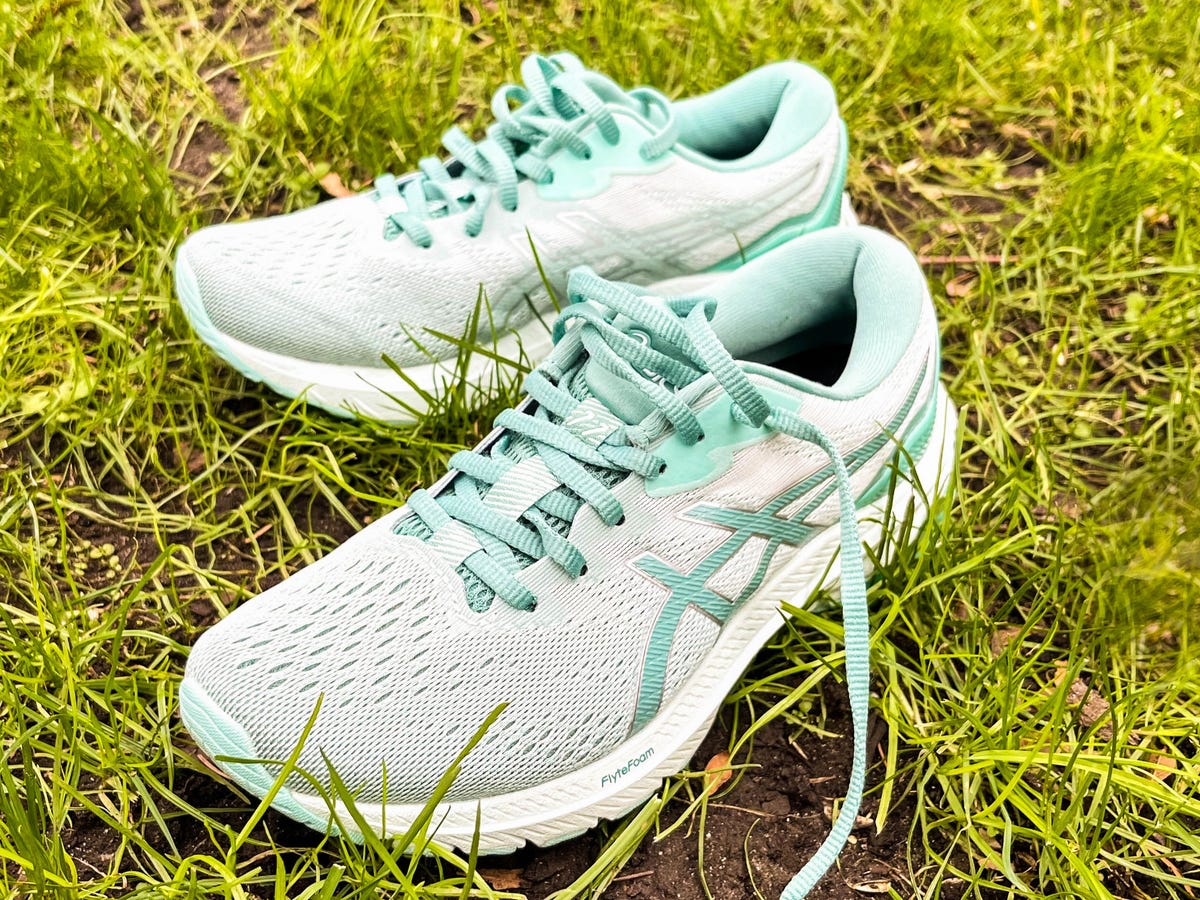
To understand what makes a tennis shoe a champion for walking, we must dissect its components. The first is the midsole. This is the engine of comfort, typically made from EVA (ethylene-vinyl acetate) foam, polyurethane, or proprietary blends like Nike’s React or Adidas’s Boost. The goal is a balance of energy return (the shoe pushing back as you step) and shock attenuation. A study cited in the Journal of Foot and Ankle Research emphasizes that materials with higher energy return can reduce the metabolic cost of walking, meaning you expend less energy with each step. The second element is the outsole. Tennis shoe outsoles are made of durable, non-marking rubber with herringbone or modified patterns that offer exceptional grip. For walking, this translates to reliable traction on wet pavement, tile floors, or grassy paths, enhancing safety and confidence. The third critical component is the upper. Modern uppers use engineered mesh, synthetic leather, or knit materials for breathability and adaptive fit. A secure, glove-like fit prevents the foot from sliding, which is a primary cause of blisters during long walks. When searching for the perfect tennis shoes for walking, scrutinizing these three elements—a responsive yet stable midsole, a durable, grippy outsole, and a breathable, secure upper—is non-negotiable.
Beyond the Hype: Objective Metrics for Selection
Marketing claims can be overwhelming. Let’s establish objective criteria. Heel-to-Toe Drop: This is the height difference between the heel and forefoot. A moderate drop (8-10mm) is common in tennis shoes and can suit most walkers by easing strain on the Achilles tendon. Stack Height: The total thickness of the midsole. While maximal cushioning is trendy, a moderately stacked shoe often provides better stability for all-day wear. Weight: Lighter shoes reduce leg fatigue. Many performance tennis shoes strike an excellent balance, using lightweight materials without sacrificing structure. Fit Philosophy: As renowned podiatrist Dr. Emily Splichal often discusses on her educational platforms, footwear should accommodate the natural spread of the foot during weight-bearing. A tennis shoe for walking should have adequate toe box width, a common strength in designs meant for lateral movement. Consulting size charts and brand-specific fit reviews is crucial, as a 2018 survey from Runner’s World revealed that improper fit is the leading cause of footwear-related discomfort.
:max_bytes(150000):strip_icc()/vwt-walking-shoes-test-ryka-devotion-x-sahara-borja-02-18807b688fbb49e4ba30a3ee438600cb.jpeg)
Voices of Authority: What Experts and Experience Tell Us
The suitability of tennis shoes for extended walking isn’t just theoretical; it’s echoed by diverse authorities. On platforms like Quora and specialized footwear forums, physical therapists frequently recommend stable athletic shoes like tennis models for patients recovering from injuries or dealing with plantar fasciitis, due to their supportive nature. Celebrity trainer Harley Pasternak, in interviews, has emphasized the importance of supportive, all-purpose shoes for clients with active lifestyles, often seen recommending brands known for their court heritage. Furthermore, authoritative consumer websites like Wirecutter and CNET consistently include crossover tennis or “court-inspired” models in their roundups of best walking shoes, praising their durable construction and all-surface capability. This convergence of professional recommendation and practical testing underscores a clear message: the design principles are sound and effective.
A Curated Selection: Models That Exemplify the Principles
Let’s apply this knowledge. Consider the Asics Gel-Resolution series. Historically a tennis staple, its DuoMax support system and Gel cushioning in both heel and forefoot provide exceptional impact dispersion and stability for walkers. The New Balance Fresh Foam Lav, another court-origin shoe, uses a plush yet responsive Fresh Foam midsole and a sleek, supportive upper, making it a favorite for all-day comfort. For those seeking maximal energy return, the Adidas Gamecourt, with its Cloudfoam midsole, offers a soft, buoyant feel. It’s vital to remember that the “best” is personal. Someone with a neutral gait and high arches might prioritize cushioning, while someone with flatter feet might seek the motion control inherent in a sturdy tennis shoes for walking like the Nike Air Zoom Vapor Cage. The key is to match the shoe’s technological strengths—documented in detailed reviews on sites like Tennis Warehouse or Verywell Fit—to your individual biomechanics.

Smart Acquisition: Blending Professional Knowledge with Value
Armed with this technical understanding, your purchasing strategy should be equally savvy. First, always try on shoes in the afternoon, as feet naturally swell throughout the day. Wear the socks you intend to walk in. Second, utilize online retailers with generous return policies, allowing you to test the shoes indoors. Third, monitor price cycles. Previous models (often denoted by a number, like Vapor Cage 4 vs. the new Vapor Cage 5) offer nearly identical technology at significant discounts. Outlet stores and seasonal sales are goldmines. For instance, a high-end tennis shoe for walking with a retail price of $130 can frequently be found for under $90 when the next iteration launches. This approach democratizes quality. You are not paying for marketing hype but for engineered materials and construction that directly contribute to your comfort and joint health over thousands of steps.
The journey to all-day walking comfort is paved with informed choices, not guesswork. By recognizing the inherent stability and versatile cushioning of a purpose-selected tennis shoe, you equip yourself with a tool designed for sustained performance. It’s an application of sports science to everyday life, where the right foundation—a shoe that supports, breathes, and endures—transforms a potential ordeal into effortless movement. Let this understanding guide your next step toward a more comfortable, energized day.
:max_bytes(150000):strip_icc()/Web_1500-vwt-primary-best-overall-shoe-tstaples-118-671f4e0048e64d14a1c42e4f8d9e6658.jpg)
