

The Ultimate Fall Staple for Effortless Elegance
As the air turns crisp and leaves begin their fiery transformation, our wardrobes instinctively seek anchors—pieces that provide not just warmth, but a profound sense of grounded style. Amidst the seasonal shift, one item emerges not as a fleeting trend, but as a permanent fixture in the lexicon of timeless dressing: the chocolate brown heels. This is not merely about a shoe; it’s about adopting a philosophy of color and form that speaks to authenticity, versatility, and an intelligence in style that transcends seasons. The rich, earthy tone acts as a sartorial keystone, effortlessly bridging the gap between casual autumn days and refined evening soirees. Its power lies in its understatement, offering a quiet confidence that louder fashion statements often fail to achieve.
The Chromatic Psychology of Earth Tones
To understand the dominance of chocolate brown, one must first appreciate the scientific and psychological weight carried by earth tones. Color theory, a cornerstone of both art and design, positions brown as a composite color, often created by mixing complementary hues like orange and blue or red and green. This genesis from opposites grants it an inherent balance and stability. According to resources like Pantone’s color institute and academic literature from institutions like the University of British Columbia’s Department of Psychology, earthy browns are consistently associated with qualities of resilience, reliability, warmth, and connection to nature. In a fashion context, this translates to a non-verbal communication of approachability and substance. When this deep, resonant brown is applied to the architecture of a heel—a silhouette historically tied to elevation and power—it creates a fascinating dichotomy. The shoe becomes a symbol of grounded sophistication. As the renowned designer Christian Louboutin once reflected on color in footwear, “A shoe has so much more to offer than just style. It’s a mood, an attitude.” The mood evoked by chocolate brown heels is one of assured elegance, a far cry from the sometimes aggressive or playful connotations of brighter colors.
Architectural Versatility: From Desk to Dusk
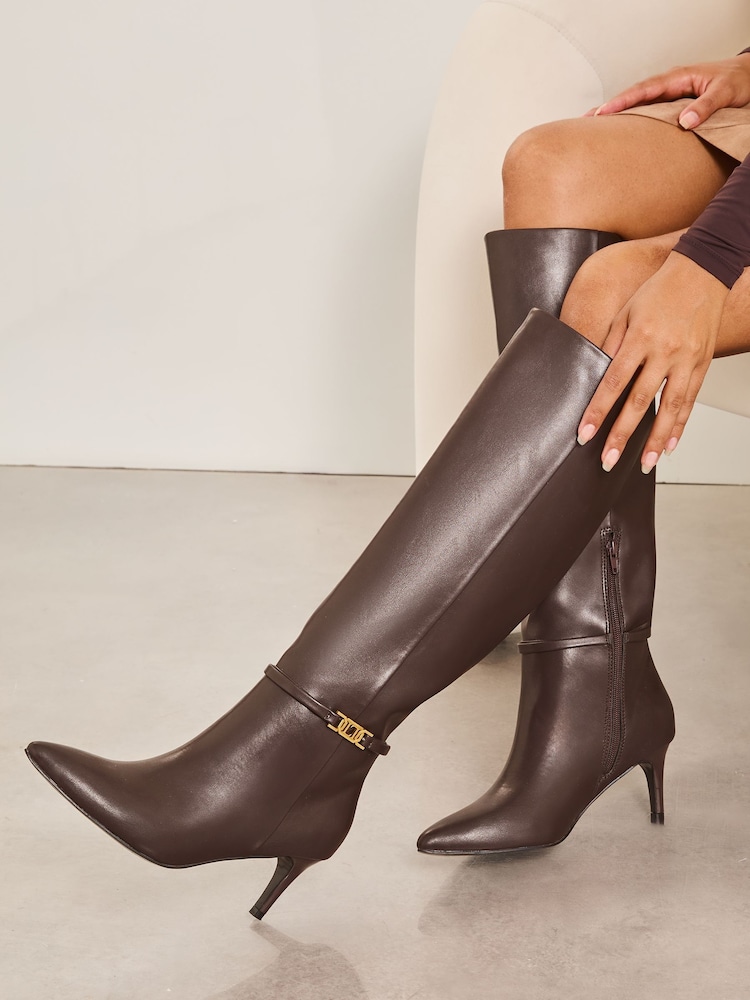
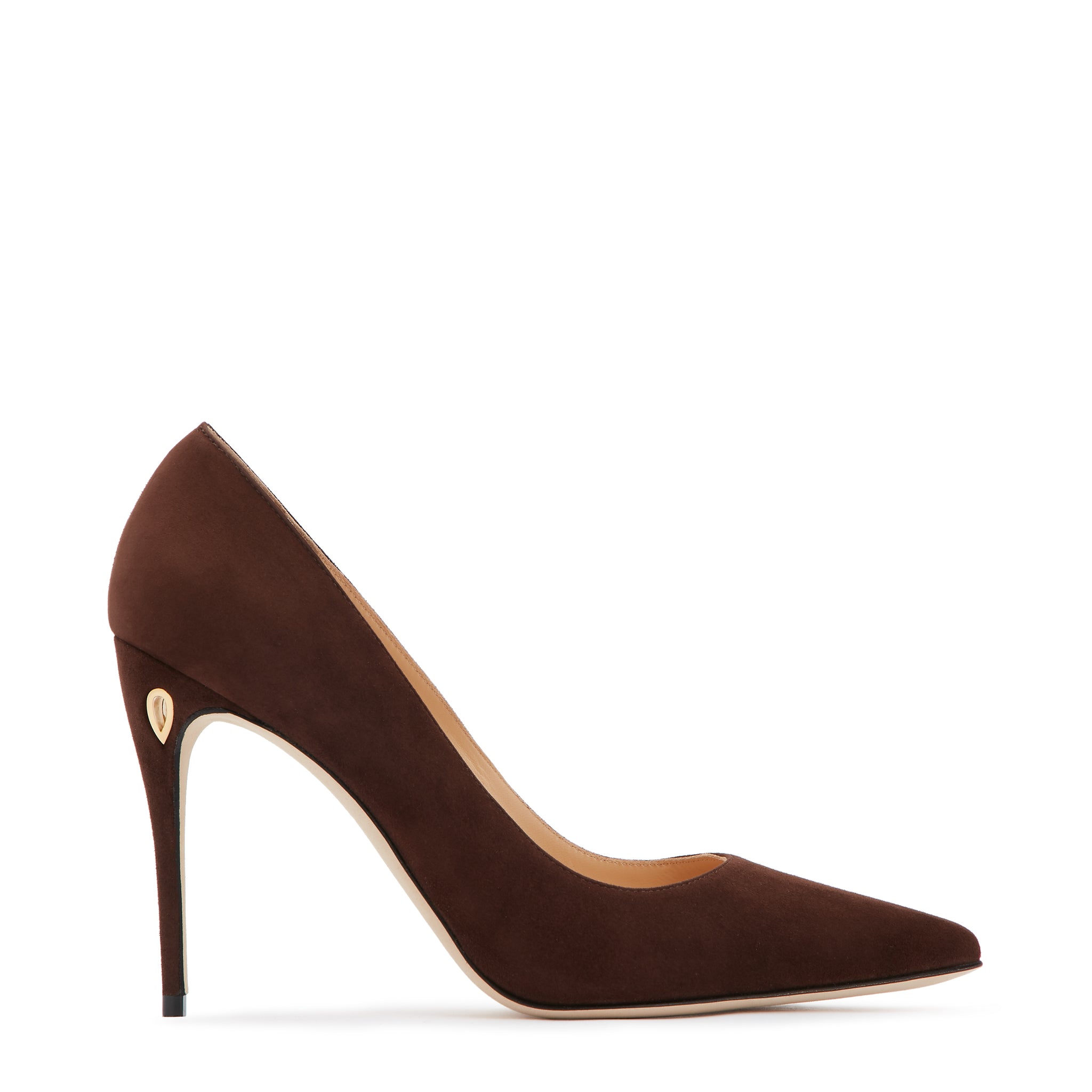
The true genius of this staple is its chameleonic ability to integrate into every facet of a modern lifestyle. Let’s deconstruct its utility. For the professional environment, a pair of sleek, medium-heel chocolate brown pumps offers an authoritative yet congenial alternative to stark black. Paired with tailored trousers, a cream silk blouse, and a structured blazer, it communicates competence without severity. The richness of the color adds depth to neutral office palettes, a point often highlighted by style platforms like Who What Wear and The Business of Fashion, which champion “investment dressing” with versatile core pieces. Transitioning to weekend wear, the same shoe grounds a pair of vintage-fit denim and an oversized chunky knit, elevating a casual ensemble with intentional polish. As evening approaches, a strappy sandal or a pointed-toe stiletto in the same hue provides a stunning, cohesive base for autumnal dresses in rust, olive, or burgundy. This eliminates the common fashion dilemma of color clashing. The shoe acts as a neutral, but a warm, expressive neutral. Fashion historian and author Dr. Kimberly Chrisman-Campbell, in analyses of seasonal trends, has noted how certain colors achieve “perennial status” by serving as a harmonious bridge between a wardrobe’s disparate elements. The chocolate brown heel performs this bridging function flawlessly, justifying its position as a cornerstone item.

Material Narratives: Suede, Leather, and Satin
The story of this staple is further nuanced by its material composition. Each texture tells a different chapter. Suede, with its soft nap and matte finish, embodies the tactile, cozy essence of fall. It catches the low autumn light in a subtle way, creating a sense of luxurious depth. However, its care requires consideration—a point of practical knowledge for the discerning wearer. Leather, particularly polished or grained, offers durability and a sharper, more defined silhouette. It reflects light, adding a formal edge that is perfect for structured outfits. Then there are materials like satin or velvet, which introduce a festive, tactile luxury for evening wear. The choice of material directly influences the shoe’s character. A statement from Manolo Blahnik archived on platforms like Vogue encapsulates this: “The heel, the color, the material—they are a trinity. They must sing together in harmony.” When you select a chocolate brown heel, you are engaging in this trinity. The deep brown hue enhances the richness of suede, gives gravity to shiny leather, and adds warmth to cool satin. This material versatility ensures that whether you seek a rugged bootie for country walks or a delicate sandal for a dinner party, the foundational color maintains its cohesive thread throughout your autumn wardrobe.
The Intellectual Argument for an Investment Piece
Moving beyond aesthetics, adopting this staple is an exercise in intelligent consumption. In an era increasingly conscious of sustainability and value, the concept of cost-per-wear becomes paramount. A shoe worn once is an extravagance; a shoe worn fifty times across multiple seasons and occasions is a strategic investment. The timeless nature of the color and classic heel shapes (think pumps, block heels, and almond-toe silhouettes) ensures they resist the rapid obsolescence of trend-driven fashion. This aligns with the “capsule wardrobe” philosophy popularized by experts and platforms from The Copenhagen Fashion Summit to personal stylists on YouTube, like Alyssa Beltempo, who advocate for buying less but buying better. The initial outlay for a well-crafted pair from a quality brand is offset by their enduring service. Furthermore, the current market, aware of this demand for timeless pieces, often features these staples in seasonal sales. Savvy shoppers can find exceptional value, acquiring luxury materials and craftsmanship at discounted prices during end-of-season or pre-holiday sales events, making elevated style an accessible reality.
A Cultural and Cinematic Anchor
The resonance of this color in footwear is not a novel invention but a recurring theme in cultural narratives, reinforcing its status. In film and literature, brown tones are often employed to denote character, authenticity, and a connection to the real world. Consider the practical, worn leather boots of iconic literary heroines or the sophisticated brown footwear seen on characters in films like The Philadelphia Story or more recently, in the wardrobes of style icons in series like Succession, where wealth is signaled through understated, quality materials rather than logos. On social media platforms like Instagram and Pinterest, style influencers and certified fashion consultants consistently highlight “chocolate brown” as a key seasonal color, curating mood boards that showcase its pairing potential. This collective cultural endorsement, from high art to digital street style, validates the choice. It’s a color that has been vetted by time and taste across multiple mediums, assuring you that your chocolate brown heels are not just a purchase, but an acquisition of a style archetype.
Ultimately, the pursuit of effortless elegance is about reducing decision fatigue while maximizing impact. It’s about owning pieces that feel intrinsically you and perform reliably, season after season. The chocolate brown heel stands as a testament to this philosophy. It is the quiet, confident answer to the question of what to wear. It provides a foundation upon which endless personal expression can be built, all while offering the practical benefits of versatility, psychological warmth, and intelligent longevity. In the tapestry of fall fashion, it is not a loud thread, but the essential, grounding warp that holds the entire beautiful weave together.

