

The Walking Shoe: Your Ultimate Guide to Comfort and Style for Every Outfit
Forget the notion that comfort and style are mutually exclusive. The modern walking shoe has evolved into a cornerstone of a versatile wardrobe, engineered to support your body through miles of pavement while seamlessly integrating with your personal aesthetic. This is not about compromising; it’s about a fundamental shift in how we view footwear. The right pair is a tool for living well, a foundation that empowers your daily movement, whether you’re navigating a bustling city, exploring a new town, or simply chasing errands with grace and ease. Let’s dismantle the old stereotypes and explore how this single category of shoe can become the most reliable and stylish workhorse in your closet.
The Anatomy of All-Day Comfort: It’s More Than Just a Soft Sole
To understand why a dedicated walking shoe is non-negotiable, we must delve into the biomechanics of walking. Unlike running, which involves a flight phase where both feet leave the ground, walking always keeps one foot in contact with the earth. This results in a distinctive heel-to-toe rolling motion, or gait cycle, that places unique stresses on the feet, ankles, knees, and hips. A proper walking shoe is scientifically designed to support this specific motion. Key features include a beveled or rounded heel to encourage a smooth heel strike and roll-through, flexible forefoot construction to allow the natural bending of the foot during toe-off, and ample arch support to maintain the foot’s structural integrity. As Dr. Casey Kerrigan, a former Harvard Medical School professor and founder of a biomechanics research company, has often highlighted in her work, footwear that interferes with natural gait can increase joint loading and energy expenditure. The cushioning in a quality walking shoe isn’t just about plushness; it’s about strategic energy return and shock attenuation. Materials like EVA foam, polyurethane, and proprietary compounds like Brooks’ DNA LOFT or Hoka’s Profly+ are engineered to absorb impact forces and provide a responsive, stable platform. Neglecting these engineering principles in favor of fashion-first flats or unsupportive sneakers is an invitation to fatigue, plantar fasciitis, and long-term joint discomfort. The investment in a biomechanically sound shoe is, fundamentally, an investment in your musculoskeletal health.
Style Synergy: Pairing Your Walking Shoe with Every Outfit Archetype
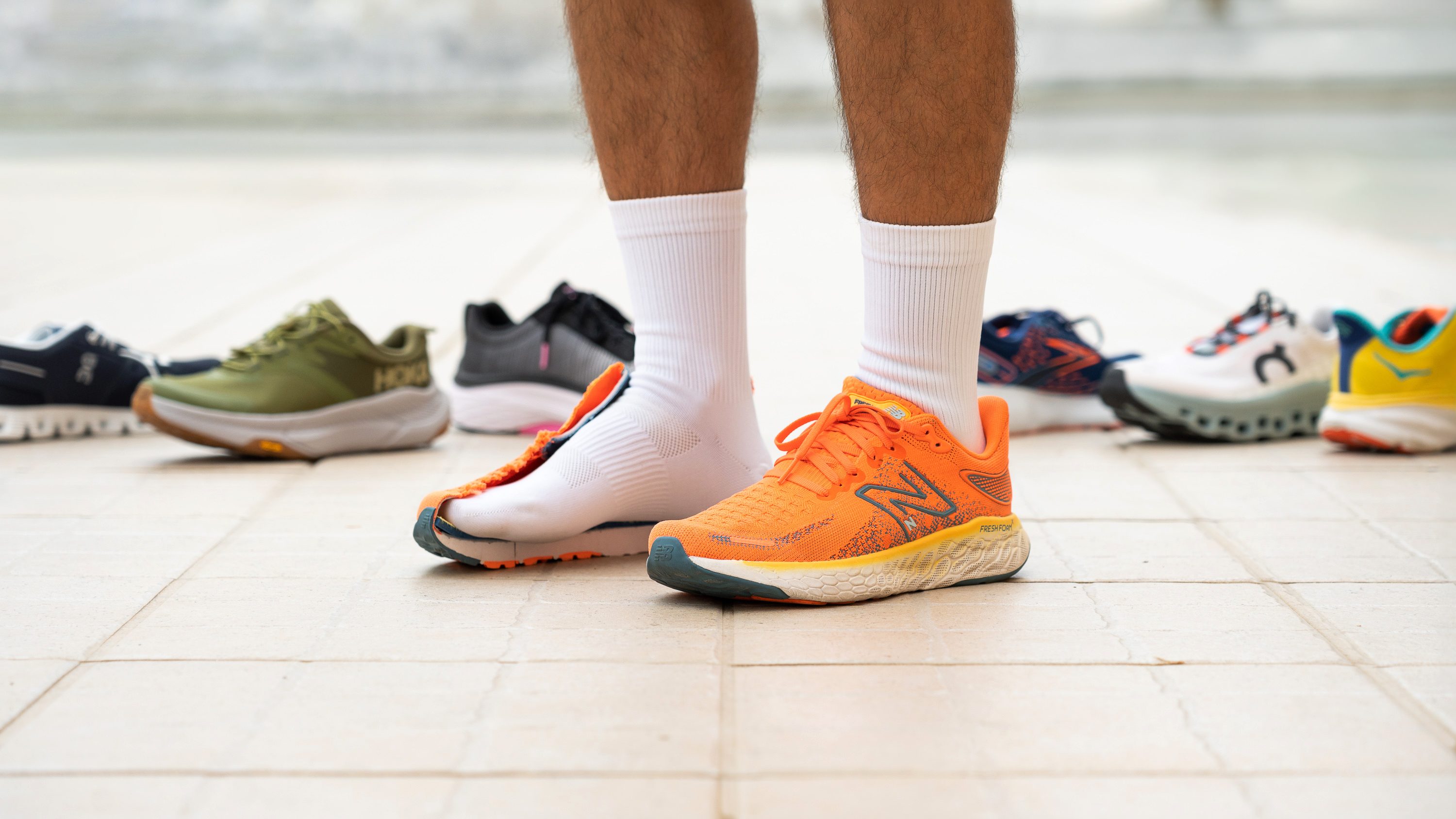
The triumph of the contemporary walking shoe lies in its design diversity. The days of bulky, purely technical shoes that clashed with everything are over. Today’s market offers silhouettes that can converse intelligently with various style languages. For smart-casual or business-casual environments, consider minimalist leather or suede walking sneakers from brands like Cole Haan or ECCO. Their clean lines, neutral tones, and polished materials pair effortlessly with chinos, tailored trousers, and even dresses, offering a sophisticated alternative to formal shoes. The athleisure trend has been a significant catalyst, blurring the lines further. A sleek, monochromatic running-inspired walking shoe from New Balance or Asics can be the perfect complement to joggers, leggings, and oversized sweatshirts, creating a cohesive, modern look. For weekend explorers and denim enthusiasts, classic sneaker styles with enhanced comfort technology are ideal. Think of the timeless appeal of a Stan Smith, but re-engineered with contemporary cushioning and support. The key is to view the shoe as an integral part of the outfit’s color palette and texture story. A neutral shoe acts as a anchor, while a pop of color can become a statement accessory. As fashion influencer and author Aimee Song often demonstrates on her platforms, the right sneaker can elevate a simple outfit, proving that practicality is the new pinnacle of style.

Decoding the Technology: A Glossary for the Discerning Walker
Navigating product descriptions can feel like reading a foreign language. Let’s demystify the common terms. Midsole: This is the heart of the shoe’s cushioning and stability, typically made from EVA (ethylene-vinyl acetate) or polyurethane. EVA is lighter and softer but may compress over time, while polyurethane is more durable and supportive. Rockered Sole: A geometric design that creates a smooth, rolling transition from heel to toe, reducing strain on the calf and Achilles tendon. This technology, heavily featured in brands like Hoka, is backed by podiatric principles to promote efficient gait. Arch Support: Not all arches are created equal. Understanding your foot type—neutral, low-arch (overpronator), or high-arch (supinator)—is crucial. Many brands offer models with varying degrees of medial (inner side) support to control overpronation. Resources like the American Podiatric Medical Association’s website provide guides for self-assessment. Upper Materials: Engineered mesh offers breathability and a adaptive fit, while leather provides structure and water resistance. Knit uppers, like those from Adidas Primeknit, offer a sock-like, flexible feel. Outsole Rubber: Carbon rubber is heavy-duty and durable, often placed in high-wear areas like the heel, while blown rubber is lighter and provides better cushioning. The combination of these materials, often seen in a segmented outsole, aims to balance grip, flexibility, and longevity.
Investment Versus Expense: The Long-Term Value Proposition
It’s tempting to opt for inexpensive, mass-market fashion sneakers, but this is a classic case of false economy. A scientifically constructed walking shoe from a reputable brand represents an investment with measurable returns. Firstly, the quality of materials and construction directly translates to durability. A shoe with a solid rubber outsole and robust stitching will outlast multiple pairs of cheaply made alternatives, reducing cost-per-wear significantly. Secondly, and most importantly, is the preventative health benefit. Chronic foot pain, knee issues, and back problems often have their roots in improper footwear. The cost of physical therapy, orthotics, or even eventual medical intervention far outweighs the premium paid for quality shoes. Consider the perspective of renowned physical therapist and author Kelly Starrett, who frequently emphasizes that “your feet are your foundation.” Compromising on foundation integrity inevitably leads to structural problems upstream. Furthermore, the comfort provided by a superior shoe enhances your quality of life—you walk more, explore more, and feel better doing it. This investment in daily well-being is priceless. To make this investment more accessible, savvy shoppers should look for previous-season colorways, sign up for brand newsletters for exclusive discounts, and check reputable online retailers during major sales events where flagship models can often be found at 20-30% off.

The Personal Test: Finding Your Perfect Match
The ultimate test of any shoe is your own experience. Scientific specifications are a guide, not a guarantee. Always try shoes on in the afternoon or evening, as feet naturally swell throughout the day. Wear the socks you intend to pair them with. There should be about a thumb’s width of space between your longest toe and the end of the shoe to allow for natural foot expansion during walking. The heel should be snug without slipping, and the widest part of your foot should align comfortably with the widest part of the shoe. Don’t just stand—walk around the store, on hard surfaces if possible. Pay attention to any immediate pressure points or pinching. Remember, a “break-in period” for modern performance shoes should be minimal; they should feel good from the first step. Your ideal walking shoe is the one that disappears on your foot, becoming an unnoticed extension of your body that simply lets you move through your world with confidence and comfort.
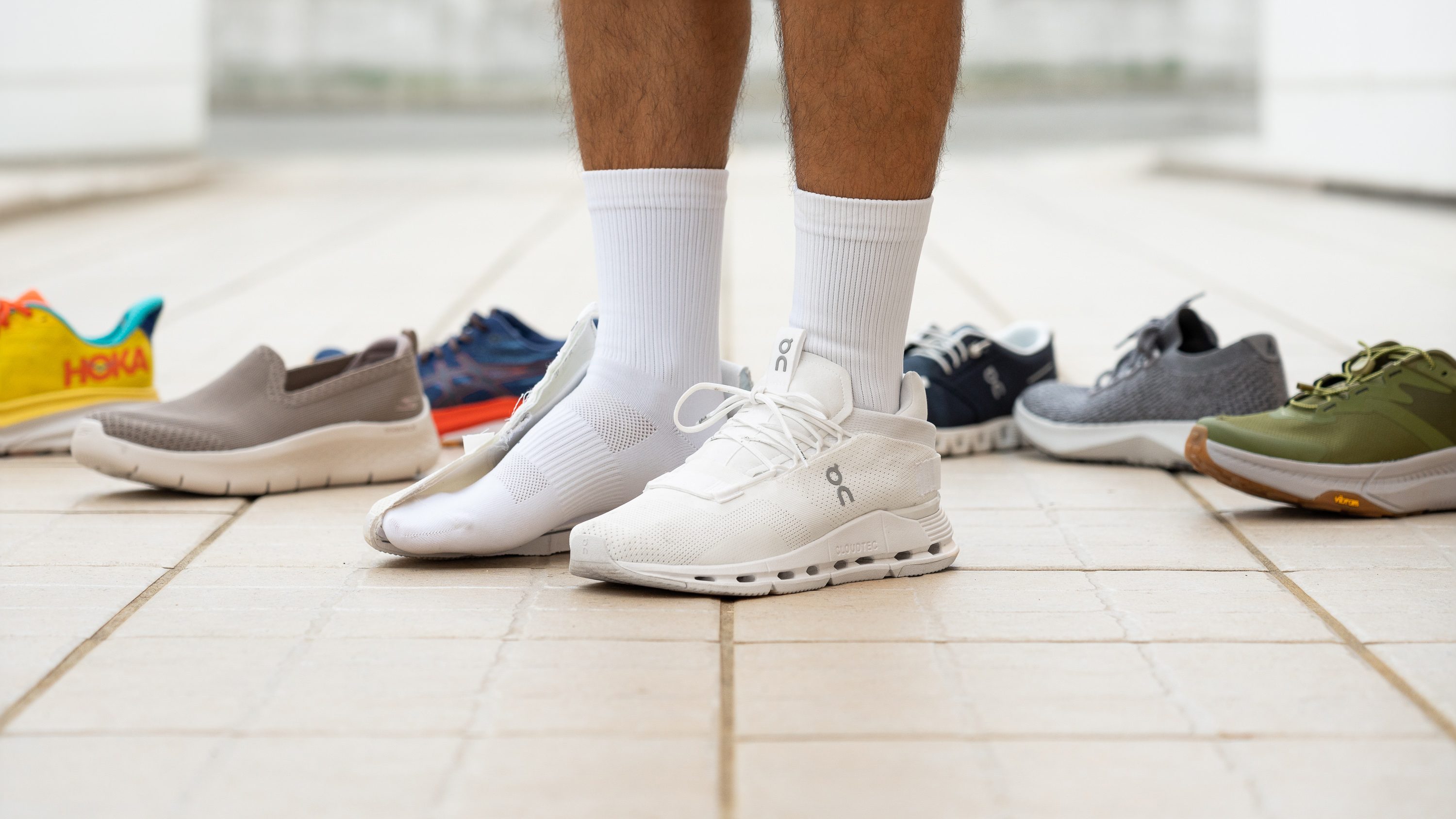
Embracing the walking shoe is a conscious choice to prioritize your physical well-being without sacrificing your personal style. It is a rejection of the outdated compromise and an acceptance that the best fashion is the kind that supports you, literally and figuratively, through every step of your day. From its biomechanically informed construction to its versatile design language, the right pair is more than an accessory; it’s the reliable foundation for a active, engaged, and stylish life. Let your shoes be a tool for exploration, not a source of limitation.
