The Walking Shoe: Your Ultimate Guide to Comfort and Style for Every Outfit
Forget the notion that practicality and fashion exist in separate realms. The modern pursuit is for footwear that seamlessly bridges the gap between biomechanical support and sartorial expression. This isn’t about a single, utilitarian pair hidden in the closet for “walking days.” It’s about a foundational element of your wardrobe—the walking shoe—reimagined as a versatile, style-conscious companion. The right pair does more than protect your feet; it empowers your stride, complements your personal aesthetic, and integrates into the rhythm of your daily life, from a morning commute to an evening stroll. We are moving beyond mere footwear; we are adopting a tool for enhanced living.
The Anatomy of Comfort: Deconstructing the Modern Walking Shoe
To appreciate the evolution of the walking shoe, one must understand its engineered core. Comfort is not a vague feeling but a scientific achievement built upon specific components. The midsole, often utilizing advanced compounds like ethylene-vinyl acetate (EVA) or polyurethane (PU), is the primary shock absorber. Its density and geometry determine how impact forces from heel strike to toe-off are dissipated. Research from institutions like the University of Calgary’s Human Performance Laboratory consistently highlights the role of proper cushioning in reducing peak pressure on joints, a principle directly applied in footwear design. The heel counter, a firm cup encircling the rearfoot, provides essential stability, controlling excessive pronation or supination—the inward or outward rolling of the foot during gait. This isn’t marketing jargon; it’s podiatric science. The upper’s construction, transitioning from heavy leather to engineered meshes and knitted textiles, offers a strategic balance of breathability, flexibility, and support, conforming to the foot’s topography without restriction. As renowned podiatrist Dr. William Rossi once noted in his seminal work, The Functional Footwear, “The foot is a masterpiece of engineering and a work of art.” The modern walking shoe is the respectful casing for that masterpiece.

Biomechanics in Motion: Why Your Gait Dictates Your Choice
Selecting a shoe based solely on appearance is akin to prescribing glasses based on frame color. The critical variable is your unique gait cycle. Are you a neutral walker, an overpronator, or do you have a supinated stride? This isn’t self-diagnosis territory; it’s the foundation of a proper fit. Many specialty running and walking stores offer gait analysis, often using pressure plates or video technology—a practice supported by sports medicine literature. For the overpronator, a shoe with structured support or motion control features can help guide the foot into a more neutral path, potentially alleviating stress on the knees and ankles. Conversely, a neutral or high-arched foot may thrive in a cushioned, neutral shoe that allows for natural motion. The American Podiatric Medical Association (APMA) grants its Seal of Acceptance to products found conducive to foot health, a valuable indicator for consumers. Ignoring your biomechanics can turn a simple walk into a source of discomfort. The goal is harmony: your foot, its movement, and the shoe working as a single, efficient system. The perfect walking shoe feels like an extension of your body, not an addition to it.
The Style Synapse: Curating Shoes for Your Wardrobe Archetypes
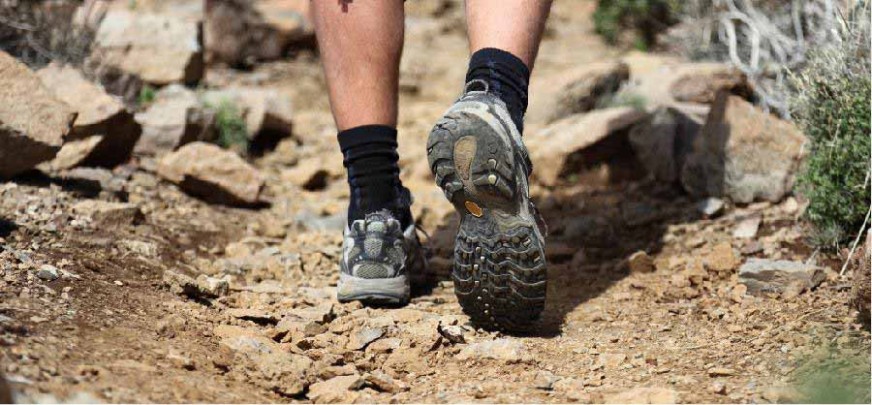
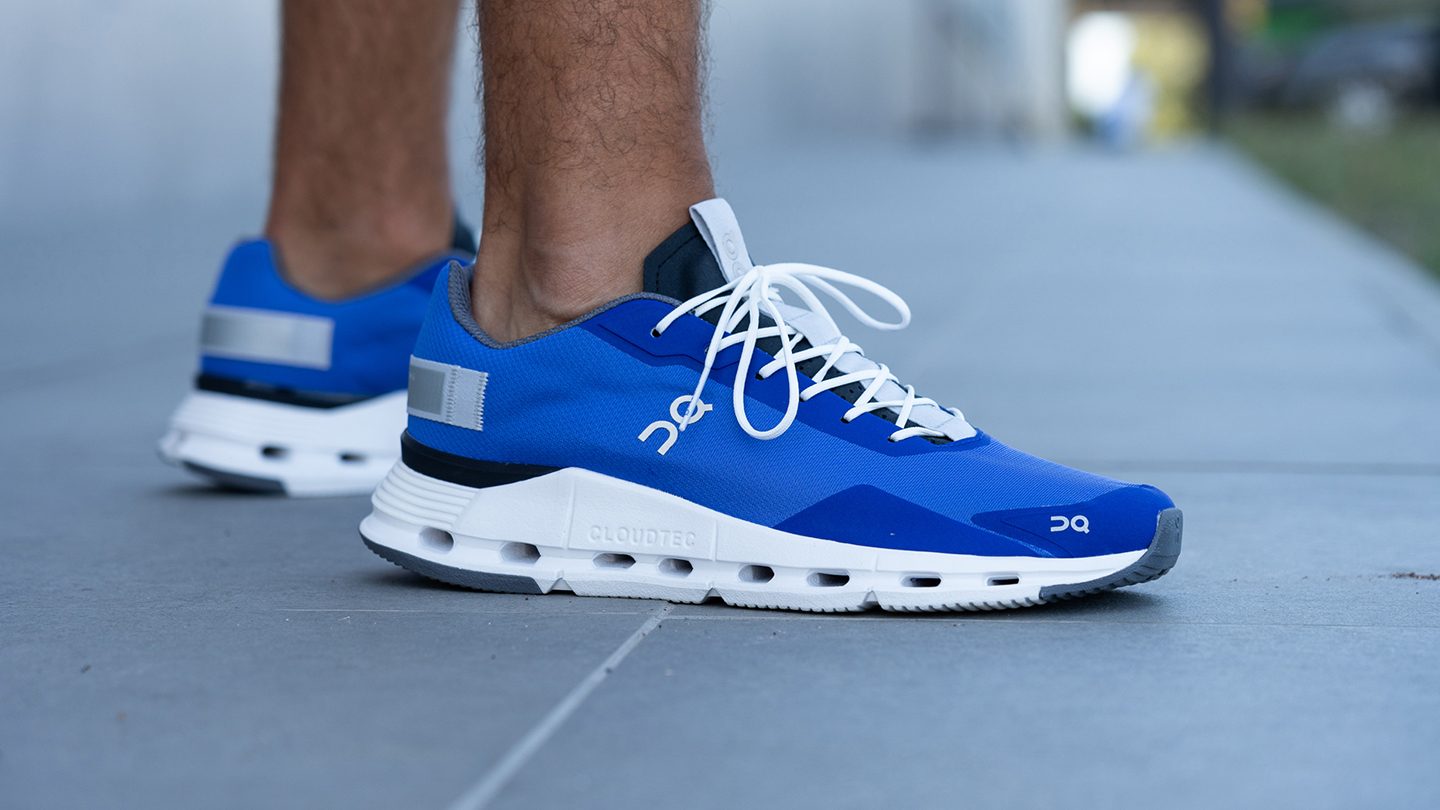
With comfort fundamentals established, we engage the style synapse. The contemporary market has demolished the old walls. Today’s offerings span from minimalist, sleek silhouettes that echo classic trainers to robust, technical designs that wear their functionality with pride. The key is intentional curation. Consider your dominant wardrobe archetypes. For a wardrobe leaning towards smart-casual or minimalist aesthetics, a clean, low-profile walking shoe in monochromatic white, grey, or black becomes a versatile anchor. Think of the cultural footprint of brands like Cole Haan or certain styles from On Running, which fuse tailored looks with sneaker technology. For the urban explorer or someone with a more utilitarian style, shoes with textured details, waterproof membranes like Gore-Tex, and durable outsoles from brands like Salomon or Merrell offer a look that is both prepared and fashionable. The rise of the “gorpcore” trend, as documented by fashion platforms like Hypebeast, validates the aesthetic appeal of technical gear. The point is alignment: your shoe should converse with your outfit, not conflict with it.
The Cushioned Cloud: Maximum Support for Long Hauls
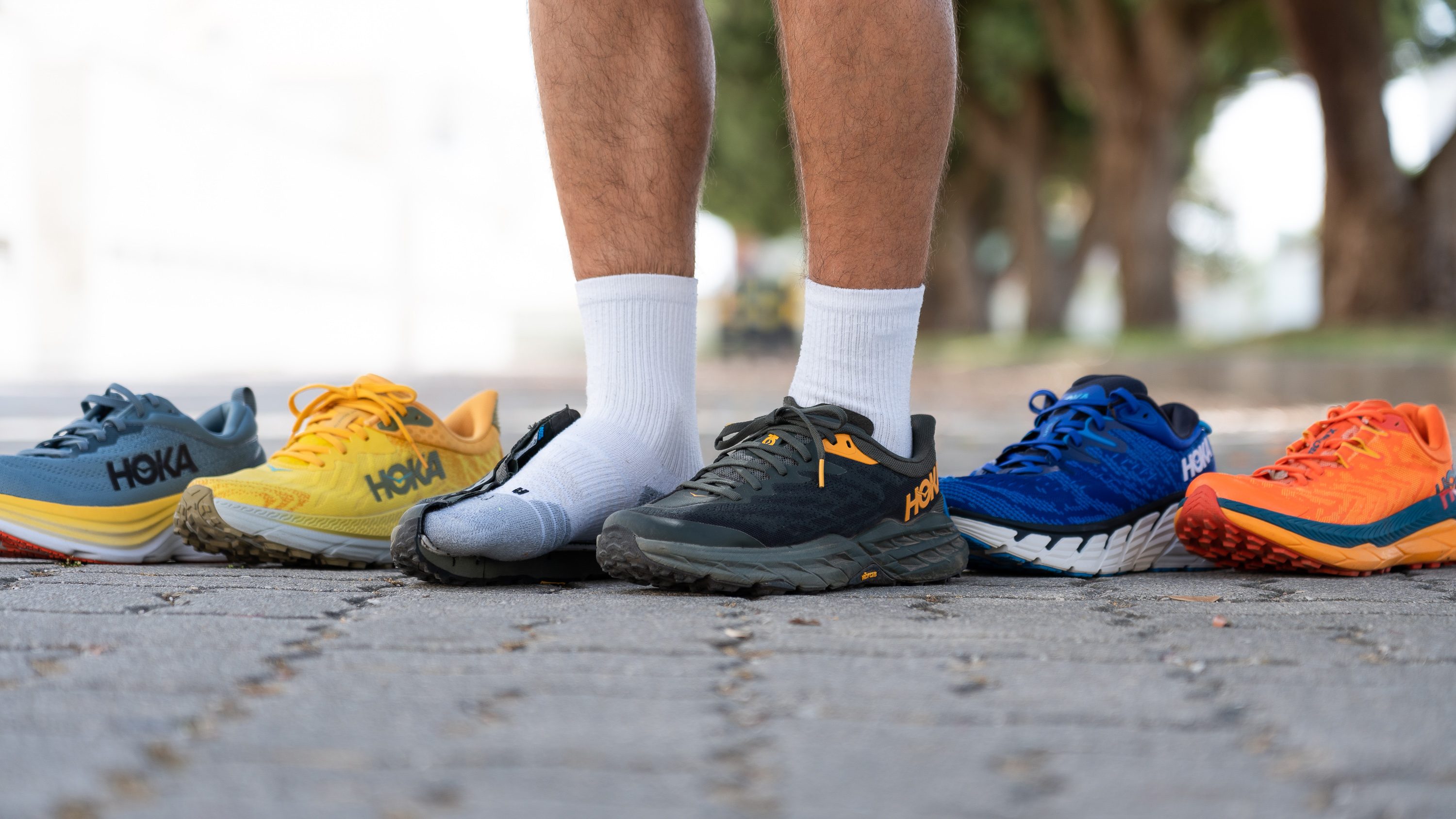
When your day involves prolonged standing, extensive city touring, or recovery from physical strain, the priority shifts decisively toward premium cushioning. This category is defined by maximalist midsoles that provide a plush, energy-returning ride. Brands like Hoka One One have pioneered this space, with models like the Bondi or Clifton becoming icons. The technology often involves proprietary foam blends, such as Brooks’ DNA LOFT or ASICS’ GEL-NIMBUS series, designed to attenuate shock over cumulative hours. The science is clear: as noted in a review published in the Journal of Foot and Ankle Research, appropriate cushioning can reduce the metabolic cost of walking and lower perceived exertion. This isn’t indulgence; it’s strategic preservation of your energy and joints. For the nurse working a 12-hour shift, the museum docent, or the traveler navigating cobblestone streets, a highly cushioned walking shoe is not a luxury—it’s essential equipment. The feeling is often described as “walking on clouds,” a testament to how technology can fundamentally alter a physical experience.
The Feathered Step: Lightweight Agility for Dynamic Days
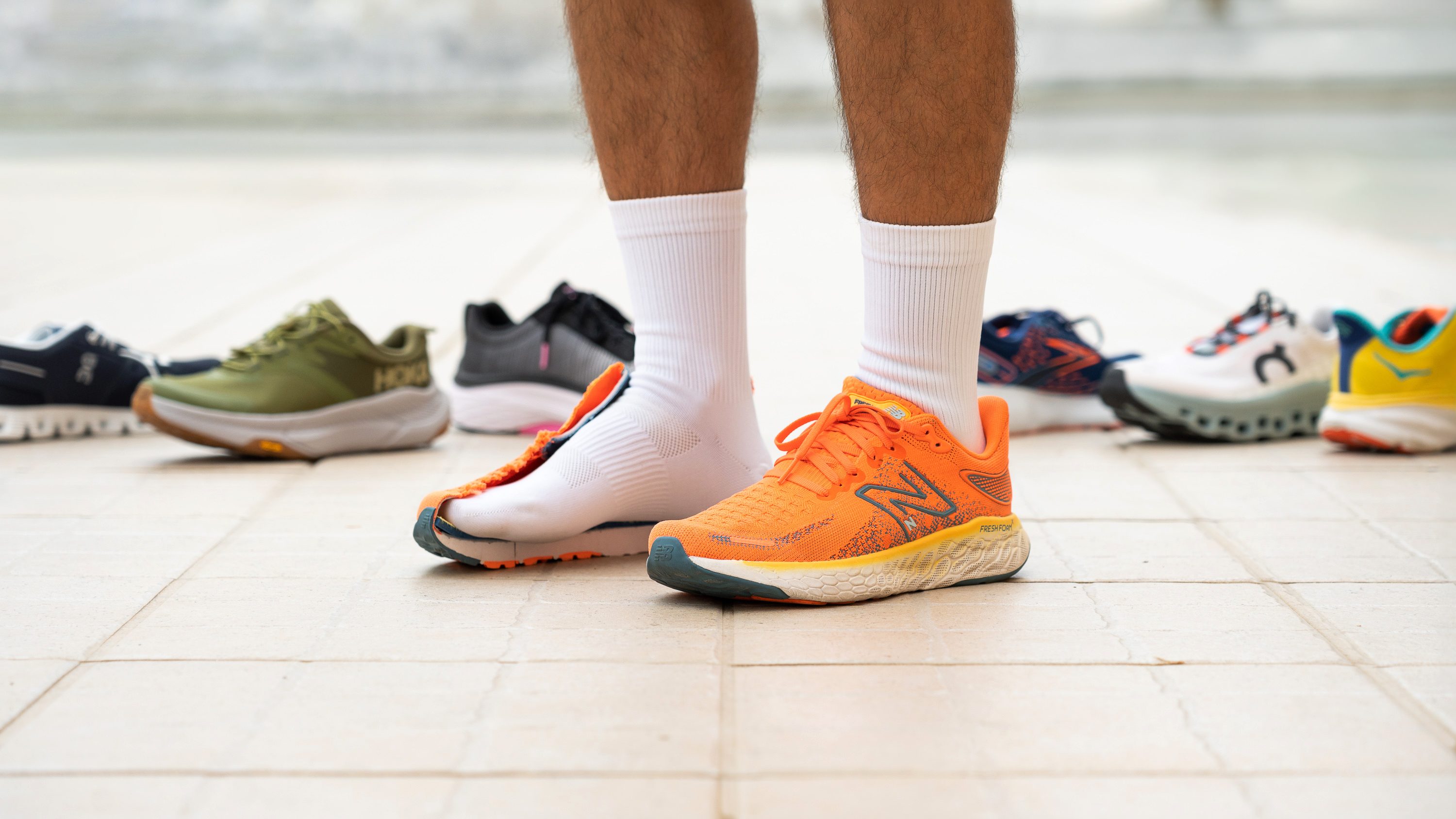
Not all walking is a steady-state march. For the dynamic day that mixes errands, light jogs, and spontaneous activity, weight becomes a critical factor. Lightweight walking shoes, often utilizing single-layer mesh uppers and pared-down midsole geometries, prioritize flexibility and breathability. The benefit is tangible: reduced leg fatigue and a more natural foot strike. The principle is supported by biomechanics, where studies, including those cited in sports science resources like SimpliFaster, suggest that even marginal reductions in shoe weight can improve efficiency. This category includes streamlined models from New Balance’s Fresh Foam series, Nike’s Free line, or ultra-light offerings from Skechers. They are the ideal choice when your pace is variable and your itinerary is unpredictable. They provide essential support without the bulk, offering a feeling of liberation and agility. It’s the footwear equivalent of switching from a sturdy sedan to a nimble hatchback for city driving.
Investment and Insight: Navigating the Market with Acumen
An informed purchase is a satisfying one. Recognizing value involves looking beyond the initial price tag to the cost-per-wear and the technology offered. Premium models from established brands often incorporate the latest foam compounds, durable carbon rubber outsoles, and sophisticated stability features, justifying a higher initial investment—often in the $120-$180 range. However, exceptional value can be found in previous-season models or direct-to-consumer brands, which may offer comparable technology at a 20-30% discount. It’s a practice echoed by consumer advocates: “Never pay full price for technology that iterates yearly.” Furthermore, consider the shoe’s intended lifespan. A quality pair, used primarily for walking, should provide reliable performance for 300-500 miles before the midsole’s cushioning properties significantly degrade. Rotating between two pairs can extend the life of both, allowing the foam to fully rebound between uses. This is the professional knowledge that transforms a simple buy into a smart investment in your well-being.
The journey to finding your ideal walking shoe is a personal convergence of physiology and personality. It demands attention to the silent language of your gait and an honest assessment of your daily visual narrative. When you lace up a pair that excels in both dimensions, the effect is transformative. The world feels more accessible, your posture improves, and your confidence lifts. You are no longer just wearing shoes; you are equipped with a platform for confident, comfortable, and stylish movement. Let your next step be your most informed and intentional one.