

The Ultimate Guide to Vionic Walking Shoes for All-Day Support
In a world where we are constantly on our feet, the quest for footwear that combines comfort, support, and style is more than a luxury—it’s a necessity for maintaining an active, pain-free lifestyle. This is where the innovation of biomechanically designed footwear comes into play, and few brands have carved out as definitive a space in this realm as Vionic. The term Vionic walking shoe has become synonymous with a specific promise: engineered support that aligns the body from the ground up. This guide delves deep into the anatomy, science, and real-world benefits of these shoes, moving beyond marketing claims to explore the objective principles that make them a standout choice for anyone seeking all-day comfort. We will navigate through the core technologies, the physiological impact, and the tangible value they bring, ensuring you have the comprehensive knowledge needed to make an informed decision for your feet and your well-being.
The Foundation: Biomechanics and the Science of Support
To understand the value of a Vionic walking shoe, one must first grasp the fundamentals of foot biomechanics. The human foot is a complex structure of 26 bones, 33 joints, and over 100 muscles, tendons, and ligaments. Its primary functions are to absorb shock, provide balance, and propel the body forward. However, modern lifestyles—characterized by hard, flat surfaces and often inadequate footwear—can lead to a collapse of the foot’s natural arch. This condition, known as overpronation, is a primary contributor to a cascade of alignment issues, including plantar fasciitis, knee pain, and even lower back discomfort. The field of podiatry emphasizes that proper support is not about cushioning alone; it’s about control and realignment. As noted in resources from authoritative institutions like the American Podiatric Medical Association (APMA), footwear with built-in orthotic support can be instrumental in managing and preventing these common ailments. Vionic’s approach is rooted in this clinical perspective. Their signature biomechanical footbed is not a generic insole; it’s a three-zone comfort system designed to cradle the heel, support the arch, and allow for natural toe movement. This design philosophy mirrors the principles found in custom orthotics prescribed by podiatrists, making therapeutic support accessible in an off-the-shelf product. The goal is to position the foot in its neutral, anatomically correct posture, thereby reducing strain on the entire musculoskeletal chain.
Deconstructing the Vionic Difference: Core Technologies Unveiled
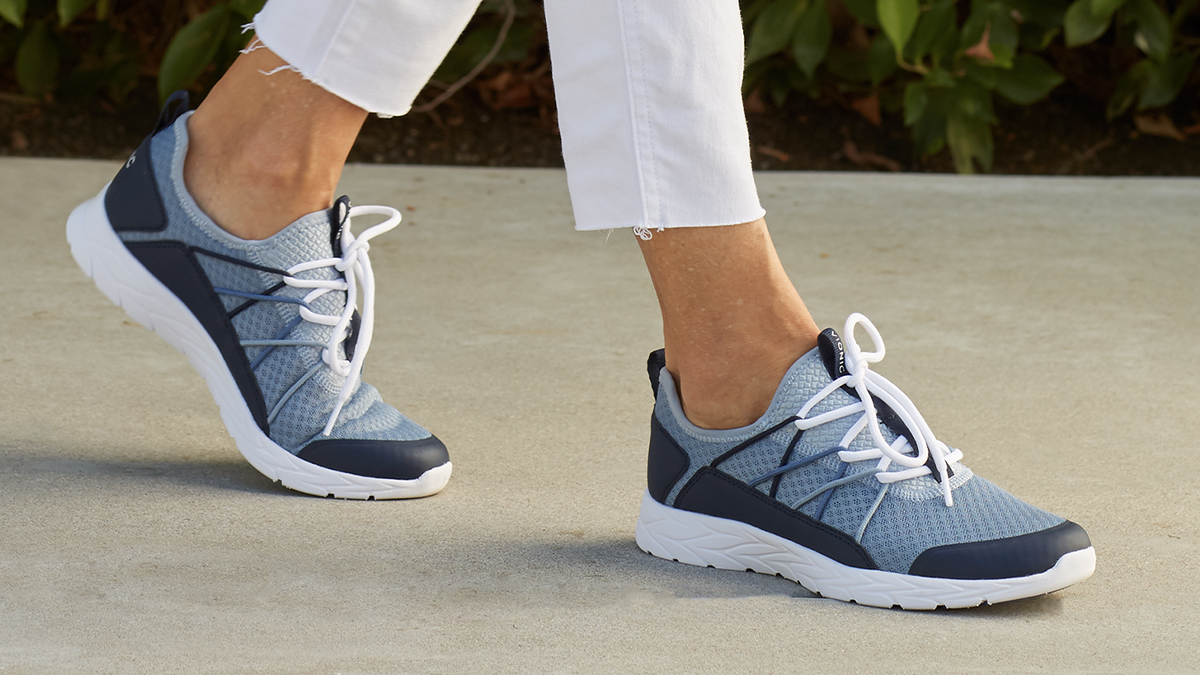
What separates a Vionic shoe from a conventionally comfortable sneaker? The answer lies in the intentional integration of specific technologies. First and foremost is the aforementioned orthotic footbed. This removable insert is often made from a durable, supportive material like EVA with a suede-like cover, and its arch is strategically placed and contoured to match the natural curvature of a healthy foot. This is the non-negotiable heart of every Vionic walking shoe. Beyond the footbed, the construction of the shoe itself works in concert. Many models feature a deep heel cup, which stabilizes the rearfoot and prevents the heel from rolling inward or outward excessively—a key factor in controlling pronation. The midsoles are typically crafted from lightweight, responsive materials that offer a balance of cushioning and rebound, reducing impact forces with each step. Furthermore, the outsoles are designed with strategic flex grooves that encourage a natural, rolling gait from heel strike to toe-off. This holistic design ensures that support is not an isolated feature but a pervasive characteristic of the shoe’s function. It’s an engineering philosophy that has earned Vionic the APMA Seal of Acceptance for many of its styles, a recognition granted only to products found to promote good foot health. This external validation from a leading professional organization adds a layer of scientific credibility to the brand’s claims.

From Discomfort to Relief: Addressing Common Foot Conditions
The true test of any therapeutic footwear is its impact on real-world pain. For individuals suffering from plantar fasciitis—an inflammation of the band of tissue connecting the heel to the toes—the rigid arch support and heel cushioning in a Vionic walking shoe can provide immediate relief by reducing tension on the plantar fascia. The deep heel cup also minimizes micro-tears that occur with each step on a hard surface. For those with flat feet or overpronation, the guided support helps restore a more natural arch position, redistributing pressure and improving gait efficiency. This isn’t merely anecdotal; the principles are supported by biomechanical literature. For instance, a study published in the Journal of Foot and Ankle Research highlighted the efficacy of prefabricated orthotic devices (like those in Vionic shoes) in reducing pain and improving function in patients with plantar fasciitis. The experience of countless users, shared on platforms from Quora to specialized health forums, often echoes this scientific finding. Many describe a transformative shift from dreading standing or walking to rediscovering the joy of movement. It’s a transition from managing pain to actively promoting foot health, allowing people to engage in their daily activities, from running errands to traveling, without the constant background ache that once defined their experience.
Style Meets Substance: The Evolution of Orthopedic Footwear
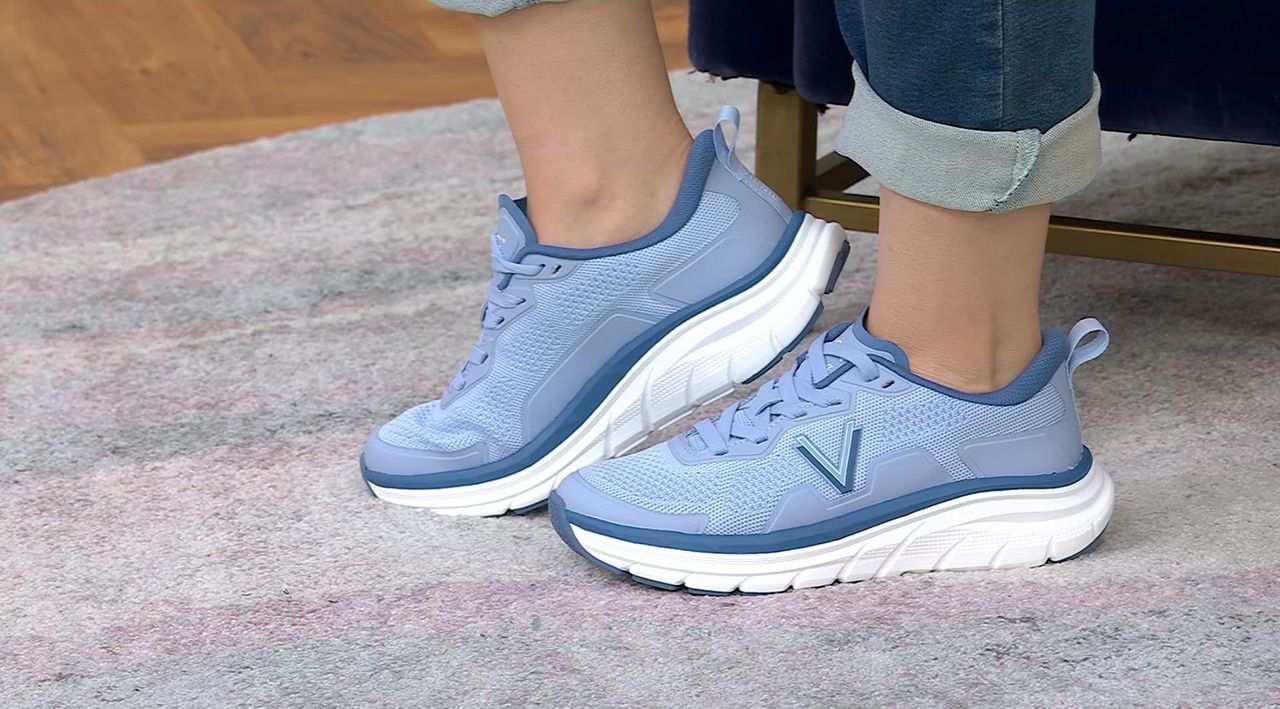
Historically, shoes offering serious support were often clinical in appearance, sacrificing aesthetics for function. Vionic has played a pivotal role in shattering this stereotype. The brand has successfully demonstrated that biomechanical engineering can be seamlessly woven into contemporary, stylish designs. Whether it’s a sleek sneaker, a sophisticated loafer, or a versatile sandal, the supportive core remains intact. This fusion is crucial because it removes the barrier of compromise. You no longer have to choose between shoes that look good and shoes that feel good. This design-forward approach has been celebrated by style influencers and health professionals alike, creating a unique niche where wellness and fashion intersect. The availability of a wide range of styles means that the benefits of a Vionic walking shoe can be integrated into every aspect of one’s wardrobe, from professional settings to casual weekends. This democratization of comfort and style empowers individuals to prioritize their foot health consistently, without feeling like they are wearing a “medical device.” It represents a significant cultural shift in how we perceive health-conscious consumer goods.
Maximizing Value: Investment in Long-Term Wellbeing
When evaluating the cost of a premium Vionic walking shoe, it is essential to frame it not as a simple apparel purchase but as an investment in your long-term musculoskeletal health. Consider the alternative costs: repeated purchases of cheaper, unsupportive shoes that wear out quickly and may contribute to pain; expenses for over-the-counter inserts that rarely provide adequate, full-length support; or even the potential medical bills associated with treating chronic foot, knee, or back problems. A well-constructed Vionic shoe, with its durable materials and foundational support, is designed for longevity. The removable orthotic footbed can often be replaced, extending the life of the shoe itself. Furthermore, many retailers and the official Vionic website offer seasonal sales, promotional discounts, and bundle deals, making this technology more accessible. The value proposition becomes clear: for a comparable price to other premium athletic brands, you are acquiring a product that delivers targeted, podiatrist-inspired support. It is a proactive step in preventative care. As the ancient philosopher Socrates is often paraphrased, “To keep the body in good health is a duty… otherwise we shall not be able to keep our mind strong and clear.” Investing in footwear that upholds this duty is a wise and rational choice for the discerning individual.

The journey to finding footwear that truly supports an active life ends with understanding that comfort is a science, not a sensation. Vionic has distilled decades of podiatric insight into a range of shoes that stand as a testament to this principle. From their biomechanical footbed to their stylish silhouettes, these shoes offer a compelling solution for anyone who spends significant time on their feet. They bridge the gap between clinical necessity and daily desire, providing a tool for better health without asking you to sacrifice your personal style. The evidence, drawn from biomechanical research, professional endorsements, and a wealth of user testimony, points to a simple conclusion: when your foundation is stable and supported, everything above it functions better. Choosing a Vionic walking shoe is more than a purchase; it’s a commitment to moving through your world with greater ease, resilience, and confidence.
