

The Walking Shoe: Your Secret to Effortless Style and All-Day Comfort
Forget the notion that comfort and style exist in separate realms of your wardrobe. The true secret to navigating modern life with grace and ease lies not in a fleeting trend, but in a foundational choice: the walking shoe. This is not merely about footwear; it’s about a philosophy of movement. The right pair of walking shoes is the unsung hero of your daily ensemble, a tool that empowers you to conquer city streets, office corridors, and weekend adventures without a second thought to discomfort. It’s the bridge between the life you live and the energy you have to live it. Let’s dismantle the old stereotypes and explore how this essential item has evolved into a cornerstone of intelligent, conscious dressing.
The Anatomy of All-Day Comfort: It’s a Science, Not an Accident
The profound comfort offered by a superior walking shoe is the result of deliberate engineering, not happenstance. It begins with the midsole, often crafted from advanced materials like EVA (Ethylene-Vinyl Acetate) foam or polyurethane. According to biomechanics literature from institutions like the University of Calgary’s Human Performance Laboratory, the midsole’s primary function is to attenuate shock—the jarring force that travels up your skeleton with each step. A well-cushioned midsole absorbs this energy, reducing fatigue and long-term stress on joints. But cushioning alone isn’t enough; it must be paired with stability. Overpronation, the inward rolling of the foot upon impact, is a common gait issue that can lead to ailments from plantar fasciitis to knee pain. A quality walking shoe incorporates features like a medial post—a firmer density of foam on the inner side of the midsole—to gently correct this motion and guide the foot into a neutral position. The upper, meanwhile, must be a harmonious blend of structure and breathability. Materials like engineered mesh provide ventilation to prevent overheating and moisture buildup, while strategic overlays offer support to hold the foot securely without constriction. Every stitch and layer is a calculated response to the complex biomechanics of walking, transforming each step from a potential strain into a moment of supported propulsion.
:max_bytes(150000):strip_icc()/vwt-asics-womens-gel-pulse-16-jinfeng-chen-21-712f0f140e834b84b3a8dcf0bf154771.jpeg)
From Functional to Fashion-Forward: The Style Revolution
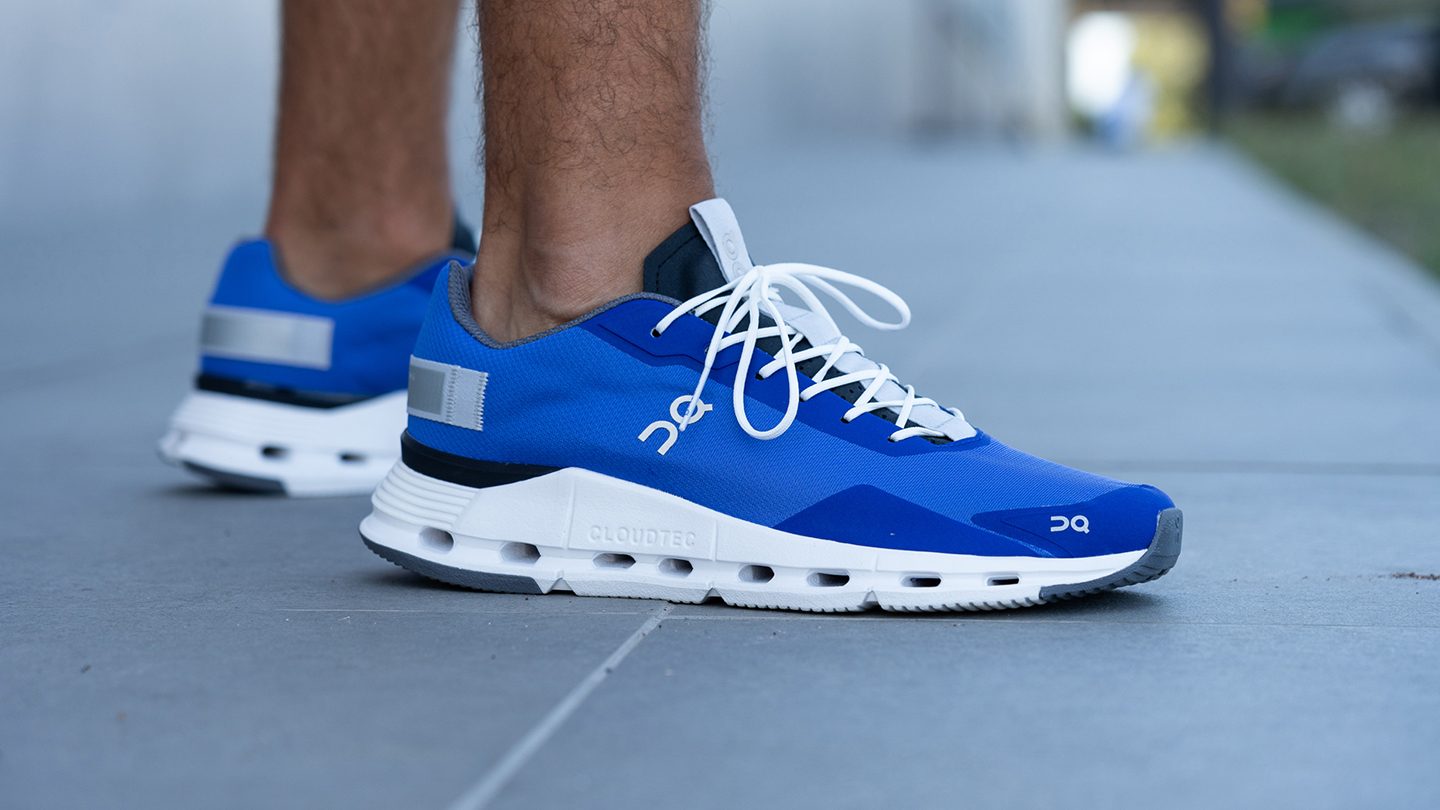
Gone are the days when practical shoes were sartorial sacrifices. The modern walking shoe has undergone a renaissance, seamlessly integrating into the fashion lexicon. This shift is echoed by designers and style commentators globally. As Tim Gunn, the iconic fashion consultant, once emphasized, “Style is about self-expression and, above all, attitude.” The attitude today is one of pragmatic elegance. Brands have meticulously deconstructed the classic sneaker and athletic silhouette, infusing them with minimalist lines, premium materials like suede and leather, and a sophisticated color palette that moves beyond stark white. Think of the sleek, monochromatic trainers seen on fashion week streets or the retro-inspired running shoes that pair as effortlessly with tailored trousers as with jeans. This evolution speaks to a broader cultural trend noted on platforms from Vogue to high-profile fashion blogs: the “athleisure” movement is not a fad but a permanent redefinition of ready-to-wear. The walking shoe sits at its core, offering a versatile anchor that is both intentional and Instagram-ready. It allows your personal style to shine, whether that’s polished and professional or casually cool, without ever asking you to compromise on the fundamental need for foot health and endurance.

Your Body’s Long-Term Investment: Beyond the First Step
Choosing a proper walking shoe is an act of preventative healthcare. The implications of poor footwear extend far beyond blisters. The American Podiatric Medical Association (APMA) consistently highlights the connection between supportive shoes and overall musculoskeletal health. Wearing shoes without adequate arch support or cushioning can alter your natural gait, leading to a chain reaction of misalignment. This can manifest as plantar fasciitis—a stabbing heel pain—shin splints, stress fractures, or even contribute to back and hip problems. Conversely, a well-fitted walking shoe acts as a stabilizing platform. It allows the 26 bones, 33 joints, and over 100 muscles, tendons, and ligaments in each foot to function as nature intended. Consider the words of renowned sports medicine specialist Dr. Jordan Metzl, author of “The Exercise Cure”: “Your feet are your foundation. If your foundation is unstable, everything above it is at risk.” Investing in a quality pair of walking shoes is, therefore, an investment in your mobility and vitality. It’s about preserving your body’s ability to move freely and painlessly for years to come, ensuring that your passion for exploration is never curtailed by avoidable physical limitations.
Finding Your Perfect Pair: A Buyer’s Guide to Informed Choice
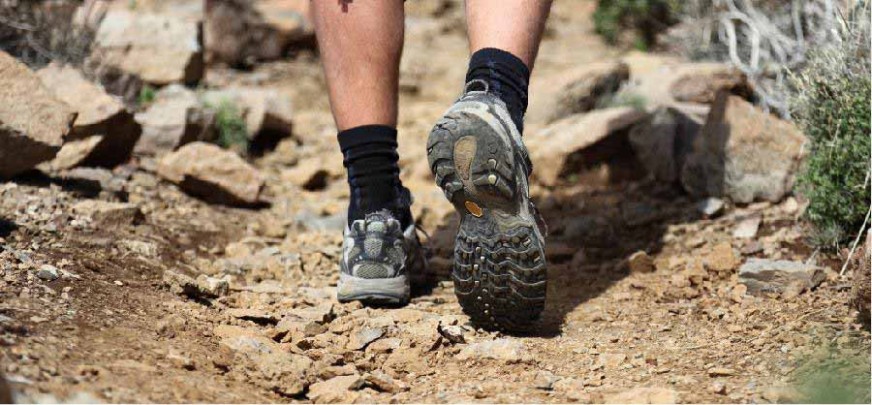
With countless options, selecting your ideal walking shoe can feel daunting. The process, however, becomes straightforward when guided by knowledge rather than marketing. First, understand your gait. Many specialty running stores offer free gait analysis, using treadmills and video to observe how your foot strikes the ground. Are you a neutral runner, an overpronator, or do you supinate (roll outward)? This single piece of information will narrow your search to shoes designed for stability, motion control, or neutral cushioning. Second, prioritize fit over size number. Your feet swell throughout the day, so shop in the afternoon. There should be about a thumb’s width of space between your longest toe and the end of the shoe. The widest part of your foot should align comfortably with the widest part of the shoe. Don’t assume you’re the same size in every brand—always try them on. Third, consider the primary terrain. A shoe built for paved surfaces will have a different outsole pattern and flexibility than one designed for light trails. Finally, listen to the wisdom of the community. Platforms like dedicated subreddits, Runner’s World shoe reviews, and in-depth analyses on sites like RunRepeat aggregate thousands of user experiences, providing real-world data on durability, comfort, and performance that transcends a manufacturer’s description.
The Expert’s Corner: Voices of Authority
To solidify the argument, let’s turn to authoritative voices that bridge the gap between niche expertise and public understanding. Their perspectives cut through the noise and highlight the universal importance of this humble piece of gear.
“We often forget that the foot is a masterpiece of engineering. A good shoe should protect this masterpiece without imprisoning it. The goal is harmony between structure and movement.”
— This sentiment, echoed by numerous podiatrists and biomechanists, finds its roots in the works of Dr. William A. Rossi, a prolific podiatry writer who spent decades advocating for footwear that respects foot anatomy.
Furthermore, the cultural shift is captured by fashion influencers. As style blogger and author Aimee Song often notes in her content, “The right sneaker or walking shoe can make an outfit feel modern and lived-in. It’s the piece that says you’re ready for anything the day throws at you, in style.” This practical yet stylish ethos is precisely what the modern walking shoe embodies.
Smart Shopping: Marrying Quality with Value
Exceptional footwear need not command an exorbitant price. The key is strategic shopping. Direct-to-consumer brands often offer high-quality materials and construction at lower price points by bypassing traditional retail markups. Signing up for newsletters from reputable retailers can give you early access to sales and exclusive discount codes. Consider previous seasons’ models; the core technology and design often remain largely unchanged, offering the same performance at a significant discount. Most importantly, view the cost through the lens of cost-per-wear. A $120 pair of walking shoes worn nearly every day for a year before being replaced breaks down to about 33 cents per day—a negligible sum for the daily comfort and joint protection they provide. This investment pales in comparison to the potential cost, both financial and personal, of dealing with a foot injury caused by inadequate footwear. By being an informed consumer, you secure not just a product, but a partnership with a tool designed to enhance your daily life.
The journey to effortless style and unwavering comfort begins from the ground up. The modern walking shoe is the culmination of biomechanical science, design innovation, and a cultural shift towards intelligent living. It is a testament to the idea that what supports you physically can also elevate you aesthetically. By choosing a shoe that aligns with your body’s mechanics and your personal style, you are not just making a purchase; you are adopting a secret weapon for a more active, confident, and pain-free life. Let your next step be your most supported and stylish one yet.
