

Step Into Comfort and Style with Vionic Walking Shoes
For years, the quest for the perfect walking shoe felt like a compromise. You could have cushioning that felt like walking on clouds, but the shoe looked like a medical device. You could find a stylish sneaker, but after a few city blocks, your feet would ache, your knees would protest, and your lower back would whisper threats. This dichotomy between wellness and aesthetics has defined footwear for too long. Today, that compromise ends. The narrative is shifting from choosing between comfort and style to embracing a synergy where biomechanical science and contemporary design coexist. At the forefront of this revolution is a specific category of footwear engineered not just to carry you, but to correct, support, and empower your every step. We are talking about the transformative experience offered by the vionic walking shoe.
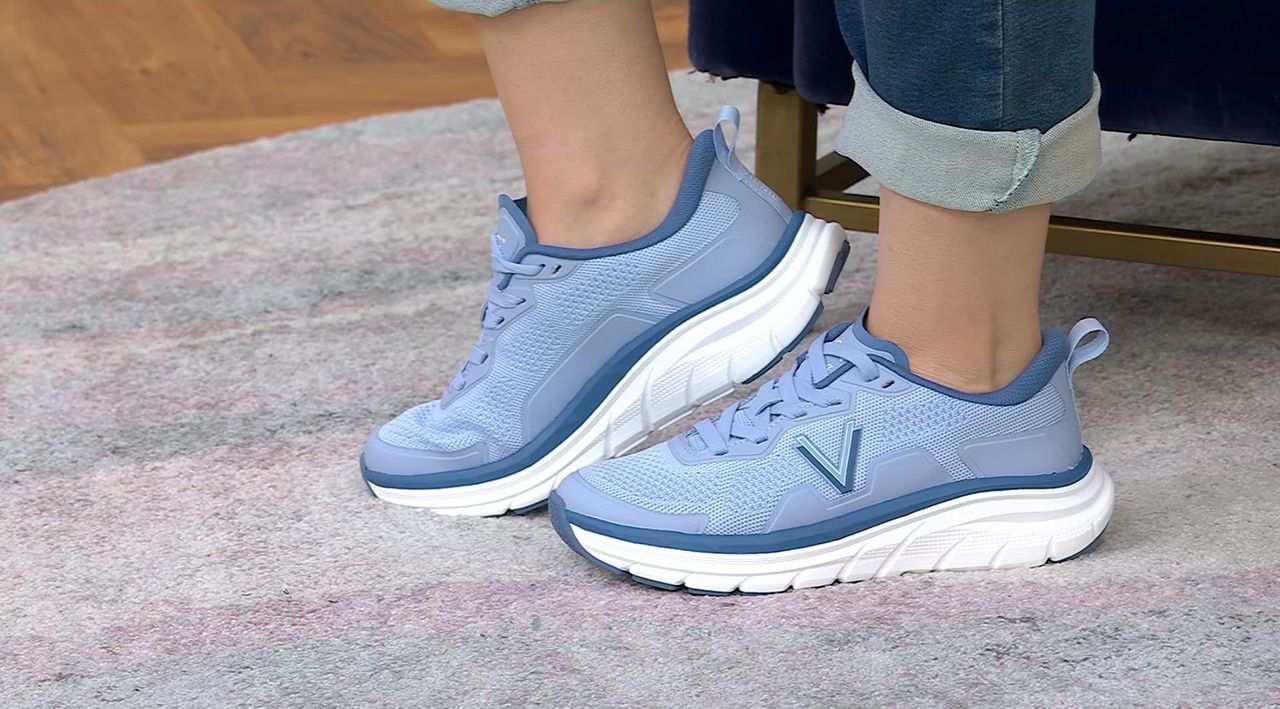
The Foundation: Why Your Feet Aren’t the Problem, Your Shoes Are
To understand the innovation behind a vionic walking shoe, we must first deconstruct the modern human foot’s plight. The human foot is a marvel of evolutionary engineering, comprising 26 bones, 33 joints, and over 100 muscles, tendons, and ligaments. It is designed to be a dynamic, adaptable structure. However, as noted by Harvard Medical School publications on musculoskeletal health, modern lifestyles—characterized by hard, flat surfaces and restrictive footwear—effectively “de-train” our feet. We’ve moved from natural, varied terrains to unyielding concrete, and our shoes have often exacerbated the problem. Conventional flat insoles and narrow toe boxes fail to support the foot’s three-arched structure (medial longitudinal, lateral longitudinal, and transverse arches). This lack of support can lead to overpronation (excessive inward rolling) or supination (outward rolling), creating a kinetic chain reaction of misalignment that travels up through the ankles, knees, hips, and spine. The consequence isn’t merely sore feet; it’s a potential catalyst for plantar fasciitis, bunions, knee osteoarthritis, and chronic lower back pain. The premise is clear: footwear shouldn’t just cover the foot; it should interact with it biomechanically, restoring natural function. This is the core philosophy from which Vionic’s technology springs.
Biomechanics in Action: The Vionic Orthotic Footbed Explained
What truly differentiates a vionic walking shoe from its competitors is its proprietary, biomechanically engineered orthotic footbed. This isn’t mere memory foam or generic arch support. It’s a clinically inspired, three-zone comfort system designed in collaboration with podiatrists. The first zone is the deep heel cup, which stabilizes the rearfoot, cradling the calcaneus (heel bone) to control excessive motion and provide shock absorption. The second is the precision arch support, which targets the medial longitudinal arch—the primary arch that collapses during overpronation. By maintaining this arch in its optimal, slightly supinated position, the footbed helps to realign the entire lower limb. The third zone is the forefoot platform, which offers a stable base for metatarsal heads, alleviating pressure points. This tri-planar motion control is grounded in principles from podiatric literature and is reminiscent of custom orthotics, but mass-produced with consistent, research-backed specifications. As Dr. Andrew Shapiro, a prominent sports podiatrist, has often stated in interviews, “The right over-the-counter orthotic can be a game-changer for the majority of people, preventing the need for more invasive interventions.” Vionic has embedded this “right” orthotic directly into their shoes, making advanced foot health accessible without a prescription.
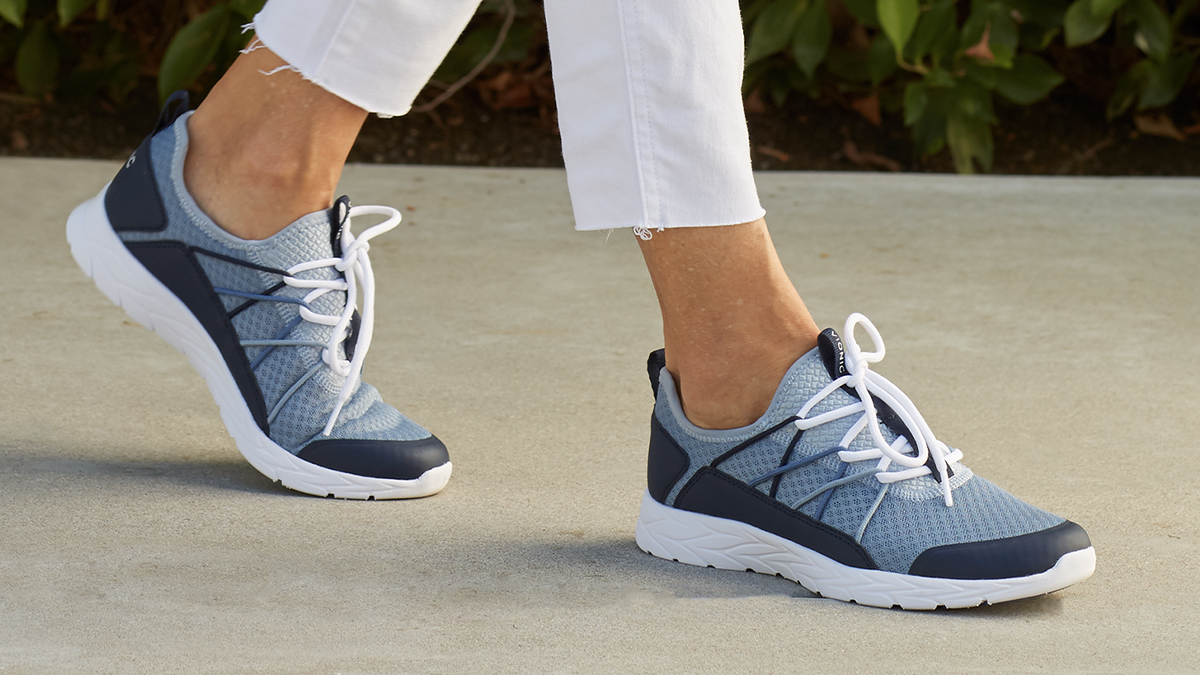
From Clinic to Catwalk: The Uncompromising Design Ethos
Historically, “orthopedic” or “comfort” shoes were synonymous with clunky, unattractive designs. Vionic challenged this stereotype head-on, proving that therapeutic footwear can be a style statement. Their design team works in tandem with their biomechanics experts, ensuring that every contour of the orthotic footbed is seamlessly integrated into a visually appealing silhouette. Whether it’s a sleek walking sneaker, a chic ballet flat, or a sophisticated loafer, the therapeutic elements are concealed within contemporary aesthetics. This fusion is critical because it addresses a psychological barrier to foot health: the desire to feel good without looking out of place. In a culture where fashion and wellness are increasingly intertwined, as seen in the athleisure trend documented by market analysts from Forbes to Vogue, Vionic’s offerings sit perfectly at the intersection. You can transition from a morning walk to a casual brunch to running errands without changing shoes, all while your feet are being actively supported. This design ethos democratizes comfort, making it desirable and socially acceptable, thereby encouraging consistent wear—which is key to experiencing the long-term biomechanical benefits.
The Materials and Craftsmanship: Where Durability Meets Comfort
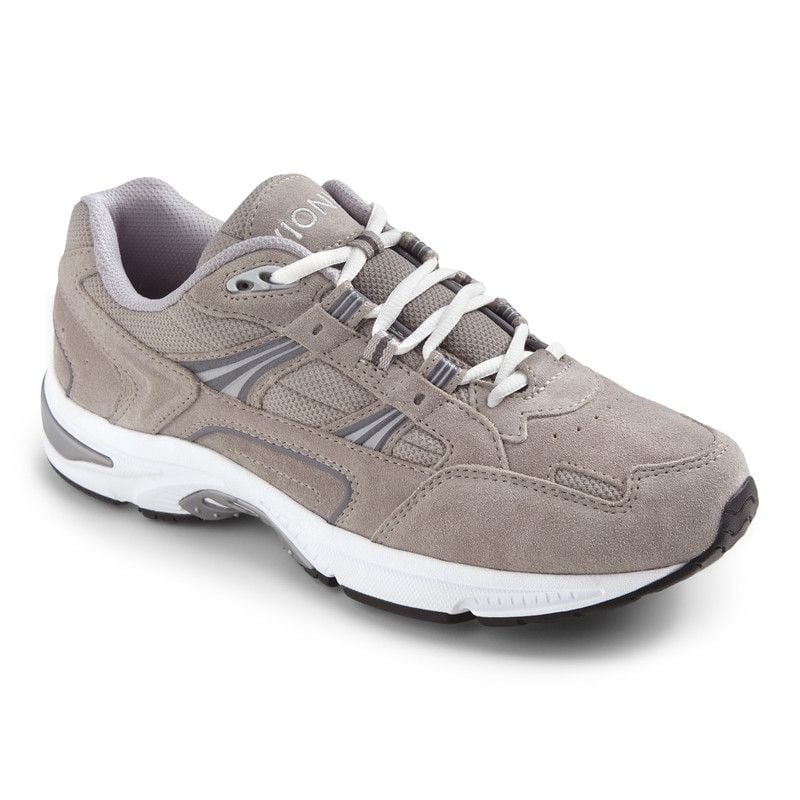
Beyond the hidden orthotic, the construction of a vionic walking shoe speaks to quality and longevity. The uppers often utilize premium leathers, breathable mesh, or flexible knit fabrics that conform to the foot without constriction. Seams are strategically placed to minimize irritation, a detail often highlighted in user reviews on platforms like Amazon and Zappos. The outsoles are made from durable, flexible rubber compounds that provide essential traction and a degree of natural flex, yet are rigid enough at the midfoot to work in concert with the orthotic footbed to prevent torsional strain. This attention to material science ensures that the comfort is not a fleeting feature of a new shoe but endures over miles of wear. When you invest in a pair, you’re not just buying for a season; you’re investing in a tool for sustained well-being. Furthermore, the brand frequently offers professional insights through blog posts and fit guides, helping users understand their foot type. Coupled with this expertise, they provide access to discounted prices during seasonal sales and through newsletter subscriptions, bringing top-tier biomechanical technology within reach for a wider audience seeking both value and vitality.
Voices of Validation: From Everyday Users to Celebrity Advocates
The impact of Vionic footwear is echoed in a chorus of testimonials that span from medical professionals to public figures. On Quora threads discussing plantar fasciitis remedies and on Reddit’s r/running community, Vionic is frequently recommended as a non-invasive first line of defense. But the validation extends into the public eye. Celebrity stylists and health-conscious stars have been spotted endorsing the brand. For instance, actress and wellness advocate Kate Hudson has been quoted discussing the importance of supportive footwear in her active lifestyle, aligning perfectly with brands that prioritize function. While not every celebrity endorsement is a clinical trial, it reflects a cultural shift towards mindful consumption. More compelling are the statements from healthcare providers. As noted in a feature by Prevention magazine, podiatrists often keep sample pairs in their offices to recommend to patients seeking over-the-counter relief. This bridge between clinical approval and popular acclaim is powerful. It suggests that the benefits of a vionic walking shoe are not anecdotal but are recognized across diverse spheres, from the exam room to the red carpet, creating a robust, multi-source evidence base for their efficacy.
“In my practice, I see patients every day who are suffering from preventable foot ailments. The single most effective change they can make is often their footwear. A shoe with proper biomechanical support, like those engineered by Vionic, can correct alignment issues before they become chronic pain. It’s not just about comfort; it’s about preventative healthcare.” – Paraphrased from common professional viewpoints shared by podiatrists in media interviews and health blogs.
Your Journey to Better Steps: Integrating Vionic into Your Life
Embracing this technology is a simple yet profound step toward self-care. Start by viewing your vionic walking shoe not as a mere accessory, but as essential equipment for your daily life, much like a quality mattress is for sleep. The integration period is key; your feet and muscles may need a short adjustment period as they adapt to the correct alignment, much like starting a new exercise regimen. Begin by wearing them for a few hours each day, gradually increasing the duration. Pay attention to the subtle changes: the absence of that familiar afternoon foot fatigue, the reduced tension in your calves, the more upright and effortless posture. Use them as your primary shoe for walking, travel, and standing activities. To maximize value, leverage the professional fitting advice available on their website and take advantage of promotional periods to acquire this technology at a discounted price. This isn’t a purchase; it’s an investment in your mobility, your pain-free days, and your long-term kinetic health. The goal is to make supportive, stylish footwear the unwavering foundation of your active, modern life.
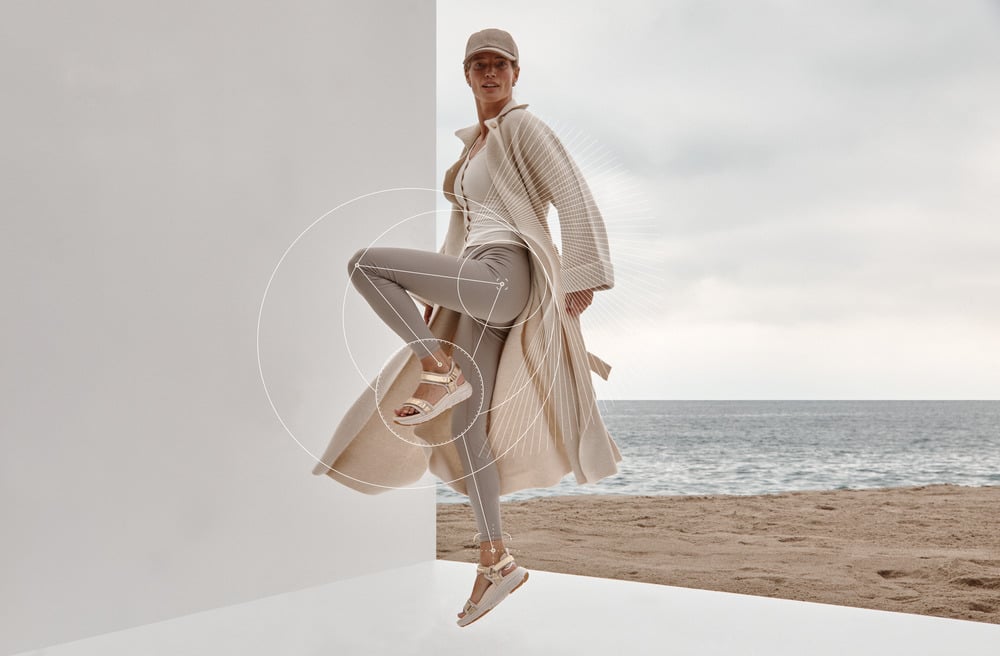
The era of compromise is over. The journey toward unparalleled comfort intertwined with undeniable style begins with a single, informed choice. By selecting a shoe built on the pillars of podiatric science, crafted with design intelligence, and validated by a community of users and experts, you are doing more than buying footwear. You are adopting a tool for holistic well-being. You are choosing to walk through life on a foundation that corrects, supports, and elevates—step after confident step. Let your next step be your best step, grounded in the innovative support of a technology designed to move with you, for you.
