

The Ultimate Statement Piece for Every Season
In the ever-evolving lexicon of fashion, few items possess the raw, untamed power to transcend trends, seasons, and even personal style revolutions quite like a pair of cheetah print heels. They are not merely footwear; they are an assertion, a punctuation mark at the end of a sartorial sentence. This article posits that these heels are the singular, non-negotiable cornerstone of a dynamic wardrobe, a piece that injects instant narrative and sophisticated edge into any ensemble, regardless of the weather outside your window. Their versatility is not anecdotal but rooted in design theory, cultural history, and psychological impact. We will dissect this phenomenon, moving beyond subjective taste to explore the objective principles that make the leopard-print stiletto or block heel a perennial powerhouse.
The Primal Print: A Brief Scientific and Historical Unpacking
To understand the enduring appeal, one must first deconstruct the print itself. Scientifically, the pattern we colloquially call “leopard print” (and by extension, the more precise cheetah spot) is a form of disruptive coloration. In nature, as explained by biologists and documented on resources like Wikipedia, this patterning breaks up an animal’s outline, providing camouflage. In fashion, it performs the inverse function: it attracts, disrupts, and commands attention. This biological borrowing taps into deep-seated human psychology. As noted by cultural historians, wearing animal prints has, across centuries and civilizations, been an act of sartorial power-dressing—donning the skin, or the illusion of the skin, of a predator to embody its attributes: strength, agility, and untamed elegance. From the flappers of the 1920s to the iconic glamour of Christian Dior’s New Look accessorized with fur stoles, the print has signified a rebellious, confident femininity. It is this rich, symbolic baggage that a pair of cheetah print heels carries with every step.
Seasonal Alchemy: Transforming the Ordinary with a Single Element
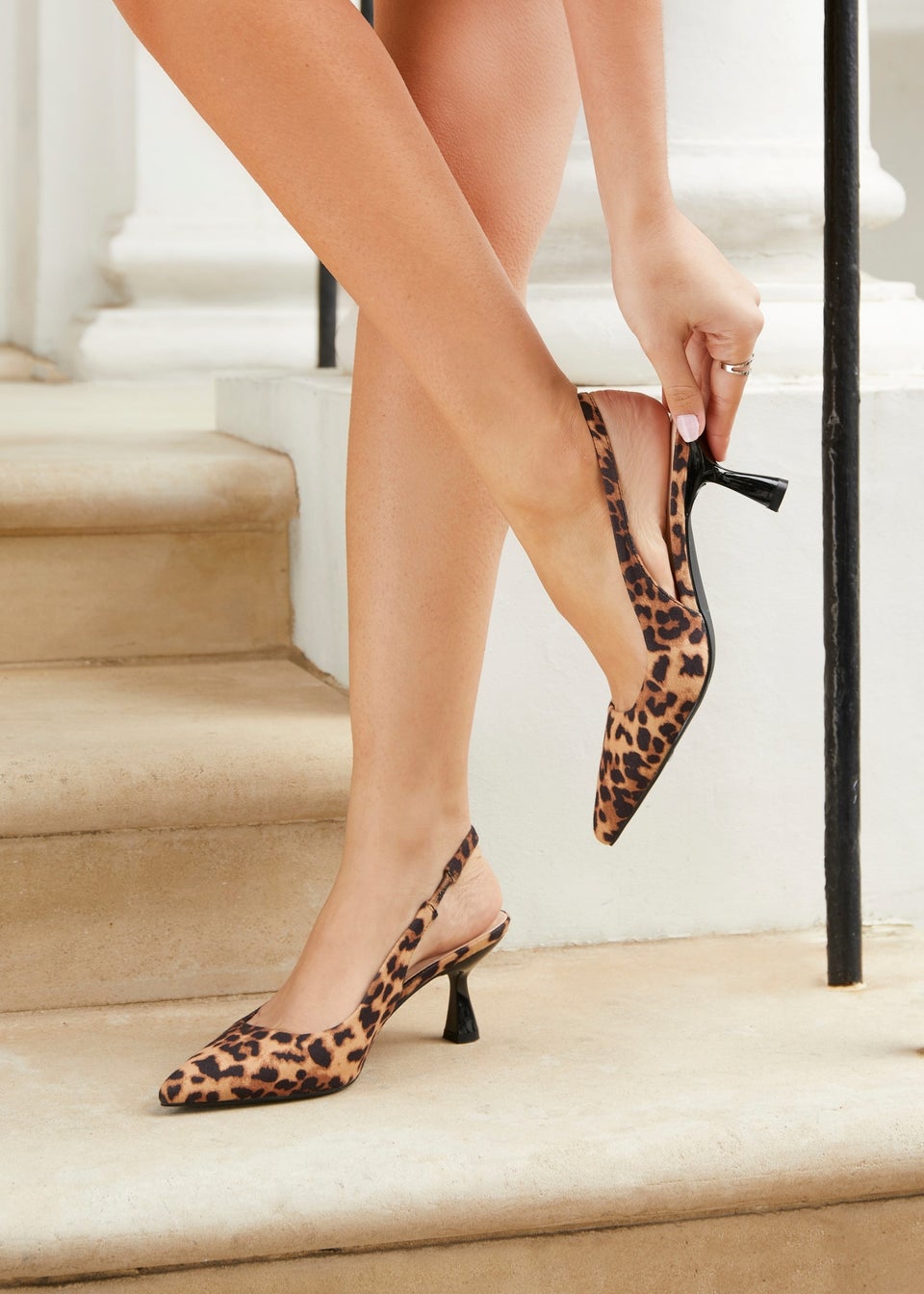
The true magic of this piece lies in its chameleonic ability to converse with every season. In spring, pair a simple ivory linen dress with a pair of kitten-heel cheetah print heels. The print grounds the ethereal fabric, preventing it from floating into blandness, while the lower heel offers practicality for garden parties or brunch. The contrast is deliberate and modern. Summer’s uniform of crisp white jeans and a black tank top is a canvas begging for intervention. Enter the sandal-style leopard heel. Suddenly, the basic outfit is catapulted into the realm of off-duty model chic, perfect for a rooftop cocktail. Autumn calls for layering, textures, and depth. Here, a suede block-heel version in the classic print complements tweed blazers, wool skirts, and rich burgundies. It adds a layer of visual interest without competing, its earthy tones belonging naturally to the fall palette. Winter, often dominated by monochrome and heavy fabrics, is perhaps the most dramatic stage. A sharp, pointed-toe leopard pump against a stark black turtleneck and tailored trousers is a masterclass in controlled chaos. The print becomes a focal point of warmth and energy against the cold-weather minimalism. As fashion commentator and author Vanessa Friedman once articulated, the best trends are those that offer a point of view, and leopard print consistently provides “a point of view that is both bold and assimilable.” This seasonal versatility is not a happy accident but a result of the print’s neutral-yet-energetic color profile and organic, non-geometric pattern, which allows it to harmonize with both structured and fluid silhouettes.
The Authority of the Accent: Psychological and Stylistic Impact
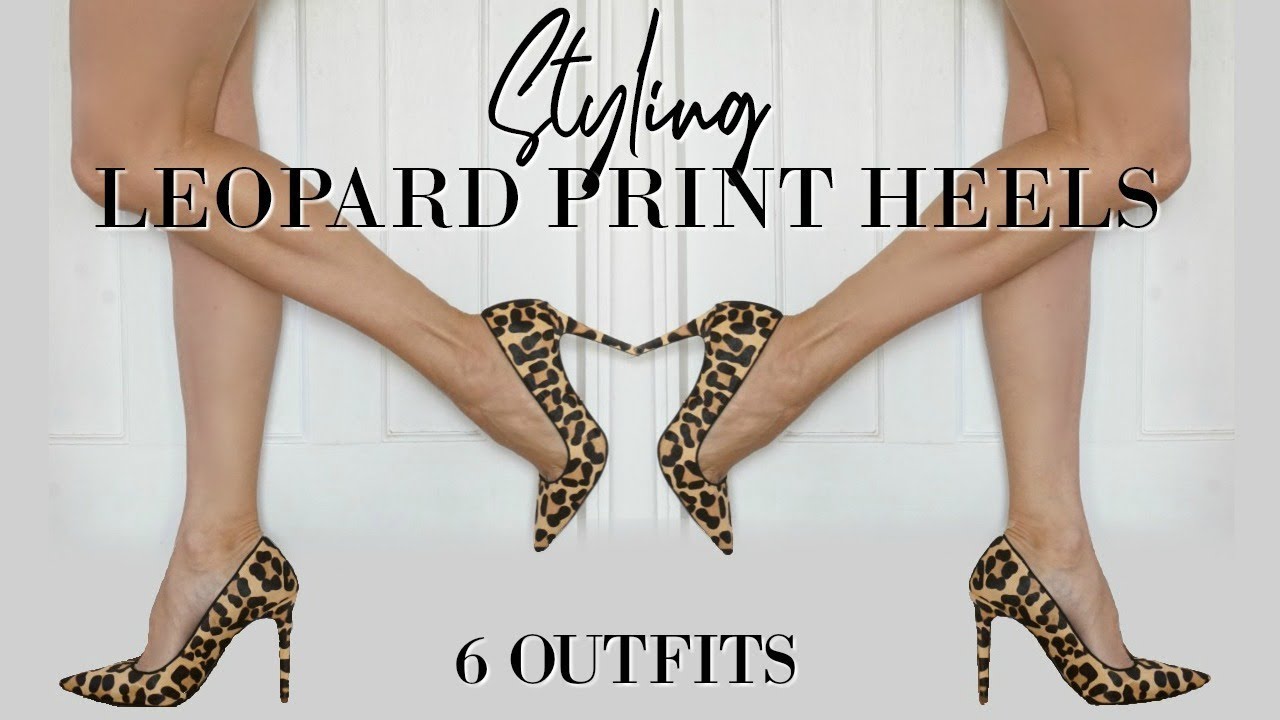
From a third-person perspective, observing an individual wearing these heels reveals their transformative power. They act as what stylists term an “anchor” or “accent” piece. In design principles taught at institutions like Parsons School of Design, an accent is a concentrated element of high contrast used to create a focal point. A cheetah print heel performs this function flawlessly within an outfit. It draws the eye, provides a narrative hook, and elevates every other item worn with it. Psychologically, this has a profound effect on both the wearer and the observer. For the wearer, it can induce what social psychologists call “enclothed cognition”—the systematic influence that clothes have on the wearer’s psychological processes. Slipping on these heels can shift one’s posture, gait, and mindset towards greater confidence and assertiveness. For the observer, it signals creativity, confidence, and a mastery of style rules with the willingness to bend them. It’s a non-verbal cue of sartorial intelligence. As the iconic designer Diane von Fürstenberg famously stated, “Style is something each of us already has, all we need to do is find it.” For many, that discovery moment is often catalyzed by a bold, defining piece like this.
Investment Logic: Cost-Per-Wear and Timeless Value
Let us now speak directly to you, the savvy shopper. In an era of fast fashion, the rationale for investing in a quality pair of statement heels is grounded in pure economics: cost-per-wear. A fleeting trend shoe worn three times before becoming obsolete carries a high emotional and financial cost. A masterfully crafted pair of cheetah print heels, however, is a perennial. Its design immunity to seasonal flux means it can be deployed dozens, if not hundreds, of times across years, with its value amortizing with each wear. The initial outlay is not for a “shoe,” but for a wardrobe engine. Furthermore, the current market offers incredible access to this luxury. Direct-to-consumer brands and strategic sales from premium retailers have democratized quality. You can now find heels with genuine leather uppers, sturdy metal hardware, and comfortable, well-engineered heels—the hallmarks of longevity—at accessible price points, especially during seasonal sales or through member-exclusive discounts. This isn’t about impulsive spending; it’s about strategic wardrobe acquisition. The professional knowledge here is simple: a neutral pump is a workhorse, but a leopard print pump is a workhorse that wins races.
Curating Your Signature: A Practical Guide to Selection and Styling
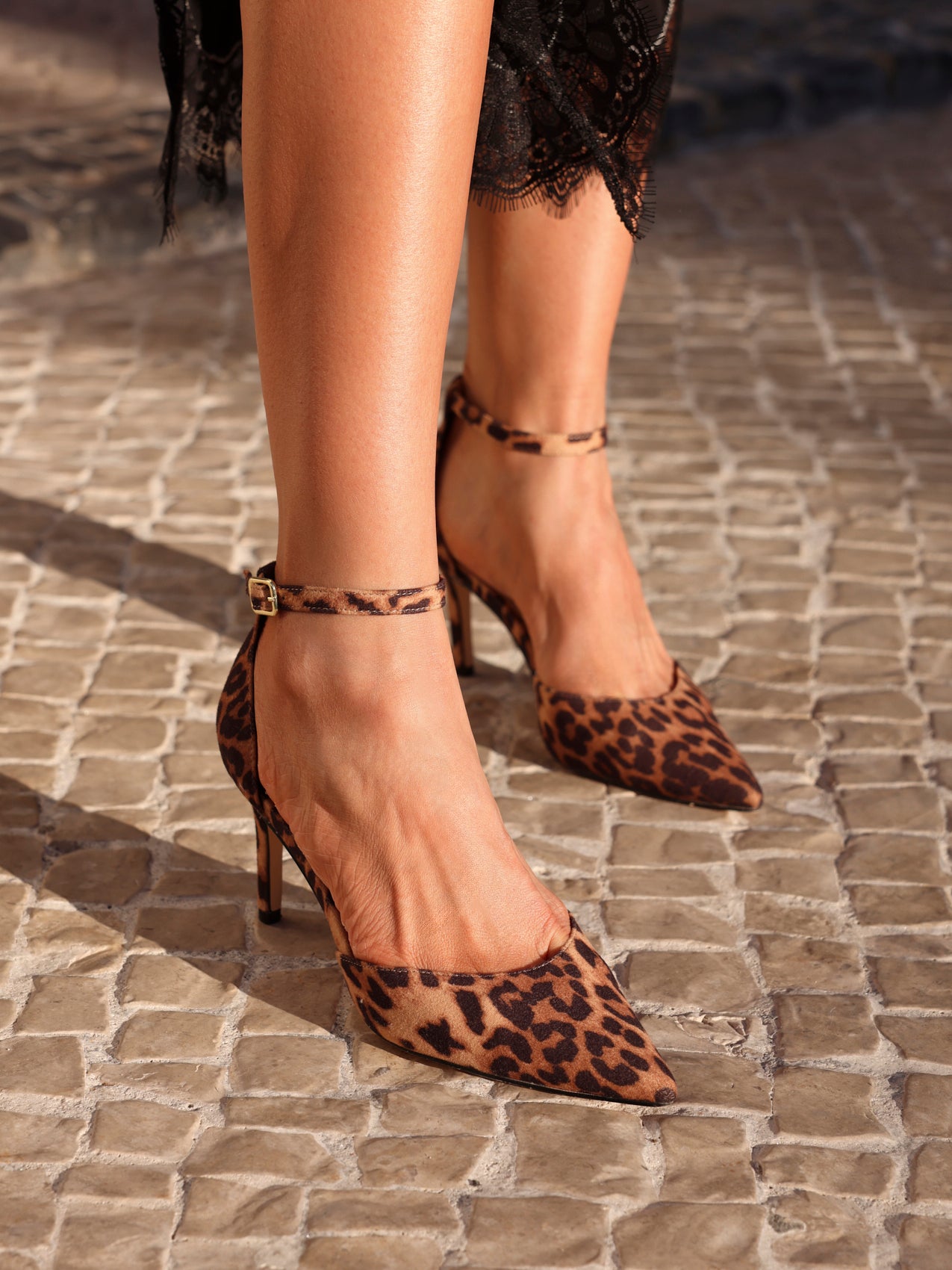
Your journey begins with selection. The key is to find your iteration of the theme. The spectrum ranges from the hyper-realistic, high-contrast spots to more abstract, watercolor or tonal interpretations. Consider your existing wardrobe’s color temperature. A classic gold-and-black pair is universally flattering. A cooler, black-and-white version might suit a more minimalist palette. The heel height is your personal manifesto: a towering stiletto for unabashed drama, a chunky block for grounded power, or a sleek kitten heel for subtle, intelligent flair. Once acquired, styling is an exercise in balance. The golden rule: let the heels be the star. Anchor them with solid, neutral foundations—black, white, navy, denim, camel. This creates a “frame” for the statement. For the audacious, a clash of prints can be sublime, but it requires scale differentiation; pair the small, busy cheetah spot with a large, flowing floral or a wide stripe. Textural play is your ally: the softness of cashmere against the visual punch of the print, the rigidity of leather pants against the curve of a heel. Remember the words of style pioneer Coco Chanel, “Fashion fades, only style remains the same.” These heels are a conduit to that enduring style.

Therefore, to relegate the cheetah print heels to the category of a mere trend or a risky novelty is to profoundly misunderstand their function in the architecture of style. They are a fundamental. They are the exclamation point that can redefine a declarative sentence, the catalyst that transforms a uniform into a uniform of your own making. They harness a primal visual language, obey the principles of versatile design, empower through psychological association, and justify themselves through relentless utility. In every season, under every sky, they offer not just a step, but a stance.
