

The Walking Shoe: Your Secret Weapon for Effortless Style and All-Day Comfort
In the rhythm of modern life, where every step counts, the right footwear is not merely an accessory but a foundational element of daily existence. It bridges the gap between intention and action, between a planned day and a day fully lived. The unassuming walking shoe has evolved from a purely functional item into this very secret weapon—a tool that masterfully blends biomechanical support with aesthetic sensibility. This is not about following a fleeting trend; it is about embracing a piece of engineered apparel that actively contributes to your well-being and confidence. The right pair doesn’t just carry you; it propels you forward with grace and resilience, making the miles feel like moments and the urban landscape feel like a personal runway.
The Anatomy of All-Day Comfort: More Than Just Soft Soles
To understand why a dedicated walking shoe is transformative, we must dissect its architecture. Comfort, in this context, is a scientific pursuit, not a subjective feeling. It begins with midsole cushioning, typically crafted from advanced materials like ethylene-vinyl acetate (EVA) or polyurethane (PU). According to biomechanics literature from institutions like the University of Calgary’s Human Performance Laboratory, the midsole’s primary role is to attenuate ground reaction forces—the shock that travels up your skeleton with each heel strike. A study often cited in podiatric circles notes that during a typical day, your feet absorb a cumulative force equivalent to several hundred tons. Without proper cushioning, this repetitive loading can lead to joint stress, plantar fasciitis, and chronic fatigue. But the science goes deeper. The ankle collar and heel counter work in tandem to provide stability, preventing excessive pronation or supination—the inward or outward rolling of the foot that disrupts kinetic alignment from the ankle to the lower back. As renowned orthopedic surgeon Dr. Nicholas A. Campitelli has stated in various medical publications, “A stable heel is the cornerstone of a functional gait cycle.” Furthermore, the toe box must allow for natural splay and flexion. The famous “Harvard Barefoot Running Study,” while focused on running, underscored the importance of foot musculature engagement, which is facilitated by a roomy, non-constrictive forefoot design even in cushioned shoes. A true walking-specific design prioritizes a smooth heel-to-toe transition, often with a slightly beveled heel and flexible forefoot, encouraging a natural rolling motion that conserves energy. This intricate symphony of components is what separates a true walking shoe from a casual sneaker or a running shoe repurposed for the task.
Where Biomechanics Meets Aesthetics: The Style Equation
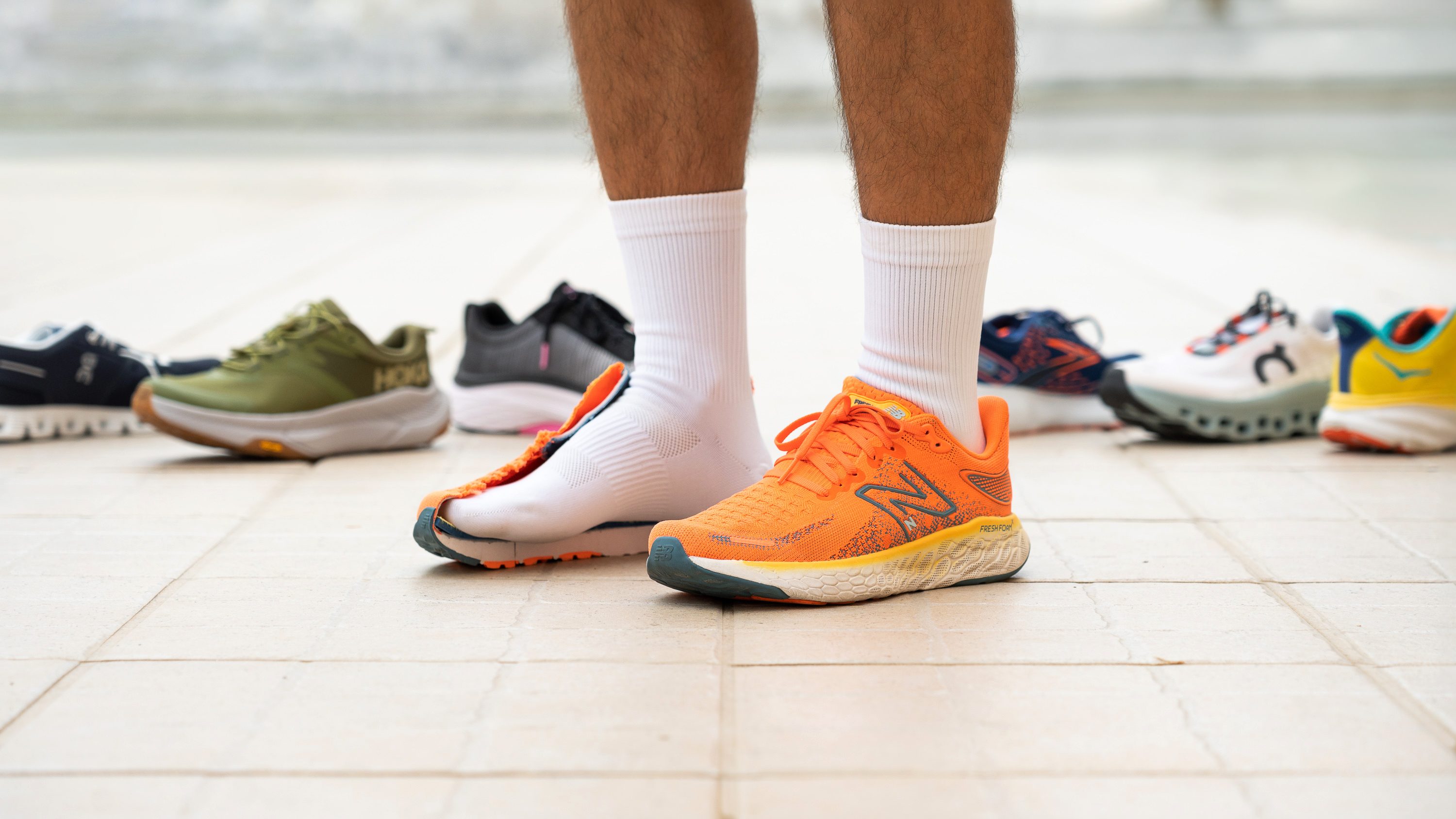
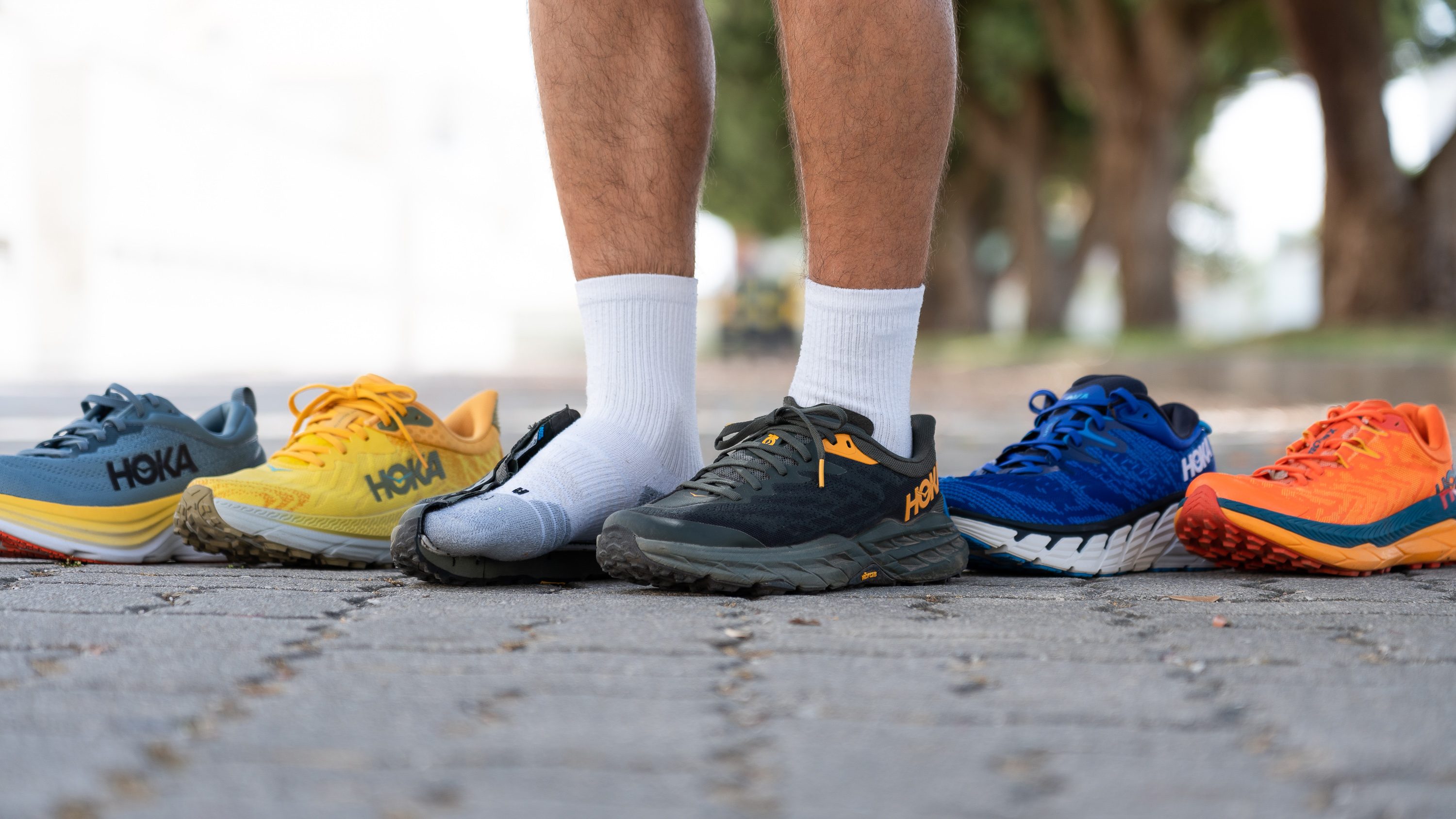
For decades, a false dichotomy existed: shoes were either comfortable or stylish. The contemporary walking shoe dismantles this notion entirely. The evolution in design philosophy is evident. Take, for instance, the rise of brands like Hoka One One and their “maximalist” cushioning, which first gained fame among ultrarunners. The distinctive, chunky sole, once considered purely technical, was adopted by high-fashion runways and streetwear icons, validating its aesthetic appeal. This mirrors a broader cultural shift documented in publications like Vogue Business, where “performance luxury” and “technical wear” have become dominant trends. The aesthetic isn’t an afterthought; it’s integrated. Sleek, monochromatic uppers made from engineered knits or sustainable recycled materials offer a minimalist, modern look that pairs seamlessly with tailored trousers, dresses, or denim. The color palettes have moved beyond stark white or grey to include earthy tones, muted pastels, and bold accents, allowing for personal expression. As designer and creative director Virgil Abloh once discussed in an interview with SSENSE, “The future of fashion is in the hybrid, in the space between categories.” The walking shoe sits squarely in this hybrid space. Its style is derived from its honesty of purpose—the visible cushioning, the structured heel, the breathable mesh—all become design features. They signal an informed, active, and intentional lifestyle. Wearing them doesn’t say, “I just came from the gym”; it says, “I am prepared for anything the day brings, and I value both form and function.” This is effortless style because it is authentic, born from engineering rather than applied as decoration.
The Long-Term Investment: Your Body’s Infrastructure
Viewing a premium walking shoe as an expense is a short-sighted approach; it is, in fact, a critical investment in your physical infrastructure. Consider the analogy from Tim Ferriss’s book, The 4-Hour Body, where he emphasizes optimizing the “fundamentals” of sleep, diet, and movement for compound gains in all areas of life. Your feet are the fundamental base of your movement ecosystem. Compromising on their support has a cascading effect. The American Podiatric Medical Association (APMA) grants its Seal of Acceptance to footwear that meets rigorous standards for promoting good foot health. Many advanced walking shoes carry this seal, which is a testament to their preventative design. The cost of neglecting this is high, both in terms of pain and financial outlay. Physical therapy for plantar fasciitis, orthotics, and treatments for knee or hip pain stemming from gait issues far exceed the price of a quality pair of shoes. Furthermore, the durability of materials matters. A shoe with a carbon rubber outsole and high-density foam will maintain its structural integrity and cushioning properties over 500 miles or more, whereas a cheaper alternative may compress and break down within a few months, offering diminishing returns with every step. As financial author Morgan Housel might frame it, this is about “getting the physics right”—investing in the correct tool for the job yields exponential long-term benefits. The right shoe enhances your mobility, preserves your joints, and by reducing fatigue, increases your capacity for activity and enjoyment. It’s an investment that pays dividends in every step you take, today and for years to come.
Selecting Your Secret Weapon: A Practical Guide
Knowing you need a great pair is the first step; selecting the right one is the next. This process should be as intentional as the design of the shoe itself. First, analyze your gait. Many specialty running and walking stores offer free gait analysis. Understanding if you have a neutral stride, overpronate, or underpronate (supinate) is crucial, as it dictates the level of stability or motion control you require. Second, prioritize fit over size. Your shoe size can change over time, and sizing varies by brand. Your feet swell throughout the day, so shop in the afternoon. There should be about a thumb’s width of space between your longest toe and the end of the shoe. The widest part of your foot should align with the widest part of the shoe. Third, match the shoe to your primary terrain. Are you mostly on paved city streets, park trails, or hard indoor floors? A road-walking shoe will have more cushioning and a smoother outsole, while a hybrid might have a slightly more lugged pattern for light gravel. Fourth, don’t ignore the sockliner and insole. Some premium walking shoes come with removable orthotic-style insoles that provide arch support and heel cupping. These can often be replaced with custom orthotics if needed. Finally, test them intelligently. Walk on a hard surface in the store, not just carpet. Pay attention to any immediate pressure points or slippage. Remember, the most expensive model isn’t necessarily the best for you; the best shoe is the one that disappears on your foot, allowing you to move without a second thought.
The Cycle of Renewal: Knowing When to Let Go
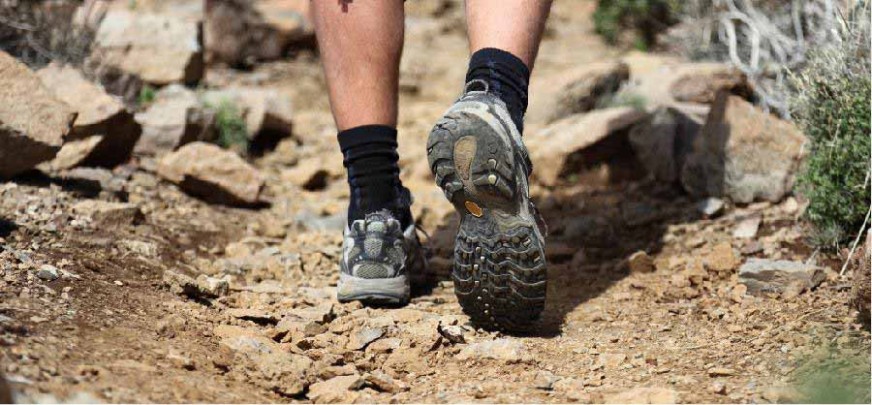
Even the finest walking shoe has a finite service life. Continuing to wear worn-out shoes is one of the most common, yet easily avoidable, mistakes that can lead to injury. The cushioning materials lose their resiliency, the support structures break down, and the outsole tread wears smooth, compromising traction. The general rule of thumb from organizations like the American Council on Exercise is to replace walking shoes every 300 to 500 miles. For the average person walking 30 minutes a day, this translates to roughly every six to nine months. However, you must also be a detective for your own shoes. Visually inspect the outsole for asymmetrical wear patterns or smooth, bald spots. Press your thumb into the midsole—if it feels hard and unyielding with little rebound, the cushioning is dead. Examine the upper for excessive stretching or tearing, and check if the heel counter has become soft and collapsible. Listen to your body. An increase in general foot or leg fatigue, shin splints, or new, unexplained aches can be a signal from your body that its foundation is failing. Replacing your shoes proactively is a non-negotiable aspect of the commitment to comfort and health. It’s not a failure of the product; it’s a celebration of the miles you’ve conquered and a preparation for the miles to come.
:max_bytes(150000):strip_icc()/when-should-i-replace-my-walking-shoes-3436325-0801-7a1840d83573471092e0380f9e230ecc.jpg)
The pursuit of a life well-lived is often found in the details, in the choices that support our grand ambitions. Choosing the perfect walking shoe is one of those definitive choices. It is a declaration that you value the journey as much as the destination, that your comfort is not a luxury but a prerequisite, and that true style is inseparable from intelligent design. This secret weapon is already waiting, a fusion of science and art designed to turn every pavement into a path of possibility. Your next step, supported, stylish, and assured, is the only one that matters.
