

How to Style 80s Sneakers for a Modern Wardrobe
The resurgence of 80s sneakers is more than a fleeting trend; it’s a testament to their foundational design and cultural staying power. Integrating these iconic silhouettes into a contemporary wardrobe isn’t about costume dressing, but about harnessing their inherent energy and architectural form to create looks that are both nostalgic and sharply modern. This guide moves beyond simple pairing to explore the philosophy of blending decades, offering a scientific and stylistic breakdown of how to make these statement pieces work for you today.
The Enduring Architecture of 80s Sneaker Design
To style 80s sneakers effectively, one must first understand what defines them. The 1980s marked a technological and cultural revolution in athletic footwear. Brands moved beyond basic canvas and rubber, introducing advanced cushioning systems like Nike’s Air and Adidas’s Torsion, synthetic leathers, mesh panels, and bold, often geometric, color blocking. According to design historians, this era shifted sneakers from purely functional sportswear to complex symbols of identity, technology, and aspiration. The silhouettes became bulkier, more sculptural, and visually assertive—think of the Nike Air Max 1 with its visible air unit, the Reebok Freestyle Hi, or the Adidas Micropacer with its built-in microchip. This “architectural” quality is key. When we look at a modern wardrobe, which often leans towards minimalist lines and neutral palettes, the 80s sneakers act as a deliberate, structured counterpoint. They are not just shoes; they are the foundational element upon which a balanced, interesting outfit is built. Their complexity demands simplicity elsewhere, creating a dynamic visual tension that is the hallmark of modern styling.

Principle 1: The Foundation of Contrast
The most potent tool in your styling arsenal is contrast. The inherent boldness of 80s sneakers—whether through color, volume, or texture—is best highlighted by placing them against a backdrop of understated clothing. This is not merely an opinion but a principle drawn from visual design theory, which emphasizes the use of focal points to create hierarchy and interest. For a pair of vibrant, multi-colored Nike Air Jordan 1s, the ideal companion is not more competing patterns, but a canvas of neutral tones. Imagine tailored, loose-fit stone-colored trousers, a simple white oversized t-shirt, and a well-structured blazer in navy or black. The outfit’s simplicity directs all attention to the shoes, allowing them to sing without creating visual noise. Similarly, a chunky, monochromatic pair like the Reebok Club C or the Nike Air Force 1 can be paired with sleek, minimalist ensembles—think a slip dress in a solid color, or slim black jeans with a fitted turtleneck. The contrast here is between the shoe’s substantial silhouette and the clothing’s clean lines. As fashion commentator Tim Blanks once noted on Business of Fashion, “The power of the sneaker in high-fashion contexts comes from its disruptive texture and proportion.” By mastering contrast, you allow the sneaker to be that deliberate disruption, transforming your entire look from basic to considered.
Principle 2: Silhouette Synergy and Proportional Play
While contrast is crucial, synergy in silhouette is what makes an outfit feel cohesive. The bulky nature of many 80s sneakers requires thoughtful consideration of volume elsewhere in your outfit. The outdated “skinny jeans with chunky sneakers” look often creates a disproportionate, top-heavy effect. Modern styling advocates for balance. Wide-leg or straight-leg trousers are a perfect partner, as their volume from the waist down creates a harmonious line that meets the substantial shoe. Cargo pants, with their utilitarian roots echoing the sneakers’ athletic heritage, also work exceptionally well. For skirts and dresses, consider lengths and cuts that complement the sneaker’s weight. A midi skirt or a relaxed shirt dress provides enough fabric and structure to balance the chunkiness below, preventing the look from becoming twee. This approach is supported by the principles of proportion in dress, often taught in university fashion programs, which stress creating a balanced visual line from head to toe. The goal is to let the sneaker integrate into the outfit’s architecture, not stick out as an isolated element. Playing with proportion also means sometimes breaking the “rules”—pairing a delicate slip dress with aggressive sneakers creates a fascinating, modern tension that is entirely intentional.

Beyond Jeans and Tees: Contextual Reimagining
The true test of a garment’s versatility is its ability to cross contextual boundaries. 80s sneakers pass this test with flying colors, moving seamlessly from casual weekend wear to smart-casual and even creative professional settings. The key is in the reimagining of the “suit.” A tailored suit, once the bastion of formal leather shoes, is utterly refreshed when paired with a clean, white pair of 80s-inspired sneakers like the Adidas Stan Smith or a Reebok Classic Leather. This combination, popularized by fashion insiders and street style stars, bridges professionalism and personal style. It signals confidence and a nuanced understanding of modern dress codes. Similarly, for a creative workplace, pairing a sleek midi skirt and a fine-gauge knit with a pair of retro running shoes adds an element of intellectual cool. The sneaker here acts as a punctuation mark, stating that your style is considered and contemporary. This contextual flexibility is a direct result of the sneaker’s journey from the gym to the global stage, a trajectory documented in sources like the Sneakerhead Bible and countless cultural studies theses on sportswear’s infiltration into high fashion.
Color Theory in Action: Blocking and Neutral Grounding
The iconic color-blocking of many 80s designs is a gift to the modern wearer. You can use these built-in color palettes to inform your entire outfit. If your sneakers feature panels of navy, red, and white, you can pull out one of those colors for a top or accessory, creating a unified look without matching perfectly. This technique, rooted in color theory, creates cohesion without monotony. Conversely, if your sneakers are a riot of neon or pastel hues, the “neutral grounding” technique is essential. Ground the look with classic denim, black, white, grey, or beige. This allows the sneakers to be the exciting, focal point without overwhelming the senses. As artist and designer Miranda York noted in an interview on creative process, “A bold color needs space to breathe. It needs a field of calm around it to truly be seen.” Your clothing provides that calm field, letting the historical and aesthetic significance of your 80s sneakers take center stage.
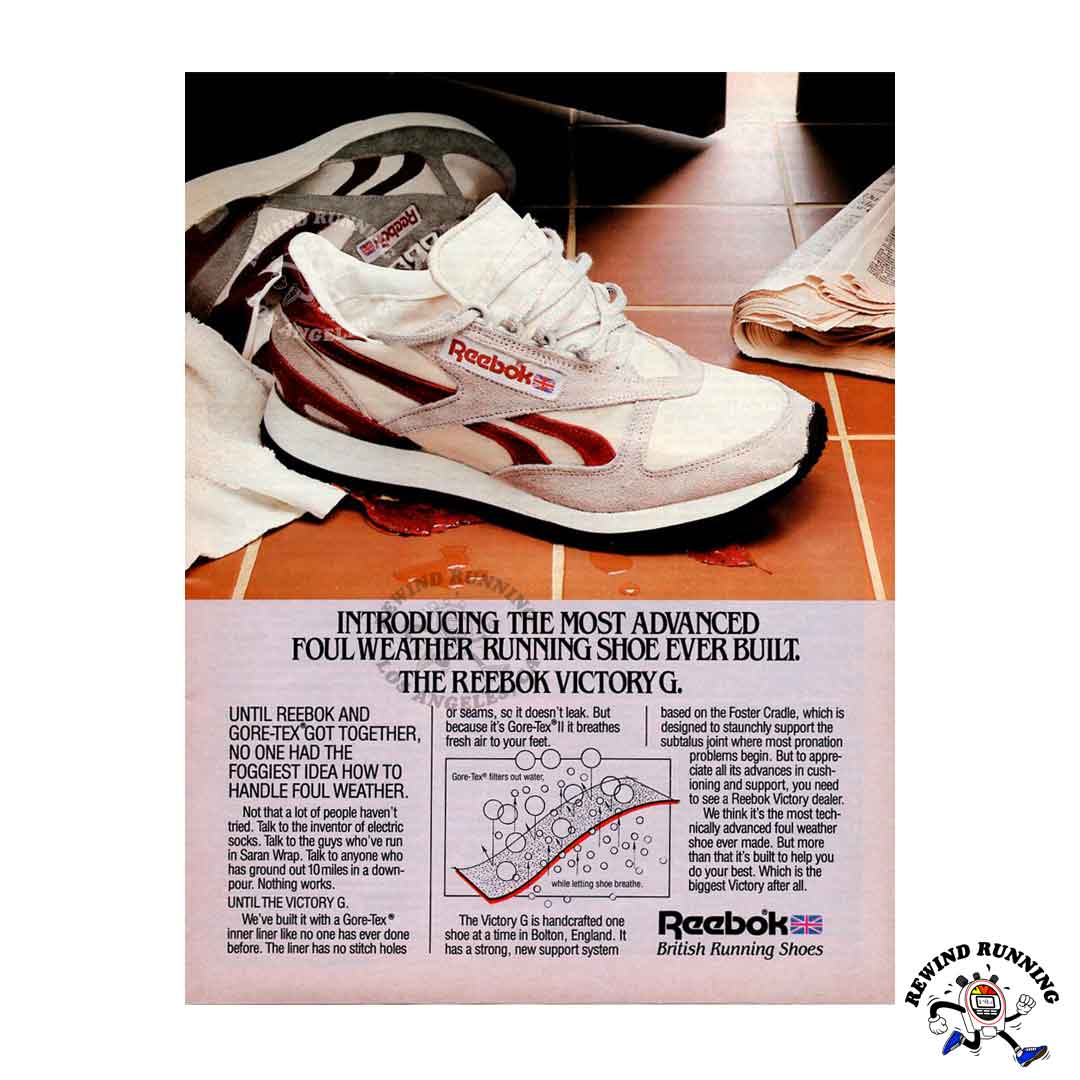
Investment and Authenticity: Navigating the Market
Engaging with 80s sneaker culture also means navigating the market intelligently. Options range from hunting for pristine vintage originals (an expensive and size-sensitive pursuit) to purchasing modern “retro” re-releases from brands, which offer updated comfort and materials. There is also a thriving market for inspired designs from newer brands. For the modern wardrobe, the re-release is often the most practical choice, offering reliability and immediate wearability. To bring professional knowledge and value to your purchase, understand key terms: “OG” refers to the original release, “Retro” is a re-release of an original model, and “Collaboration” is a special edition with a designer or artist, often commanding higher prices. Sales and discount periods (like end-of-season or major holiday sales) are excellent times to invest in retro re-releases from major brands. Furthermore, caring for your sneakers—using protective sprays, proper cleaning kits for different materials (mesh vs. leather), and rotation to avoid wear—is crucial knowledge that extends their life, making your investment more sustainable.
Ultimately, styling 80s sneakers for the modern world is an exercise in confident curation. It’s about recognizing these shoes as dynamic sculptural objects with a rich history and using design principles—contrast, proportion, color theory, and context—to integrate them into your personal narrative. They are not a relic to be worshipped in a box, but a functional, bold component of a living wardrobe. By choosing them, you’re participating in a decades-long conversation about design, identity, and style, and contributing your own modern chapter.

