

How to Style 80s Sneakers for a Modern Wardrobe
The resurgence of 80s sneakers is more than a fleeting trend; it’s a testament to the enduring power of iconic design meeting contemporary sensibility. These shoes, born from a decade of bold expression, technological innovation in sportswear, and burgeoning street culture, carry a unique aesthetic vocabulary. Integrating them into a modern wardrobe isn’t about costume play, but rather about strategic curation—extracting their distinctive energy and grounding it with today’s refined silhouettes. This fusion creates a look that is both nostalgic and sharply current, offering a powerful tool for personal style that speaks of heritage without being shackled by it. The key lies in understanding the design language of these sneakers and mastering the art of contextual contrast.
The Architectural Legacy of 80s Sneaker Design
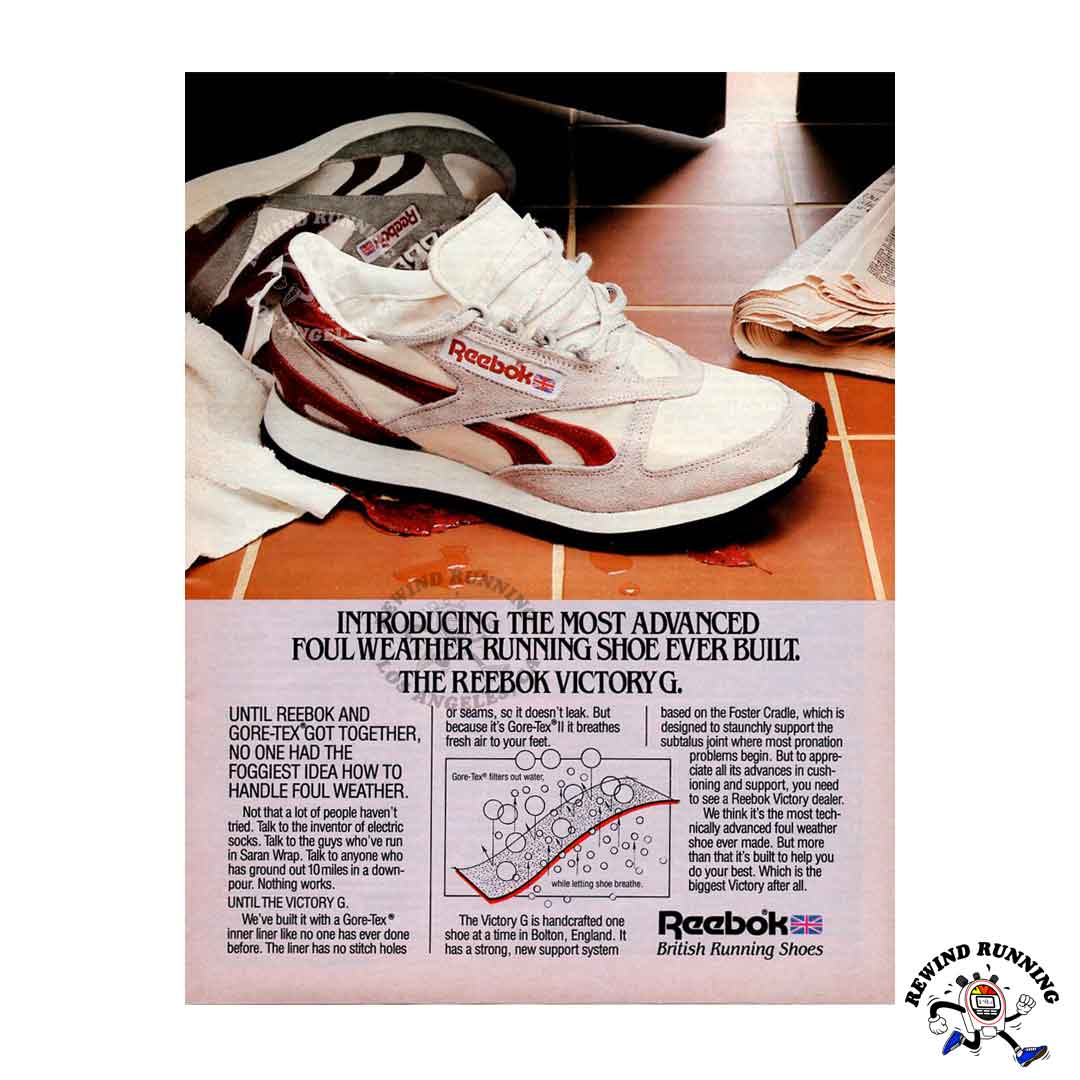
To style 80s sneakers effectively, one must first appreciate their foundational design principles. The 1980s was a revolutionary period for athletic footwear, marked by a shift from purely performance-oriented gear to cultural artifacts. Brands like Nike, Adidas, Reebok, and Puma engaged in a technological arms race, resulting in distinct visual hallmarks. According to design historians and resources like the Victoria and Albert Museum’s fashion archives, key characteristics include bold color blocking—often using primary colors or high-contrast combinations like black, white, and grey. Geometric shapes and panelling were prevalent, with designers incorporating large plastic logos, synthetic leather overlays, and innovative midsole structures. The “bulky” or “chunky” silhouette, a defining trait, emerged from advancements in cushioning technology, such as Nike’s Air units and Reebok’s Pump system. As sneaker culture authority and author of “Sneakers: The Complete Limited Editions Guide,” Udi Avshalom, notes on platforms like Highsnobiety, these designs were “unapologetically bold, reflecting the optimism and excess of the era.” This architectural boldness is precisely what we leverage today, using it as a focal point against more minimalist or fluid modern garments.
Principle One: The Power of Monochromatic Grounding
The most foolproof method to modernize a pair of vibrant or structurally complex 80s sneakers is through monochromatic anchoring. When your footwear is the star—featuring hues like electric blue, fiery red, or acid yellow—the surrounding outfit should act as a neutral gallery wall. Dressing head-to-toe in black, white, grey, or beige creates a sleek, elongated silhouette that prevents the look from becoming chaotic. Imagine a classic pair of Nike Air Max 1s with a grey and red colorway. Pair them with black tailored trousers (not baggy, but with a clean, straight leg) and a simple black crewneck sweater. This approach doesn’t mute the sneakers; it amplifies them by eliminating visual competition. The philosophy mirrors the minimalist art movement, where a single, powerful element is given space to breathe and command attention. Fashion theorist and blogger for “The Business of Fashion,” Ligaya Salazar, has often discussed how contemporary minimalism provides the perfect “negative space” for statement pieces from past decades. This strategy also works brilliantly with all-white or predominantly white 80s sneakers, allowing them to pop against a dark monochrome base while maintaining an undeniably modern, almost architectural, crispness.

Principle Two: Contrasting Silhouettes – Volume and Precision
The inherent volume of many 80s sneaker models demands thoughtful consideration of the garments’ silhouettes. The outdated approach would be to pair them with similarly baggy, oversized jeans, a look that can feel dated and overwhelming. The modern tactic employs contrast. Balance the chunkiness of the shoe with streamlined, precise tailoring. For women, this could mean pairing Reebok Freestyle Hi-tops with a fitted slip dress or tailored wide-leg trousers that skim the body before flaring. For men, bulky basketball sneakers from the era find a perfect partner in slim (not skinny) chinos or well-fitted cargo pants that taper slightly. This creates a dynamic tension between the assertive, grounded feel of the footwear and the clean lines of the clothing. The concept draws from postmodern design principles, where disparate elements are combined to create a new, cohesive whole. As seen in contemporary collections from designers like Demna Gvasalia for Balenciaga, who frequently re-contextualizes archival sportswear, the clash of proportions is intentional and sophisticated. It acknowledges the sneaker’s heritage while firmly placing it within a contemporary sartorial dialogue.
Principle Three: Fabric Dialogue – Tech Meets Texture
The materials of the 1980s—nylon mesh, synthetic leather, suede, and bold plastics—can be harmonized with modern fabrics to create a rich tactile experience. Instead of head-to-toe athletic wear, introduce unexpected textural contrasts. Pair your leather-panelled 80s sneakers with soft, luxurious fabrics like cashmere, fine wool, or crisp cotton poplin. A technical nylon track jacket from the era can be layered over a simple linen shirt and paired with wool trousers. This mix elevates the sneakers from pure sportswear to a versatile fashion element. It speaks to the current “hybrid dressing” trend, where boundaries between formal and informal, technical and natural, are deliberately blurred. Resources like the “Fashion and Textile History Timeline” at the Fashion Institute of Technology highlight how material innovation defines decades, and consciously mixing these vocabularies is a mark of a sophisticated style eye. The gloss of a patent leather accent on a sneaker can be beautifully offset by the matte finish of a cotton canvas jacket or the soft nap of corduroy, creating an outfit that is visually and physically engaging.

Curating Your Modern 80s Rotation: From Court to Street
Understanding these principles allows us to apply them to specific categories of 80s sneakers. Let’s curate a modern capsule wardrobe around three iconic styles: the high-top basketball sneaker, the aerobic/court trainer, and the running shoe. Each carries its own vibe and requires slightly different styling nuances. For the high-top, like the iconic Converse Weapon or Nike Air Force 1 High, consider them a alternative to a boot. They work excellently with rolled-up straight-leg jeans and an oversized blazer, offering a smart-casual edge. The aerobic trainer, such as the Reebok Freestyle or Nike Air Trainer 1, with its feminine lines and often pastel hues, can be brilliantly juxtaposed with utilitarian clothing—think cargo pants and a structured trench coat. The running shoe, exemplified by the Nike Air Max 1 or the Adidas ZX series, is the quintessential casual companion. Its technical heritage pairs seamlessly with tailored sweatpants, a heavyweight cotton tee, and a sleek nylon coach’s jacket. This curated approach ensures each pair has a defined role in your wardrobe, preventing stylistic redundancy.
Investing Wisely: Heritage and Value
While the allure of vintage deadstock is strong, the modern wearer has excellent options. Many iconic 80s sneakers have been faithfully re-issued by their original brands, often with improved comfort technology. These “retro” releases provide the authentic look without the fragility of decades-old materials. Furthermore, the secondary market on platforms like StockX or GOAT offers transparency in pricing, allowing you to find fair value. It’s worth noting that a well-maintained, classic colorway often holds its value better than fleeting collaborations. From a professional knowledge standpoint, understanding the original release year (OG), retro year, and any design variations (like tooling changes) is crucial. This knowledge empowers you to make informed purchases, whether you’re seeking a pristine vintage piece for collection or a durable retro for daily wear. Often, waiting for a brand’s annual re-release can yield significant savings compared to immediate resale prices on hyped re-issues.

The journey of integrating 80s sneakers into a modern wardrobe is an exercise in selective celebration. It is not about recreating the past but about mining it for its most potent visual elements—its boldness, its confidence, its unashamed embrace of form and color. By applying the principles of monochromatic grounding, silhouette contrast, and thoughtful fabric mixing, these historic pieces shed any dated connotations and become vital, expressive components of contemporary style. They connect us to a rich design legacy while allowing our personal aesthetic to speak in the present tense. The final outfit should feel instinctively yours, a seamless blend where the sneaker is no longer a relic, but a foundational piece of your modern identity.
