

Styling 80s Sneakers for Modern Streetwear Looks
The resurgence of 80s sneakers is not merely a nostalgic trip down memory lane; it’s a deliberate, powerful statement in contemporary streetwear. These iconic shoes, born from a decade of bold experimentation, technological innovation in athletic wear, and burgeoning youth subcultures, offer a unique foundation for building looks that are both historically resonant and fiercely modern. They carry with them the DNA of breakdancing on cardboard, the aspirational energy of early hip-hop videos, and the rebellious spirit of skate parks. Integrating them into today’s wardrobe isn’t about costume play—it’s about harnessing their inherent character to create outfits that are dynamic, personal, and grounded in fashion history. This exploration will guide you through the philosophy and practical execution of blending these vintage silhouettes with the clean, often minimalist or oversized, aesthetics of modern street style.
The Enduring Legacy: Why 80s Sneakers Still Resonate
To understand their current appeal, one must first acknowledge the cultural and technological explosion that defined 1980s footwear. This was the era when athletic shoes transitioned from purely functional gear to cultural artifacts. Brands like Nike, Adidas, Reebok, and Puma were engaged in a technological arms race, introducing groundbreaking cushioning systems like Nike Air and Reebok’s Hexalite, and using bold, often neon, color-blocking. As Dr. Elizabeth Semmelhack, Senior Curator at the Bata Shoe Museum, notes in her research on sneaker culture, “The 1980s marked the moment when the sneaker was fully embraced as a symbol of identity and aspiration beyond the court or track.” Films like Beat Street and Wild Style cemented the connection between specific sneaker models and hip-hop culture, while the rise of basketball superstars like Michael Jordan made certain silhouettes objects of universal desire. The design language of the time—chunky midsoles, synthetic leather uppers, velcro straps, and prominent logos—was unapologetically bold. In today’s fashion landscape, which often values irony, hybridity, and “ugly chic,” these very characteristics make 80s sneakers perfect foils. They provide a jolt of personality and history to outfits that might otherwise lean too sterile or anonymous.

Core Principle: Contrast and Balance
The cardinal rule for styling these statement shoes is mastering contrast. An 80s sneaker, with its complex panels and substantial footprint, demands a thoughtful counterpoint in the rest of your ensemble. The goal is to achieve equilibrium, not competition. For instance, pairing a pair of vibrantly colored, geometrically designed Reebok Classics or Nike Air Max 1s with a monochromatic outfit creates a perfect focal point. Imagine slim-fit or straight-leg black denim, a simple oversized white tee, and a tailored trench coat. The sneakers become the undisputed hero of the look. Conversely, if your sneakers are in a neutral tone like white or grey, you have more liberty to play with proportions and textures elsewhere. An oversized hoodie, cargo pants with a utilitarian feel, and a puffer vest can create a compelling, layered silhouette where the sneakers ground the look with their classic, recognizable shape. This principle of balance is echoed by numerous contemporary stylists on platforms like YouTube, where figures like Brittney Lee Saunders often demonstrate how “letting one vintage piece speak” can elevate an entire modern outfit.
Key Silhouettes and Their Modern Pairings
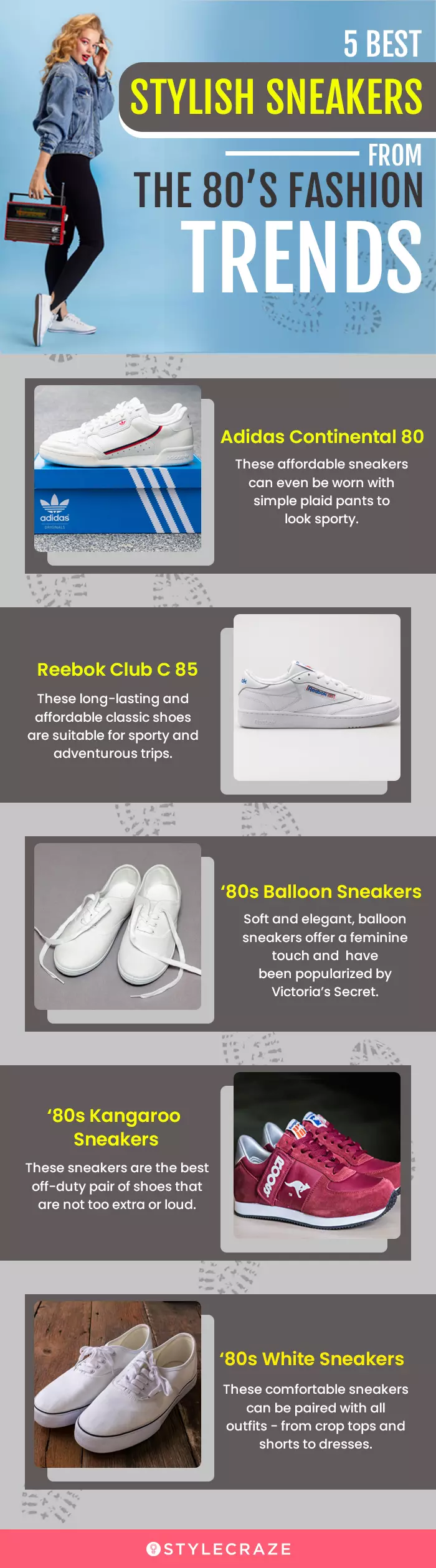
Not all 80s sneakers are created equal, and different models lend themselves to different stylistic approaches. The high-top basketball sneaker, exemplified by the Nike Air Force 1 or the Converse Weapon, carries an inherent athleticism and toughness. These work exceptionally well with relaxed, street-ready tailoring—think loose-fitting pleated trousers, a boxy Oxford shirt, and a technical vest. They add a casual, rebellious edge to smart elements. The low-top performance runner, such as the Nike Internationalist or the Adidas ZX series, offers a sleeker, more streamlined profile. These are ideal for a contemporary techwear-inspired look: tapered nylon pants, a minimalist shell jacket, and functional accessories. Their heritage in running culture aligns with today’s obsession with mobility and performance aesthetics. Then there are the eclectic, often chunky, lifestyle models like the Reebok Club C or the Fila Disruptor. These are perfect for playing with feminine-masculine contrasts; try styling them with a flowing midi skirt, a cropped sweater, and a leather jacket for a look that is both tough and romantic.

Beyond the Shoes: Integrating the 80s Ethos
Truly mastering this style is about more than just the footwear; it’s about channeling the eclectic, confident spirit of the 80s into a contemporary context. This means being strategic with accessories and garments that echo the era without creating a head-to-toe period piece. Track jackets with contrast stripes, lightweight windbreakers, and baseball caps can all nod to 80s sportswear without overwhelming the modern sensibility. The key is to treat these items as accents rather than foundations. Furthermore, consider the color theory of the time. While modern streetwear often favors earth tones and neutrals, the 80s were defined by electric blues, hot pinks, and acid greens. Introducing a single accessory in one of these hues—a beanie, a sock, or a bag—can create a vibrant dialogue with your sneakers and tie the look together thematically. As fashion historian and author of Sneakers: Fashion, Gender, and Subculture, Yuniya Kawamura, points out, “The adoption of sneaker culture is a process of bricolage, where individuals actively mix and match elements from different sources to construct a new, personal identity.” Your outfit is that bricolage.
Professional Insight: Material Care and Authentication
Investing in vintage or retro-reissue 80s sneakers comes with the responsibility of proper care. The materials of the era—often synthetic leather, mesh, and specific foam compounds—require attention to ensure longevity. For cleaning, use a soft brush and a mild, sneaker-specific cleaner. Avoid harsh chemicals that can break down older glues and materials. For storage, keep them in a cool, dry place away from direct sunlight, which can cause colors to fade and materials to become brittle. Stuffing them with acid-free tissue paper helps maintain their shape. If you’re delving into the vintage market, authentication is crucial. Research specific model details, such as stitching patterns, label fonts, and sole construction. Reputable online communities and databases, like those found on Reddit’s r/Sneakers or dedicated authentication websites, are invaluable resources. As sneaker collector and expert Jacques Slade often emphasizes on his channel, “Knowing the history and the specific release details is what separates a find from a fake. It protects your investment and respects the culture.”
Where to Build Your Collection: Value and Accessibility
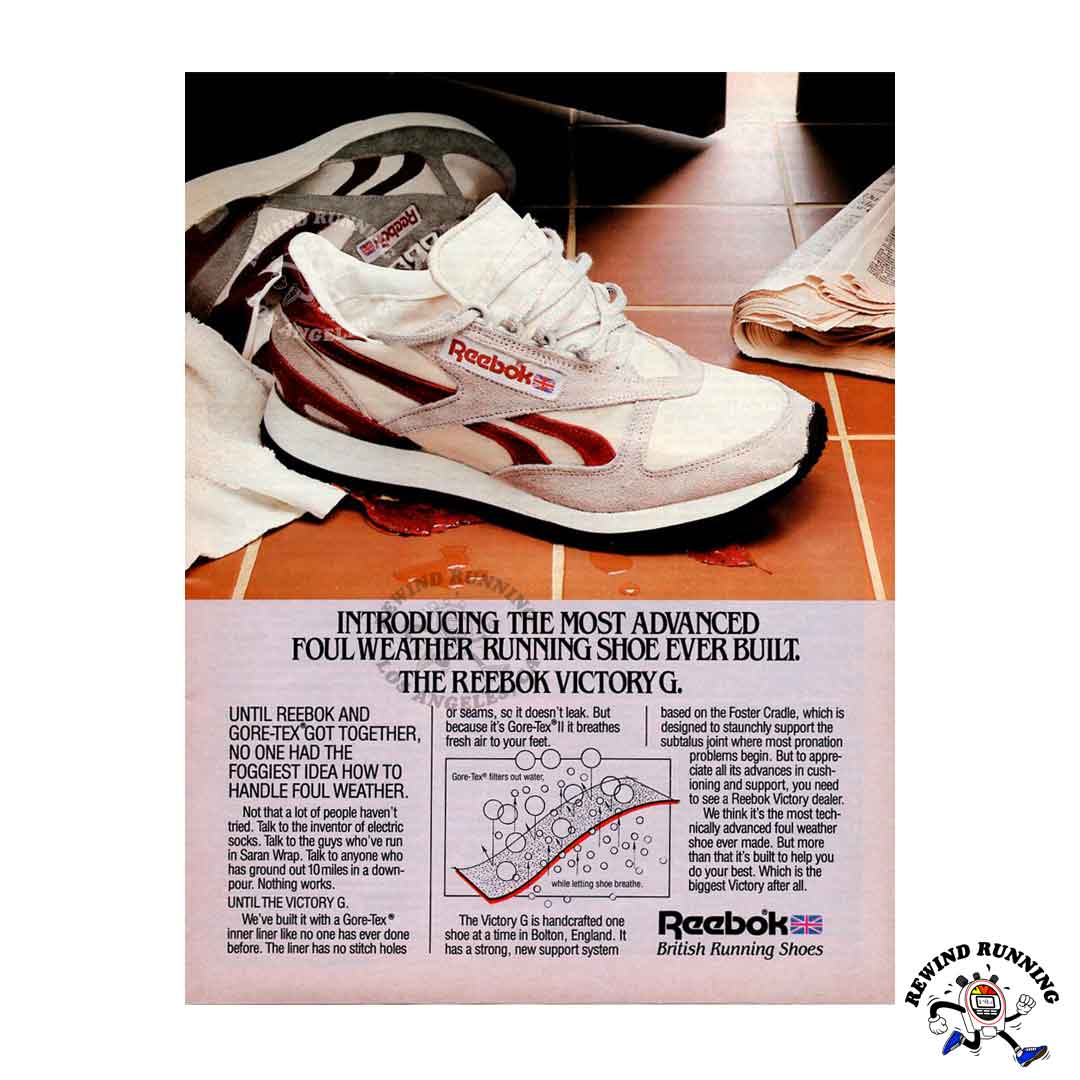
The beauty of this trend is its accessibility. You don’t need to spend a fortune on deadstock vintage pairs (though that is an option for collectors). Nearly every major brand has active “Classics” or “Heritage” lines that faithfully reissue iconic 80s models. These are often available at standard retail prices and can frequently be found on sale. Websites like END. Clothing, ASOS, and even direct brand outlets regularly offer discounted prices on these retro lines, especially during seasonal sales or holiday promotions. For the true vintage seeker, platforms like eBay, Grailed, and Depop are treasure troves, but require diligence in verification. Building a versatile rotation might start with a clean white leather pair (a perennial neutral), one bold color-blocked option, and perhaps a distinctive grey mesh or suede model. This approach allows for maximum styling flexibility. Remember, the objective is thoughtful integration, not amassing a museum archive. Start with one pair that genuinely speaks to you and build your outfits from there.
The Final Step: Walking with Confidence
Ultimately, the most critical element in styling 80s sneakers for modern streetwear is the attitude you bring to them. These shoes carry a legacy of innovation, subcultural defiance, and pure expressive joy. Wearing them is an act of connecting personal style with a broader cultural narrative. The look is finalized not by any specific garment, but by the confidence with which you carry the combination. Whether you’re pairing chunky Filas with tailored wide-leg trousers or sleek Adidas ZXs with a techwear ensemble, the fusion should feel intentional and personal. It’s a dialogue between decades, where the bold, functional aesthetics of the 1980s provide a compelling accent to the curated, often minimalist or deconstructed, ethos of today’s street fashion. This isn’t about revivalism; it’s about evolution, using the foundational pieces of the past to construct a uniquely contemporary identity.
