

Styling 80s Sneakers for Modern Streetwear Looks
The resurgence of 80s sneakers is not merely a nostalgic blip but a foundational pillar in contemporary streetwear. These shoes, born from the innovation and bold aesthetics of the 1980s, offer more than just footwear; they provide a tangible link to cultural history and a versatile tool for crafting distinctive modern outfits. This exploration delves into how to integrate these iconic silhouettes into today’s wardrobe, moving beyond costume and into coherent, cutting-edge style.
The Enduring Legacy of 80s Sneaker Design
To understand their modern application, one must first appreciate the genesis of 80s sneakers. This decade was a crucible of technological and cultural change, directly reflected in footwear. The introduction of advanced cushioning systems, like Nike’s Air technology (first seen in the Tailwind and popularized by the Air Force 1 in 1982), revolutionized athletic performance and consumer expectation. Simultaneously, the rise of hip-hop, breakdancing, and basketball as global cultural forces demanded shoes that were not only functional but also emblematic of identity and attitude. Models like the Adidas Superstar (though older, cemented in 80s hip-hop), the Reebok Classic Leather, and the Nike Dunk became canvases for self-expression. As Dr. Elizabeth Semmelhack, Senior Curator of the Bata Shoe Museum, notes in her research on sneaker culture, “The 1980s marked the moment when sneakers transitioned from the realm of sport into the arena of fashion, becoming potent symbols of subcultural affiliation and personal style.” This dual heritage—cutting-edge tech and deep subcultural roots—is precisely what makes these sneakers perpetually relevant. They carry a story, a weight of authenticity that many modern releases strive to emulate.
Core Principles for Modern Integration
Successfully styling an 80s sneaker today hinges on balance. The key is to honor the shoe’s character without letting it overwhelm your entire look. The first principle is Contrast in Volume and Proportion. Many 80s sneakers, like the Nike Air Max 1 or the ASICS Gel-Lyte III, have a chunkier, more assertive silhouette compared to minimalist contemporary designs. Pair these with streamlined, tailored pieces to create equilibrium. Think slim-fit (not skinny) trousers, straight-leg jeans, or well-cut chinos that break cleanly at the top of the sneaker. This prevents the silhouette from becoming bottom-heavy. The second principle is Color Story Synergy. Often, these sneakers feature bold color blocking or vibrant accents. Let the shoe be the focal point by anchoring your outfit with neutral tones—black, white, grey, navy, or beige—and then pick up one of the sneaker’s secondary colors in a subtle accessory like a hat, sock, or t-shirt graphic. This creates a cohesive look without competing for attention. The third principle is Contextual Reinterpretation. A shoe designed for the basketball court, like the Converse Weapon, can be recontextualized for a smart-casual setting when paired with a relaxed blazer and a high-quality knit polo. This juxtaposition of formal and casual, athletic and sartorial, is the essence of modern streetwear.
Building the Outfit: From Foundation to Statement
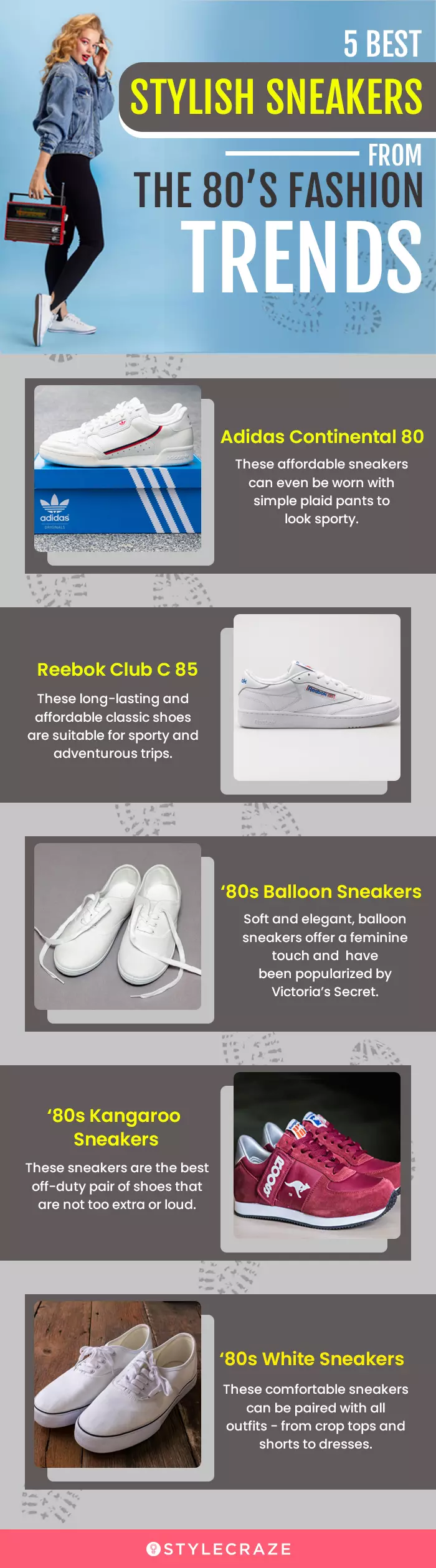
Let’s construct an outfit, starting from the ground up. Imagine a classic white leather 80s sneaker, such as the Reebok Club C 85. Its clean, crisp profile offers immense versatility. For a timeless, effortless look, begin with a pair of light-wash, straight-leg denim with a slight taper. The denim’s casual nature complements the sneaker’s heritage, while the straight cut provides a clean line. On top, layer a fitted white t-shirt—the fabric quality here matters; opt for a sturdy cotton or jersey blend. Over this, add an unstructured, lightweight chore jacket in a stone or olive color. This adds a layer of utility and texture without bulk. The final touch could be simple silver chain or a vintage watch. The result is an outfit that feels considered but not contrived, where the sneaker is an integral, harmonizing component rather than a loud shout. This approach brings professional styling knowledge directly to your daily routine, demonstrating that strategic pairing always trumps mere logo display.

Iconic Models and Their Style Signatures
Each legendary model from the era brings a distinct personality to an outfit. The Nike Air Jordan 1, arguably the most iconic silhouette to emerge from the 80s, carries an aura of rebelliousness and artistic flair, thanks to its association with Michael Jordan and its frequent high-fashion collaborations. It pairs powerfully with baggier, 90s-inspired silhouettes like cargo pants or oversized denim jackets. The Adidas Forum, with its prominent ankle straps and high-top design, exudes a technical, performance-oriented vibe. It works exceptionally well with techwear elements—water-resistant nylon pants, modular vests—creating a futuristic take on 80s athleticism. The New Balance 550, though a retro basketball design, found its modern renaissance through preppy, collegiate aesthetics. It looks perfect with wide-leg pleated trousers, a rugby shirt, and a vintage varsity jacket. Understanding these inherent “signatures” allows you to match the shoe’s energy with complementary clothing, creating a narrative within your outfit. As fashion commentator and YouTuber “The style power of an 80s sneaker lies in its specific memory. You’re not just wearing a shoe; you’re invoking the court, the stage, or the street corner it first dominated. Your job is to translate that memory into a new language.”

Beyond Trends: Investment and Accessibility
Engaging with 80s sneakers is also a practical consideration. From an investment perspective, many of these models are considered evergreen staples. Brands consistently reissue archival designs, meaning you are purchasing a piece with proven, decades-long staying power rather than a fleeting trend. This makes them a cost-effective choice over time. Furthermore, the market is vast. While limited-edition collaborations command high prices, the core retro models are often accessible at standard retail or, with diligent searching, at discounted prices during seasonal sales or from reputable online consignment stores. The key is to prioritize classic colorways—white, black, grey—which offer maximum versatility. The professional knowledge here is to buy into the legacy, not just the hype. A well-maintained pair of clean, white leather sneakers from the 80s archive will outlast countless seasonal fads, providing a superior cost-per-wear ratio and forming a reliable foundation for your wardrobe.
The Final Composition: Confidence is Key
The ultimate accessory to any outfit built around a statement sneaker is confidence. The goal is not to look like you stepped out of a 1985 yearbook, but to showcase a nuanced understanding of style evolution. It’s about acknowledging the past while firmly standing in the present. Whether you’re pairing chunky basketball 80s sneakers with tailored wool trousers or minimalist running silhouettes with a sleek athleisure set, the intention should be clear and personal. This style approach democratizes fashion; it values knowledge and creativity over mere consumption. It tells a story that you are informed, intentional, and connected to a broader cultural tapestry, all starting from the shoes on your feet.

Integrating 80s sneakers into modern streetwear is an exercise in stylistic archaeology and contemporary expression. It requires an eye for balance, a respect for heritage, and a willingness to experiment. By applying these principles, you transform a retro artifact into a vital component of your modern identity, proving that true style is timeless, and the best foundations are often already laid—in this case, firmly on the ground, circa 1985.
