

How to Style 80s Sneakers for a Modern Wardrobe
The resurgence of 80s sneakers is more than a fleeting trend; it’s a testament to their enduring design language and functional versatility. These shoes, born from a decade of bold experimentation in music, sport, and fashion, carry a distinct aesthetic DNA—think chunky silhouettes, vibrant color blocking, and technical materials. Integrating them into a contemporary wardrobe isn’t about costume play, but about strategic curation. It involves extracting their iconic elements and recontextualizing them within modern minimalist, tailored, or utilitarian frameworks. This approach allows you to harness their nostalgic energy and statement-making potential without being trapped in a time capsule, creating looks that are both personally expressive and sharply current.
Decoding the DNA: What Defines an 80s Sneaker?
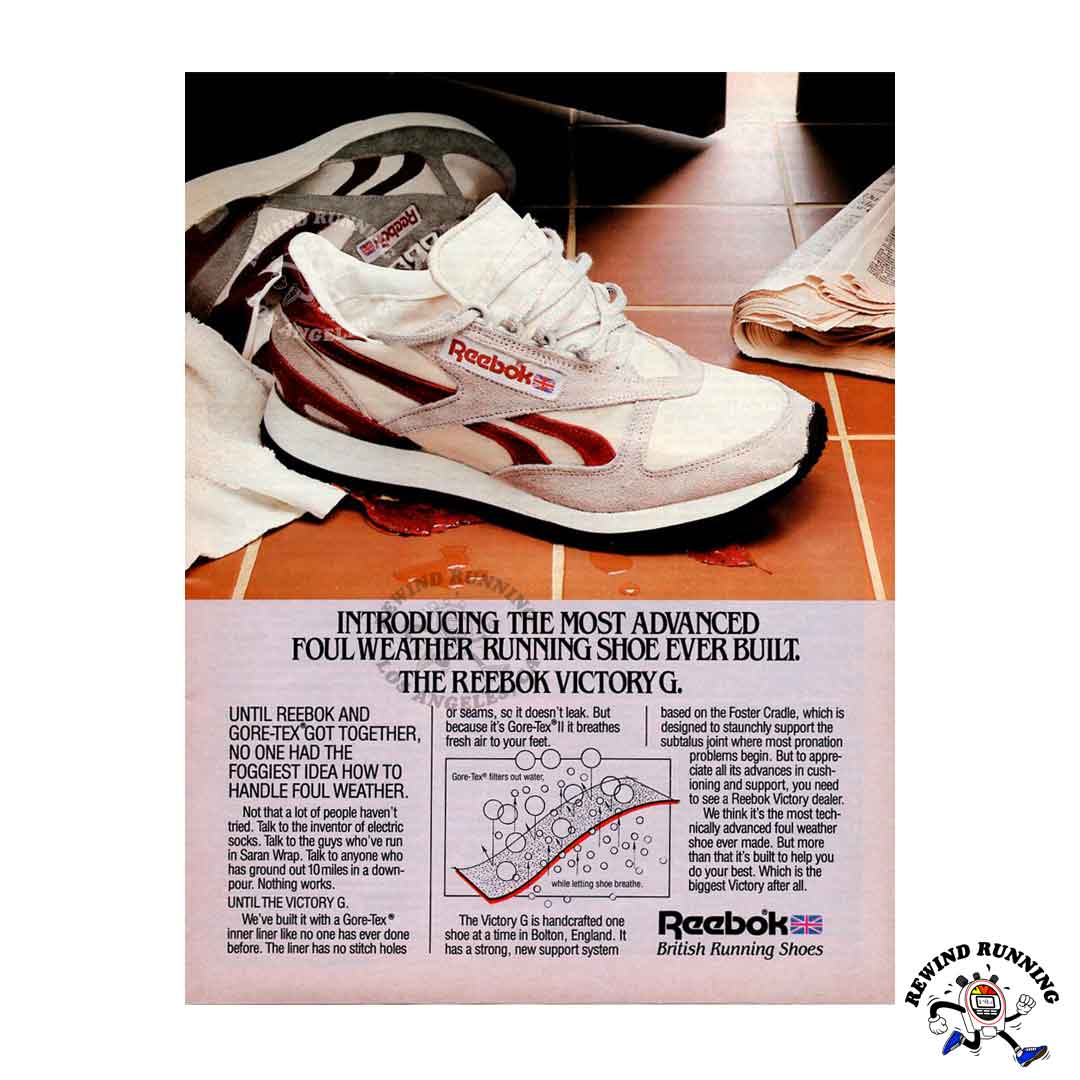
To style 80s sneakers effectively, one must first understand their core design principles. The 1980s were a pivotal era for athletic footwear, driven by technological innovation in sports and the rise of hip-hop and aerobics culture. According to design historians and resources like the Victoria and Albert Museum’s fashion archives, key characteristics include a pronounced, often thickened midsole (a precursor to the “chunky” trend), synthetic leather and mesh uppers for breathability, and bold graphic panels. Colors were frequently high-contrast, utilizing neons and primary colors not just for style but for visibility in performance contexts. Brands like Reebok, with the introduction of the Freestyle in 1982, capitalized on the women’s aerobics boom, while Nike’s Air Force 1 (1982) and Air Jordan I (1985) became streetwear icons. The very construction of these shoes—prioritizing cushioning, ankle support, and lateral stability for basketball or aerobics—created those distinctive, substantial silhouettes. As sneaker scholar Elizabeth Semmelhack noted in her book “Out of the Box: The Rise of Sneaker Culture,” the 80s marked the period where “the sneaker transitioned from being purely functional athletic gear to a potent symbol of identity and style.” This dual identity—rooted in performance but elevated to culture—is the essence we work with today.

The Foundation: Pairing with Modern Minimalism
The most foolproof method to modernize a statement sneaker is to let it be the singular focal point against a backdrop of clean, minimalist clothing. This principle of contrast is foundational in fashion theory, creating visual balance. Imagine a pair of vividly colored Reebok Classics or a stark white Nike Air Force 1. Their intricate panels and thick soles are design statements in themselves. Your clothing should act as a gallery wall—neutral, structured, and simple. Opt for a well-tailored pair of straight-leg or wide-leg trousers in beige, black, or navy wool or cotton. A perfectly fitted crewneck sweater in a solid color, a crisp white button-down shirt, or a minimalist oversized blazer complements without competing. This approach doesn’t dilute the sneaker’s impact; it amplifies it. The sleekness of modern minimalist silhouettes—think of the aesthetics promoted by brands like COS or The Row—highlights the retro-futuristic geometry of the 80s sneakers. You’re not wearing a “sneaker fit”; you’re wearing an elegant, contemporary outfit punctuated by a powerful, culturally-rich accessory. It signals a sophisticated understanding of style hierarchy, where the shoe is the exclamation point, not the entire sentence.
Embracing the Juxtaposition: Tailoring and Technical Wear
For a more fashion-forward and intellectually engaging approach, embrace deliberate juxtaposition. This is where styling moves from safe to striking. Pairing 80s sneakers with formal tailoring—a full suit—creates a tension that is the hallmark of modern menswear and womenswear. The inspiration can be traced to runway shows from designers like Demna Gvasalia for Balenciaga, who consistently deconstructs formalwear with athletic staples. The key is in the cut and confidence. A sleek, single-breasted wool suit in a neutral tone provides a serious, sharp foundation. The introduction of a chunky, vintage-inspired sneaker instantly subverts the formality, injecting nonchalance and contemporary relevance. Similarly, integrating these sneakers into a techwear or utilitarian outfit bridges decades of functional design. Cargo pants, a technical vest, and a streamlined shell jacket speak a language of modern utility. Adding a pair of 80s running shoes, which were themselves feats of technical innovation, creates a coherent narrative about evolution of function. This style dialogue asks a question: how have our ideas of performance and style merged from the 80s to today? The outfit becomes the answer.
Color Theory in Action: Balancing Bold Hues
A primary challenge with many 80s sneakers is their assertive color palette. Navigating this requires a basic application of color theory. Instead of matching colors exactly (which can appear costume-like), use complementary or analogous color schemes. A sneaker with royal blue and hot pink details could be anchored by trousers in a deep, dusty olive green (complementary to pink) or a navy blue (analogous to the royal blue). The goal is harmony, not matchy-matchy repetition. Another advanced tactic is tonal dressing. If your sneakers are primarily grey with yellow accents, build an outfit in varying shades of charcoal, slate, and heather grey. The yellow accents will then pop as intentional highlights. Referencing art and design principles, as outlined in resources like the Pantone Color Institute’s guides, this method treats your outfit as a canvas. The sneaker is the most vibrant brushstroke. Furthermore, don’t fear neutrals. A complex, multi-colored sneaker often works best with head-to-toe black, white, or denim. The neutral base provides visual rest, allowing the shoe’s design to be appreciated without overwhelming the eye.

Beyond the Shoes: Completing the Modern Retro Look
Styling extends beyond the shoe-clothing interface. Accessories and grooming complete the modernization process. The wrong accessories can accidentally push a look into full-blown retro cosplay. Avoid sports jerseys or tracksuits from the same era as the sneaker unless you are deliberately aiming for a specific, unified vintage aesthetic. Instead, choose accessories that are unequivocally contemporary: a sleek minimalist watch, a modern leather tote or backpack, simple hoop earrings, or a thin chain necklace. Hair and makeup should also follow current trends—a slicked-back bun, a natural makeup look, or a modern haircut. This creates a compelling temporal dialogue between the accessory (past) and the rest of your presentation (present). As fashion psychologist Dr. Dawnn Karen, who often analyzes style identity on her platform, might frame it, this is “future-nostalgia” dressing—using elements of the past to construct an identity that feels forward-looking. The 80s sneakers become a personal artifact, a piece of design history you’ve chosen to carry into the future, not a relic you’ve exhumed.
Investment and Acquisition: Building Your Retro Foundation
Building a wardrobe that incorporates these statement pieces wisely involves strategic acquisition. The market offers both faithful re-releases from brands like Nike, Adidas, and Reebok, and a thriving vintage sector. New re-releases offer consistency in sizing, modern comfort technology updates, and immediate availability, often at accessible price points between $80 and $150. Vintage pairs, sourced from reputable resellers or platforms, offer unique patina and authenticity but require more care in verification of condition and sizing. From a professional wardrobe perspective, start with one versatile pair. A clean white-based sneaker with subtle color accents offers maximum flexibility. As your confidence grows, invest in a bold statement pair. Remember, the goal is integration, not domination. A small, curated selection of one to three iconic 80s sneakers can refresh a significant portion of your existing wardrobe, providing an excellent cost-per-wear ratio and a sustainable approach to personal style evolution.

The power of the 80s sneaker in a modern context lies in its inherent contradiction—it is simultaneously a relic and remarkably relevant. By applying principles of contrast, color theory, and deliberate juxtaposition, you transform a nostalgic item into a tool for contemporary expression. It ceases to be just a shoe and becomes a lens through which you filter modern style, proving that great design is indeed timeless. The ultimate success is when the sneaker no longer screams “1980s,” but simply, unmistakably, speaks “you.”
