

How to Style 80s Sneakers for a Modern Wardrobe
The resurgence of 80s sneakers is more than a fleeting trend; it’s a testament to the enduring power of iconic design meeting contemporary sensibility. These shoes, born from a decade of bold experimentation, technological innovation in sportswear, and burgeoning street culture, carry a distinct DNA. Integrating them into a modern wardrobe isn’t about costume play or nostalgic reenactment. It’s an exercise in selective fusion, where the vibrant, assertive spirit of the 1980s is tempered and elevated by the clean lines, minimalist ethos, and intentional layering that define today’s fashion landscape. This guide moves beyond simple pairing suggestions to delve into the philosophy of blending eras, offering a structured approach to making these statement pieces feel intentional, fresh, and uniquely yours.
Decoding the DNA: What Defines an 80s Sneaker?
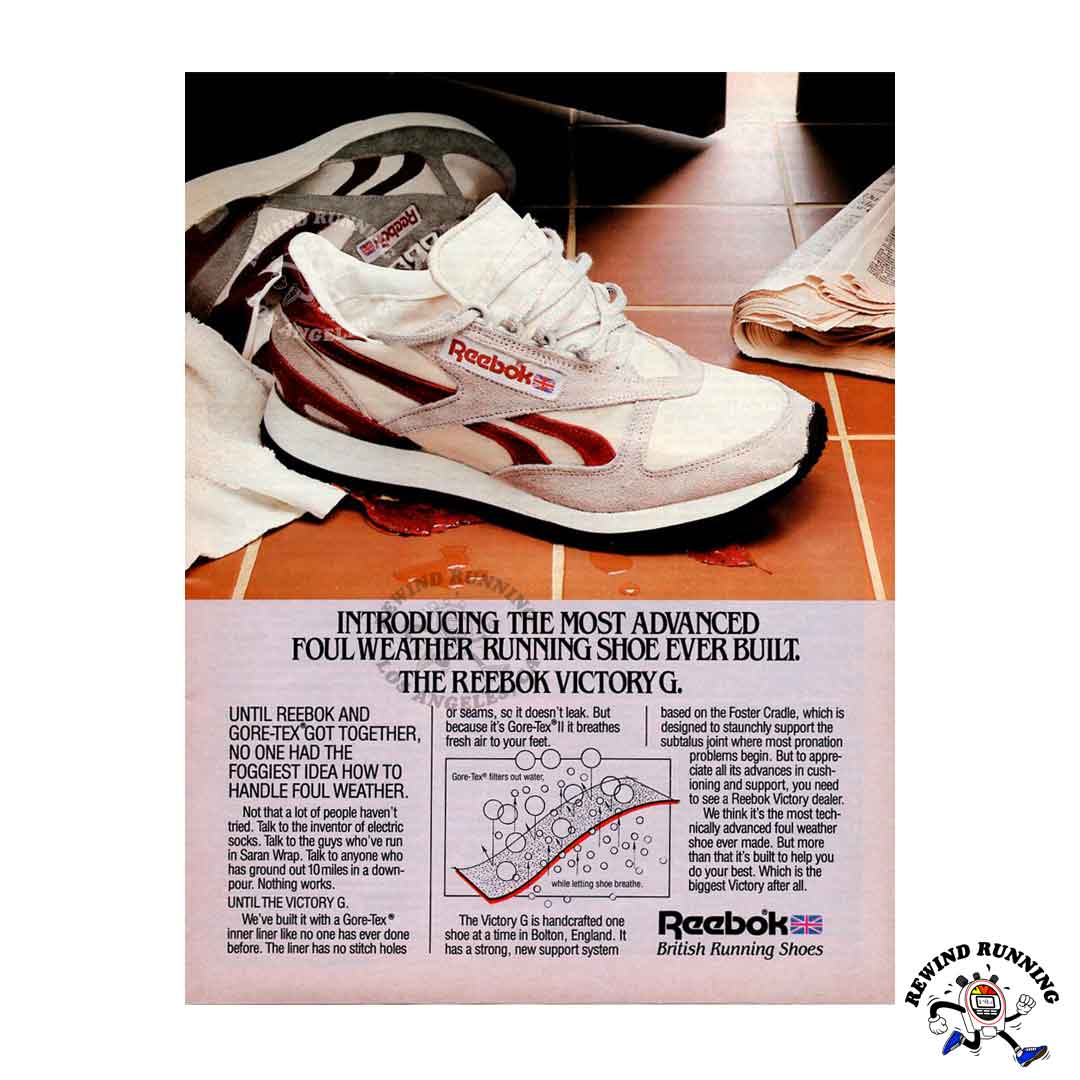
To style them effectively, one must first understand what sets 80s sneakers apart. This era marked a revolution in athletic footwear, transitioning from purely functional gear to cultural symbols. Key characteristics include bold color blocking—think stark contrasts of white, black, red, and royal blue—often in large, geometric panels. Advanced cushioning technologies like Nike’s Air and Reebok’s Hexalite were introduced, leading to bulkier, more sculpted midsoles and silhouettes. Materials diversified beyond simple leather and canvas to include synthetic meshes, nylon, and even early iterations of waterproof Gore-Tex. Aesthetic hallmarks encompassed vibrant neon accents, reflective details, and high-top designs intended for basketball courts but adopted by the masses. As noted in design literature from institutions like the Fashion Institute of Technology, the 1980s sneaker was a canvas for both engineering ambition and expressive, often rebellious, personal style. This foundational understanding is crucial; recognizing these elements allows you to highlight or subvert them in your modern styling.

The Foundation Principle: Balancing Volume and Silhouette
The most common pitfall in wearing 80s sneakers is allowing their inherent volume to overwhelm an entire outfit. The modern wardrobe often prioritizes a considered, streamlined silhouette. Therefore, the foundational rule is counterbalance. For a high-top, chunky basketball sneaker from the era, pair it with trousers that offer a clean line. Slim-fit (not skinny) jeans, tailored chinos, or even straight-leg trousers that break neatly at the top of the sneaker create a harmonious contrast. The goal is to let the shoe be the statement, not compete with billowy or overly baggy clothing from the same period. This principle finds support in the views of contemporary stylists frequently cited in publications like GQ or Vogue, who advocate for “one statement piece per outfit.” The sneaker, with its complex lines and colors, claims that role. Your choice of pants acts as the neutral frame, allowing the artwork to shine. For women, this could mean pairing bold sneakers with sleek cycling shorts, a tailored blazer, and a simple tee, or with a minimalist slip dress—the juxtaposition of sporty and refined is inherently modern.
Color Theory in Practice: Anchoring the Bold
80s sneakers frequently come with a built-in color story. A model might feature electric blue, fiery red, and solar yellow all at once. The modern approach is to treat this palette as your guide, not your mandate. Select one dominant or accent color from the sneaker and echo it subtly elsewhere—a pocket tee, the trim of a sock, or a watch strap. This creates cohesion without mimicry. For the rest of your outfit, employ a neutral canvas: black, white, grey, navy, or beige. This technique, rooted in classic color theory, prevents visual chaos and elevates the sneakers from mere sportswear to a deliberate accessory. As interior designers and fashion theorists from resources like Pantone’s color publications explain, anchoring vibrant hues with neutrals provides visual rest and sophistication. It transforms the outfit from “wearing 80s clothes” to “wearing modern clothes with an 80s-inspired accent.” This is the key to making the look feel current and personally curated, rather than like a themed outfit.
Contextual Alchemy: From Streetwear to Smart-Casual
The true test of integrating any vintage item is its versatility across contexts. 80s sneakers are remarkably adaptable with the right strategy. For a contemporary streetwear look, embrace the heritage. Pair classic basketball high-tops with cropped, vintage-wash jeans, a graphic hoodie, and a coach’s jacket. The authenticity here is intentional. For a smart-casual translation—perhaps the most impactful modern application—use the sneaker to deconstruct formal elements. Imagine a pair of clean, white leather low-top 80s sneakers (like the Reebok Club C or adidas Stan Smith, which gained prominence in that era) with a well-fitted, unstructured navy blazer, a crisp white shirt, and dark, tailored trousers. The contrast is powerful. It speaks to a confidence that rejects rigid dress codes without sacrificing polish. This approach is championed by figures in the fashion industry, from designers like Phoebe Philo, who mastered elevated casualwear, to style commentators on platforms like YouTube (e.g., The Style Blogger, Teaching Men’s Fashion) who regularly analyze the “high-low” mix. The sneaker becomes a tool for personal expression within a sophisticated framework.
The Texture and Layer Play
Modern dressing excels in the mix of textures and intelligent layering, a tactic that works beautifully with the complex surfaces of 80s footwear. Consider the sneaker’s materials: cracked leather, nylon mesh, suede overlays. Build your outfit with complementary yet contrasting textures. A chunky sneaker with technical mesh panels might pair well with soft, brushed cotton sweats, a sleek nylon windbreaker, and a heavyweight wool beanie. The interplay between the shoe’s functional texture and the clothing’s varied feels adds depth and interest. Layering is equally important. Instead of a single bulky jacket, try a lightweight long-sleeve tee under a chore coat or a denim shirt under a shearling trucker. This creates vertical lines and visual complexity that can balance the horizontal weight of a chunky sneaker sole. As fashion literature from authoritative sources like the Business of Fashion often notes, contemporary menswear and womenswear are defined by this tactile, layered approach, moving beyond color and cut to consider the sensory experience of clothing.

Investment and Acquisition: Navigating the Market
Embracing 80s sneakers involves navigating a market of vintage originals, modern re-releases (often called “retros”), and inspired contemporary models. For purists, sourcing vintage pairs from reputable dealers or platforms like eBay requires diligence—check for sole separation, midsole crumbling (a common issue with old polyurethane), and interior wear. Modern retros from brands like Nike, adidas, and Reebok offer the authentic look with updated comfort and durability technologies, often at accessible price points between $80 and $150. Furthermore, end-of-season sales, outlet stores, and brand loyalty programs can provide significant discounts, bringing professional-grade style within reach. It’s worth subscribing to newsletters from sneaker retailers or setting alerts for specific models. As any savvy shopper on forums like Reddit’s r/frugalmalefashion will attest, patience and research often yield the best value, allowing you to build a collection of iconic silhouettes without overspending.
The journey of styling 80s sneakers for today is a continuous dialogue between past and present. It demands an eye for balance, a respect for design history, and the courage to experiment. By applying principles of silhouette management, color anchoring, and contextual blending, these energetic relics of the 1980s cease to be mere footwear. They become dynamic anchors for a wardrobe that is both reflective and forward-looking, proving that true style is timeless precisely because it is always being reinvented.

