Styling 80s Sneakers for Modern Streetwear Edge
The resurgence of 80s sneakers is not merely a nostalgic trip down memory lane; it’s a deliberate sartorial statement, a fusion of historical design integrity with contemporary fashion’s relentless pursuit of edge. These shoes, born from the boom of athletic endorsements, aerobics crazes, and nascent hip-hop culture, carry a DNA of rebellion, innovation, and unapologetic boldness. To integrate them into a modern streetwear lexicon is to master a language where vintage authenticity converses fluently with minimalist silhouettes, tech fabrics, and utilitarian layers. This isn’t about costume play. It’s about extracting the core aesthetic principles—vibrant color-blocking, chunky silhouettes, and technical-material mixes—and re-contextualizing them within a wardrobe built for today’s urban landscape. The goal is a look that feels both referential and radically present, a personal style with historical depth and a sharp, contemporary finish.
The Architectural Foundation: Deconstructing the 80s Sneaker Silhouette
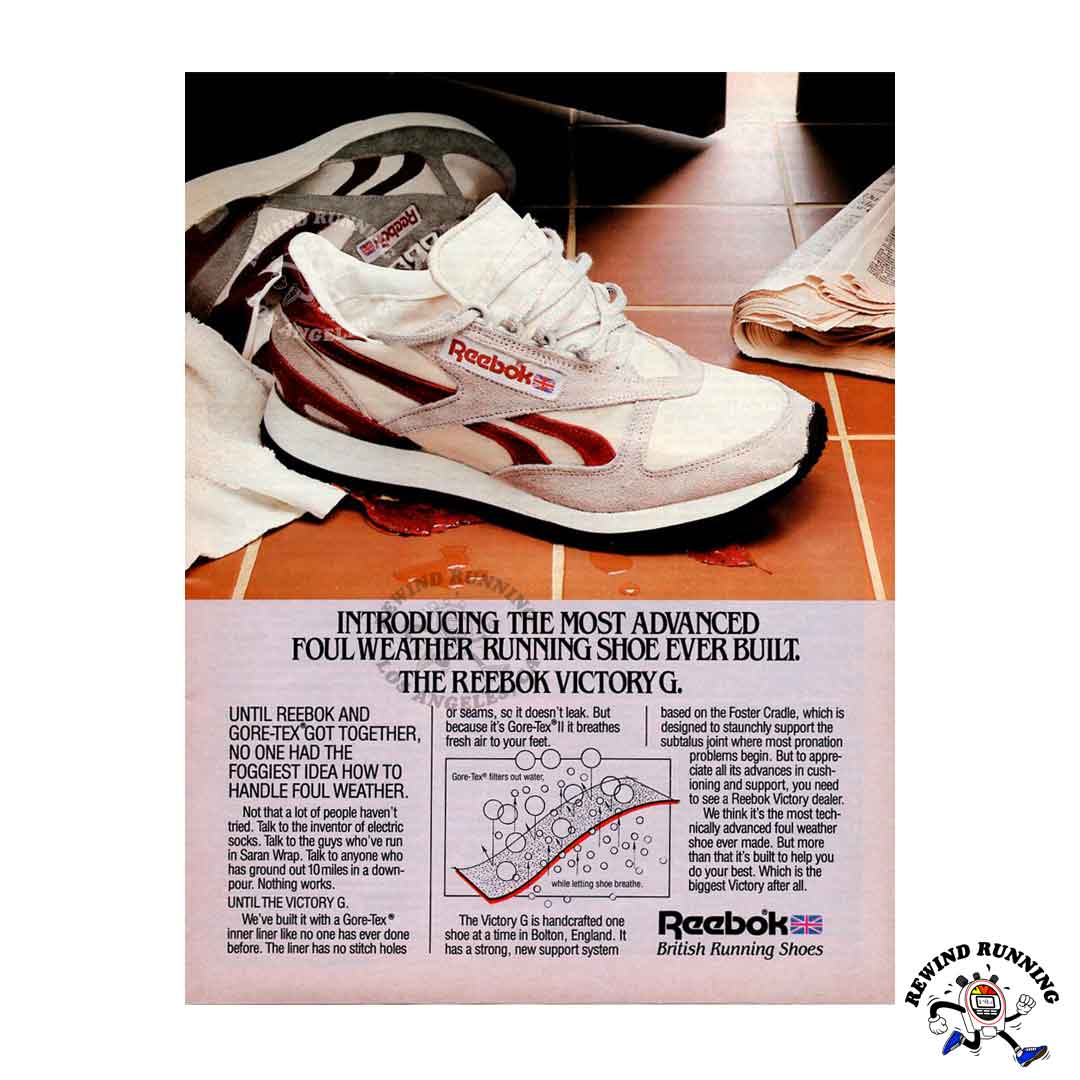
To style effectively, one must first understand the object itself. The quintessential 80s sneakers were architectural feats for the feet. Moving beyond the simpler canvas of preceding decades, they embraced new manufacturing technologies. Brands like Nike, Reebok, and Adidas pioneered the use of ethylene-vinyl acetate (EVA) in midsoles, allowing for unprecedented cushioning and that signature “chunky” profile. The uppers saw a shift from simple leather and canvas to a mix of nylon mesh, synthetic suede, leather, and even early iterations of waterproof materials like Gore-Tex. This material collage wasn’t just functional; it created visual complexity and texture. Furthermore, the era embraced bold, often primary, color-blocking. Panels of contrasting colors were not accents but fundamental design elements, a direct influence from racing stripes and team uniforms. As Dr. Elizabeth Semmelhack, Senior Curator at the Bata Shoe Museum, notes in her research on sneaker culture, “The 1980s marked the moment when the sneaker transitioned from a purely functional athletic item to a complex symbol of identity, enabled by technological innovation in design and aggressive celebrity marketing.” This complex symbol—bulky, colorful, and materially diverse—forms our foundational styling element. Its inherent visual weight and activity demand a considered approach to balance and proportion in a modern outfit.

Principle One: Counterbalance with Minimalist Tops
The most straightforward and effective strategy for integrating statement footwear is the principle of counterbalance. A pair of vibrant, chunky 80s sneakers—be it the Nike Air Max 1 (released 1987), the Reebok Freestyle Hi (1982), or the Adidas ZX 500—acts as the gravitational center of your outfit. To avoid a visually overwhelming or costume-like appearance, the upper half of your ensemble should provide a calm, clean canvas. This is where modern streetwear’s love for minimalist basics becomes essential. Think heavyweight, slightly oversized cotton tees in neutral tones like black, white, heather grey, or oatmeal. A perfectly fitted black turtleneck or a simple, boxy crewneck sweatshirt achieves the same effect. The philosophy here is echoed by designers like Virgil Abloh, who often spoke of the “3% approach”—taking a classic form and altering it just slightly. In this case, the sneaker is the bold 3%, and the minimalist top is the 97% classic foundation. This approach allows the shoe to be the undisputed hero. It also aligns with the Pareto principle applied to style: 80% of your outfit’s impact comes from 20% of its elements. Let the sneakers be that powerful 20%.
Principle Two: Play with Proportion and Volume
Modern streetwear has a nuanced relationship with proportion, often playing with volume and fit in deliberate ways. The substantial silhouette of 80s sneakers provides a unique opportunity to engage in this dialogue. One can either complement their volume or contrast against it. To complement, embrace the oversized trend. Pair your sneakers with wide-leg cargo pants or baggy, washed denim. The key is the break—allow the pants to pool slightly over the tongue and top of the sneaker, creating a continuous line of volume from hip to floor. This creates a confident, relaxed silhouette rooted in 90s skate and hip-hop culture, updated for today. Conversely, for a sharper, more contemporary contrast, opt for slim or straight-cut trousers that taper cleanly and end just at the ankle bone. This exposes the full, complex architecture of the sneaker, making it look almost like a piece of wearable sculpture. This juxtaposition—a sleek, tailored pant against a bulky, technical shoe—is a cornerstone of high-fashion streetwear, seen consistently in collections from brands like Alyx Studios or even in Kanye West’s early Yeezy Season presentations. It’s a look that speaks to a deliberate, curated aesthetic intelligence.

The Color Theory of Nostalgia: Integrating Bold Palettes
The color schemes of 80s sneakers are rarely shy. Electric blue, fiery red, solar yellow, and crisp white often clash and collaborate in dynamic paneling. Integrating these palettes into a modern outfit requires a move beyond matchy-matchy logic and towards tonal harmony or strategic accenting. One advanced method is to pick up a secondary color from the sneaker—not the dominant one—and echo it in a subtle accessory. For example, if your sneakers are primarily grey with hits of neon green, a simple beanie or sock in a similar neon green creates a cohesive thread without being overpowering. Another approach, favored by fashion insiders, is to treat the bold sneaker as a neutralizer for an otherwise monochromatic outfit. A head-to-toe black or grey outfit, leveraging different textures (matte, tech, wool), is instantly energized and grounded by a pair of colorful, complex sneakers. As color theorist and author Johannes Itten famously stated, “Color is life.” The vibrant life of the 80s sneaker, therefore, can be the element that animates a more subdued, modern palette. It’s a lesson in controlled chaos, where the shoe provides the “chaos” and the rest of the outfit provides the “control.”
Principle Three: Layer with Technical and Utilitarian Fabrics
The 80s were about futuristic optimism, often expressed through clothing that looked “technical” even if it wasn’t. Modern streetwear has fully embraced this with the proliferation of techwear—garments made from nylon, ripstop, bonded fabrics, and featuring utilitarian details like multiple pockets, zippers, and adjustable elements. This is a perfect stylistic bridge to the 80s sneakers that often featured similar synthetic materials. Layering a lightweight, water-resistant anorak over a minimalist tee, combined with tailored cargo pants and your vintage-inspired sneakers, creates a narrative of functionality. It tells a story of preparedness and urban exploration. The sneakers are no longer just a retro item; they are part of a cohesive kit. This approach finds validation in the writings of sites like Highsnobiety or Hypebeast, which frequently analyze the convergence of vintage sportswear aesthetics with contemporary technical design. The look says you appreciate design history but live firmly in the present, where performance and style are inseparable. A puffer vest, a mesh-layer long sleeve, or even a simple corduroy shirt can add textural depth that resonates with the mixed-material construction of the shoes themselves.
From Retro Relic to Wardrobe Staple: The Mindset Shift
The final, and perhaps most crucial, element is mindset. Wearing 80s sneakers today requires a shift from viewing them as fragile museum pieces to treating them as robust, everyday workhorses. This is where modern sneaker care and a confident attitude converge. Protect your investment with a quality waterproofing spray designed for suede and mesh. Rotate your pairs to allow the midsoles to decompress, preserving their structure. Most importantly, wear them without fear. Scuffs and creases on a well-loved pair of classic sneakers add to their character, telling the story of your own movement through the city. This philosophy is championed by countless sneaker enthusiasts on platforms like YouTube, where creators like “WearTesters” emphasize performance and durability over keeping shoes deadstock. As cultural critic and author Paul M. Farber has explored, everyday objects become cultural touchstones through use and personal narrative. Your worn-in pair of 80s sneakers, styled with modern intent, becomes a unique touchstone of your personal style journey.
Curating Your Edge: A Final Synthesis
Styling 80s sneakers for a modern edge is an exercise in contextual alchemy. It demands an understanding of design history, a keen eye for contemporary proportion, and a willingness to experiment with color and texture. Start with the shoe as your anchor. Build outward with minimalist, clean-lined tops to provide balance. Choose your pant silhouette wisely—either embracing volume for a relaxed statement or opting for a cleaner cut for sharp contrast. Use color intelligently, letting the sneaker’s palette guide accents rather than dominate. Incorporate layers that speak a modern language of utility and technical detail. Finally, wear them with the confidence that comes from knowing you’ve successfully bridged two distinct eras. The result is not a retro costume but a thoroughly contemporary look with depth, intelligence, and undeniable edge. The 80s sneakers cease to be a mere trend and become a foundational component of a sophisticated streetwear vocabulary, proving that true style is timeless precisely because it knows how to evolve.