

Styling Your 80s Sneakers for Modern Cool
Let’s be clear from the start: the 80s sneakers sitting in your closet or beckoning from a resale site aren’t just relics; they are a foundational element of contemporary style, waiting to be reactivated. This isn’t about nostalgia for its own sake, nor is it a call to blindly replicate 1985. It’s about recognizing that the design principles, cultural weight, and sheer aesthetic audacity of that decade’s footwear provide a unique toolkit for building a modern, intelligent, and decidedly cool wardrobe. The chunky silhouette, bold color-blocking, and technical-meets-street ethos of these shoes offer a potent counterpoint to the minimalist trends that have dominated recent years. To integrate them is not to costume yourself but to engage in a dialogue between eras, creating looks that are personal, dynamic, and rooted in design history. We’re moving past the idea of “throwback” and into the realm of “permanent style,” where the 80s sneakers function as a versatile, statement-making anchor.

The Anatomy of an Icon: Why 80s Design Endures
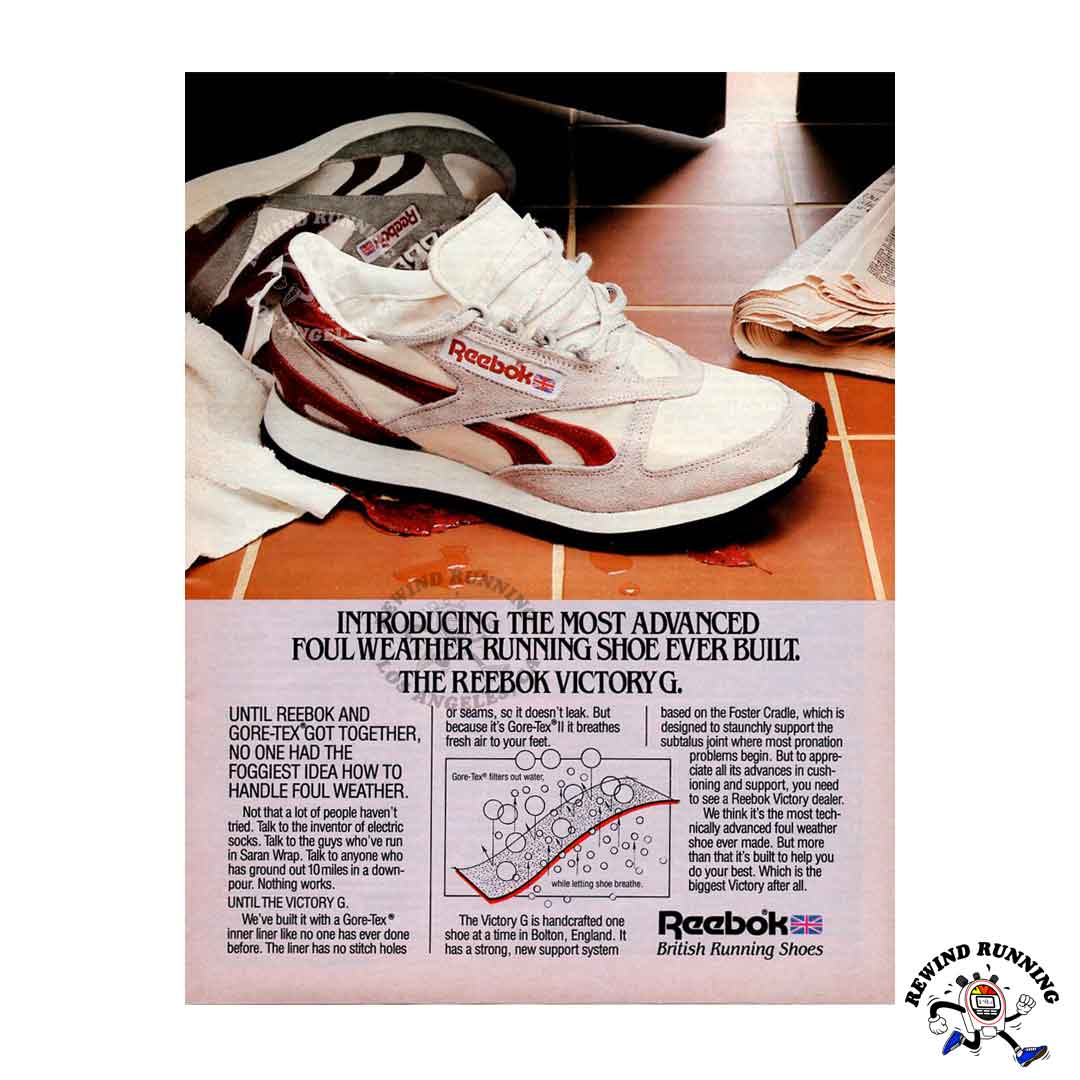
To style something effectively, you must first understand its essence. The 1980s were a crucible of innovation in sneaker design, driven by technological leaps in sports, the rise of hip-hop and street culture, and a new, bolder approach to fashion. Scientifically, the shift towards visible cushioning systems—like Nike’s Air units—wasn’t just marketing; it represented a move towards impact-absorbing materials that redistributed kinetic energy, a principle rooted in biomechanics. From a design theory perspective, these sneakers embraced postmodern eclecticism. They mixed materials (leather, mesh, synthetic suede, plastic) with abandon, employed exaggerated proportions, and used color not as an accent but as a primary structural element. As design critic Alice Rawsthorn has noted, postmodern design sought to communicate, to be “verbose” rather than silent. A pair of Reebok Classics or Nike Air Maxes are verbose; they tell a story of performance, aspiration, and identity. This objective design fact explains their persistence. They are not subtle, and in an era of digital noise, their physical, assertive presence cuts through. They possess what sociologist Pierre Bourdieu might term “cultural capital”—a legitimacy earned through decades of association with sport, music, and subculture. When you choose an 80s sneaker, you’re not just choosing a shoe; you’re leveraging four decades of compounded cultural significance.
Principle One: The Counterbalance Method
The most common misstep is matching the shoe’s inherent volume and energy with equally loud clothing, resulting in a cartoonish look. The modern approach is counterbalance. The foundational rule is to let the sneaker be the undisputed star. Pair bold, color-blocked 80s sneakers with clean, tailored, and relatively neutral pieces. Imagine a pair of vibrant, geometric-patterned Golas: their ideal partner is not baggy track pants, but a pair of impeccably cut, dark-wash straight-leg jeans or heavyweight wool trousers. The contrast between the precision of the tailoring and the playful complexity of the shoe creates tension and sophistication. On top, a simple, high-quality white tee or a fine-gauge merino sweater continues this theme. The goal is to create a visual hierarchy. As fashion director at large for Vogue, Sarah Harris, often demonstrates, high-impact footwear demands a calm, composed base. This method speaks to a confident understanding of proportion and focus. It acknowledges the shoe’s statement while grounding it in a contemporary silhouette that feels intentional, not costumed. The sneaker provides the exclamation point; the rest of the outfit forms the clear, declarative sentence.

Principle Two: Material Dialogue and Textural Play
Moving beyond color and silhouette, the advanced stylist engages with material. The typical 80s sneaker is a mosaic of textures: smooth leather panels, nubby suede overlays, glossy synthetic details, and breathable mesh. You can echo this sophisticated material conversation in your clothing. Instead of head-to-toe cotton, introduce elements that play with light and touch. A pair of sleek, technical nylon track pants (reminiscent of 80s athletic wear but cut with a modern, slimmer fit) against the leather of a sneaker creates a compelling narrative about utility and style. A soft, brushed-cotton chore jacket alongside the suede accents of a shoe adds depth. This approach is rooted in the design philosophies taught at institutions like the Royal College of Art, where sensory experience is considered as important as visual form. It transforms the outfit from a simple combination of items into a cohesive tactile experience. The sneakers are no longer an isolated accessory but are in direct dialogue with the fabrics that surround them, creating a unified, considered look that feels rich and detailed upon closer inspection.
The Cultural Reference: Beyond the Gym and the Mall
Understanding the cultural pathways these sneakers traveled enriches how you wear them. They are not solely gym gear. In the 1980s, they were adopted by breakdancers in the Bronx for their lateral support and cushioning, becoming a staple of hip-hop style—a connection famously solidified by Run-D.M.C. and their Adidas Superstars. In the UK, they were part of the casual football subculture, where brands like Gola and Reebok were worn off the pitch as badges of identity. Filmmakers also cemented their iconic status. The Nike Bruins worn by Marty McFly in Back to the Future linked them to futuristic cool, while the plethora of sneakers in films like The Breakfast Club showed their integration into teen life. Wearing them today, you can tap into these narratives subtly. It might mean adopting a clean, slightly oversized silhouette reminiscent of early hip-hop style, or pairing them with smart casualwear that nods to that UK terrace influence. As filmmaker and style icon Sofia Coppola once noted in an interview with The Gentlewoman, the most personal style often comes from weaving together these hidden threads of reference. Your outfit becomes a layered text, with the sneakers as the most recognizable footnote.
Principle Three: The Modern Context – Techwear and Beyond
The most forward-thinking application of 80s sneakers places them squarely within a modern techwear or elevated utilitarian context. This might seem paradoxical, but it’s perfectly logical. The 80s sneaker was, at its origin, a piece of technical equipment. Its re-emergence aligns with the contemporary fascination with functionality, pockets, and performance fabrics. The key is to bridge the retro aesthetic with futuristic elements. Picture a chunky, mesh-and-leather Nike Air Max paired with engineered cargo pants made from a technical, water-resistant fabric and a minimalist, insulated vest. The sneaker’s complex history contrasts with the clothing’s futuristic simplicity, creating a look that is both grounded and forward-looking. This synthesis is evident in the work of designers like Errolson Hugh of Acronym, who frequently references athletic silhouettes from past decades, re-contextualizing them with cutting-edge materials. It demonstrates that the 80s sneaker is not a closed chapter but an open-source design language, adaptable to the needs and aesthetics of the present. It proves their versatility, showing they can anchor an outfit that speaks to innovation and preparedness, not just retro appeal.
Bringing professional knowledge to your styling journey must also include practical access. The resurgence of these models means both high-end reissues and accessible vintage finds. Brands routinely re-release archival models, often with updated comfort technology—a perfect entry point. For the discerning enthusiast, dedicated resale platforms and vintage stores offer original pieces, each with a unique patina. The “discounted price” often lies in this second-hand market, where gems can be found with patience. Furthermore, investing in a quality reissue often provides better durability and comfort for daily wear than a crumbling original, representing long-term value. The true cost-per-wear of a versatile, iconic sneaker that elevates multiple outfits is invariably low.

So, where does this leave us? The journey with your 80s sneakers is one of reactivation and conversation. It begins with recognizing their objective design merit and cultural weight. It progresses through practical styling principles—counterbalancing their volume, engaging in material dialogue, and understanding their historical context. It culminates in the confidence to place them in a modern framework, whether that’s alongside tailored wool or technical nylon. This isn’t about concluding a trend, but about continuously exploring the potential of a design that has proven its resilience. The cool factor isn’t in the shoe alone; it’s in the intelligent, personal, and context-aware way you bring it into your now. That’s the modern cool—a cool built on knowledge, contrast, and a deep respect for the icons that started it all.
