

Styling 80s Sneakers for Modern Streetwear Looks
The resurgence of 80s sneakers is not a mere coincidence or a simple nostalgic blip. It represents a profound synthesis of cultural memory, design integrity, and contemporary fashion logic. These shoes, born from an era of bold experimentation, technological innovation in athletic wear, and burgeoning subcultures, carry a DNA that modern minimalism often lacks. Integrating them into today’s streetwear isn’t about costume play; it’s about harnessing their inherent architectural volume, iconic color blocking, and storied heritage to create looks that are both referential and refreshingly current. This article delves into the objective reasons behind their enduring appeal, provides a scientific breakdown of their key design elements, and offers a practical guide to weaving these vintage silhouettes seamlessly into your modern wardrobe.
The Unshakeable Foundation: Why 80s Sneakers Endure
To understand the persistent relevance of 80s sneakers, one must look beyond aesthetics to sociology, material science, and brand mythology. The 1980s were a pivotal decade for athletic footwear. As noted by cultural historians on platforms like Quora and in documentaries, this era saw the transition of sneakers from purely functional gym gear to central pillars of personal identity, driven by the rise of hip-hop, basketball’s global explosion, and the fitness craze. Brands like Nike, Adidas, Reebok, and Puma engaged in an “arms race” of technology, introducing visible Air cushioning, gel systems, and advanced stabilizing features. This technological spectacle became part of the design. From a materials perspective, the widespread adoption of synthetic leathers, mesh, and durable rubber compounds meant these shoes were built to last—a fact proven by the thriving market for deadstock and well-preserved vintage pairs. Furthermore, the endorsement ecosystem solidified. As Michael Jordan’s partnership with Nike demonstrated, a sneaker could become a legend. Film and literature, from Back to the Future’s self-lacing Nike Mags to the symbolic importance of sneakers in hip-hop narratives, embedded these models in the global consciousness. This confluence of durable construction, technological storytelling, and deep cultural embedding provides an objective, scientific basis for their timelessness, making them more than just old shoes—they are wearable artifacts.

Deconstructing the DNA: Key Design Elements of 80s Sneakers
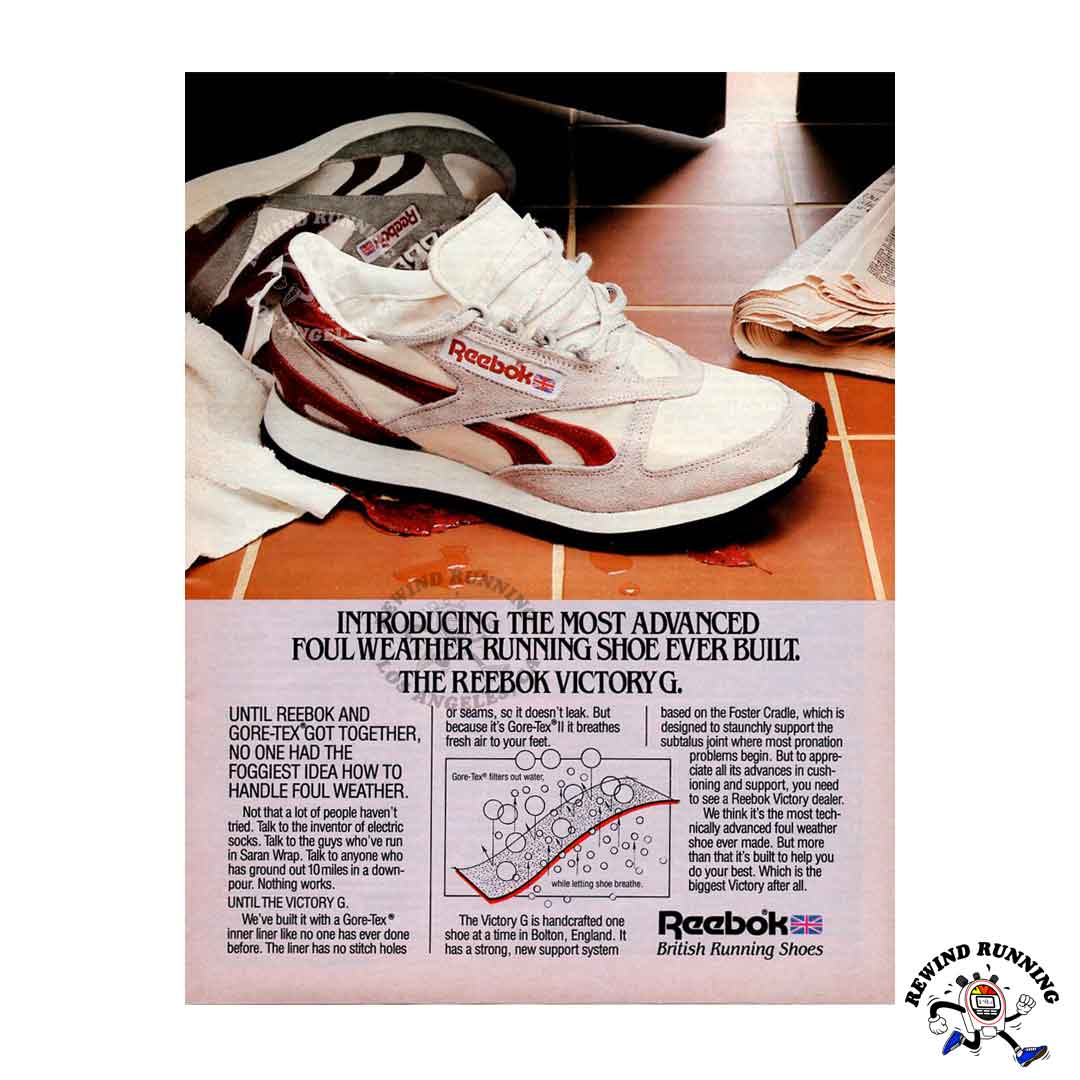
Objectively analyzing the design language of 80s sneakers reveals a set of distinct, replicable elements that differentiate them from earlier or later models. First, Volume and Silhouette: Driven by performance needs for cushioning and support, 80s sneakers often feature a high-top or mid-top profile with a pronounced, bulky sole unit. This creates an assertive, grounded silhouette that contrasts sharply with the sleek, low-profile runners of the 70s or the ultra-streamlined designs of the 2000s. Second, Color Blocking: Color theory was applied with fearless confidence. Panels of bold, often primary colors (red, blue, yellow, black, white) were separated by sharp lines and contrasting logos. This wasn’t arbitrary; it often highlighted structural panels or technological components, like a windowed Air unit or a stabilizing heel counter. Third, Material Mix: A single shoe would commonly combine leather, synthetic suede, nylon mesh, and plastic overlays. This textural contrast added visual complexity and served specific functions—mesh for breathability, leather for structure, plastic for support. Fourth, Graphic Logos and Typography: Branding became larger and more graphic. The Nike Swoosh expanded, Reebok’s vector logo became prominent, and Adidas’s trefoil (and later, the three stripes) were applied liberally. This reflected the growing confidence of sportswear brands as cultural powerhouses. Understanding these elements scientifically allows us to appreciate them as intentional design choices, not random period quirks.
Modern Alchemy: Integrating Vintage Silhouettes into Contemporary Cuts
The magic happens when these distinct vintage elements collide with modern streetwear’s ethos. The current streetwear landscape, heavily influenced by high-fashion deconstruction, techwear functionality, and a preference for oversized fits, provides the perfect canvas. The key is balance. The inherent bulk of an 80s sneaker pairs brilliantly with the relaxed drape of wide-leg trousers or cargo pants, creating a harmonious volume from head to toe. Conversely, they can provide a powerful, stabilizing foundation to an otherwise minimalist outfit of tailored black trousers and a simple tee, letting the shoes be the unequivocal statement piece. When dealing with bold color blocking, use the “one-plus-one” rule: let one color in the sneaker connect with a minor element in your outfit—a logo on a cap, the trim of a sock, or a graphic on a t-shirt—while keeping the rest of the palette neutral. This creates cohesion without veering into matchy-matchy territory. As fashion commentator and YouTuber Tim Dessaint often articulates, “The contrast between a vintage, technical sneaker and a modern, clean garment creates a dialogue. It shows a considered understanding of style history, not just a consumption of current trends.” This approach brings professional styling knowledge directly to your closet, allowing for intelligent, personal expression.

Beyond the Hype: Investment and Accessibility
Engaging with 80s sneakers doesn’t necessitate chasing six-figure auction prices for deadstock Grails. The beauty of this trend is its accessibility. A robust market exists for well-kept vintage pairs, which often carry a patina and story that new reproductions lack. Furthermore, nearly every major brand has extensive “retro” or “reissue” lines, faithfully recreating iconic 80s models with modern comfort tweaks. These are often available at standard retail or, with patience, on sale. For instance, models like the Reebok Classic, Nike Air Max 1 (technically a late-80s design), or Adidas ZX series can frequently be found at discounted prices during seasonal sales, bringing high-design heritage within practical reach. This democratization is crucial. It aligns with the original spirit of these shoes—worn by kids on courts and streets—and ensures the style remains alive through wear, not just behind glass cases. The professional knowledge here is to research the original model and its various reissues, understand the differences in materials and shape, and make an informed choice between vintage character and new consistency based on your budget and values.
A Living Archive: The Cultural Footprint in Your Hands
Ultimately, styling 80s sneakers today is an act of cultural curation. Each time you lace up a pair, you’re connecting with a specific moment in design, sport, and music history. You are wearing a piece of engineering that revolutionized athletic performance and a canvas that absorbed the energy of breakdance battles, basketball finals, and early hip-hop fashion. This isn’t passive nostalgia; it’s an active engagement with design history. As author and design critic Pauline Brown noted in her writings on aesthetic intelligence, “The most powerful objects in our lives are those that carry authentic narrative weight.” The chunky soles, loud colors, and technical panels of an 80s sneaker are that narrative in physical form. By integrating them thoughtfully into a modern context, you are not erasing that history but building upon it, creating a personal style that is layered, intelligent, and defiantly individual. The street becomes your gallery, and your feet display a masterpiece of pragmatic design.

So, look at your wardrobe not as a collection of transient trends, but as an ecosystem. Introduce the robust form and chromatic energy of an 80s sneaker. Let it anchor your fluid modern pieces. Observe how the conversation between decades on your feet elevates your entire presence. The goal isn’t to look like you stepped out of a 1985 yearbook, but to demonstrate that the most forward-thinking style is often built on a deep, respectful, and creatively reinterpreted foundation. The proof is in the pairing, and the journey starts with a single, historically significant step.
