

Styling 80s Sneakers for Modern Streetwear Edge
The resurgence of 80s sneakers is not merely a nostalgic blip on fashion’s radar; it’s a full-throttle reclamation of design principles that prioritize bold expression, durable construction, and unapologetic individuality. In today’s streetwear landscape, dominated by minimalist aesthetics and rapid trend cycles, these vintage silhouettes offer a potent antidote: character. They are not just shoes; they are wearable archives of a decade defined by technological optimism, subcultural explosions, and a radical shift in how sportswear interacted with daily life. Integrating these pieces into a contemporary wardrobe isn’t about costume play—it’s about harnessing their inherent architectural drama and historical weight to carve a distinct sartorial identity. This exploration delves into the why and how, moving beyond superficial retro appeal to build a foundational understanding of their design language, cultural significance, and practical, edge-defining styling strategies.
The Architectural Blueprint: Deconstructing 80s Sneaker Design
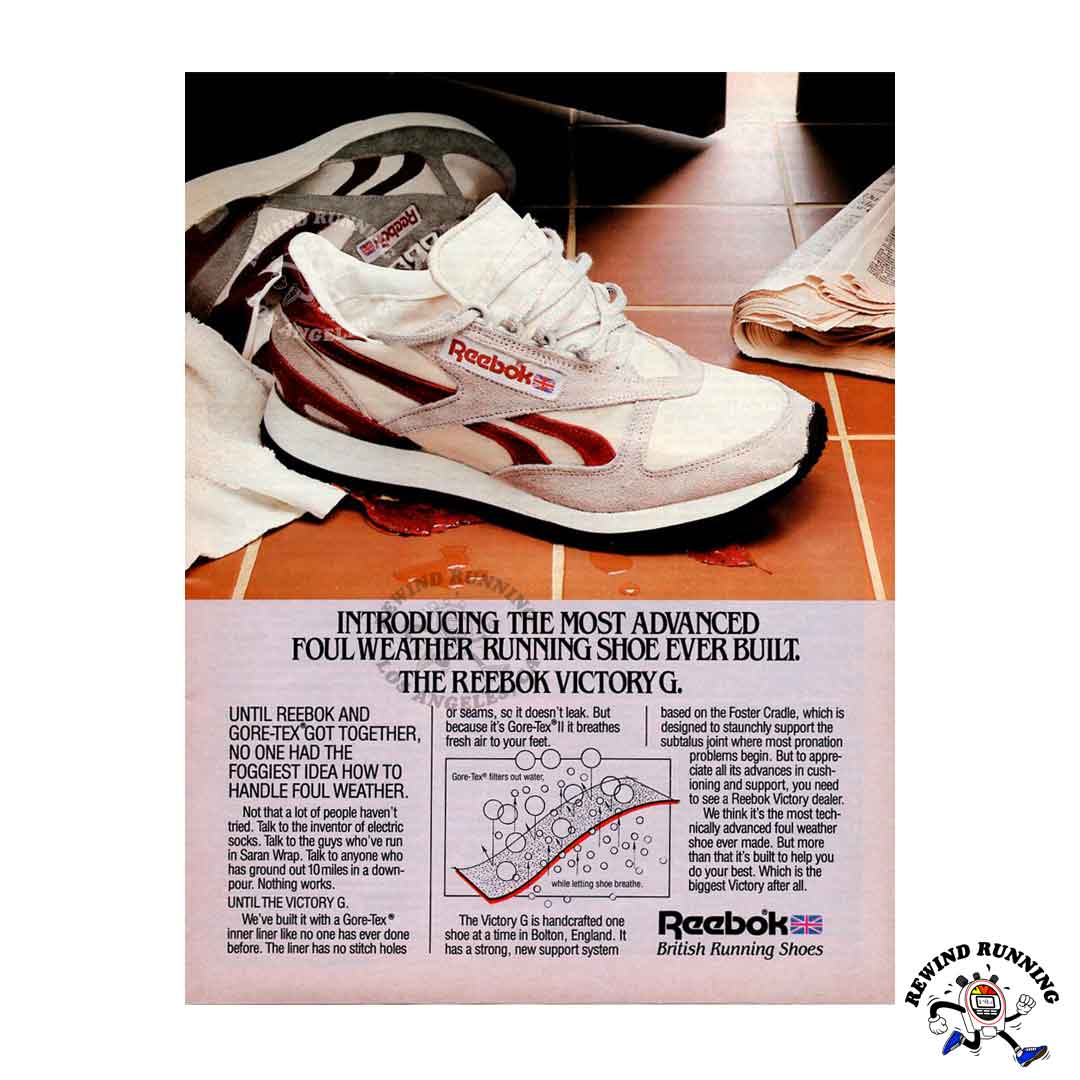
To style 80s sneakers effectively, one must first understand their design DNA. The 1980s marked a revolution in athletic footwear, driven by advancements in material science and a burgeoning fitness culture. Brands like Nike, Reebok, and Adidas transitioned from canvas and simple rubber to sophisticated synthetics. Key features include exaggerated silhouettes—think bulky midsoles, high-top collars, and pronounced toe boxes—which were as much a statement of technological prowess as they were of style. The use of newly developed ethylene-vinyl acetate (EVA) in midsoles allowed for enhanced cushioning, visibly thickening the shoe’s profile. This was the era of “tech” becoming visible. Furthermore, color blocking was aggressive and often illogical by previous standards, utilizing neon brights and contrasting panels not just for visibility on the court or track, but as a form of graphic expression. A study from the University of Fashion’s historical archive notes that this period saw “the functional components of the shoe—the air unit, the pump, the gel window—become central decorative elements.” This design philosophy of overt, almost industrial expression is the core of their modern appeal. They are inherently deconstructed, wearing their engineering on the outside, which provides a rich, complex visual texture that contrasts sharply with the seamless, often monochromatic uppers of many contemporary sneakers.

Cultural Cachet: From Subculture to Supreme
The power of 80s sneakers is inextricably linked to their cultural journey. They were born on the courts and tracks but came of age on the streets, adopted by hip-hop pioneers, breakdancers, and skateboarders. This migration from sport to subculture bestowed upon them an authenticity that modern marketing cannot replicate. As legendary hip-hop artist and cultural commentator Chuck D once articulated, “Our gear wasn’t about fashion houses; it was about armor. The shell-toes, the high-tops—they were a uniform of identity and resilience.” This sentiment is echoed in documentaries like “Fresh Dressed,” which charts the symbiotic relationship between street culture and sneakers. On platforms like Quora and in digital archives from Complex or Highsnobiety, historians point to specific models like the Nike Air Force 1 or the Reebok Classic Leather becoming blank canvases for community identity. Their bulky, protective nature served the physical demands of b-boying, while their distinctive looks defied conformity. This history is not a dusty relic; it is active capital. Wearing these sneakers today connects the wearer to a lineage of DIY creativity and counter-cultural assertion. It’s a choice that carries a narrative weight, setting the wearer apart in an era of fast-fashion homogeneity.
The Modern Synthesis: Styling Principles for Contemporary Edge
Integrating these statement pieces requires a balanced approach that respects their volume and history while forging a modern look. The goal is synthesis, not replication. Here are five foundational principles:
1. The Principle of Contrasting Volume
Avoid the head-to-toe 80s athletic look, which can appear costumey. The key is to play the substantial silhouette of the sneaker against more streamlined, contemporary pieces. Pair bulky, high-top 80s sneakers with slim-fit or straight-leg trousers that can be neatly cuffed or stacked just above the shoe’s collar. This frames the sneaker as the focal point. For women, pairing them with a sleek slip dress or tailored wide-leg trousers creates a powerful juxtaposition of feminine or tailored lines with rugged, sporty foundation. The contrast highlights the shoe’s design and prevents the outfit from feeling “heavy.” As stylist and YouTube personality Alexa Chung advises in a video dedicated to vintage sneakers, “Let the shoe be the hero. Build the outfit around it with pieces that are quiet in texture but sharp in cut.” This principle ensures the sneaker adds edge without overwhelming the silhouette.
2. Monochromatic Anchoring
Given the often vibrant or complex color schemes of vintage sneakers, anchoring your outfit with a monochromatic base (black, white, grey, navy, or beige) allows them to pop without creating visual chaos. A head-to-toe black outfit—black denim, black tee, black trucker jacket—serves as the perfect canvas for a pair of neon-accented or white-leather 80s kicks. This technique is frequently employed by modern style icons like David Beckham, who often uses minimalist wardrobe staples to offset statement footwear. It’s a method rooted in art direction: the sneaker becomes the singular, dynamic accent color in a composed palette. This approach not only looks intentional and modern but also democratizes styling, making even the boldest sneaker accessible for daily wear.

3. Technical Fabric Integration
Bridge the gap between eras by incorporating modern technical fabrics. The 80s sneaker’s synthetic leather, mesh, and rubber composition finds a natural partner in contemporary nylon cargo pants, ripstop jackets, or tech-fleece sweatsuits. This creates a cohesive, futuristic sportswear narrative rather than a retro one. Brands like A-Cold-Wall or Nike ACG have built entire aesthetics on this fusion. It speaks to a functional, utilitarian edge that feels relevant today. A water-resistant anorak paired with tailored track pants and vintage running sneakers is a look that is both pragmatic and sharply fashionable, connecting the shoe’s performance heritage to today’s techwear trends.
4. Subcultural Layering
Honor the sneaker’s roots through intelligent layering that references, but doesn’t mimic, its original subcultural contexts. A vintage band tee (think post-punk or hip-hop), layered under an overshirt or lightweight utility vest, paired with durable canvas or corduroy pants, creates a rich tapestry of references. This isn’t about recreating a 1985 breakdance battle; it’s about using those aesthetic codes as a vocabulary. As documented in literature from Central Saint Martins on fashion semantics, “Items carry historical signifiers. Modern styling is the art of re-contextualizing those signifiers to form new sentences.” Adding a beanie, a chain, or a structured bucket hat can complete this layered, insider-knowledge look that feels both personal and deeply informed.
5. The Elevated Basics Strategy
For those seeking a more subtle infusion of edge, focus on premium basics. A high-quality, heavyweight cotton crewneck sweater, perfectly broken-in raw denim, and a classic wool overcoat provide a sophisticated foundation. Introducing a clean, white-leather 80s sneaker (like a Reebok Club C or a Gola Harrier) into this mix instantly subverts the formality and injects a relaxed, confident nonchalance. This is a staple look in European street style, where the tension between classic tailoring and sportswear creates undeniable cool. It proves that edge doesn’t always shout; sometimes it’s in the quiet confidence of mixing high and low, old and new, with precision.

Beyond Aesthetics: The Value Proposition of Vintage and Retro
Engaging with 80s sneakers also presents a compelling value proposition. Firstly, the build quality of many original 80s models or dedicated retro reissues often surpasses that of fast-fashion footwear. The materials, while synthetic, were designed for athletic performance and demonstrate remarkable durability. Secondly, navigating this space brings professional knowledge—learning about models, brand histories, and construction—which enriches the entire experience, transforming a purchase into an act of curation. Finally, the market offers accessible entry points. While deadstock vintage pairs can command high prices, the widespread reissue programs from major brands make these iconic designs available at accessible price points. Furthermore, the secondary market on platforms like eBay is ripe for discovery, offering the chance to own a piece of history, often at a significant discount compared to hyped contemporary releases. This combination of tangible quality, intellectual engagement, and financial accessibility makes building a wardrobe around these pieces a smart, sustainable style investment.
Ultimately, styling 80s sneakers for a modern edge is an exercise in contextual intelligence. It demands an appreciation for their design language and cultural weight, then challenges the wearer to re-frame that legacy within a contemporary visual dialogue. The result is not an outfit stuck in the past, but a personal style that is robust, narrative-rich, and defiantly distinct. The edge comes not from the shoe alone, but from the informed and intentional act of bringing its history into your present.
