

The Ultimate Guide to Walking Shoes That Elevate Your Outfit
For too long, the world of fashion and the realm of practical comfort have been locked in a silent standoff. We’ve been told to choose: either make a statement with our footwear or ensure our feet can carry us through the day without protest. This is a false dichotomy. The right pair of shoes to walk in is not a compromise; it is the cornerstone of a confident, capable, and stylish existence. They are the unsung heroes that bridge the gap between an outfit that looks good in a mirror and one that feels empowering on the city streets, from a morning commute to an evening stroll. This guide dismantles the old rules, proving that the most practical choice can also be your most powerful style asset. We will explore how engineering, material science, and design converge to create footwear that doesn’t just serve your feet but elevates your entire presence.
The Anatomy of a Modern Walking Shoe: Where Science Meets the Sidewalk
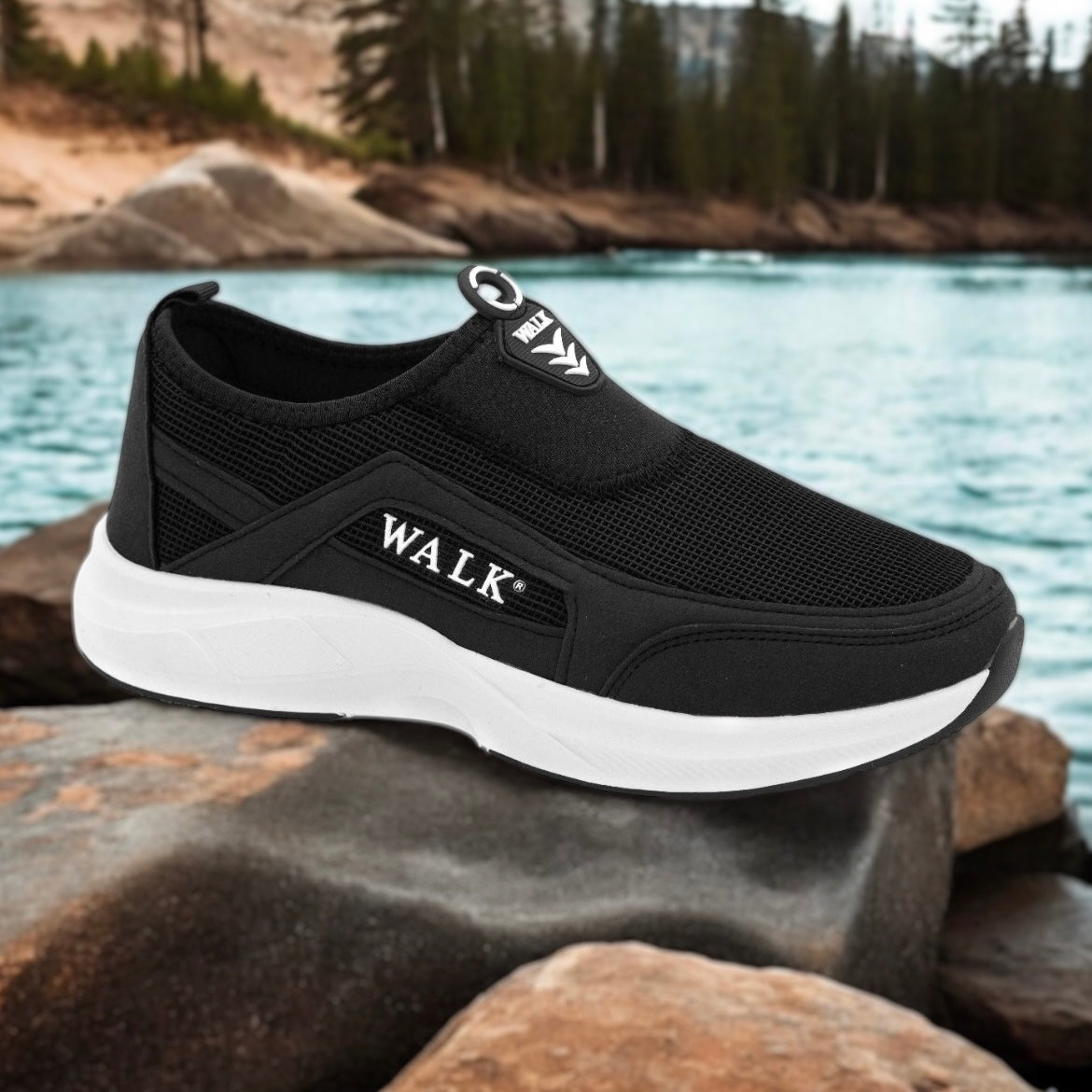
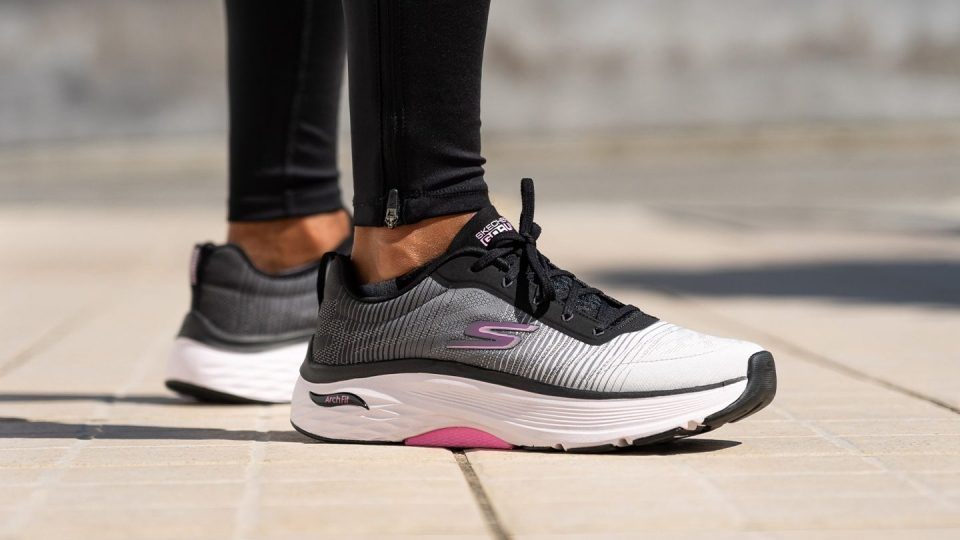
To understand how a shoe can be both a comfort tool and a style piece, we must first look beneath the surface. The contemporary walking shoe is a feat of biomechanical engineering. Let’s start with the midsole, typically crafted from EVA (ethylene-vinyl acetate) foam or advanced compounds like polyurethane. According to research from the Harvard Medical School, the primary role of cushioning is not merely softness but shock attenuation—dissipating the force of each heel strike, which can be 1.5 times your body weight, to protect joints up the kinetic chain. Then comes the critical element of stability. Overpronation, the inward roll of the foot, is a common gait issue addressed by medial posts or dual-density foams. This isn’t just marketing; a study published in the Journal of Orthopaedic & Sports Physical Therapy notes that appropriate motion control can reduce the risk of common overuse injuries. The outsole’s rubber compound and tread pattern, or lugs, are engineered for durability and traction, a principle borrowed from tire technology. The upper has evolved from mere leather to engineered meshes, like Adidas’s Primeknit or Nike’s Flyknit, which offer targeted breathability and a sock-like fit. This scientific foundation is non-negotiable. When you are evaluating potential shoes to walk in, you are not just choosing a color; you are selecting a personal mobility system. The true style innovation is that these technical elements are now integrated into silhouettes that are sleek, minimalist, and visually coherent, moving far beyond the bulky, overtly “athletic” looks of the past.
Silhouette as Style: The Architectural Principles of Footwear
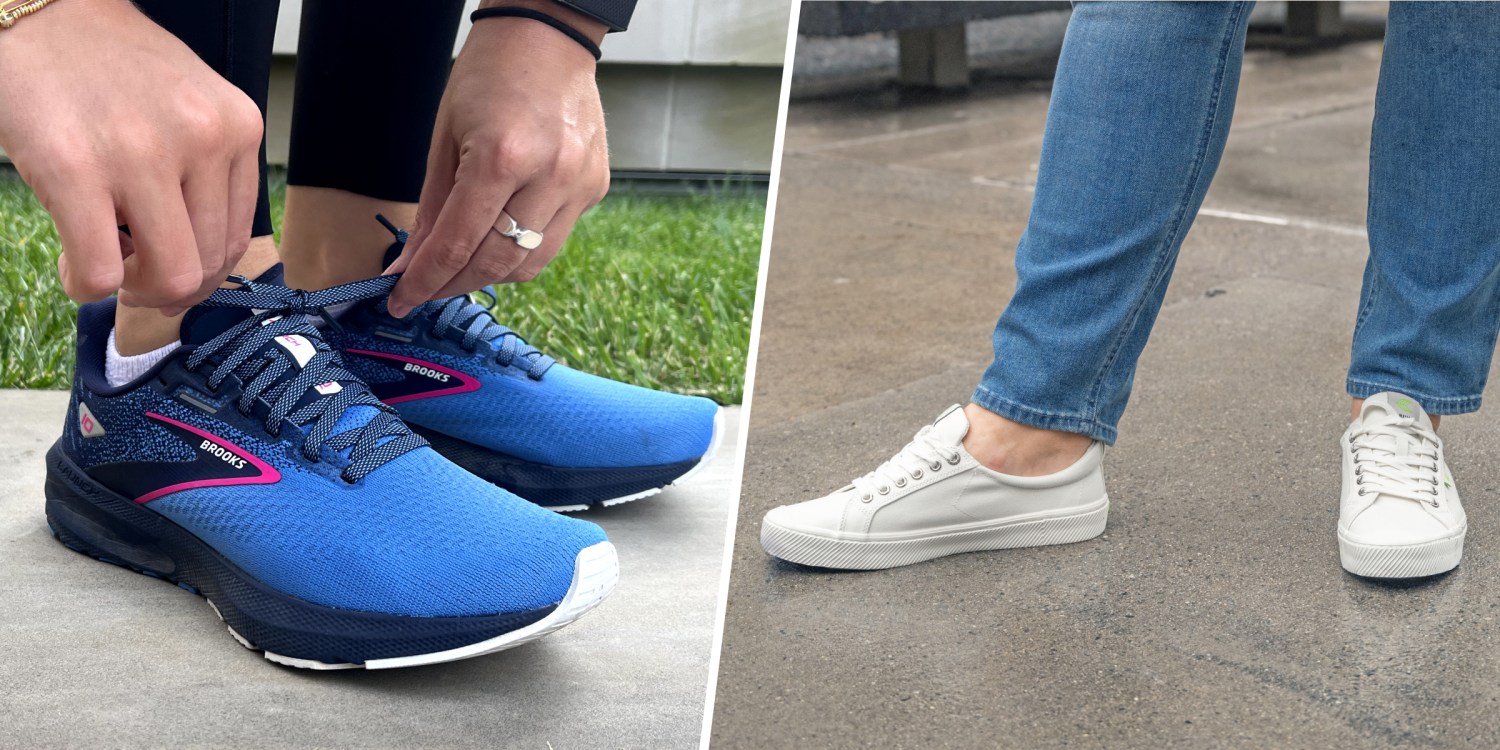
The shift from clunky to curated is the single most important trend in walking footwear. The modern aesthetic favors clean lines, monochromatic or tonal color schemes, and materials with intrinsic texture. Think of the rise of brands like Allbirds, whose Wool Runners gained fame not just for sustainable materials but for their simple, office-appropriate profile. Or consider the enduring popularity of classic styles like the Adidas Stan Smith or the New Balance 574, which have transcended their athletic origins to become wardrobe staples. The style principle at work here is architectural: a shoe should provide a solid, elegant foundation for your outfit. A sleek, low-profile white sneaker can anchor everything from tailored trousers to a summer dress, creating a look that is both polished and prepared for action. As fashion commentator and author Tim Gunn famously emphasized, the details are not just details; they make the design. The detail in a great walking shoe is the seamless integration of its technical components. The heel counter is structured but not bulky; the toe box is roomy but shaped; the sole has presence without being ponderous. This creates a versatile silhouette that communicates intentionality. You are not wearing sneakers because you gave up; you are wearing them because they are the superior, intelligent choice for modern life. This philosophy aligns with the minimalist “capsule wardrobe” approach, where a few high-quality, versatile items—including one or two exceptional pairs of shoes to walk in—replace a closet full of specialized, seldom-worn options.
The Material World: Leather, Knit, and Sustainable Innovation
Material choice is the nexus of durability, comfort, ethics, and visual appeal. Traditional full-grain leather remains a premium option for its ability to mold to the foot over time, its durability, and its developing patina. It offers a more formal aesthetic that easily bridges business-casual environments. However, the technological textiles have revolutionized the category. Engineered mesh provides unparalleled breathability, a key factor in foot health, as noted by the American Podiatric Medical Association, which stresses the importance of reducing moisture to prevent fungal infections. Moreover, the sustainability movement has pushed materials to the forefront. Recycled polyester from plastic bottles, organic cotton, and natural rubber are now standard in forward-thinking brands. Piñatex, a leather alternative made from pineapple leaf fibers, and Mylo, a leather grown from mycelium (mushroom roots), represent the cutting edge. Choosing a shoe made with these materials is a style statement in itself—it speaks to a consciousness that values innovation and responsibility. This isn’t a niche concern; as Livia Firth, founder of Eco-Age, has articulated, sustainable fashion is the only credible future for the industry. When your shoes to walk in are crafted from recycled ocean plastic or renewable sources, they carry a narrative that enhances their value far beyond their price tag. The texture of these new materials—the knit of a recycled yarn, the subtle grain of a plant-based leather—adds a layer of visual interest that synthetic materials of the past lacked, proving that ethical choices can be deeply aesthetic ones.
The Color Palette of Confidence: Beyond White and Black
While a pristine white or a versatile black sneaker is a wardrobe essential, the modern palette for walking shoes has expanded dramatically. Earth tones—olive, terracotta, taupe, and slate blue—offer a sophisticated neutrality that pairs beautifully with both casual and smart-casual wear. These colors have a grounded, intentional feel, drawing from nature and contemporary interior design trends. For a bolder statement, a single pop of color on a detail like a heel tab or lining can inject personality without overwhelming an outfit. The psychology of color in fashion is well-documented; as noted in research from the Institute of Color Psychology, different hues can influence perception and mood. A rich burgundy or forest green can convey creativity and stability, respectively, adding a non-verbal layer to your personal presentation. The key is coordination, not matchy-matchy perfection. Let your shoes provide a complementary accent to your clothing’s color story. A navy shoe with a grey outfit, a cream shoe with navy trousers—these combinations show sartorial savvy. The liberation here is that your practical shoes to walk in no longer need to hide; they can actively participate in and enhance your overall aesthetic composition, turning a functional item into a focal point of thoughtful style.
The Investment Equation: Cost Per Wear and Smart Acquisition
Viewing a quality walking shoe as an investment requires a shift in perspective: from initial price to cost per wear. A $150 pair of shoes worn 300 times a year costs 50 cents per wear. A $50 pair that causes discomfort and falls apart in six months is a far poorer financial and experiential investment. Professional knowledge dictates that you are not buying a product; you are buying engineering, materials, and labor that ensure support, durability, and foot health. To make this investment accessible, strategic shopping is key. End-of-season sales, holiday promotions like Black Friday, and brand outlet stores are excellent avenues. Signing up for newsletters from reputable retailers often grants access to first-time buyer discounts or exclusive sale alerts. Furthermore, consider the secondary market for like-new or refurbished premium models from trusted resale platforms. The goal is to acquire superior technology and construction at an accessible point. For instance, brands like Brooks or ASICS often have previous-generation models available at significant discounts, offering 90% of the performance technology of the latest version for a fraction of the price. This approach brings professional-grade footwear within reach, ensuring that your step is supported by the best science available, without straining your budget. It’s a financially intelligent way to prioritize the long-term health of your feet and the enduring style of your wardrobe.
The Final Step: Integration into Your Daily Life
The ultimate test of these shoes is not in the store but in the flow of your life. They should be the default choice, not the exception. This means pairing them with confidence across scenarios. With tailored trousers, ensure the trouser break is clean—a slight taper above the shoe works best. With denim, both slim and straight-leg cuts complement a sleek sneaker. For dresses and skirts, the contrast between feminine and utilitarian creates a dynamic, modern look. The liberation offered by the right pair is profound. Suddenly, a “quick errand” doesn’t necessitate an outfit change. A day of travel becomes less daunting. You move through the world with the assurance that your foundation is both solid and stylish. As the writer and walker Geoff Nicholson once mused, “Walking is the perfect way of moving if you want to see into the life of things.” Shouldn’t the shoes to walk in on that journey of observation be worthy of the vistas, both urban and personal, that they will encounter? They are the quiet engine of your daily adventures, the piece that unites form and function so completely that the distinction finally disappears. You are left not with “walking shoes” and “dress shoes,” but simply with your shoes—perfectly suited for wherever you choose to go, in comfort and in style.
