

Styling 80s Sneakers for Modern Streetwear Edge
The resurgence of 80s sneakers isn’t merely a nostalgic trip down memory lane; it’s a deliberate sartorial statement, a fusion of historical design integrity with contemporary fashion’s relentless pursuit of individuality. These shoes, born from the explosive convergence of athletic innovation, pop culture, and burgeoning street style in the 1980s, carry a DNA of rebellion and authenticity. To style them today is to tap into that raw energy, transforming it into a modern edge that defies the ephemeral nature of fast fashion. This isn’t about wearing a museum piece; it’s about weaponizing a classic silhouette to carve out a distinct identity in the urban landscape. The chunky soles, bold color blocking, and technical materials that defined the era are now the very tools for constructing a look that is both referential and radically present.

The Architectural Foundation: Deconstructing the 80s Sneaker Silhouette
To masterfully style 80s sneakers, one must first understand their architectural language. The 1980s was a decade of excess and technological optimism, reflected vividly in footwear design. This period moved beyond the simple canvas of earlier decades into a realm of advanced polymers, synthetic leathers, and air-cushioning systems. A key scientific principle at play was the improvement of energy return and impact protection. As noted in biomechanics literature from institutions like the University of Calgary’s Human Performance Laboratory, the introduction of encapsulated air units (pioneered by Nike Air) and gel cushioning (by ASICS) aimed to reduce ground reaction forces on the athlete’s body. This technological push, driven by competitive sports marketing, resulted in visibly thicker midsoles and more complex sole structures. From a design perspective, this created a pronounced, often chunky, silhouette that became a hallmark. Furthermore, the use of vibrant color blocking wasn’t purely aesthetic; it was a marketing and branding necessity in the era of MTV and booming consumer culture. Brands like Reebok with the Freestyle, Adidas with the Micropacer, and Nike with the Air Jordan 1 used bold hues to stand out on shelves and courts. This combination of technical bulk and graphic color forms the non-negotiable foundation of the 80s sneaker. When you lace up a pair today, you are not just putting on shoes; you are stepping into a piece of engineered history, a wearable artifact of a pivotal moment in both sport and style. The visual weight and graphic statement they provide become the cornerstone of any modern outfit, demanding that the rest of your ensemble either complement or consciously contrast with this strong foundation.
Contrast & Context: Integrating the Classic with the Contemporary
The most potent application of 80s sneakers in modern streetwear lies in the art of deliberate contrast. The mistake of a head-to-toe retro look is that it becomes a costume. The modern edge is achieved by placing these historic pieces in a contemporary context. This is a principle echoed by designers like Virgil Abloh, who frequently spoke of the “3% rule” – altering a classic design just enough to make it new. In styling terms, this means pairing your technically complex, colorful sneakers with minimalist, clean-lined contemporary pieces. Imagine a pair of neon-accented Reebok Pump Classics, with their aggressive lines and mechanical detailing, worn with tailored, single-pleat trousers in a neutral olive or stone color and a simple, oversized heavyweight cotton tee. The sneaker becomes the explosive focal point, while the modern, relaxed tailoring provides a sophisticated, quiet canvas. Conversely, one can lean into utilitarian wear. The robust, often suede and mesh construction of many 80s sneakers pairs seamlessly with techwear elements: cargo pants with modular pockets, a technical vest, or a sleek nylon coach’s jacket. This approach treats the sneaker not as a retro item, but as a functional component of a futuristic uniform, bridging the analog past and the digital present. The context is everything. Wearing them with distressed denim and a vintage band tee is a straightforward, effective homage. But pairing them with sleek, draped jersey wear or avant-garde silhouettes creates a fashion-forward tension that is the very essence of modern streetwear edge. It signals a deep understanding of fashion history while demonstrating the confidence to rewrite its rules.

Material Witness: The Texture of Authenticity
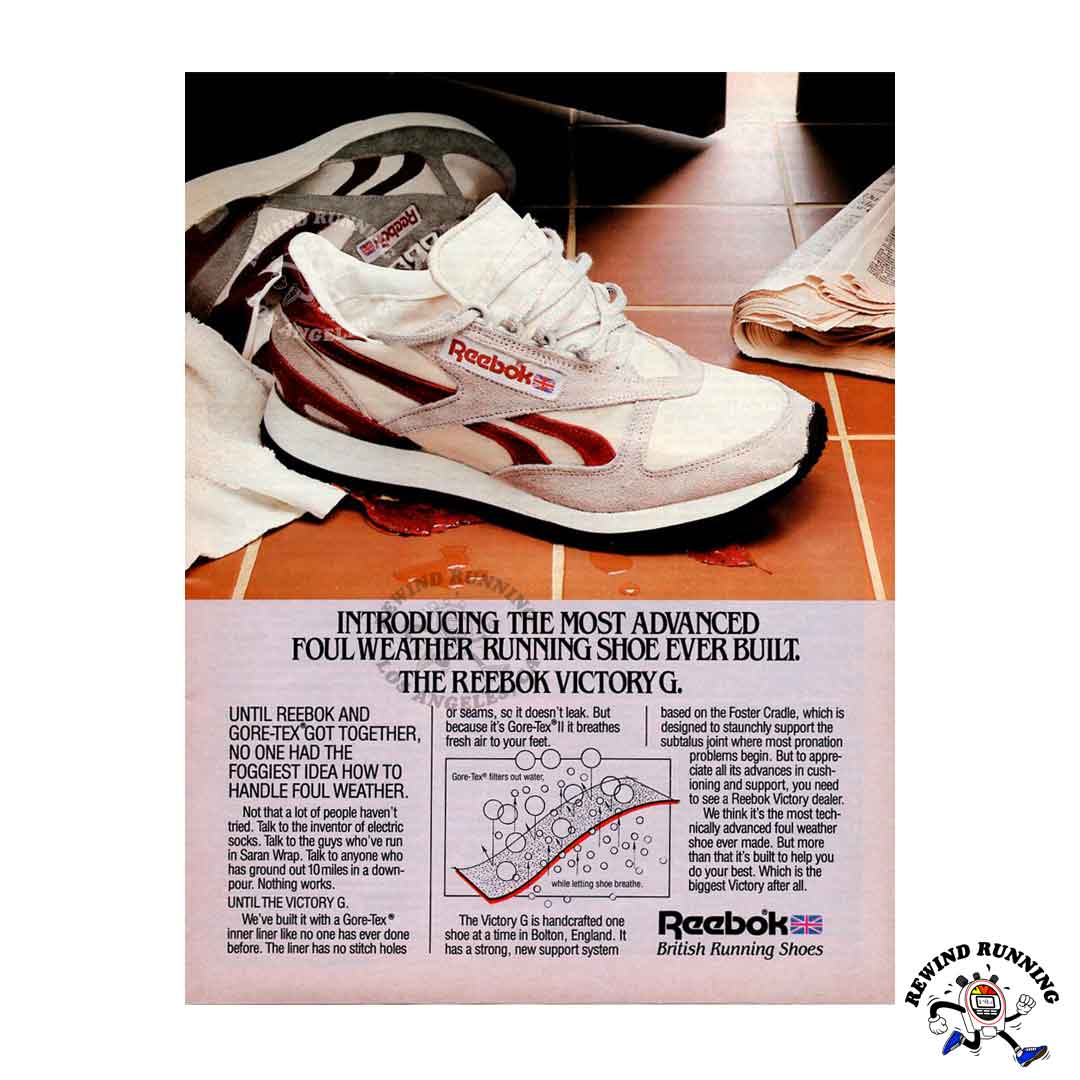
Beyond shape and color, the material composition of 80s sneakers is a critical styling tool. The era’s sneakers were tactile manifestos. You had the buttery softness of premium leather on Nike Air Jordan 1s, the durable suede overlays on Adidas Superstars, the synthetic mesh and shiny patent leather of the Reebok Freestyle, and the innovative use of nylon and Gore-Tex in trail-running models. This material honesty is a stark contrast to the often homogenous, recycled plastics dominating much of today’s fast-fashion footwear. Leveraging these textures adds a layer of depth and authenticity to an outfit. A suede-based sneaker, for instance, invites pairing with other rich textures like corduroy, wool herringbone, or even a shearling-lined trucker jacket in cooler months. The interplay of matte suede against glossy nylon or rugged denim creates a sensory narrative that is deeply satisfying and inherently premium-looking. As fashion historian Dr. Elizabeth Semmelhack, curator at the Bata Shoe Museum, has stated, “Sneakers are the footwear of our time because they tell the story of our time.” The mixed materials of an 80s sneaker tell a story of innovation, of the shift from craft to technology, from the court to the street. When styling, let these materials converse with your clothing. Don’t just match colors; engage in a dialogue of textures. The worn-in grain of a vintage leather sneaker against crisp, new poplin; the technical mesh against smooth, liquid-like trousers—these contrasts are where personal style is forged. This tactile dimension ensures your look feels considered and rich, moving beyond a mere visual statement to an experiential one.
The Cultural Cachet: More Than Just a Shoe
To wear 80s sneakers is to wear a piece of cultural history, and this intangible value is your ultimate styling asset. These models are loaded with narratives. The Nike Air Force 1, released in 1982, transcended basketball to become a cornerstone of hip-hop culture, immortalized in lyrics and worn as a badge of honor in inner-city communities. The Adidas Superstar, while from the 70s, found its definitive cultural moment in the 80s with Run-D.M.C. The Reebok Freestyle became an icon of women’s athletic and aerobic empowerment. This cultural coding is powerful. When you choose a specific model, you are, whether intentionally or not, aligning yourself with its legacy. This isn’t about mere appropriation; it’s about understanding and respecting the lineage. In the words of sneaker culture authority Bobbito García, “Sneakers are a vehicle to connect people.” Styling them with awareness of this history adds a layer of credibility and depth. It transforms the shoe from a commodity into a conversation piece. You can leverage this subtly: pairing a clean, white leather sneaker from that era with a smart-casual outfit speaks to a knowledge of timeless, understated icons. Choosing a more flamboyant, color-saturated model and making it the centerpiece of a monochrome outfit shouts a confident engagement with pop art and postmodern exuberance. This cultural resonance provides an edge that no brand-new, trend-chasing shoe can replicate. It’s an edge built on authenticity, story, and a tangible connection to the creative explosions—in music, sport, and art—that defined the 1980s.
Investment Dressing: The Professional Knowledge & Value Proposition
Engaging with 80s sneakers from a styling perspective is also an exercise in intelligent consumption—a form of investment dressing. The prevailing fast-fashion model encourages disposable trends, leading to environmental waste and a closet full of forgettable items. In contrast, a well-chosen pair of classic 80s sneakers, especially well-preserved vintage pairs or high-quality retro reissues, offers durability, timeless design, and often, appreciating value. The professional knowledge here involves discernment: understanding which models are built to last, which reissues use quality materials comparable to the originals (a point often debated on forums like Reddit’s r/Sneakers), and how to care for the specific materials. Brands like New Balance, for instance, have built a modern empire on faithfully reproducing and updating their 80s running silhouettes with superior materials in their “Made in UK/USA” lines. From a value perspective, while the initial outlay for a premium retro reissue or a sought-after vintage pair may be higher than for a trend-driven fast-fashion shoe, the cost-per-wear plummets. These shoes are designed to be worn for years, not seasons. Furthermore, their timeless nature means they repeatedly re-enter the style cycle, ensuring you are never “out of fashion” but rather perpetually anchored in a respected classic. This approach brings a discounted price in the long run, not through a temporary sale, but through superior longevity and versatility. It’s a sustainable, economically savvy, and stylistically superior strategy that aligns modern edge with mindful consumption.

The modern streetwear landscape is a complex dialogue between past and present. In this dialogue, 80s sneakers are not silent relics but eloquent protagonists. They offer a unique toolkit: architectural silhouette for foundation, bold graphics for focus, authentic materials for depth, and cultural weight for substance. Mastering their styling is about rejecting the binary of old and new, instead creating a dynamic third space where heritage fuels innovation. It’s a style philosophy that values narrative over novelty, construction over convenience, and identity over imitation. When you step out in a pair, properly contextualized within a contemporary framework, you are doing more than making a fashion choice. You are asserting that edge in streetwear doesn’t come from blindly chasing the next thing, but from having the discernment to resurrect and reinvent the right things from the past, wearing your references not on your sleeve, but decisively on your feet.
