

The Ultimate Guide to Shoes That Walk You Through Every Season
Your journey through the year is defined by the ground beneath your feet. The right pair of shoes to walk in is not merely an accessory; it is a fundamental tool for mobility, health, and adapting to the world’s changing canvas. This guide moves beyond fleeting trends to anchor itself in the biomechanics of movement, the science of materials, and the wisdom of experience. We will navigate the seasonal shifts, from summer’s scorching pavement to winter’s icy paths, equipping you with the knowledge to choose footwear that supports every step of your journey. Forget generic conclusions; let’s step directly into the core of what makes a shoe truly walk with you through all of life’s seasons.
The Foundation: Biomechanics and the Anatomy of a Walking Shoe
Before we consider the weather, we must understand the mechanics. Walking is a complex series of controlled falls and propulsions, a gait cycle that places specific stresses on your feet, ankles, knees, and hips. According to research from the Harvard Medical School, proper footwear can mitigate impact forces and promote a healthier gait. The cornerstone of any true walking shoe is its ability to facilitate this natural motion while providing structured support. Key elements include a flexible forefoot to allow for the toe-off phase, a firm heel counter to stabilize the rearfoot, and adequate arch support to maintain the foot’s natural alignment. The midsole, often made from EVA (ethylene-vinyl acetate) or polyurethane, is the engine of cushioning. Its density and design determine how shock is absorbed. As noted by podiatrists on platforms like Quora and in clinical literature, a shoe that is too rigid can inhibit the foot’s natural roll, while one that is too soft may fail to provide necessary stability, leading to overpronation or supination. Therefore, selecting the right shoes to walk in begins with recognizing your individual gait pattern—whether neutral, overpronating, or underpronating—and choosing a design that complements it. This scientific foundation is non-negotiable, regardless of whether the path ahead is covered in autumn leaves or spring blossoms.
Spring: Traction, Water Resistance, and Breathable Renewal
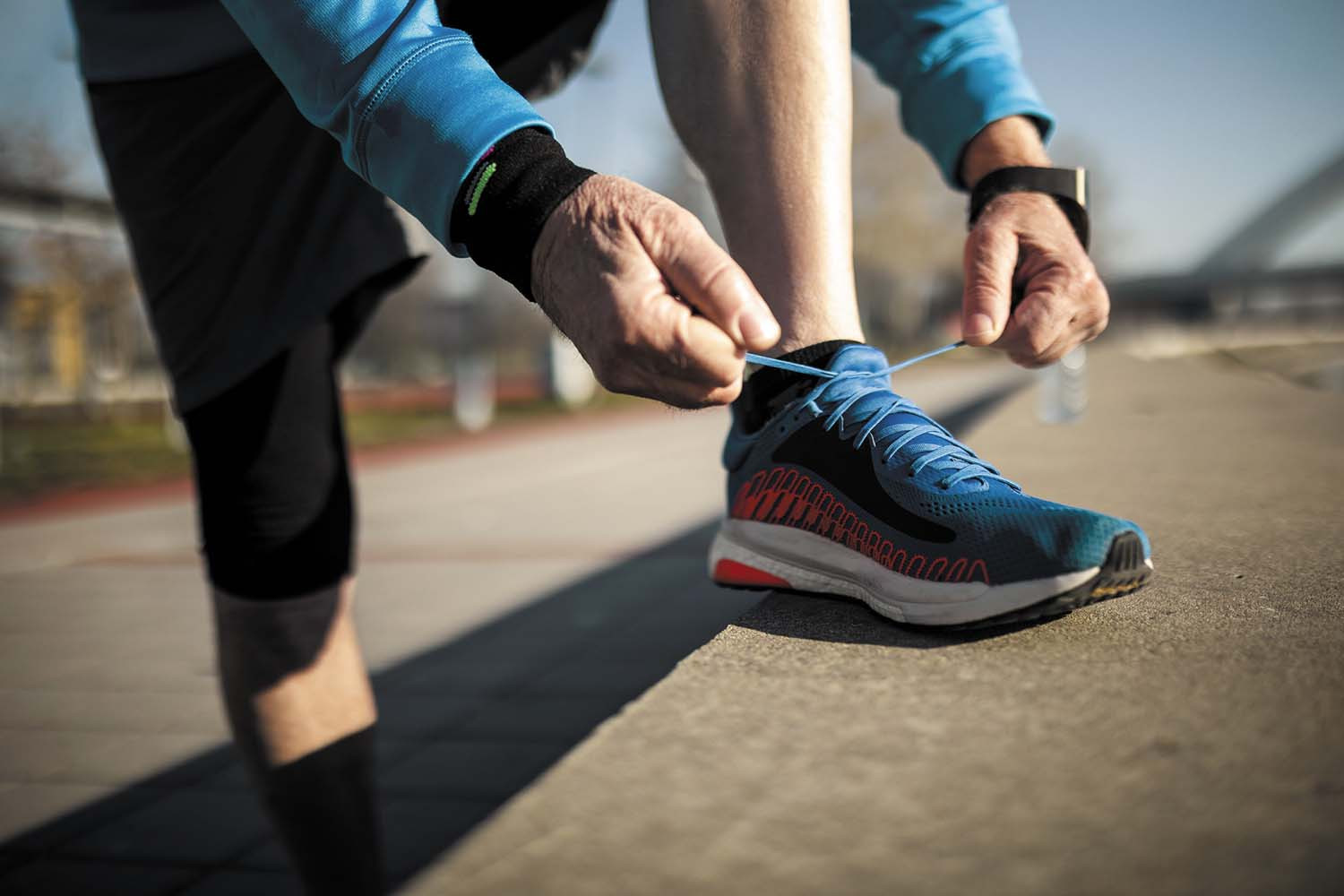
Spring is a season of transition and unpredictable moisture. The ideal shoe for this period must be a versatile performer. Breathability becomes paramount as temperatures rise; look for uppers made from engineered mesh or knit fabrics that allow air circulation, preventing moisture buildup that can lead to blisters. However, breathability must be balanced with protection. A waterproof or water-resistant membrane, such as Gore-Tex or a proprietary brand’s equivalent, is crucial for navigating lingering puddles and sudden showers. The outsole demands special attention. Deep, multi-directional lugs made from carbon rubber or a similar durable compound are essential for gripping wet pavement, muddy trails, and slick surfaces. The tread pattern should channel water away to maintain contact, a principle often highlighted in outdoor gear reviews on authoritative websites. As the naturalist John Muir once implied, in every walk with nature, one receives far more than he seeks—but only if his footing is secure. A spring walking shoe is your ally in embracing this renewal safely. It’s the piece of gear that lets you welcome the season’s showers without hesitation, ensuring your focus remains on the blooming world around you, not on slippery next steps.
Summer: Lightweight Ventilation and Heat Management
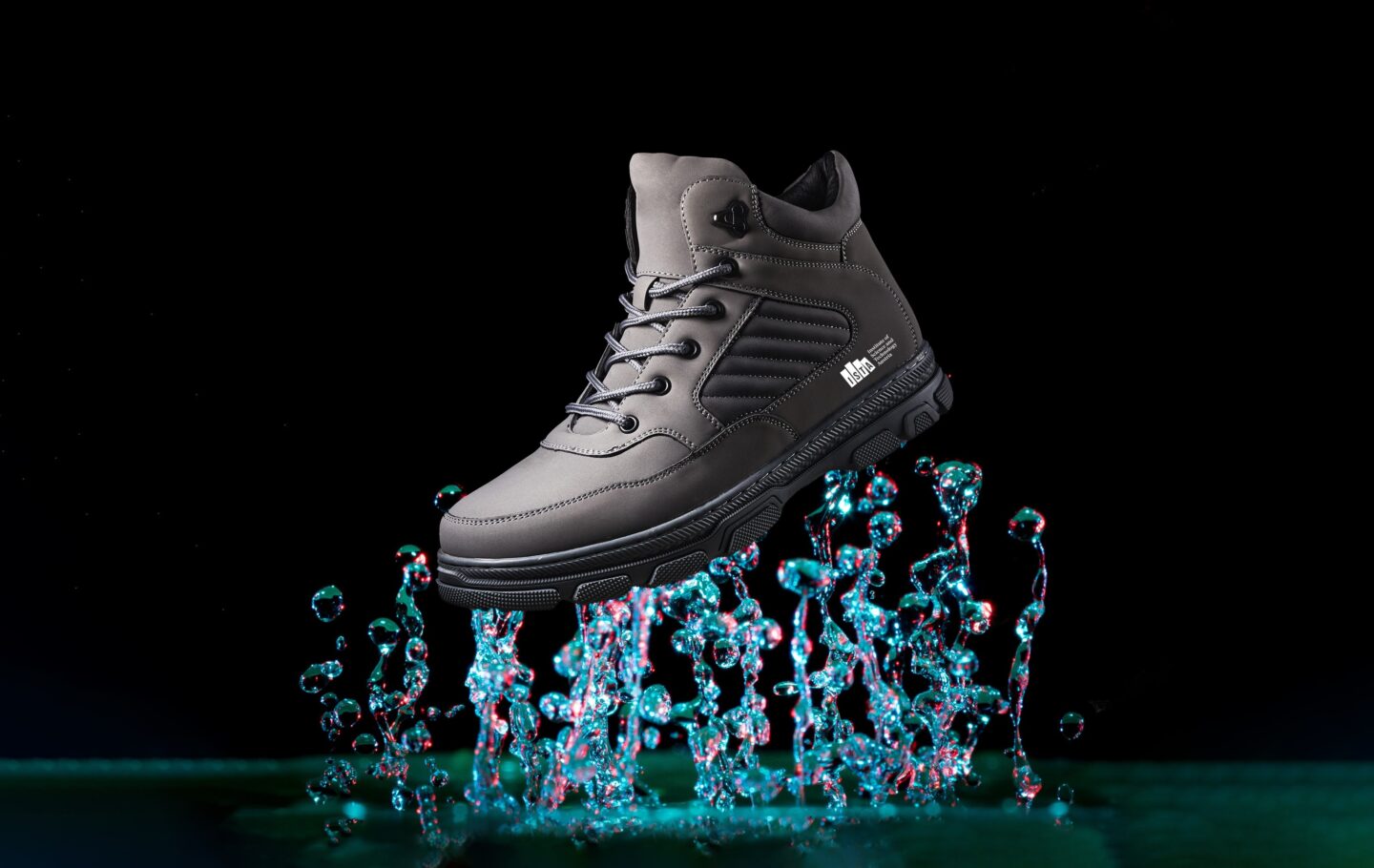
When the sun reigns supreme, your footwear strategy must shift to heat dissipation and minimalism. The primary enemy is trapped heat, which can cause swelling and discomfort. Summer shoes to walk in should be characterized by maximal ventilation. Perforated uppers, open knit designs, and even strategically placed mesh panels are critical. Materials like lightweight polyester and advanced synthetics that wick moisture away from the foot are ideal. Cushioning remains important, but the midsole should use cooler, less dense foams that don’t retain heat. Consider shoes with lighter color uppers to reflect sunlight rather than absorb it. The outsole can be slightly less aggressive than spring models but should still offer reliable grip on dry, hot asphalt or sandy paths. The renowned runner and author Christopher McDougall, in his explorations of natural movement, emphasizes the feeling of freedom and connection. A good summer shoe should almost disappear on your foot, offering protection without bulk, allowing you to feel the ground just enough to stay connected and agile. It’s about unburdened movement, where the shoe facilitates your pace rather than weighing it down under the summer sun.
Autumn: Stability, Protection, and Adaptable Layering
Autumn brings a crispness to the air and a kaleidoscope underfoot. Conditions can vary wildly within a single walk—dry one moment, damp with dew or rain the next. This season calls for a shoe that is a robust protector. Water resistance returns to prominence, but so does overall structural integrity. A more substantial upper, potentially incorporating suede or synthetic leather overlays, offers protection from wind, debris, and occasional moisture. The midsole should provide a stable platform for navigating uneven terrain covered in leaves, which can hide roots and stones. A slightly wider base can enhance stability on loose surfaces. Think of the autumn walking shoe as a reliable companion for longer, more contemplative walks. It embodies the principle echoed in many outdoor philosophies: there is no bad weather, only unsuitable gear. This shoe prepares you for the season’s whims, allowing you to immerse yourself in the sensory feast of fall without worry, making it a quintessential pair of shoes to walk through the shifting landscape.
Winter: Insulation, Waterproofing, and Secure Traction
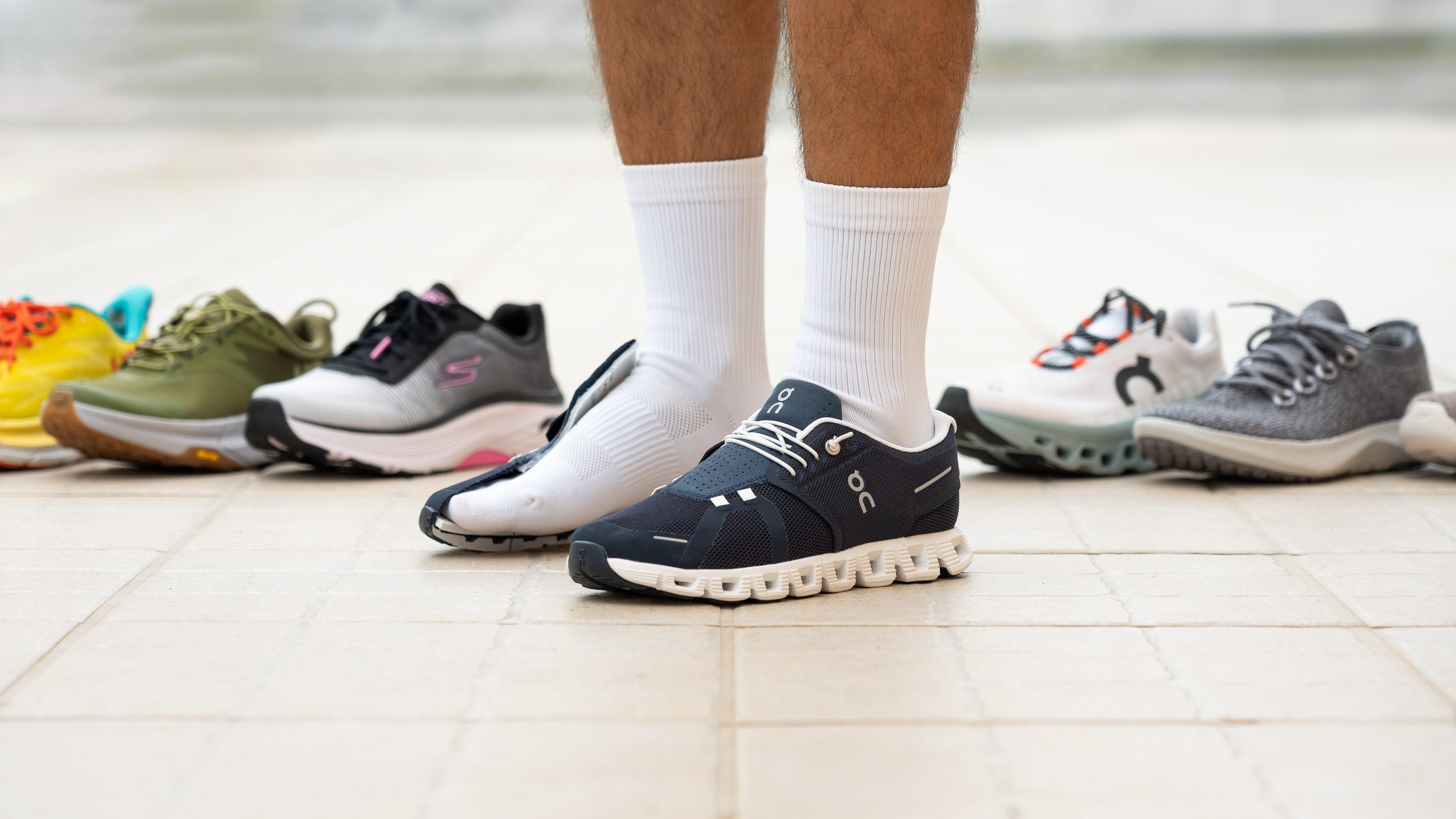
Winter footwear is about creating a microclimate for your feet in hostile conditions. The trifecta of insulation, waterproofing, and aggressive traction is non-negotiable. A waterproof and seam-sealed membrane is mandatory to keep feet dry from slush and snow. Insulation, measured in grams (e.g., 200g Thinsulate), provides warmth without excessive bulk; the right amount depends on your local climate and activity level. The most critical feature, however, is the outsole. It must be made of a pliable, winter-specific rubber compound that remains grippy in freezing temperatures. Lugs must be deep, widely spaced, and designed to shed snow and grip ice. Some advanced soles incorporate metal studs or proprietary technologies like Vibram’s Arctic Grip, which uses a rubber compound embedded with microscopic glass fibers to increase friction on ice. As survival experts and gear testers consistently demonstrate, confidence in your footing is everything in winter. A proper winter walking boot transforms a potentially treacherous path into an enjoyable winter wonderland stroll. It is the ultimate guardian, ensuring that the need to move and explore doesn’t end when the temperature drops.
:max_bytes(150000):strip_icc()/when-should-i-replace-my-walking-shoes-3436325-0801-7a1840d83573471092e0380f9e230ecc.jpg)
Investment and Care: The Longevity of Your Footwear
Quality footwear is an investment in your well-being, and like any good investment, it requires care. The cushioning materials in midsoles compress over time, losing their ability to absorb shock long before the outer sole wears out. Most experts, including those cited by the American Podiatric Medical Association, recommend replacing walking shoes every 300 to 500 miles. Rotating between two pairs allows the midsole foam to fully decompress between uses, significantly extending the life of each. Proper care involves regular cleaning with appropriate products, avoiding direct heat sources for drying, and using waterproofing treatments for leather or suede. When you invest in knowledge and care, you maximize the value of every purchase. We believe in bringing professional knowledge directly to you, empowering you to make informed choices that don’t break the bank. By understanding the technology and maintenance, you can identify true quality and often find excellent value through seasonal sales, discontinued models, or reputable discount retailers, ensuring you always have the right shoes to walk in, season after season.
Your path through the year is unique, but the requirement for thoughtful, seasonally-attuned footwear is universal. From the biomechanical foundation to the specific defenses against rain, heat, leaves, and snow, the right shoe is a dynamic partner in your journey. It is the quiet technology that empowers exploration, protects your body, and connects you to the rhythm of the world outside your door. Choose not just for style, but for the science of the step, and you will find that the right pair of shoes does far more than cover your feet—it unlocks the potential of every path, in every season.
