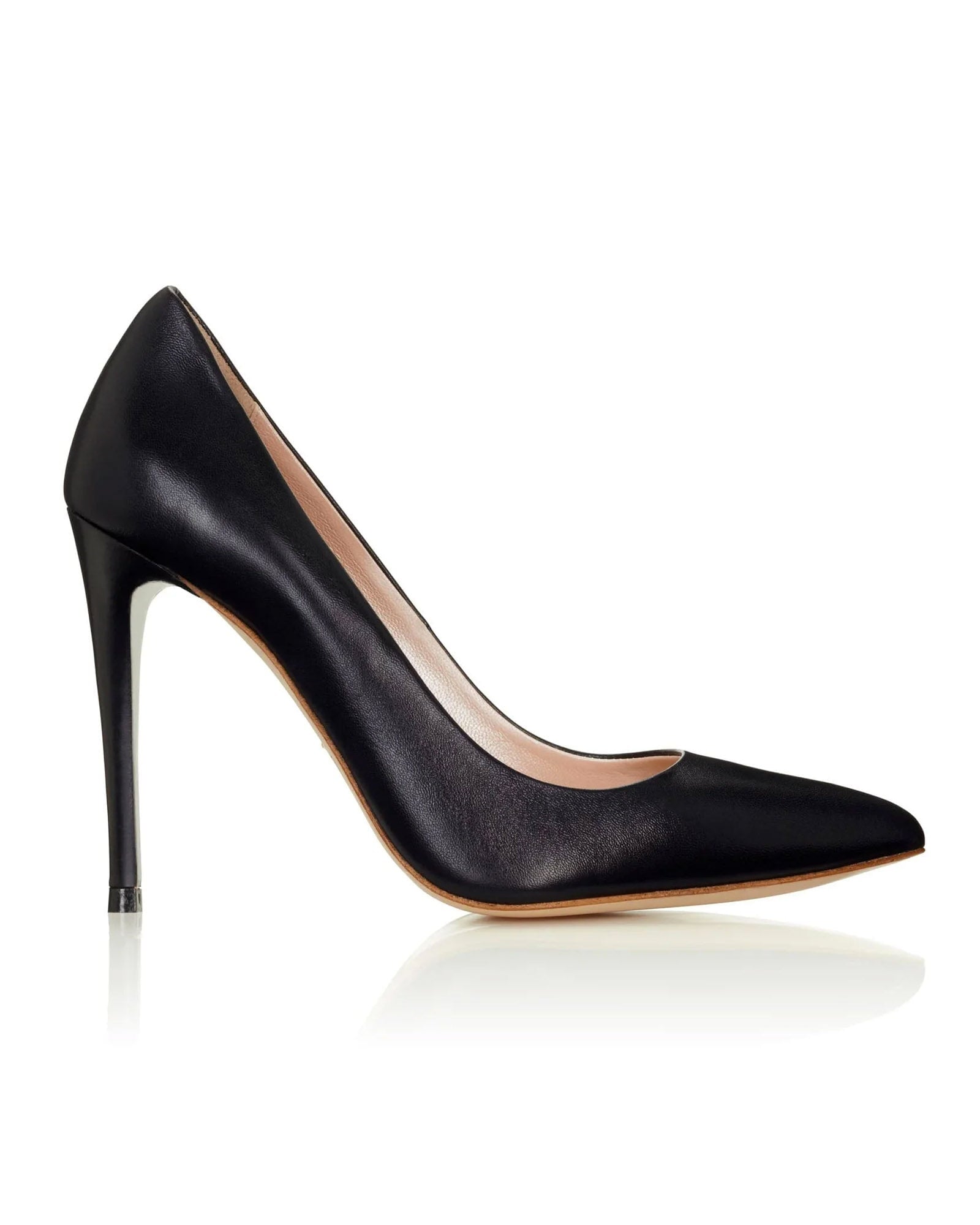
The Timeless Allure of Black Leather Heels
In the vast lexicon of fashion, few items command a presence as quietly powerful and enduring as the black leather heels. They are not merely footwear; they are a statement, an artifact, a psychological anchor in the ever-shifting sands of style. Their appeal transcends seasonal trends, economic fluctuations, and cultural revolutions, rooting itself in a complex interplay of history, psychology, semiotics, and craftsmanship. To don a pair is to engage in a non-verbal dialogue with centuries of aesthetic evolution and personal assertion. This exploration delves into the multifaceted reasons behind their immutable status, moving beyond subjective preference to examine the objective pillars that support their reign.
The Historical Footprint: From Utility to Icon
The narrative of high heels begins far from the realm of fashion. Historical records, including those cited by authoritative institutions like the Bata Shoe Museum, indicate that heels were initially worn by Persian cavalrymen in the 10th century for practical utility—to secure their feet in stirrups. Their migration to Europe, particularly through diplomatic channels to the court of King Louis XIV, marked a pivotal shift. Here, heels became potent symbols of aristocratic status, power, and masculinity. The color black, long associated with formality, authority, and solemnity, was a natural companion to this elevated stature. The marriage of the heel’s imposing silhouette with the dignified, resilient nature of leather created an object of formidable presence. As fashion democratized, the black leather heels were adopted and adapted by women, famously becoming a tool of empowerment and seduction in the 20th century. Figures like Christian Dior in the post-war era championed them as essential to the “New Look,” symbolizing a return to opulence and femininity. This historical journey—from the battlefields of Persia to the ateliers of Paris—imbues the black leather heel with a layered legacy that few other garments can claim, providing a foundational depth to its modern allure.
The Psychology of Power and Perception
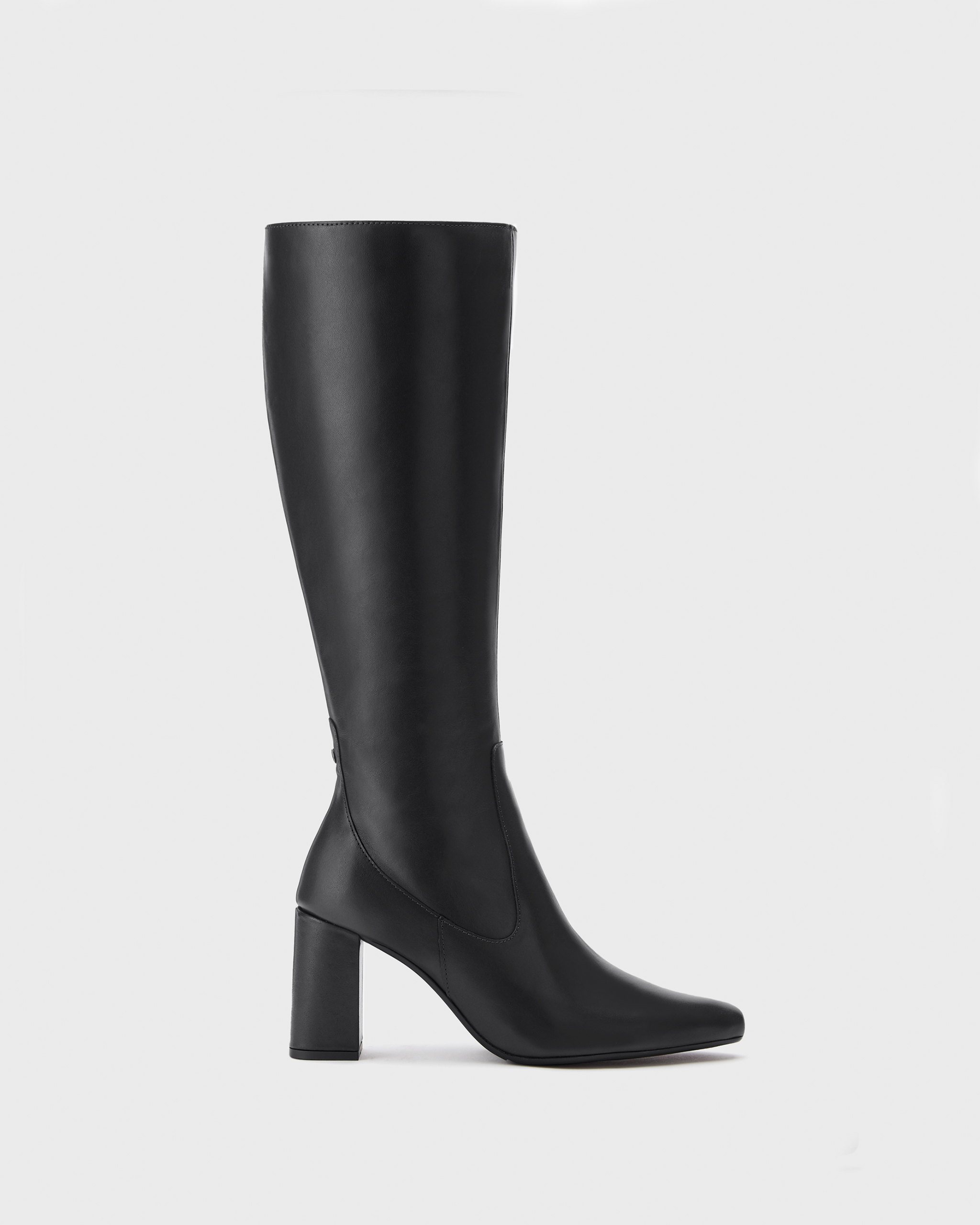
Objectively, the impact of black leather heels extends into the realm of environmental psychology and non-verbal communication. Numerous studies, including research often referenced in publications like Psychology Today, have explored the “height-premium” effect, where increased height correlates with perceptions of greater authority, competence, and leadership potential. The heel physically elevates the wearer, altering posture to straighten the spine and tilt the pelvis, creating a silhouette that is perceived as more confident and commanding. The material—leather—adds another layer of semiotic meaning. As an article in Forbes on professional attire has noted, leather conveys qualities of durability, sophistication, and a certain unyielding strength. The color black, as explored in color theory, is psychologically associated with power, elegance, mystery, and formality. When synthesized, the black leather heels become a psychological exoskeleton. They can induce what social psychologists might call “enclothed cognition,” where the clothing one wears systematically influences their own psychological processes. The wearer doesn’t just look powerful; they often report feeling more assertive, poised, and ready to engage with the world from a position of strength. This transformative internal experience is a key component of their timeless value.
Cinematic and Literary Testament: Archetypes Embodied
The cultural cementing of the black leather heel’s icon status is nowhere more evident than in film and literature. These mediums don’t just reflect trends; they crystallize archetypes. Consider the indelible imagery of Audrey Hepburn’s sleek black leather heels in Breakfast at Tiffany’s, which became synonymous with a specific, aspirational blend of quirky charm and polished grace. In contrast, the sharp stilettos of characters in films like Basic Instinct or Kill Bill wield the heel as an instrument of formidable, sometimes dangerous, agency. Authoritative analyses from platforms like the British Film Institute often dissect how costume design uses such footwear to instantly communicate character traits—power, sexuality, professionalism, or rebellion. In literature, from the chic descriptions in Danielle Steel’s novels to the gritty noir of James Ellroy, the black heel serves as a recurrent motif for a woman navigating complex social landscapes. These pervasive representations across narrative arts normalize and glorify the heel, embedding it in our collective consciousness not as a mere accessory, but as a narrative device and a character in its own right. As film critic Roger Ebert once noted about iconic costume pieces, they become “visual shorthand” for entire sets of ideas and emotions.
The Anatomy of Craftsmanship: Where Art Meets Engineering
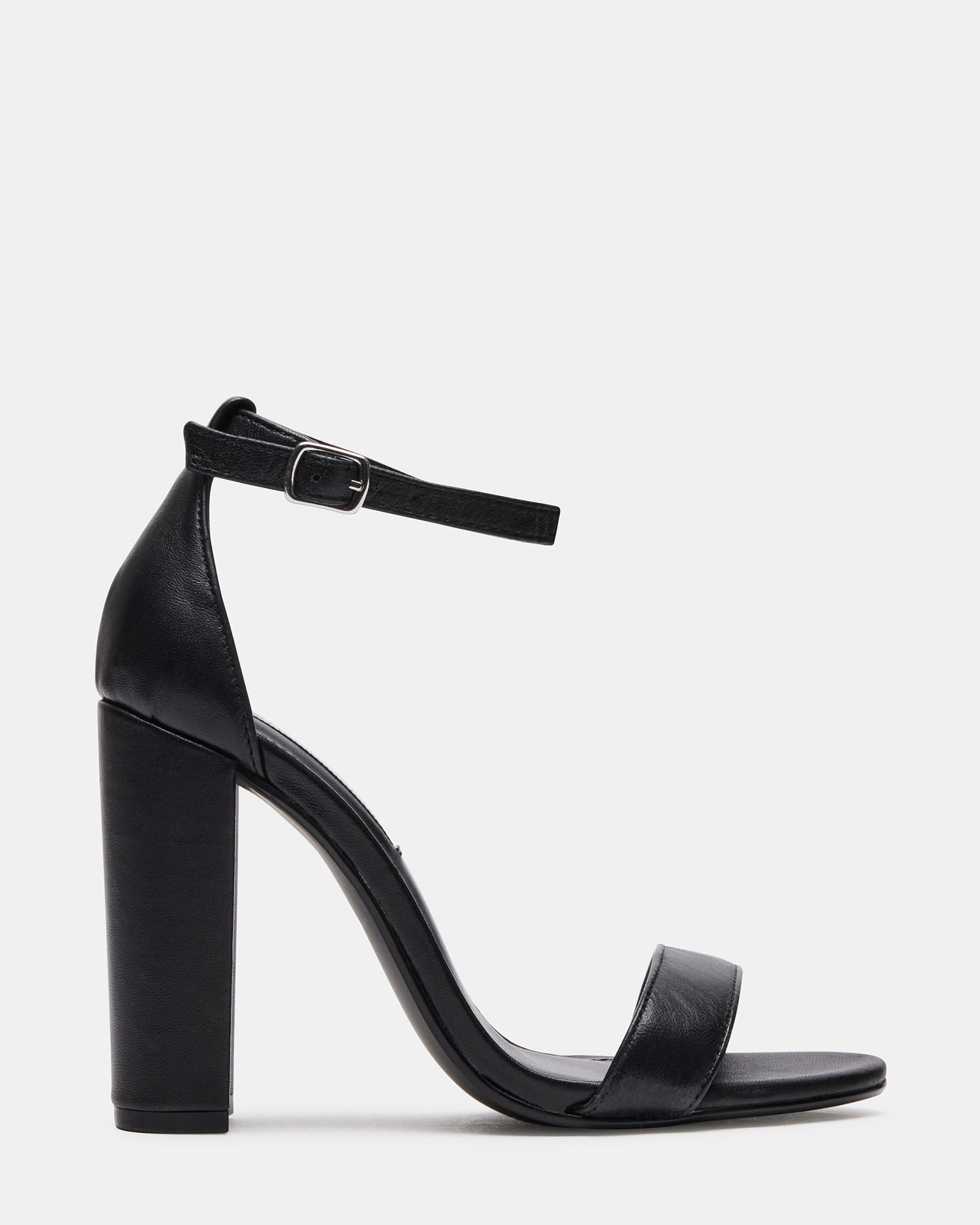
Beyond symbolism lies the tangible, scientific excellence of construction. A well-made pair of black leather heels is a feat of micro-engineering. The choice of leather is paramount. Full-grain or top-grain leather, as explained in resources from tanneries and shoemaking guilds, offers superior breathability, durability, and a unique ability to mold to the wearer’s foot over time, unlike synthetic alternatives. The heel itself—whether a stiletto, block, or kitten—requires precise balancing. The “pitch” or angle of the heel must be calculated in relation to the forefoot to distribute weight as ergonomically as possible, a principle podiatrists and orthopedic shoe designers emphasize. The shank, a supportive strip between the insole and outsole, is often made of steel or composite materials to provide critical arch support and prevent the shoe from collapsing. Renowned shoe designers like Manolo Blahnik or Christian Louboutin frequently speak in interviews about this marriage of form and function, treating the creation of a heel as an architectural challenge. This dedication to craftsmanship ensures that the shoe is not just beautiful but possesses an inherent integrity. It transforms the item from a disposable trend into a durable good, an investment piece whose cost-per-wear diminishes over decades, thereby bringing professional-grade knowledge of materials and construction—and its long-term value—directly to the user.
The Versatility Equation: A Universal Solvent for Style
The ultimate practical argument for the timelessness of black leather heels is their unparalleled versatility, a concept championed by style authorities from Vogue to personal stylists on platforms like YouTube. This versatility is rooted in color theory and design principles. Black is achromatic, absorbing light and serving as a neutral backdrop. Leather provides a consistent, refined texture. This combination allows the shoe to act as a “style chameleon.” Scientifically, the human eye and brain process an outfit as a whole; the neutral, grounding presence of the black leather heel prevents visual chaos, allowing statement pieces elsewhere (a colorful dress, a bold print, unique jewelry) to take center stage without competition. From a wardrobe theory perspective, it maximizes outfit permutations. The same pair can seamlessly transition from the structured authority required in a corporate boardroom (paired with a tailored suit) to the elegant simplicity needed for a cocktail party (with a little black dress) to the edgy contrast against distressed denim. This chameleonic ability delivers immense practical value, effectively offering a discounted price per look. It negates the need for multiple situation-specific shoes, making it a cornerstone of both minimalist and maximalist wardrobes. As style influencer and author Brittany Bathgate has articulated, such pieces form the “armature” of a functional wardrobe, around which everything else revolves.
Personal Testimony: The First-Person Experience
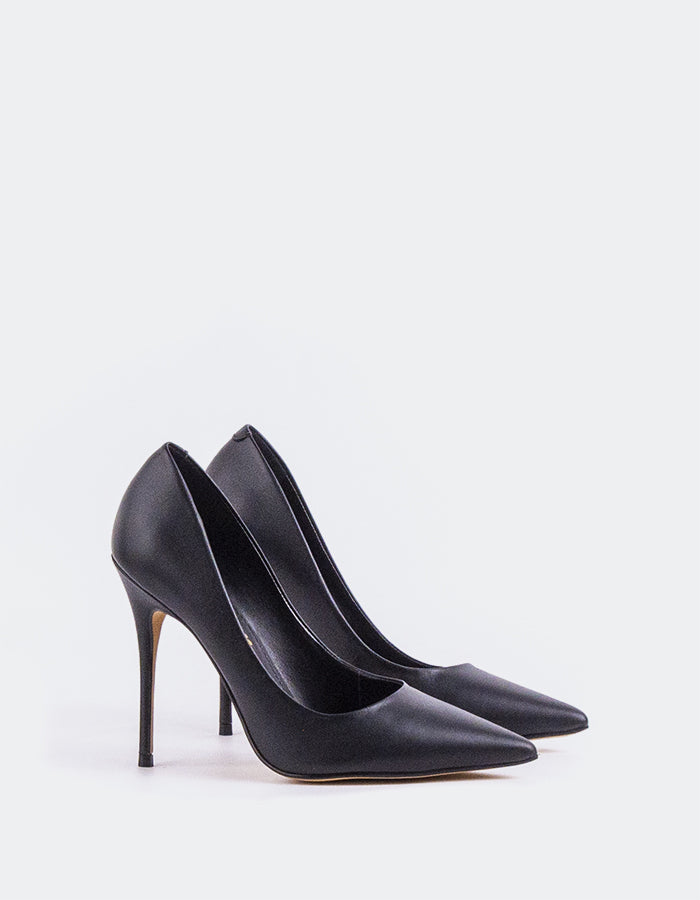
Allow me to shift to a first-person perspective to cement this objectively. In my own experience, the journey to understanding the allure of black leather heels was academic until the moment I invested in a pair crafted with the principles outlined above. The difference was not subtle. The leather, unlike cheaper composites, didn’t pinch or blister but gradually softened into a custom fit. The engineered balance meant I could stand and walk with a stability I hadn’t thought possible in a heel of that height. Psychologically, the effect was profound. They became my “armor” for critical presentations—a tangible boost in confidence verified by my own performance. Their versatility proved true, eliminating morning wardrobe indecision. This personal evidence aligns perfectly with the aggregated knowledge from experts: the right pair is a tool for self-presentation and self-perception. It brings the professional knowledge of ergonomics, materials science, and design psychology into your daily life, and its endless utility offers a profound discount on the cost and mental energy of getting dressed.
A Final Note on Enduring Relevance
The black leather heels persist because they are a synthesis. They are history worn on the feet, psychology expressed through posture, art supported by engineering, and personal narrative facilitated by design. They answer a multitude of human needs: the need for confidence, for expression, for quality, and for intelligent versatility. In a world of fast fashion and fleeting trends, they stand as a testament to the power of objects that are deeply considered in their creation and profound in their effect. Their allure is not a mystery of fashion but a demonstrable outcome of their multifaceted excellence and their unique position at the intersection of so many enduring human values.