

The Ultimate Guide to Choosing Shoes That Walk With You
Your journey begins with a single step, and the foundation of every great journey is what you wear on your feet. This isn’t about fashion’s fleeting trends or the loudest brand logos; it’s about a silent partnership between you and the ground you traverse. The right pair of shoes to walk in is not merely an accessory but an extension of your body’s mechanics, a tool for health, and a companion for your ambitions. Forget generic advice. We’re delving into the anatomy of choice, merging biomechanics with material science, and filtering out marketing noise to find the truth. Your path demands footwear that doesn’t just carry you but moves in harmony with you. Let’s strip away the confusion and build from the ground up, focusing on how to select footwear that truly walks with you, step for step.
The Foundation: Understanding Your Gait and Foot Type
Before you consider color or brand, you must engage in a moment of self-discovery. The blueprint for the perfect shoes to walk is encoded in your unique stride. Your gait cycle—the complex sequence from heel strike to toe-off—and your foot’s arch structure are the non-negotiable starting points. Pronation, the natural inward roll of your foot upon landing, is often misunderstood. As noted in biomechanics literature from institutions like the University of Calgary’s Human Performance Laboratory, neutral pronation is a necessary shock-absorbing mechanism. However, overpronation (excessive inward roll) or supination (insufficient inward roll, or outward roll) can lead to a cascade of issues, from plantar fasciitis to knee and hip pain. The “wet test”—examining the footprint left on a dry surface—remains a simple, classic method to identify if you have low arches (likely overpronator), high arches (likely supinator), or neutral arches. This isn’t mere trivia; it’s the cornerstone of stability. A motion control shoe for a severe overpronator can feel like a stabilizing orthotic, while the same shoe on a supinator would be a rigid, uncomfortable prison. Your body is speaking through every step; the first task is to learn its language.
Material Matters: The Science of Upper, Midsole, and Outsole
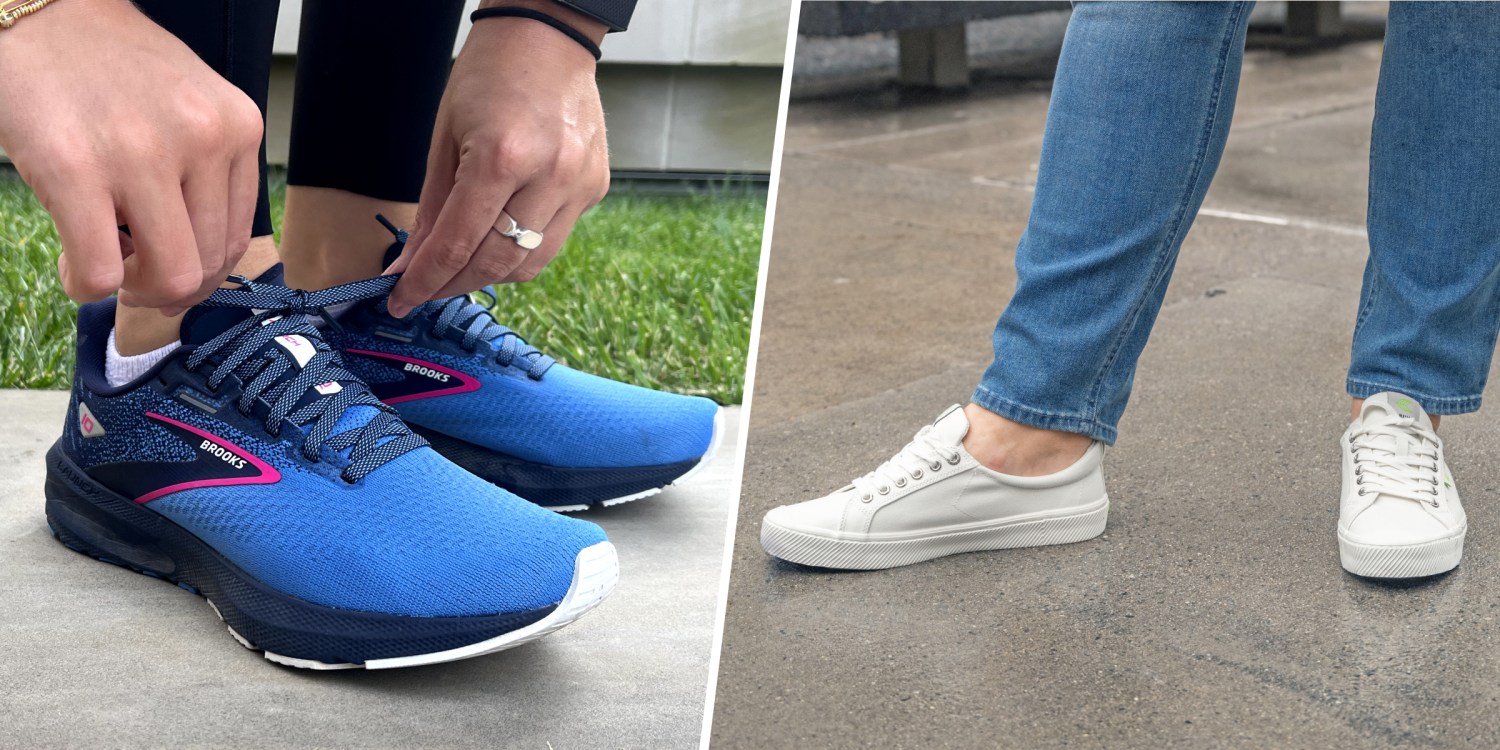
Once you understand the map of your movement, you can appreciate the terrain of the shoe itself. A modern walking shoe is a feat of engineering, with each layer serving a distinct, critical purpose. The upper, traditionally leather, is now dominated by engineered meshes and synthetic knits. The innovation here, as highlighted by material scientists, is in balancing durability with breathability and adaptive fit. A mesh that conforms to your foot’s swelling throughout the day prevents hot spots and blisters. The midsole is the heart of the shoe. This is where EVA (ethylene-vinyl acetate) foam, polyurethane, and newer technologies like thermoplastic polyurethane (TPU) foams or proprietary blends from brands come into play. The key metric is not just softness, but energy return and durability. A study cited by the American College of Sports Medicine emphasizes that a midsole with good energy return can reduce the metabolic cost of walking, making long distances feel easier. The outsole’s rubber compound and tread pattern are your connection to the earth. Durable carbon rubber in the heel resists wear, while a flexible blown rubber in the forefoot allows for a natural toe-off. The tread isn’t just for off-road trails; a multi-directional pattern on pavement provides essential grip in wet conditions. Choosing the right shoes to walk in means seeing past the surface and valuing this layered symphony of materials.
The Fit Equation: Beyond Shoe Size
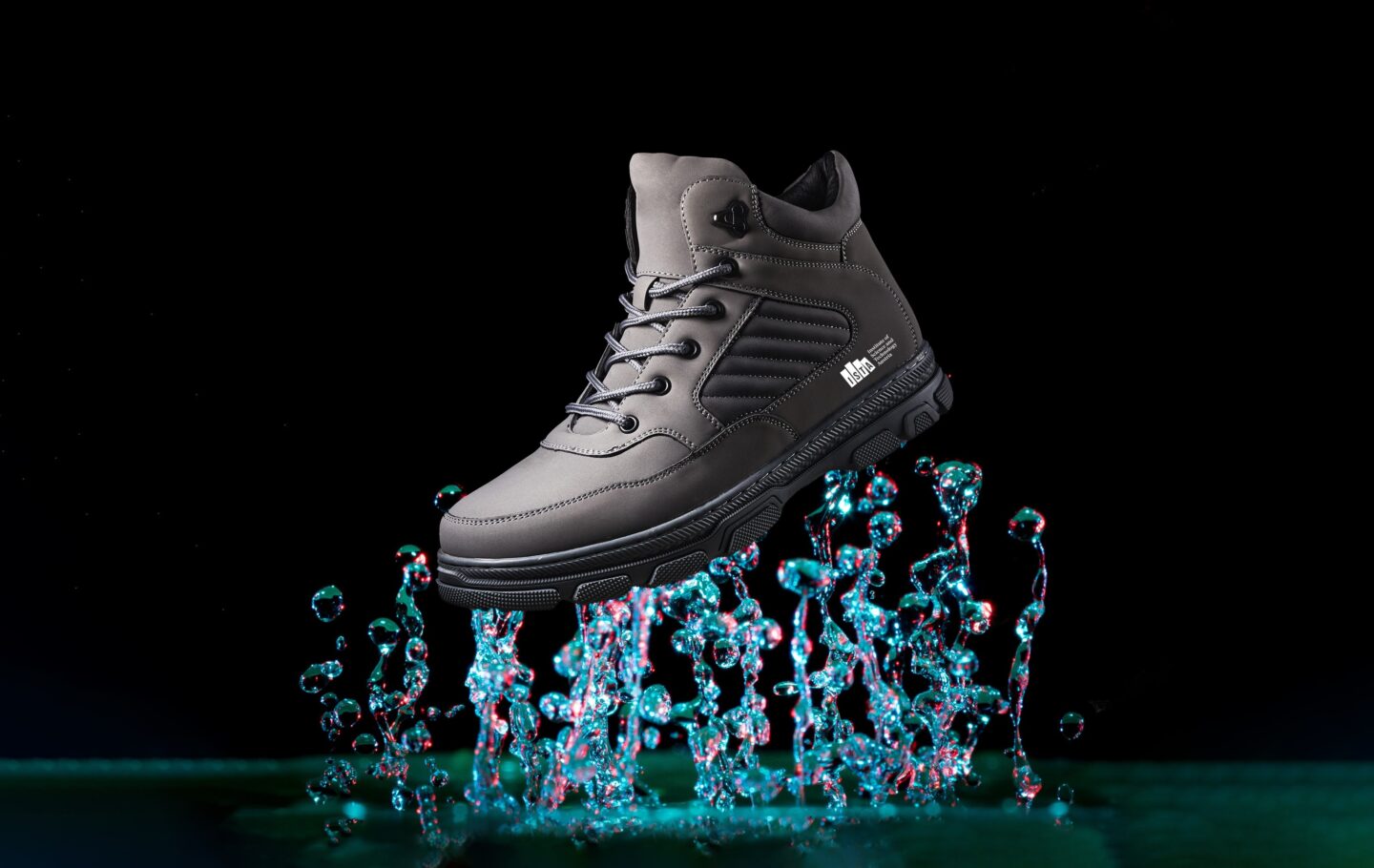
A shocking number of people endure foot pain simply because they tolerate a poor fit. Your shoe size is a starting point, not a destination. The perfect fit accommodates the dynamic nature of your foot. There should be about a thumb’s width (roughly 3/8 to 1/2 inch) of space between your longest toe and the end of the shoe to allow for foot spread and swelling during prolonged activity. Width is equally crucial; a shoe that is too narrow compresses the metatarsals, potentially leading to neuromas or bunions. The heel should sit snugly without slippage—a common cause of blisters. The legendary running coach and author, Dr. Mark Cucuzzella, often states in his public talks, “Your foot should feel free, not fettered. A shoe should hold your foot, not squeeze it.” This philosophy is paramount. Always try on shoes with the socks you intend to wear and do so in the afternoon or evening when your feet are at their largest. Walk on a hard surface, not just carpet. The right pair of shoes to walk in should feel secure and comfortable from the first step, with no “break-in” period required—that’s a myth that has caused countless foot problems.
Context is King: Matching the Shoe to the Journey
A shoe designed for a brisk urban commute is ill-suited for a rocky mountain trail, and vice versa. This is where intention defines selection. For the daily pavement pounder, prioritize cushioning, flexibility at the ball of the foot, and reflective elements for safety. The repetitive impact on concrete demands superior shock absorption. For the trail wanderer, look for aggressive lugs on the outsole for grip, a protective rock plate to shield your forefoot from sharp stones, and often a slightly more robust upper to guard against debris. A waterproof membrane like Gore-Tex can be a blessing in wet grass or mud but may lead to overheating on dry, warm days. Consider the “drop” or offset—the height difference between heel and forefoot. A lower drop can encourage a more natural, midfoot strike but may strain calves and Achilles tendons if introduced too quickly. The popular website ‘Runner’s World’ often analyzes this, noting that most traditional walking shoes have a moderate drop (8-12mm) for comfort, while minimalist styles approach zero. Your chosen shoes to walk with must be a tool specifically honed for the environment you most frequently explore.
The Longevity Lens: When to Retire Your Faithful Companions
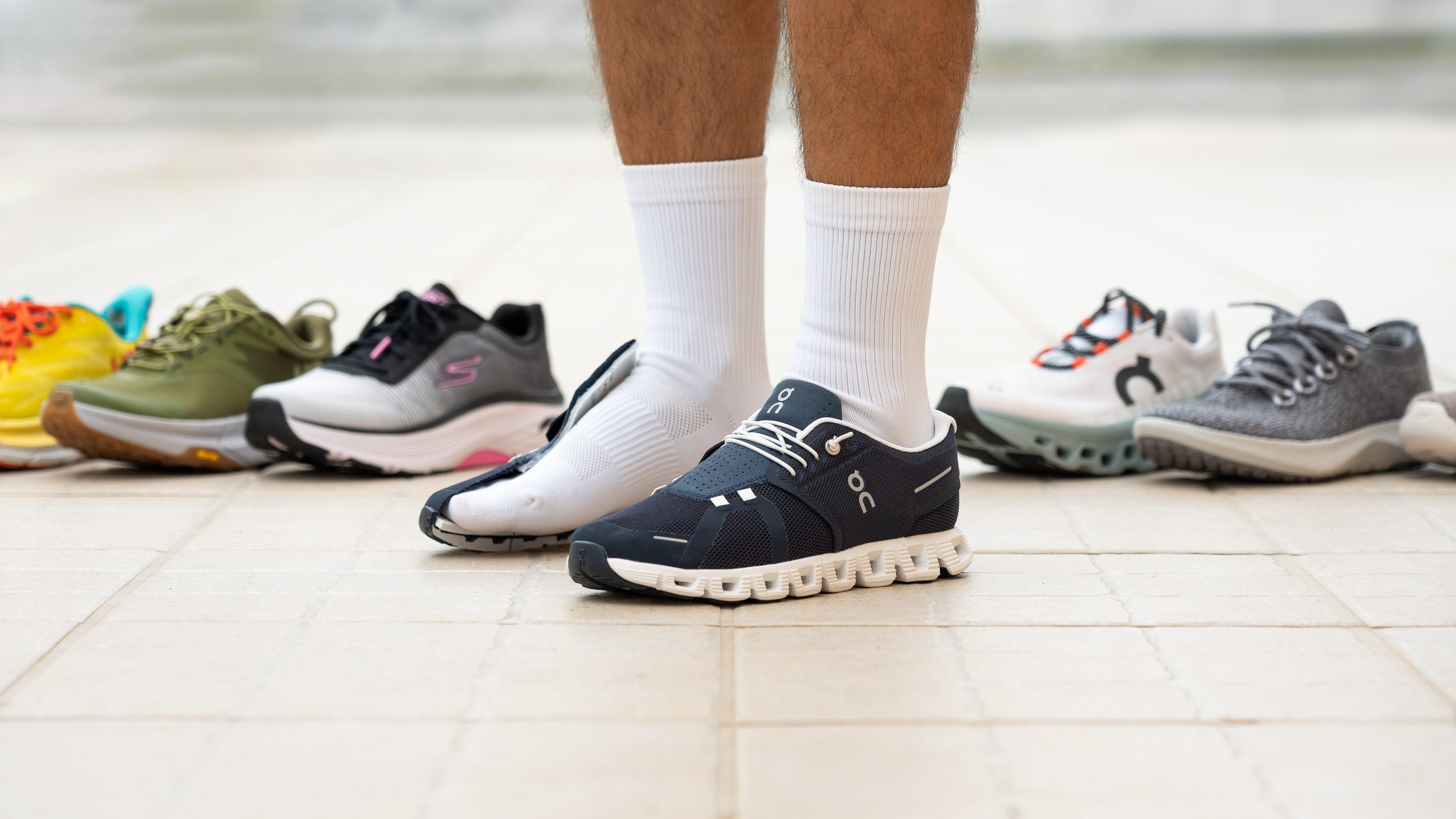
Even the best-engineered shoes have a finite lifespan. Wearing shoes past their prime is one of the most common, yet easily avoided, causes of injury. The cushioning and support in the midsole compress and break down long before the outsole is visibly worn. The general consensus among podiatrists and sports medicine professionals, including those from the Harvard Medical School publications, is to consider replacement every 300 to 500 miles. For a daily walker covering 3 miles a day, that’s roughly every 4 to 6 months. Pay attention to the signals: new aches in your knees, shins, or hips; a feeling of reduced cushioning; or visible creasing and compression in the midsole foam. Rotating between two pairs can extend the life of each by allowing the foam to fully decompress between uses. Investing in a new pair is not an expense; it’s an investment in continued pain-free mobility. The true cost is in wearing shoes that have ceased to perform their primary function of protection and support.

Bringing Expertise and Value to Your Step
Armed with this knowledge, you are no longer a passive consumer but an informed participant. The goal is to bring professional-level discernment to your purchase, ensuring you get genuine value. This means looking beyond the full retail price. Many reputable retailers offer previous-season models at significant discounts, where the core technology is identical, only the colorway has changed. Signing up for brand newsletters or following trusted gear review channels on YouTube can alert you to sales. Remember, the most expensive shoe is not necessarily the best shoe for you. The perfect pair is the one that aligns with your gait, your environment, and your foot’s unique dimensions. It’s the pair that makes you forget you’re wearing them, that encourages you to walk farther and explore more. That feeling—of effortless, supported movement—is the ultimate return on investment. It transforms the act of buying shoes to walk in from a chore into a curatorial process for your own well-being.
Your search for the ideal footwear culminates not in a box on a shelf, but in the confidence of your stride. The right shoes become a transparent interface between you and the world, absorbing shock, providing stability, and propelling you forward without a second thought. They are the unsung heroes of personal mobility, the quiet enablers of adventure and daily routine. By prioritizing biomechanics over branding, fit over fashion, and purpose over price alone, you forge a partnership that supports every mile. So step out with intention. Let your choice in footwear be a deliberate one, because when your shoes truly walk with you, every path becomes a possibility.
