

The Ultimate Guide to Walking Shoes for Every Outfit
Your journey through city streets, park trails, and daily errands begins with a single, crucial choice: the shoes on your feet. This isn’t merely about fashion or fleeting trends; it’s about the foundational relationship between your body and the ground. The right pair of shoes to walk in can transform movement from a chore into a pleasure, seamlessly blending technical support with personal style. Forget the notion that comfort necessitates a sacrifice in aesthetics. Today, we navigate the intersection of biomechanics, material science, and design to curate footwear that empowers every step, regardless of the occasion. From the structured elegance required for a business-casual ensemble to the rugged readiness for a weekend hike, the perfect walking companion is waiting to be discovered. Let’s dismantle the old paradigms and step into a world where your footwear is as versatile and intentional as your wardrobe.
The Science of the Stride: Why Your Shoes to Walk Matter More Than You Think
Walking is a complex, repetitive load-bearing activity. Each step generates a force of approximately 1.5 times your body weight, a figure that can increase with speed or inclines. This kinetic chain starts at the foot, making its interface with the ground—your shoe—the primary mediator of stress distribution. According to research from the Spaulding National Running Center, affiliated with Harvard Medical School, improper footwear can lead to a cascade of issues, including plantar fasciitis, shin splints, and even knee and hip pain. The key lies in three biomechanical principles: cushioning, stability, and flexibility. Cushioning, often provided by EVA (ethylene-vinyl acetate) or polyurethane midsoles, absorbs impact shock. Stability, achieved through medial posts or structured heel counters, controls excessive inward rolling (overpronation) or outward rolling (supination). Flexibility allows for the natural foot flexion from heel strike to toe-off. A 2023 literature review in the Journal of Foot and Ankle Research emphasized that “footwear prescription should be based on individual biomechanical and morphological characteristics,” debunking the myth of a one-size-fits-all “best” shoe. Therefore, selecting the right shoes to walk in is a scientific decision, not just a stylistic one. It’s an investment in the long-term health of your musculoskeletal system, ensuring that your daily ambulation supports, rather than undermines, your overall well-being.
:max_bytes(150000):strip_icc()/when-should-i-replace-my-walking-shoes-3436325-0801-7a1840d83573471092e0380f9e230ecc.jpg)
Urban Explorer: Sleek Sneakers and Smart-Casual Integration
The concrete jungle demands a shoe that is both a warrior and a diplomat—tough enough for miles of pavement, yet polished enough for a spontaneous client meeting or a chic café. The evolution of the “athleisure” sneaker has been revolutionary. Brands like Cole Haan, Allbirds, and certain lines from ECCO have mastered the art of embedding performance technology into sleek, minimalist silhouettes. The goal here is a seamless transition. Look for features like a memory foam or wool-lined insole for all-day comfort, a rubber outsole with subtle traction patterns for wet sidewalks, and an upper made of engineered knit or premium suede that breathes and moves with your foot. The color palette is your ally; opt for monochromatic tones like off-white, grey, navy, or black to maximize outfit compatibility. As style commentator Tim Gunn famously advocated for intentionality in fashion, “Make it work!” applies perfectly here. Your urban walking shoe should work as hard as you do, providing the support of a dedicated athletic shoe without screaming “gym.” It’s the cornerstone of a modern, mobile lifestyle, proving that the most practical shoes to walk in can also be the most sophisticated element of your ensemble. Pair them with tailored trousers, a crisp button-down, and a blazer for an effortlessly powerful look, or with dark jeans and a quality tee for refined casual wear.
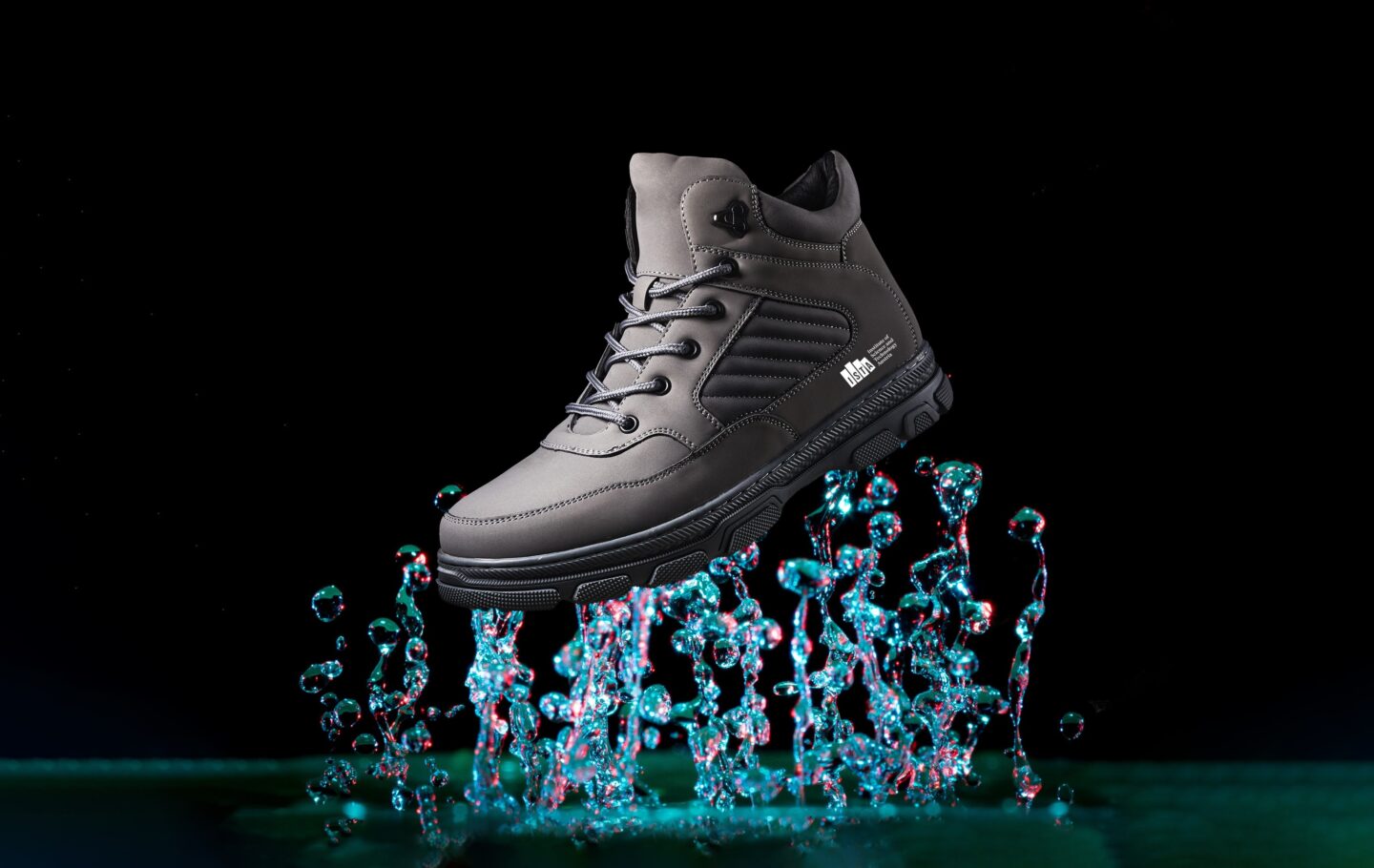
Technical Trails: Rugged Shoes to Walk for the Great Outdoors
When your path turns to dirt, gravel, or uneven mountain trails, your footwear needs a fundamental shift in priority. Here, protection and grip ascend to paramount importance. Trail-specific walking shoes or lightweight hiking shoes are engineered for this environment. Key differentiators include aggressive, multi-directional lugs on the outsole—often made of sticky rubber compounds like Vibram®—for superior traction on loose or slippery surfaces. The upper is typically fortified with abrasion-resistant materials like ballistic mesh and synthetic overlays to shield your feet from rocks and roots. Importantly, many feature a rock plate—a thin, rigid layer nestled in the midsole—to protect the foot from sharp protrusions. As renowned adventurer and author Cheryl Strayed documented in her memoir Wild, the right footwear on a long trail is non-negotiable; the wrong choice can lead to debilitating pain and jeopardize the entire journey. Furthermore, waterproof membranes like Gore-Tex® become crucial for stream crossings or wet conditions, though they may sacrifice some breathability in warmer climates. The fit for a trail shoe is also distinct; you may want a slightly roomier toe box to accommodate foot swelling on long descents and to wear technical hiking socks. This category of shoes to walk in is your essential tool for connecting with nature, designed to handle unpredictability while providing the stability and confidence to explore further.
Maximizing Value: Where Professional Knowledge Meets Discounted Prices
Armed with an understanding of what to look for, the next step is acquiring your ideal pair without overspending. The footwear market operates on seasonal cycles; new models are typically released in spring and fall. This creates a prime opportunity to purchase previous-season models, which often have only minor cosmetic changes from the latest versions, at significant discounts of 30-50% off. Authoritative review sites like Runner’s World (which also extensively tests walking shoes), Outside Online, and The Wirecutter provide in-depth, lab-tested analyses that can guide your decision beyond marketing claims. Additionally, many specialty running stores offer free gait analysis, a service that provides personalized, professional insight into your stride, even if you’re a walker. Once you know your needs—be it neutral cushioning or stability support—you can confidently shop for that specific technology on discount platforms. Consider also the total cost of ownership. A high-quality pair of walking shoes, used for daily activity, has a functional lifespan of 300-500 miles before the midsole compression diminishes its protective value. Investing in two pairs and alternating them can allow the foam to fully decompress between uses, potentially extending the life of both. This strategy, coupled with buying on sale, ensures you always have a supportive, ready pair of shoes to walk in, making your investment in foot health both savvy and sustainable.
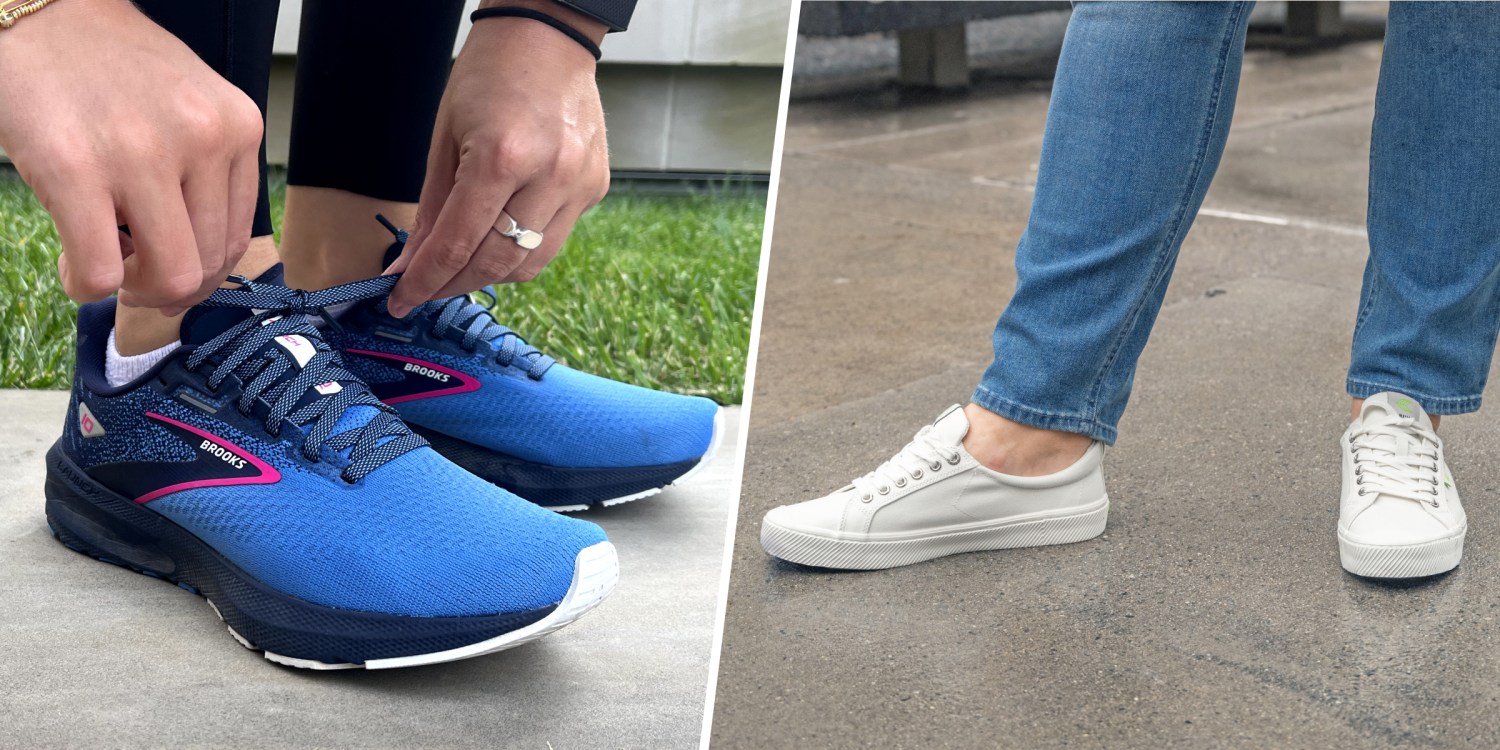
The Art of the Everyday: Unassuming Comfort for Daily Duties
Not every walk is an expedition or a fashion statement. Often, it’s the school run, the grocery haul, or the long shift on your feet at work. For these foundational moments, the philosophy is pure, unadulterated comfort engineered for longevity. This category is dominated by brands like Brooks, HOKA, and New Balance, which have pioneered technologies like DNA LOFT, Meta-Rocker, and Fresh Foam. These are not merely marketing terms; they represent specific foam densities and geometric designs that promote a smooth, rolling gait cycle to reduce fatigue. The focus is on plush cushioning, generous toe boxes, and seamless interiors that minimize hot spots and blister risk. As physical therapists often note, consistent, low-impact walking is one of the best exercises for overall health, but its benefits are negated by poor footwear. The everyday walking shoe is the workhorse of your collection. It might not turn heads, but it reliably cradles your feet, mile after mundane mile. Look for features like a wide base for enhanced stability, reflective details for low-light safety, and easy-on systems like elastic laces or slip-on designs for ultimate convenience. This is the pair you reach for instinctively, knowing it will deliver without fail, making the simple act of moving through your day a noticeably more comfortable experience.
:max_bytes(150000):strip_icc()/woman-feet-running-on-road-closeup-on-shoe--young-fitness-women-runner-legs-ready-for-run-on-the-road--sports-healthy-lifestyle-concept--1192508928-4ad65578a5b64bfe95d29e3182fbb398.jpg)
Your footwear is a dialogue between your body and the world. It speaks to your intentions, your activities, and your understanding of self-care. By choosing specialized shoes to walk in for different facets of your life, you are not indulging in consumerism but practicing a form of kinetic intelligence. You acknowledge that the needs of a foot on a forest path differ from those on a polished office floor, and you equip yourself accordingly. This guide serves as a starting point—a framework built on biomechanics, material science, and stylistic pragmatism. The ultimate step is yours. Listen to your feet, understand the terrain of your life, and walk forward with confidence, knowing that every pair you choose is a deliberate step toward greater comfort, health, and style.
