

How to Elevate Your Outfit with Black Leather Heels
In the lexicon of fashion, few items command the universal respect and transformative power of a pair of black leather heels. They are not merely footwear; they are a foundational statement, an architectural element for the body, and a psychological catalyst for confidence. This article delves into the multifaceted role of the black leather heel, moving beyond subjective style tips to explore the objective principles of design, psychology, and social semiotics that explain its enduring dominance. We will dissect how this singular item interacts with color theory, silhouette, and context to elevate an ensemble from ordinary to exceptional.
The Architectural Foundation: Silhouette and Proportion
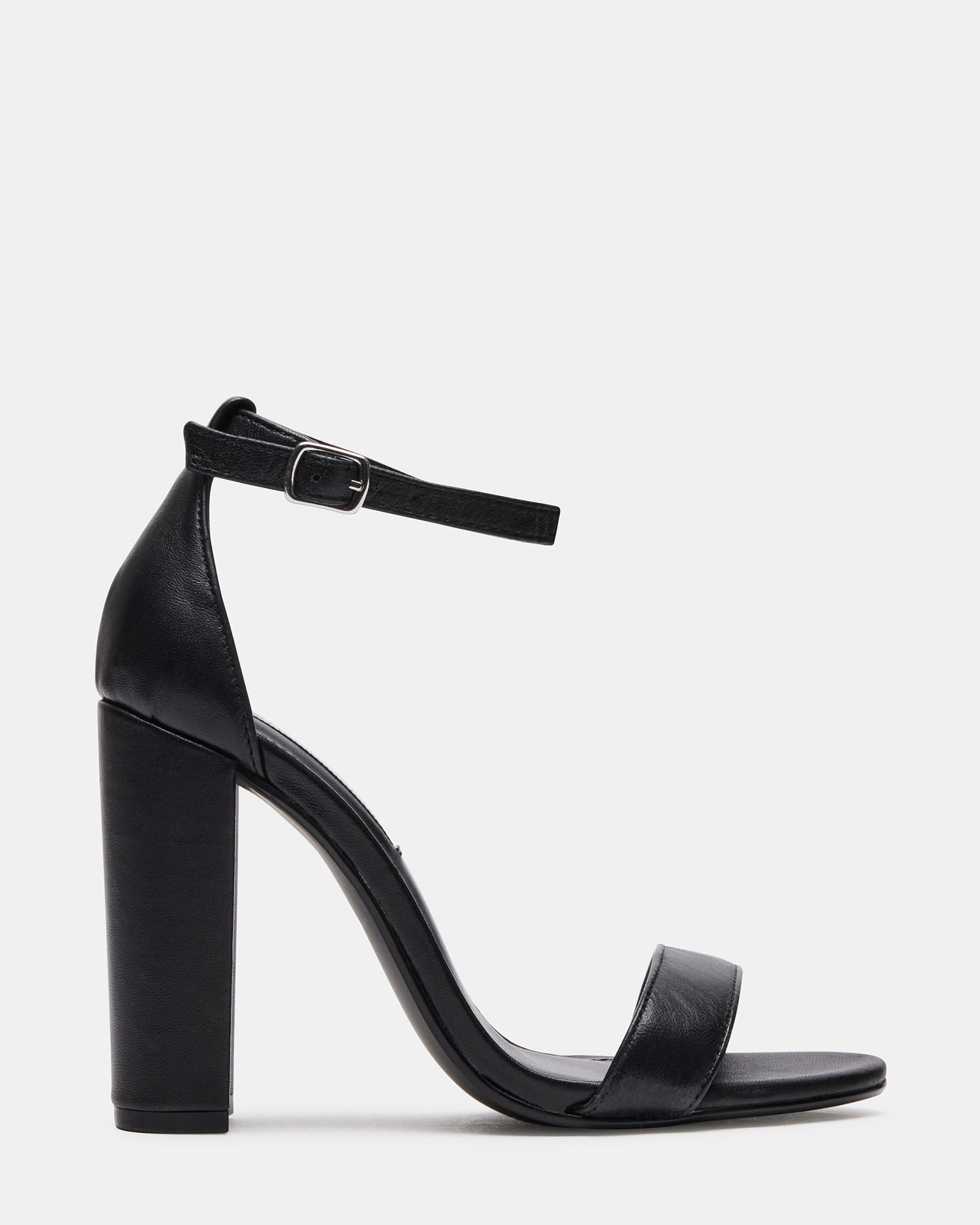
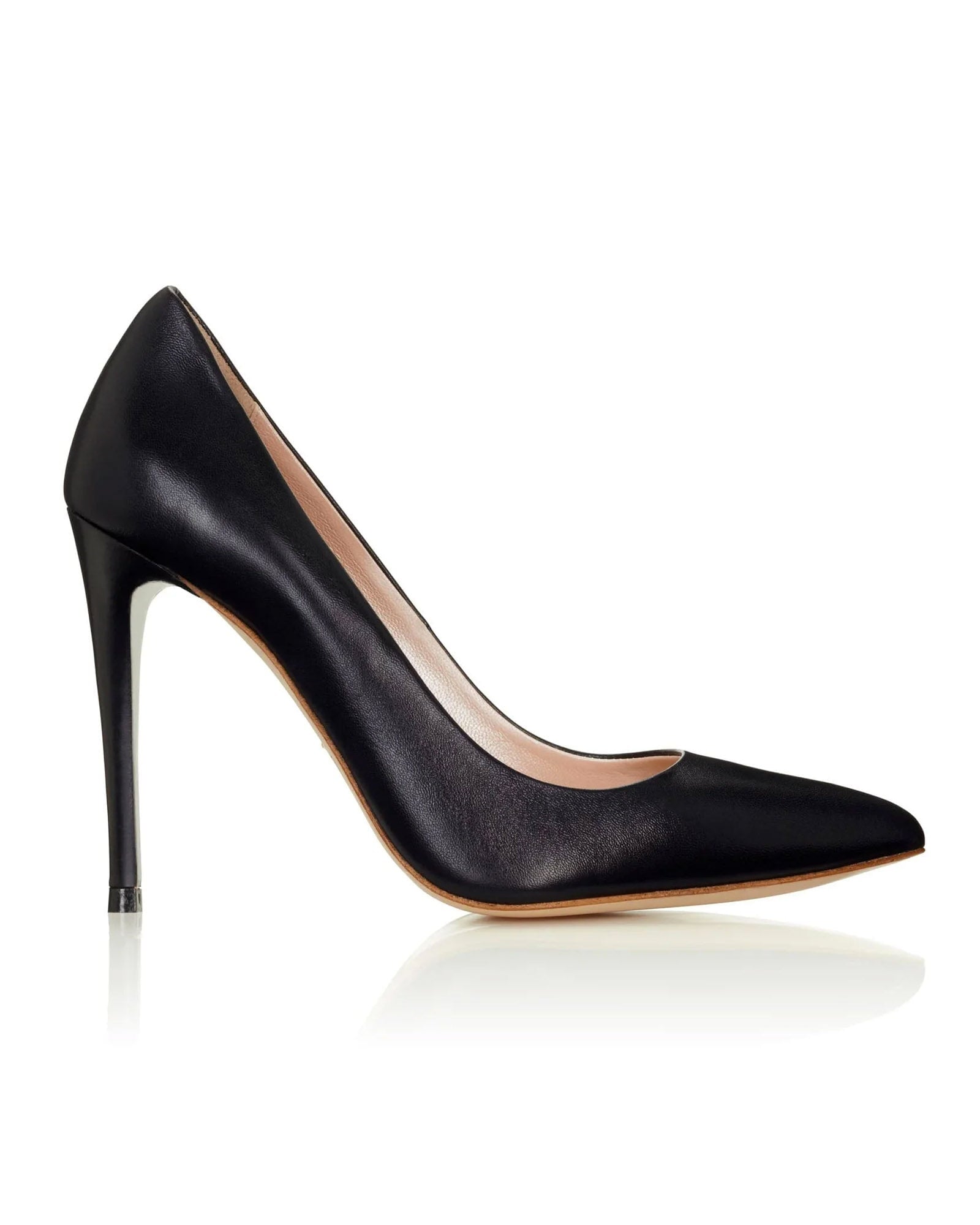
The primary function of a heel is architectural: it alters the wearer’s posture and silhouette. From a biomechanical perspective, wearing heels shifts the body’s center of gravity, necessitating a subtle arch of the back and a tightening of the core and leg muscles. This results in the classic, elongated line associated with elegance. A study from the Journal of Experimental Biology has noted that the gait in heels becomes more deliberate and often perceived as more “feminine” due to the increased rotation at the hips. The black leather heels capitalize on this by providing a clean, unbroken visual line. The matte or polished surface of leather, especially in black, creates a seamless extension of the leg, making it appear longer and leaner. This is a principle rooted in the Bauhaus school of design, where form follows function, and visual continuity is prized. Whether it’s a sleek pump or a strappy sandal, the black leather variant acts as a structural anchor. It grounds the outfit, providing a point of visual stability from which other elements can play. For instance, a voluminous midi skirt or wide-leg trouser finds its counterbalance in the precise, sharp point of a black leather stiletto, creating a harmonious tension between flow and structure.
The Chromatic Anchor: Black in Color Theory
Black is not a color in the traditional sense of light wavelengths; it is the absorption of all light. In art and design, this grants it unique properties. As noted by color theorist Johannes Itten, black represents “an absolute, timeless compactness.” In fashion, black serves as a chromatic anchor. It is neutral, yet profoundly powerful. A pair of black leather heels introduces this anchor to any outfit. They can unify a complex pattern, provide a sophisticated contrast to pastel hues, or deepen an existing monochromatic scheme. From a scientific standpoint, black creates a visual endpoint, which the human eye perceives as solid and definitive. This is why a black heel can “finish” an outfit with authority. Furthermore, leather as a material interacts with light in a way that fabric cannot. A polished calfskin pump reflects light in sharp, clean highlights, adding a dynamic element of shine that breaks up the monotony without introducing color. Aniline or matte black leather, on the other hand, offers a soft, light-absorbing quality that reads as luxurious and tactile. This versatility allows the same pair of heels to serve different roles: the polished pair for corporate power-dressing, the matte pair for an artistic, avant-garde edge.
Psychological Alchemy: Confidence and Perception
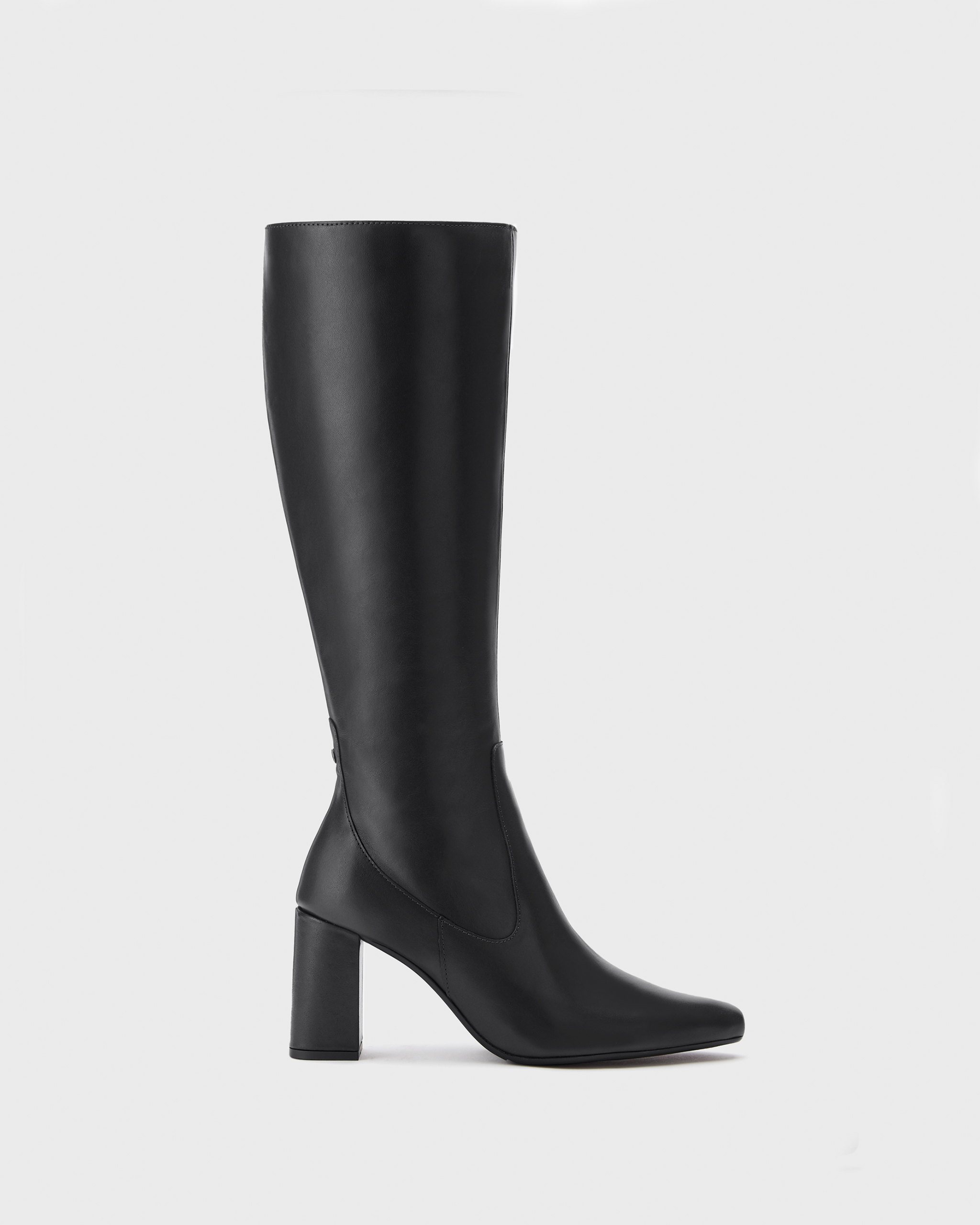
The impact of black leather heels extends into the realm of social psychology. The concept of “enclothed cognition,” explored by researchers like Hajo Adam and Adam D. Galinsky, suggests that the clothes we wear systematically influence our psychological processes. Wearing items perceived as powerful or authoritative can actually enhance the wearer’s confidence and cognitive focus. The black leather heel is culturally encoded as a symbol of professionalism, maturity, and assertive style. This isn’t mere opinion; it’s a narrative reinforced by decades of media. From the formidable authority of Miranda Priestly’s Prada pumps in The Devil Wears Prada to the iconic, career-defining silhouette of Christian Louboutin’s black leather Pigalle flats (a low-heel variant), popular culture consistently ties this specific footwear to competence and control. When you slip them on, you are not just accessing a style trope; you are engaging in a form of non-verbal communication that precedes you. They signal attention to detail, an understanding of context, and a claim to space. This psychological lift is intrinsic to the item’s power to elevate an outfit—it changes not just how you look, but how you feel and carry yourself, which in turn alters how others perceive you.
Contextual Mastery: From Desk to Dinner
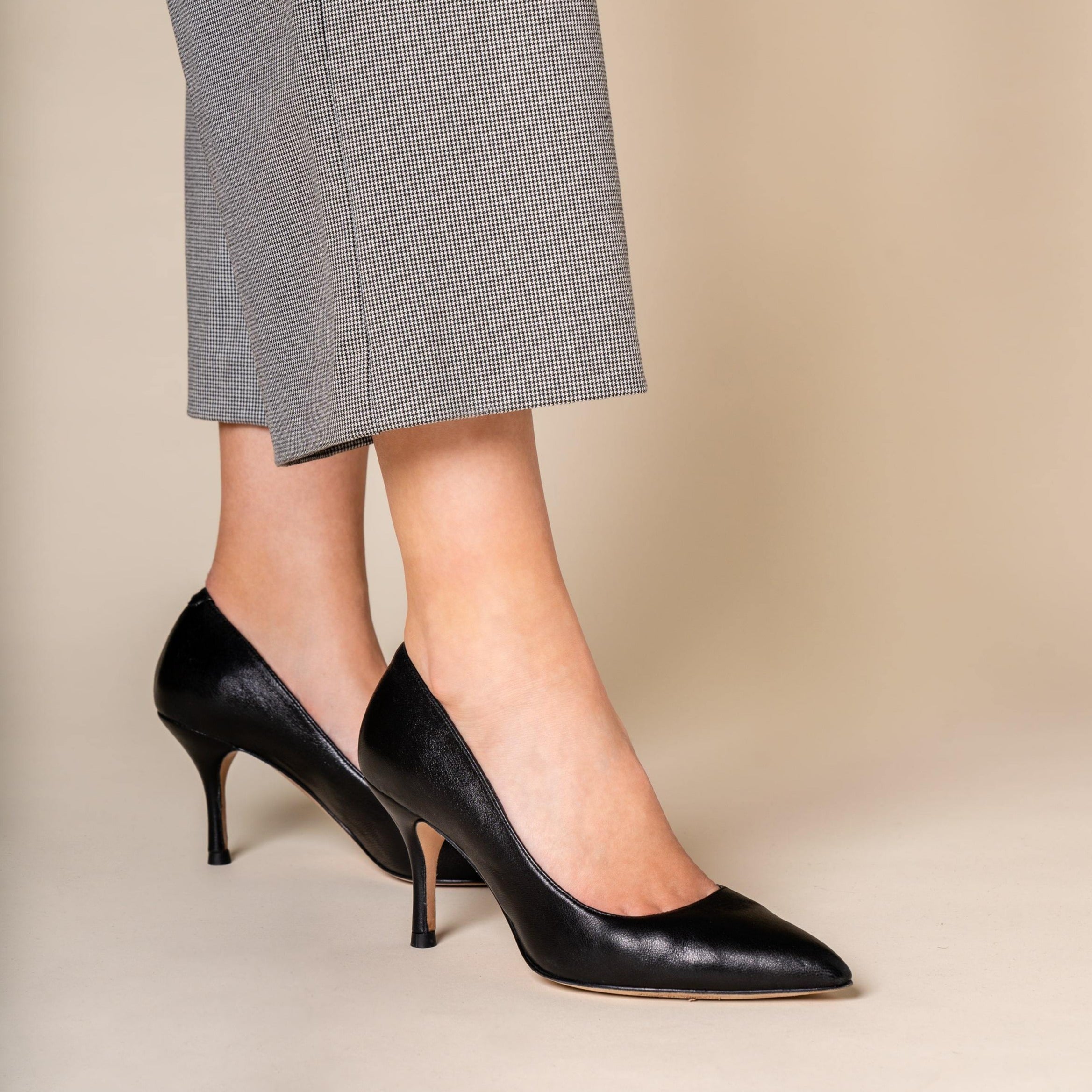
The true test of a wardrobe staple is its contextual fluidity. The black leather heels pass this test with distinction. Their elevation power lies in their chameleonic ability to adapt their message based on styling. Consider the work environment. Paired with a tailored sheath dress or a crisp trouser suit, a classic black leather pump communicates professionalism and polished readiness. The authority stems from its simplicity and lack of distraction. As fashion journalist Vanessa Friedman of The New York Times has often implied, true power-dressing is about edited precision, not ornamentation. Transition to evening wear, and the same shoe, now paired with a little black dress or sleek silk trousers, transforms. The context shifts the heel’s meaning from “capable” to “captivating.” The leather catches the low light of a restaurant or gallery, adding a touch of glamour that is understated yet undeniable. For a more avant-garde approach, pairing black leather block heels with an artistic, deconstructed ensemble references a different canon—one perhaps informed by the architectural designs of Rei Kawakubo for Comme des Garçons, where contrast and conceptual wear are key. The heel provides the familiar, grounding element that makes the experimental pieces wearable and coherent.
Material Intelligence: Why Leather Endures
To understand the supremacy of the black leather heel, one must appreciate the material itself. Leather is a byproduct of the meat industry, transformed through tanning into a durable, flexible, and breathable material. Its scientific properties are key to its longevity. The collagen fibers in leather allow it to mold to the wearer’s foot over time, creating a custom fit that synthetic materials struggle to replicate. This moldability, combined with tensile strength, means a well-crafted leather heel offers superior support and comfort—a crucial factor in an item meant for prolonged wear. From a sustainability perspective, high-quality leather, when sourced and tanned responsibly, is a durable good. A single pair of well-made black leather heels can last for decades with proper care, outliving countless pairs of fast-fashion alternatives. This aligns with the philosophy of slow fashion advocates like Orsola de Castro, who champion investment in versatile, long-lasting pieces. The patina that develops on black leather over time—subtle scuffs and a softening sheen—isn’t a flaw; it’s a narrative, a record of the wearer’s journey, adding character and depth that cannot be manufactured new.
The Stylist’s Toolkit: Practical Pairing Principles
Let’s translate theory into practice. How does one actively deploy black leather heels to elevate an outfit? First, consider silhouette contrast. Use the sharp, defined line of the heel to counterbalance fluidity. A flowing maxi dress or soft, wide-leg jeans are instantly modernized and structured by the introduction of a pointed-toe black leather pump or ankle boot. Second, leverage color theory. Use the black heel as a unifying thread in a tonal outfit (all black, or shades of grey) for a powerful, cohesive look. Alternatively, use it as a stark, grounding contrast to bold colors like fuchsia, cobalt blue, or emerald green; the black prevents the look from becoming overwhelming and adds sophistication. Third, play with texture. The smooth, often reflective surface of leather creates visual interest when paired with matte fabrics like wool, cotton, or suede. A black leather heel with a tweed skirt, a leather heel with a silk slip dress—these combinations are about tactile dialogue. Finally, mind the proportion. A slender stiletto can elevate a cropped, wide-leg trouser, while a substantial block heel might better balance a midi or full-length skirt, providing both physical stability and visual weight.
An Investment in Form and Function
Acquiring your foundational pair of black leather heels is an investment. Look for signs of quality: full-grain or top-grain leather, secure stitching (not just glue), a well-crafted heel that feels stable, and a comfortable, supportive insole. While premium brands command higher prices, the cost-per-wear over a decade makes them a rational choice. For the savvy shopper, end-of-season sales, reputable outlet stores, and platforms specializing in pre-owned luxury goods offer avenues to acquire these timeless pieces at a significant discount, often 30-50% below retail. Remember, you are not purchasing a trend; you are investing in a tool—a versatile, durable, and psychologically potent component of your personal arsenal. The right pair doesn’t just complete an outfit; it asserts a intention, builds an attitude, and provides the literal and figurative platform from which you present yourself to the world.
The elevation offered by black leather heels is a synthesis of science, psychology, and aesthetics. They manipulate silhouette through biomechanics, anchor color through absorption, command perception through cultural coding, and adapt through material intelligence. They are a democratizing force in style, offering a clear path to polished sophistication regardless of the other elements in your wardrobe. Their power lies not in loud declaration, but in quiet, unwavering authority. To master their use is to understand one of the fundamental languages of modern dressing.
