

Step Up Your Style: The Ultimate Saucony Walking Shoe Guide for Effortless Comfort and Trendy Looks
Let’s be honest: the line between a shoe that simply gets you from point A to point B and one that elevates your entire day is thinner than you think. For years, walking shoes were relegated to the realm of pure utility—clunky, visually forgettable, and worn only when absolute comfort was the solitary goal. But what if you didn’t have to choose? What if your daily stride could be supported by cutting-edge biomechanics, wrapped in a package that turns heads for all the right reasons? This isn’t a hypothetical scenario. The modern Saucony walking shoe represents a paradigm shift, a fusion where scientific engineering meets contemporary design, proving that you can, in fact, have it all. This guide is your deep dive into that world, moving beyond superficial reviews to unpack the core technologies, style philosophies, and undeniable value that make these shoes a cornerstone for the discerning walker.
The Foundation: Where Biomechanical Science Meets Daily Motion
To appreciate the Saucony walking shoe, one must first understand the science of walking itself. Gait analysis, a field deeply rooted in kinesiology and sports medicine, breaks down the walking cycle into phases: heel strike, mid-stance, and toe-off. Each phase places unique stresses on the joints and soft tissues. A poorly designed shoe can disrupt this natural cycle, leading to inefficiency and discomfort. Saucony’s approach is built upon decades of research, often cited in podiatric literature from institutions like the University of Virginia’s Running Medicine clinic, which emphasizes the critical role of stable heel counters and adaptive cushioning in injury prevention. The brand’s core technologies are direct responses to these biomechanical needs. For instance, the PWRRUN cushioning compound isn’t just “soft”; it’s a precisely formulated material designed to provide a responsive energy return, reducing the metabolic cost of walking—a concept explored in biomechanics papers on locomotor efficiency. Similarly, the FORMFIT system isn’t a marketing gimmick. It’s a three-dimensional construction philosophy that accommod the foot’s natural shape, offering a baseline comfort that aligns with principles from the American Podiatric Medical Association (APMA), which has granted its Seal of Acceptance to several Saucony models. This scientific bedrock is non-negotiable. It transforms the shoe from a mere accessory into a functional tool that supports your body’s architecture with every step you take.
Deconstructing Comfort: PWRRUN, Guidance, and Arch Support
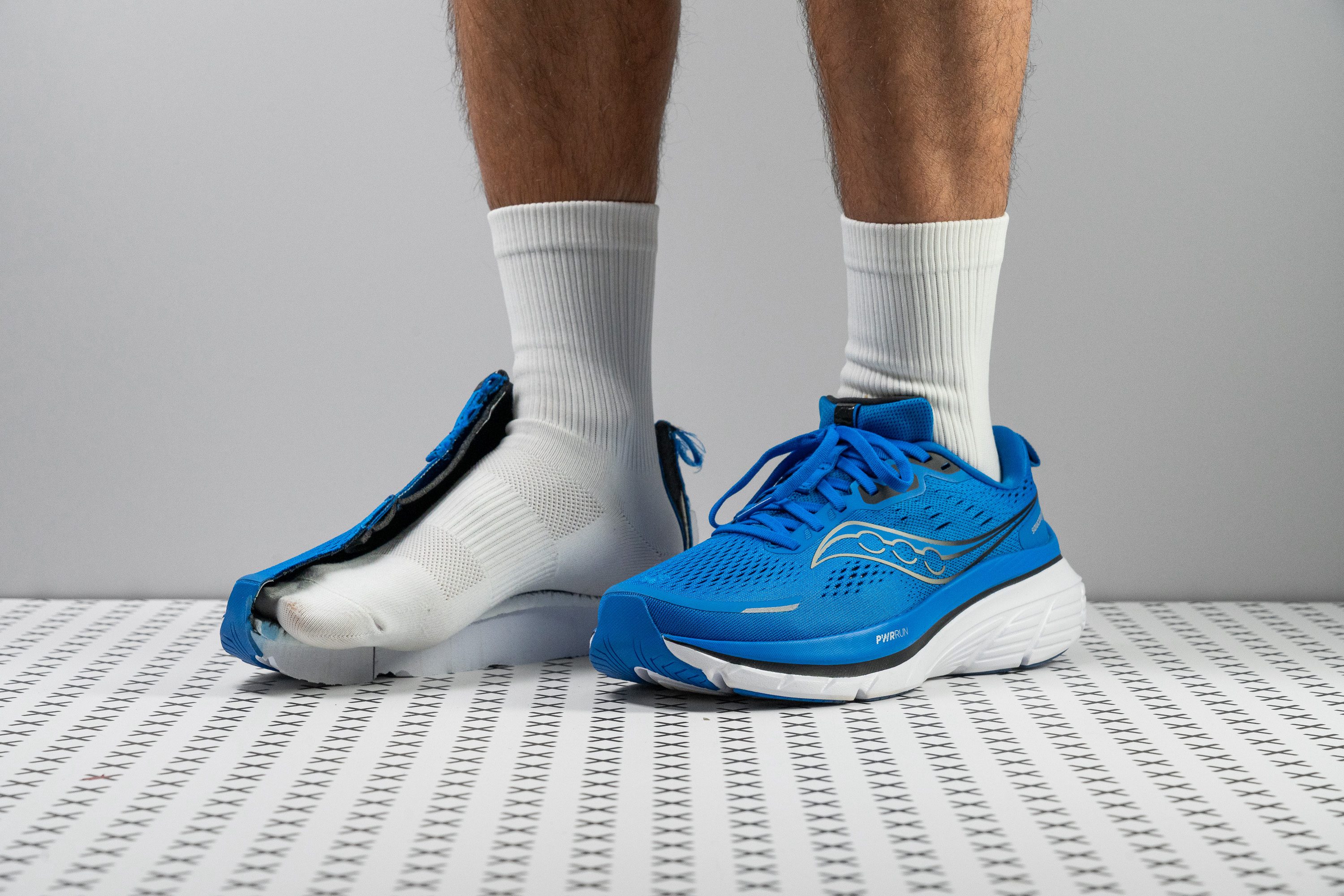
Comfort is a subjective term, but in footwear engineering, it is deconstructed into objective, measurable components: cushioning, stability, and fit. Saucony’s PWRRUN foam is a cornerstone here. Compared to traditional EVA foam, PWRRUN offers a significantly higher energy return—often quantified in laboratory settings using durometer tests and impact absorption metrics. This means less of your own energy is dissipated into the ground and more is returned to propel you forward, making long walks feel less taxing. But cushioning alone is not enough. For the countless individuals who exhibit mild to moderate overpronation (the inward roll of the foot after heel strike), a neutral cushiony shoe can inadvertently exacerbate alignment issues. This is where Saucony’s GUIDANCE line, like the popular Saucony Guide walking shoe, comes into play. It incorporates a medial post—a firmer density of foam along the inner edge of the midsole—to gently correct excessive foot motion. The efficacy of such guidance systems is supported by clinical observations in podiatry, noted in resources like The Journal of Foot and Ankle Research, which highlight their role in managing conditions like posterior tibial tendon dysfunction. Furthermore, the arch support is not an afterthought. It is sculpted to match the contours of a statistically average to high arch, providing a platform that prevents the plantar fascia ligament from over-stretching. When YouTube-based certified pedorthists like those from “The Foot Doctor” channel analyze daily wear shoes, they consistently highlight these integrated support features as critical for long-term foot health, separating gimmicky “comfort” from genuine, structurally sound design.
The Style Revolution: From Pavement to Patio Without a Second Thought
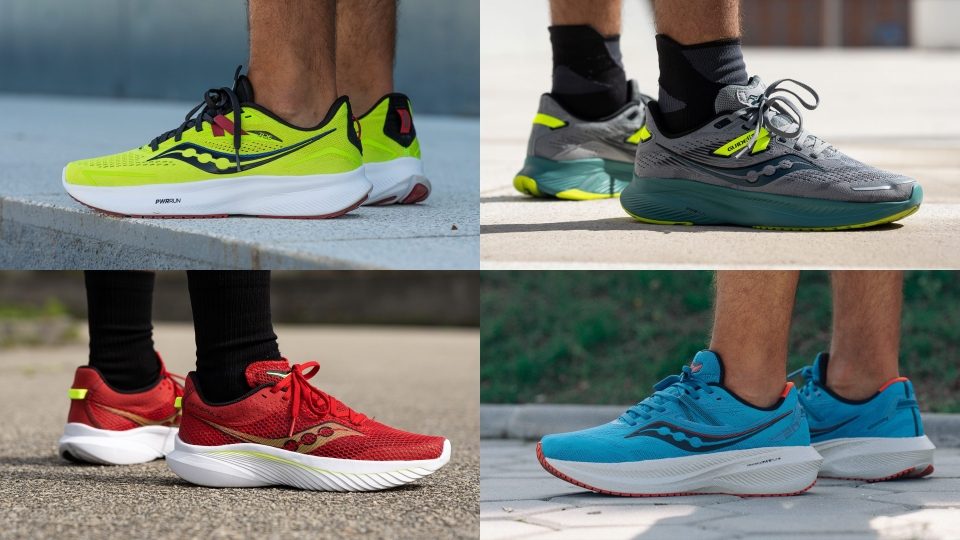
There was a time when “technical” footwear screamed its purpose from the rooftops, often in a cacophony of garish colors and bulky silhouettes. The modern aesthetic shift, led in part by brands like Saucony, embraces a “technical heritage” look. This philosophy, echoed by fashion commentators on platforms like GQ and Hypebeast, involves drawing design cues from performance lineage but executing them with a minimalist, versatile palette. Think less neon mesh and more refined suede overlays, muted earth tones, and clean, streamlined profiles. A contemporary Saucony walking shoe often features a tasteful mix of materials—breathable engineered mesh for thermoregulation paired with strategic leather or suede panels for structure and visual interest. The chunky, functional sole is no longer hidden; it’s celebrated as a design element, its layers and textures adding to the shoe’s character. This allows for seamless transition. You can confidently wear them for a morning power walk, a day of museum-hopping, or a casual evening out. The shoe doesn’t pigeonhole you into an “athletic” box. As designer and lifestyle influencer Jonah Hill remarked in a casual style discussion, “The best pieces in your wardrobe are the ones that do multiple jobs without looking like they’re trying too hard.” That’s the essence here. The trend-aware individual no longer needs a separate shoe for every activity; they need a versatile workhorse that aligns with a cohesive, smart-casual aesthetic. Saucony’s collaborations with fashion-forward retailers and designers further cement this position, proving that expertise in biomechanics can coexist with a keen eye for trends.
Material Choices and Color Theory: Building a Versatile Wardrobe Staple
Delving deeper into style, the material selection in a shoe dictates not only its durability and breathability but also its visual language and how it interacts with the rest of your outfit. Saucony’s use of premium materials in its walking lines is a deliberate move. A nubuck or suede mudguard, for example, adds a touch of sophistication and texture that synthetic materials often lack, allowing the shoe to pair more naturally with denim, chinos, or even tailored trousers. The colorways are equally strategic. Moving beyond primary color blocks, you’ll find sophisticated combinations like olive drab with copper accents, deep navy with cream midsoles, or all-over stone grey. These are colors rooted in menswear and womenswear fundamentals, as outlined in classic texts on color theory like The Elements of Color by Johannes Itten. They are inherently easier to integrate into a existing wardrobe. Furthermore, the consideration of proportion is key. While the sole provides essential stack height for cushioning, the overall silhouette is often refined to avoid an overly bulky look. This attention to proportion ensures the shoe complements the leg line rather than overwhelming it—a subtle but crucial detail noted by stylists in fashion forums like Styleforum. When you invest in a pair, you’re not just buying foot comfort; you’re acquiring a sartorial asset that increases the combinatorial possibilities of your closet, adhering to the “cost per wear” principle favored by savvy shoppers.

Investment and Value: Professional Insight Meets Smart Spending
An investment in quality footwear is an investment in your well-being and daily presentation. The initial price point of a premium Saucony walking shoe, often ranging from $120 to $160, must be contextualized within its total value proposition. From a professional standpoint, the cost of neglecting proper foot support can be far higher, potentially leading to issues that require costly interventions like custom orthotics, physical therapy, or even surgery. A well-constructed shoe with durable rubber outsoles (like Saucony’s XT-900 compound) and resilient midsole foams will maintain its structural integrity and cushioning properties for hundreds of miles, dramatically outlasting cheaper, mass-produced alternatives that compress and break down rapidly. This longevity is a direct form of savings. Furthermore, the market for Saucony shoes is dynamic. While the MSRP reflects the value of the technology and design, strategic shopping can yield significant benefits. End-of-season sales, particularly on outgoing models (e.g., moving from the Guide 17 to the Guide 18), can see discounts of 30-50%. Major holiday sales events, retailer clearance sections, and certified online outlets are all excellent avenues to acquire these shoes at a fraction of their original cost. As financial advisor and author David Bach discusses in the context of “The Latte Factor,” reallocating funds from fleeting disposable purchases toward high-quality, durable goods that enhance daily life is a cornerstone of practical personal finance. Purchasing a top-tier walking shoe on discount isn’t just a good deal; it’s a smart allocation of resources toward long-term comfort and style.
A Note on Authenticity and Sourcing
In the pursuit of a good deal, vigilance is paramount. The prevalence of counterfeit goods, especially in online marketplaces, poses a real risk. A fake shoe will lack the precise engineering, quality materials, and consistent manufacturing standards of an authentic Saucony product. To ensure you’re getting the genuine article—and thus the full benefit of the science and style discussed here—prioritize authorized retailers. These include Saucony’s own website, major sporting goods chains with established vendor relationships, and reputable online footwear specialists. Checking for the APMA Seal (if applicable), consistent branding, and proper packaging are good first steps. Remember, the ultimate value is realized only when the product in your hands is the one that was truly designed in laboratories and tested on thousands of feet.

The journey to finding the perfect walking companion ends not with a compromise, but with a synthesis. The archetype of the clunky, purely functional walking shoe is obsolete. In its place stands a new standard, exemplified by Saucony, where every stitch, every layer of foam, and every color choice is informed by a dual mandate: uncompromising biomechanical support and conscious, contemporary style. This isn’t about following a fleeting trend; it’s about aligning yourself with a product philosophy that respects the complexity of the human body and the nuance of personal expression. When you lace up a shoe born from this philosophy, you’re not just preparing for a walk. You’re equipping yourself for the varied terrain of modern life—from the morning commute to the weekend adventure—with confidence rooted in science and expressed through timeless style. Your next step, quite literally, can be your best one yet.
