

The Ultimate Guide to Choosing Shoes for Every Walk of Life
Your journey begins with a single step, and the foundation of every great journey is the footwear you choose. This isn’t about fleeting fashion or brand allegiance; it’s about the profound, biomechanical partnership between your body and the ground. The right pair of shoes to walk in can transform a daily chore into a pleasure, protect your joints from the relentless march of time, and empower you to explore further. Conversely, the wrong pair is a silent saboteur, contributing to a cascade of issues from plantar fasciitis to chronic back pain. We navigate diverse terrains in life—from polished office floors and bustling city streets to rugged mountain trails and serene park paths. Each environment demands a specific dialogue between your foot and the surface. This guide cuts through the marketing noise, offering an objective, science-backed framework for selecting the perfect footwear for every literal walk of life you undertake. We will delve into anatomy, material science, and biomechanics, arming you with the knowledge to make informed choices that support your mobility, health, and adventures.
The Foundation: Understanding Foot Biomechanics and Gait
Before you can choose a shoe, you must understand the machine it serves: your foot. The human foot is a marvel of engineering, comprising 26 bones, 33 joints, and over 100 muscles, tendons, and ligaments. Its primary functions are shock absorption, adaptation to uneven terrain, and providing a rigid lever for propulsion. Your gait—the pattern of how you walk—is as unique as your fingerprint. It involves a complex cycle of heel strike, foot flat, mid-stance, heel-off, and toe-off. Disruptions in this cycle, often stemming from improper footwear, can lead to inefficiency and injury. Pronation, the natural inward roll of the foot after heel strike, is a key concept. Neutral pronation is ideal, where the foot rolls inward about 15% to distribute impact. Overpronation (excessive inward roll) and supination (insufficient inward roll, or outward roll) are common imbalances. A study from the Harvard Medical School publications emphasizes that “proper footwear acts as a critical interface, correcting or accommodating these biomechanical tendencies to ensure alignment from the foot up through the knee, hip, and spine.” Therefore, the first step in choosing shoes to walk in is not looking at a style, but understanding your foot’s architecture and movement pattern. This often requires a gait analysis, available at many specialty running stores, or a consultation with a podiatrist.
Decoding the Shoe: Anatomy of a Purpose-Built Walker
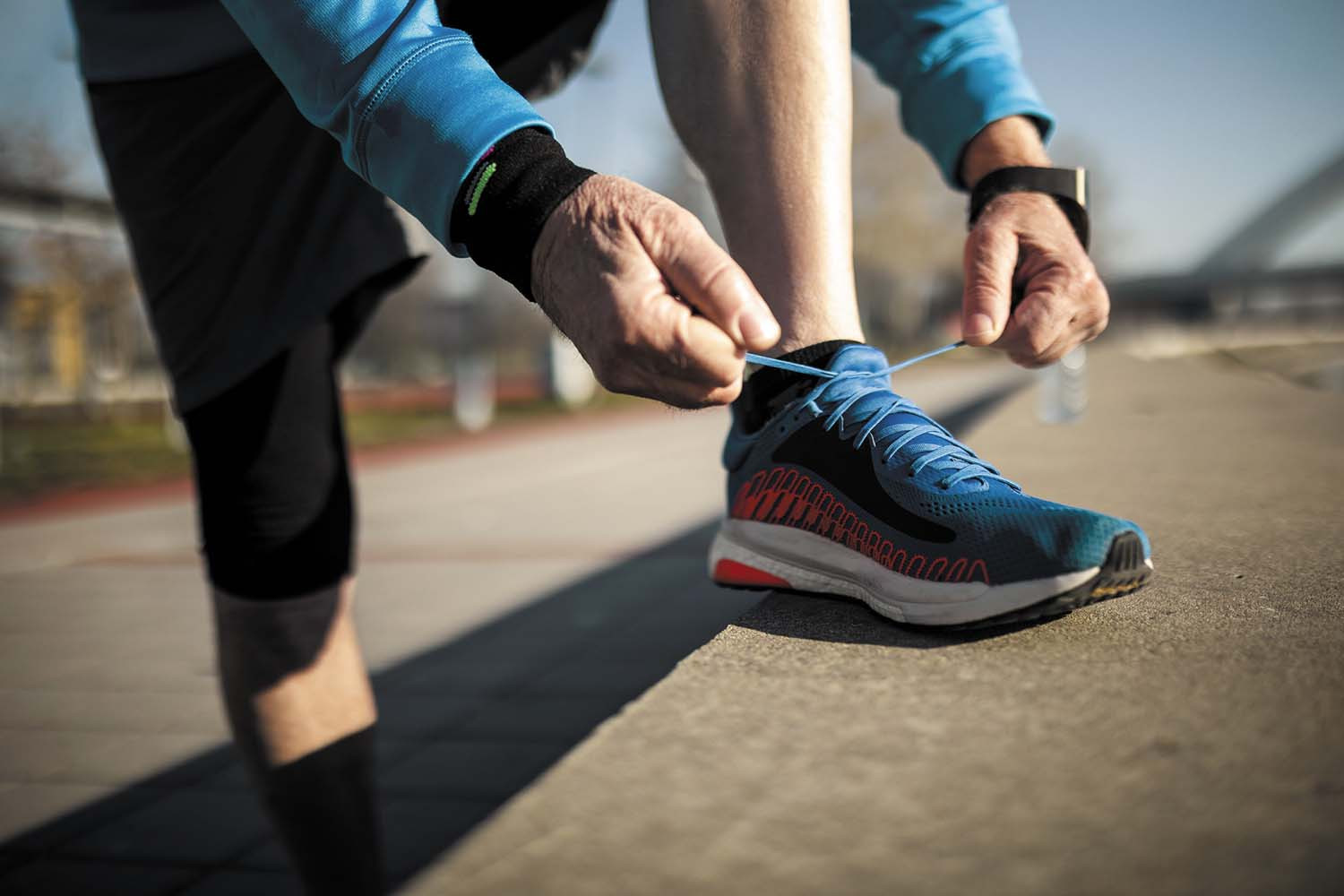
A walking shoe is not merely a simplified running shoe; it is designed for the specific mechanics of walking, where one foot is always in contact with the ground, creating different stress points. Let’s dissect its crucial components. The upper must be made of breathable, flexible materials like mesh or engineered knit to accommodate foot swelling and prevent blisters, while providing structure. The midsole is the heart of the shoe, responsible for cushioning and stability. Materials like EVA (ethylene-vinyl acetate) foam or advanced compounds like Nike’s React or Adidas’s Boost offer varying levels of energy return and durability. For walkers, cushioning should be firm yet responsive, not overly soft, to provide stability. The heel counter, the rigid cup at the back, is vital for locking the heel in place, preventing slippage that can lead to tendonitis. The arch support is not one-size-fits-all; it must match your foot type to control pronation. Finally, the outsole needs durable rubber with a flexible groove pattern to facilitate the foot’s natural roll-off. The rocker sole design, featured in many brands like HOKA, is scientifically proven to reduce pressure on the metatarsals and Achilles tendon, promoting a smoother gait cycle. As noted by biomechanists on educational platforms like Quora and in peer-reviewed literature, “the synergy of these components working in harmony is what defines a superior walking shoe, transforming it from a passive covering to an active mobility aid.”
The Terrain Dictates the Tool: A Taxonomy of Walking Shoes
Just as a mountaineer wouldn’t wear flip-flops, your urban commute demands different footwear than a forest hike. Categorizing by primary use is essential.
1. The Urban Commuter & Everyday Walker
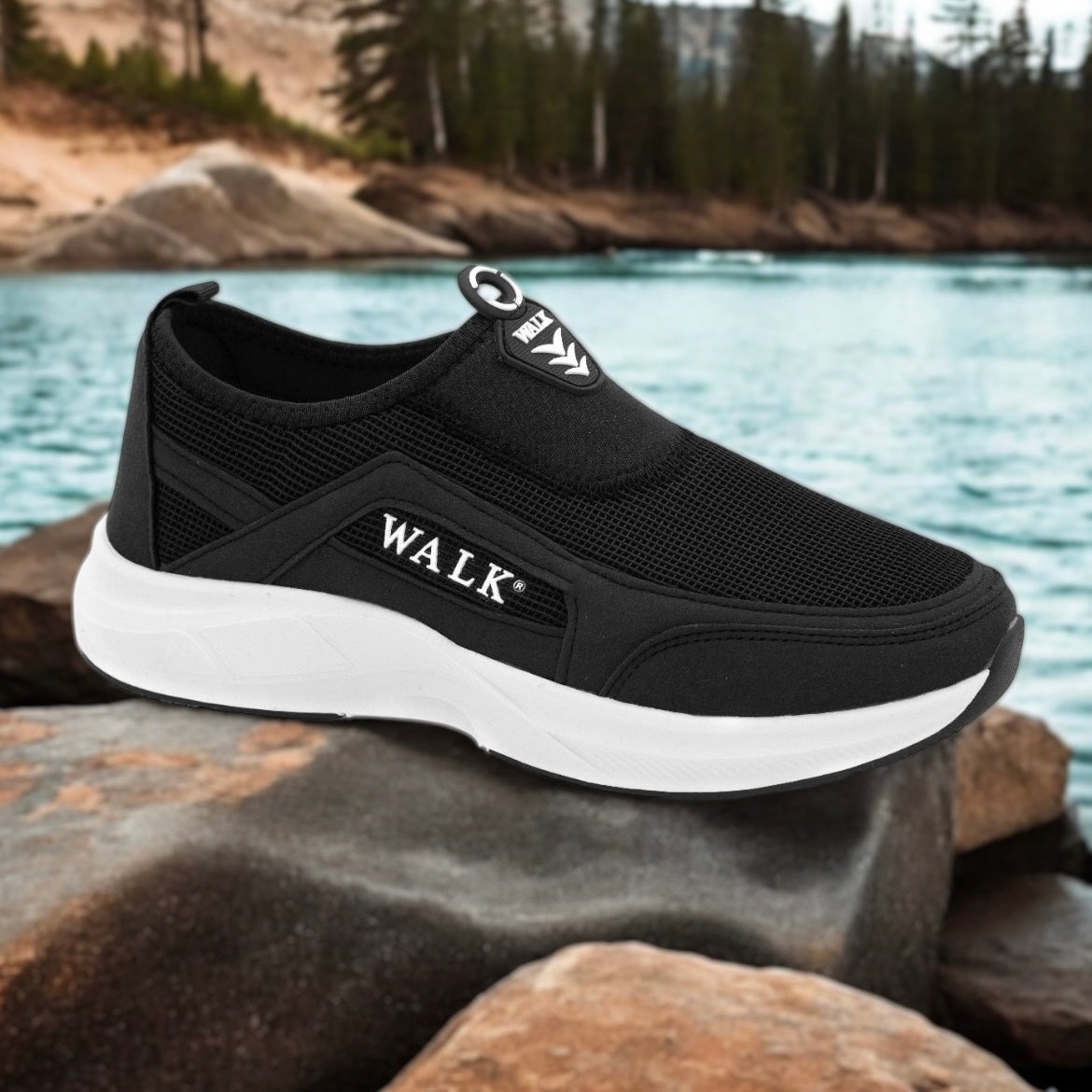
This is your workhorse for paved surfaces. Priority one is all-day comfort and understated style. Look for shoes with ample forefoot flexibility, as city walking involves constant push-off. Cushioning should be balanced—enough to handle concrete’s unforgiving nature, but not so much that you feel unstable on curbs or stairs. Brands like Ecco, Cole Haan, and certain lines from Skechers excel here, often incorporating premium leathers with technical footbeds. Water resistance is a valuable feature for unpredictable weather. The key is a shoe that transitions seamlessly from a long walk to a business-casual meeting without screaming “athletic gear.” Remember, the best shoes to walk in for the city are those you forget you’re wearing, allowing you to focus on your day, not your feet.
2. The Fitness & Power Walker’s Choice
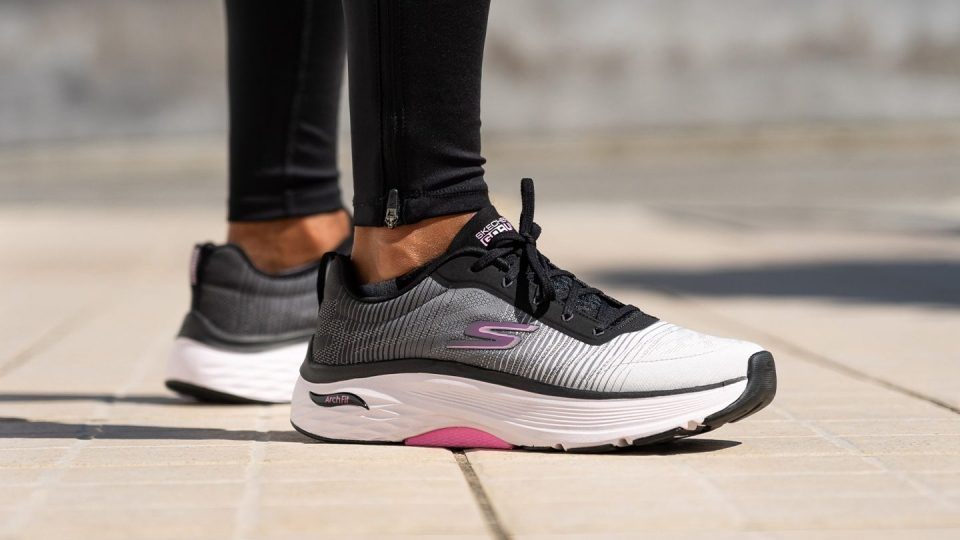
When walking is your primary exercise, performance takes center stage. These shoes prioritize lightweight construction, superior breathability, and dynamic support to handle a faster pace and longer distances. They often feature more pronounced heel-to-toe drops (8-10mm) to encourage a rolling motion and may include stability technologies like medial posts for overpronators. The outsole will have a more aggressive tread pattern at the forefoot for propulsion. As running legend and coach Jeff Galloway has stated in his training guides,
“A dedicated walking shoe for fitness is non-negotiable for serious walkers. It provides the specific support structure that running shoes, designed for flight phases, do not, making your training safer and more effective.”
Brands like New Balance, Brooks, and Asics have dedicated walking collections built on decades of biomechanical research.
3. The Trail Adventurer
Uneven, slippery, and rocky terrain demands a fortress for your feet. Trail walking shoes are characterized by aggressive, multi-directional lugs on the outsole for grip, a protective toe cap to guard against roots and stones, and often a waterproof yet breathable membrane like Gore-Tex. The midsole is usually firmer to provide stability on off-camber surfaces, and the upper is reinforced to resist abrasion. The difference between a trail runner and a trail walker often lies in the stack height and flexibility; walkers may benefit from a slightly lower profile for better ground feel and stability. Investing in a proper pair of trail shoes isn’t just about comfort; it’s a critical safety measure to prevent slips and ankle rolls in remote areas.
The Critical Fit: More Than Just Size
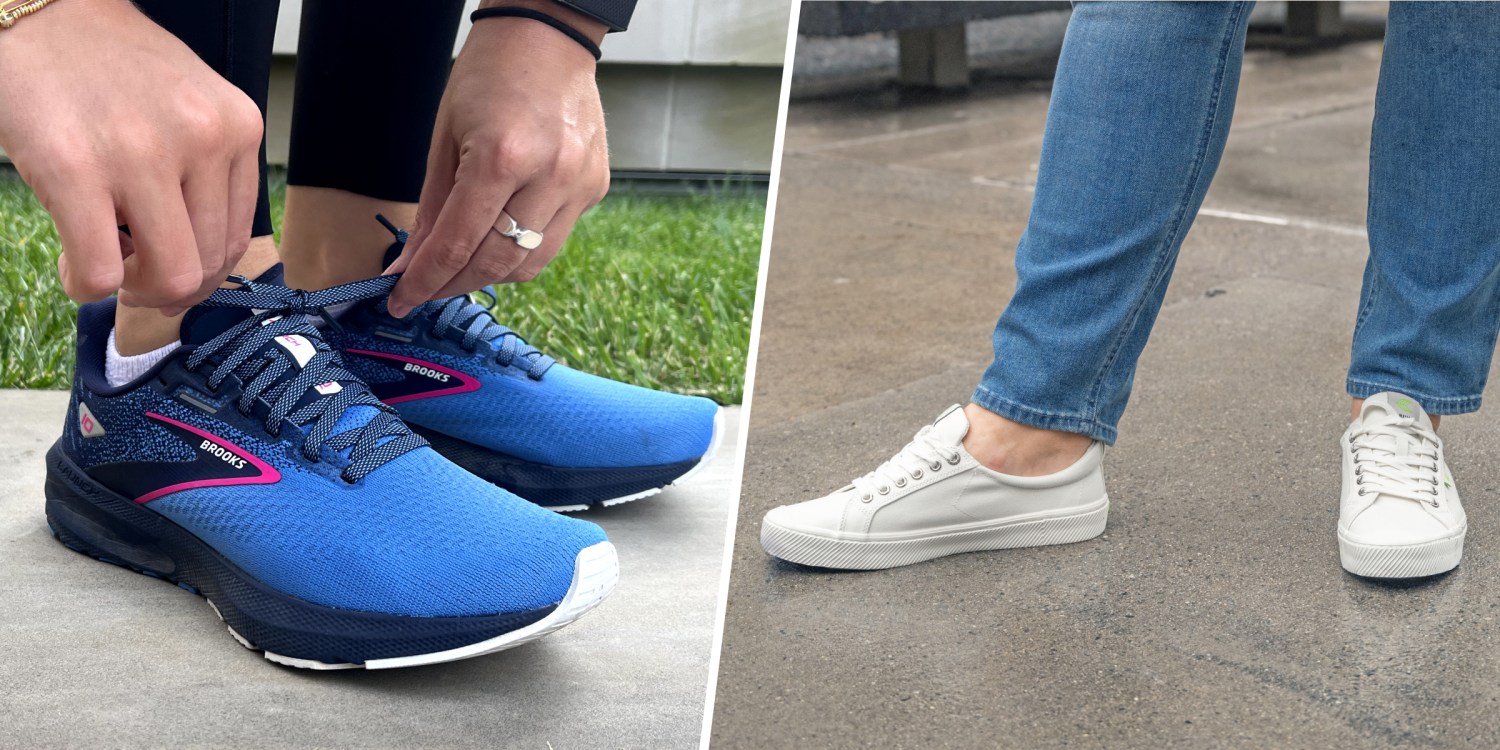
A shoe can have perfect specs on paper, but if it doesn’t fit your unique foot, it’s worthless. Fit is a three-dimensional puzzle. Length: There should be a thumb’s width (about 1/2 inch) of space between your longest toe and the end of the shoe. Your feet swell throughout the day, so shop in the afternoon. Width: The ball of your foot should sit comfortably in the widest part of the shoe without spilling over the midsole. Many brands offer wide and narrow options. Volume: This refers to the height of the footbed. A high-volume foot will feel cramped in a low-volume shoe, causing pressure on the instep. Lacing techniques can offer micro-adjustments. For instance, a “runner’s loop” can lock the heel, while skipping eyelets can relieve pressure on the top of the foot. Never buy shoes expecting to “break them in.” Modern performance footwear should feel comfortable from the first step. This personalized fit is what transforms a generic product into your perfect pair of shoes to walk in.
Investment in Longevity: Care, Rotation, and Replacement
Quality footwear is an investment in your health, and like any investment, it requires maintenance. Rotating between two or more pairs allows the midsole foam to fully decompress between uses, dramatically extending its functional life. It also varies the stress patterns on your feet. Keep shoes clean and dry; stuff them with newspaper to absorb moisture, but avoid direct heat sources like radiators which can break down adhesives and materials. The most important rule is knowing when to retire them. The cushioning and support degrade long before the outsole is visibly worn. The general consensus among podiatrists and shoe fitters, as echoed in resources from the American Podiatric Medical Association and expert YouTube channels like “The Run Experience,” is to replace shoes every 300-500 miles. For a daily walker covering 3 miles a day, that’s roughly every 4 to 6 months. Listen to your body: new aches in your knees, shins, or back are often the first sign that your trusted shoes to walk in have passed their prime.
Bringing Expertise and Value to Your Decision
Armed with this knowledge, you are now a discerning buyer. To bring this expertise home with value, consider these strategies. First, shop at specialty stores where staff are trained in fit and gait analysis—the advice is often worth any potential price difference. Second, know the model cycles; last season’s colorways of the same model often see significant discounts online. Third, consider direct-to-consumer brands like Allbirds or certain Amazon Essentials lines that offer high-quality materials and construction at lower price points by cutting out retail middlemen. Finally, some premium brands offer re-soling or refurbishment programs, a cost-effective and sustainable way to extend the life of a perfectly broken-in upper. The goal is to marry professional-grade understanding with smart purchasing, ensuring you get the technology and fit you need without overspending.
:max_bytes(150000):strip_icc()/woman-feet-running-on-road-closeup-on-shoe--young-fitness-women-runner-legs-ready-for-run-on-the-road--sports-healthy-lifestyle-concept--1192508928-4ad65578a5b64bfe95d29e3182fbb398.jpg)
Your choice in footwear is a direct vote for how you move through the world. It is a decision that reverberates through your skeleton with every step. By prioritizing biomechanical harmony over trends, by matching the tool to the terrain, and by respecting the science of fit and longevity, you equip yourself for more than just a walk. You equip yourself for resilience, exploration, and sustained vitality. Let your shoes be a testament to thoughtful preparation, so that wherever life’s paths lead—be they city grids, woodland trails, or the long road toward personal wellness—you are fundamentally, biomechanically supported to walk with confidence, comfort, and strength.
