

The Ultimate Guide to Walking Shoes That Elevate Your Everyday Look
Forget the notion that style and comfort are mutually exclusive, especially when it comes to the foundation of your daily attire—your footwear. The right pair of shoes to walk in does more than transport you from point A to point B; it serves as a silent yet powerful statement about your approach to life, blending uncompromising support with aesthetic intention. This guide is dedicated to dismantling the old paradigm, proving that the most practical choice can also be the most sophisticated one. We will navigate through the anatomy of ideal walking companions, the science of foot health, and the design principles that turn a simple shoe into a cornerstone of a polished, everyday look.
The Anatomy of All-Day Comfort: More Than Just Cushioning
When we dissect what makes an exceptional walking shoe, we move beyond superficial softness into the realm of biomechanical engineering. The primary function of any shoes to walk in is to facilitate the natural gait cycle—heel strike, foot flat, mid-stance, heel-off, and toe-off—while mitigating the impact forces that travel up your skeletal structure. According to research from the Spaulding National Running Center, affiliated with Harvard Medical School, improper footwear can alter stride mechanics, leading to inefficiency and strain. The key components start with the midsole, often made from EVA (ethylene-vinyl acetate) or polyurethane foams, which provides the essential shock absorption. However, density and compression resistance are critical; a foam that is too soft may feel luxurious initially but will bottom out, failing to provide stable support over miles. The insole or footbed should offer arch contouring, a feature highlighted by the American Podiatric Medical Association as vital for distributing pressure evenly. The outsole’s rubber compound and tread pattern determine durability and traction, preventing slips on varied urban terrain. Finally, the upper’s breathability and structural integrity ensure the foot remains secure and cool, preventing the friction that leads to blisters. This confluence of features creates a synergy where comfort is not a temporary sensation but a sustained, scientific reality.
:max_bytes(150000):strip_icc()/woman-feet-running-on-road-closeup-on-shoe--young-fitness-women-runner-legs-ready-for-run-on-the-road--sports-healthy-lifestyle-concept--1192508928-4ad65578a5b64bfe95d29e3182fbb398.jpg)
Where Form Meets Function: The Aesthetics of Practicality
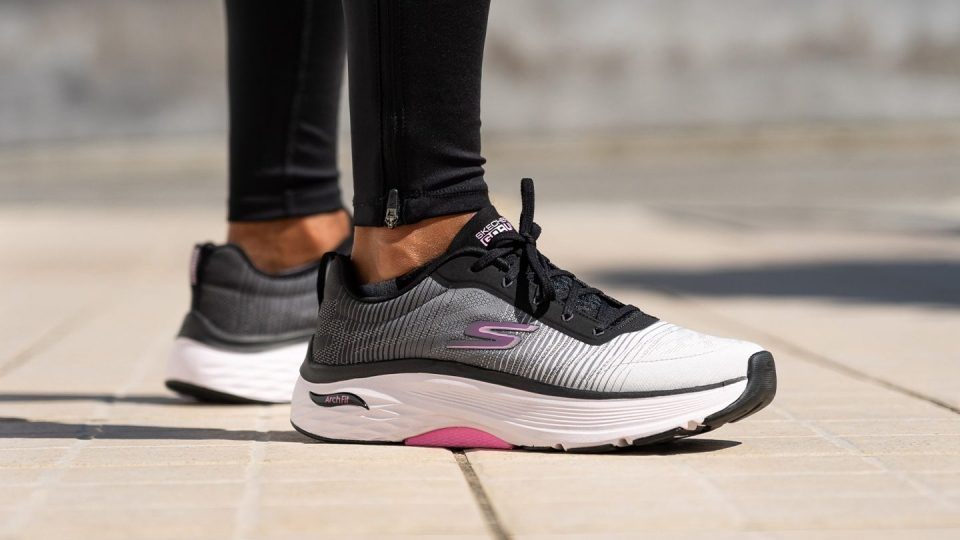
The historical divide between “sneakers” and “dress shoes” is an artificial construct that modern design has happily eroded. Today’s leading footwear brands understand that consumers refuse to choose. The evolution has been toward minimalist profiles, monochromatic colorways, and the use of premium materials like suede, knit textiles, and even recycled elements that speak to a conscious lifestyle. Consider the perspective of renowned designer Tinker Hatfield, the mind behind iconic Nike silhouettes, who famously stated in an interview with Fast Company: “The best design solves a problem without announcing itself as a solution.” This philosophy is perfectly embodied in contemporary walking shoes. A sleek, low-profile design in neutral grey or black can seamlessly transition from a morning commute to a casual business meeting, pairing equally well with tailored trousers or dark denim. The aesthetic appeal lies in the clean lines, absence of overly technical or garish detailing, and a color palette that prioritizes versatility. This isn’t about hiding the fact that you’re wearing performance footwear; it’s about celebrating a design so coherent that its technical prowess becomes an inherent part of its beauty. The right pair becomes a style staple, akin to a perfect leather jacket or a quality watch—an item defined by both its utility and its ability to unify an outfit.
Decoding the Needs of Your Feet: A Personal Audit
Selecting the perfect walking shoe is an exercise in self-knowledge. A generic recommendation is futile without understanding your unique biomechanics. The first step is determining your foot type and pronation—the natural inward roll of the foot during the gait cycle. The “wet test” is a classic, low-tech method: wet your foot and step onto a piece of cardboard. A full imprint indicates a low arch (overpronation), often requiring shoes with structured support and motion control. A print with a narrow band connecting the forefoot and heel suggests a high arch (underpronation or supination), which benefits from maximum cushioning and flexibility. A clear curve in the middle signifies a neutral arch. Furthermore, consider the volume of your foot—do you have a high instep or wide forefoot? Brands now frequently offer variable width options. Your daily terrain is another crucial factor. Predominantly pavement-pounding demands exceptional shock absorption, while varied paths call for more aggressive tread. As the Cleveland Clinic’s health library advises, investing time in this personal audit prevents the common pitfall of choosing shoes based on appearance alone, ensuring your shoes to walk in are true allies for your body’s architecture.
The Longevity Equation: Investment Versus Cost
A common misconception is that a higher price tag is merely for a brand logo. In reality, with walking shoes, you are investing in advanced materials, rigorous research, and construction quality that directly correlates with longevity and performance. A study from the University of Colorado Boulder’s Department of Integrative Physiology noted that midsole foam typically loses a significant percentage of its shock-absorbing properties after 300-500 miles of use, regardless of visible wear. This invisible degradation is why experts recommend replacing your primary shoes to walk in every six to nine months with regular use. Therefore, a shoe constructed with a durable carbon rubber outsole, resilient foam compound, and reinforced stitching may retail for $120-$160 but will maintain its protective integrity far longer than a $60 alternative, offering better cost-per-mile value. Furthermore, this is an investment in preventative health. As podiatrist Dr. Emily Splichal frequently emphasizes on her wellness-focused YouTube channel, proper footwear is a cornerstone of musculoskeletal health, potentially saving thousands in future therapy, orthotics, or treatment for issues stemming from poor support. The initial outlay is not just for a product, but for sustained well-being.
:max_bytes(150000):strip_icc()/when-should-i-replace-my-walking-shoes-3436325-0801-7a1840d83573471092e0380f9e230ecc.jpg)
Curated Selections for the Discerning Walker
Navigating the market can be overwhelming. Here, we break down categories to match intention with design. For the Urban Minimalist, brands like Cole Haan and Allbirds excel, offering styles with discreet cushioning systems (like Grand.ØS or SweetFoam) wrapped in wool knits or polished leather. For those requiring Maximum Support, look to models from New Balance (like the 990 series) or Brooks (the Addiction Walker), which often feature guide rails for stability and extended progressive rollbars. The Sustainable Advocate might gravitate toward brands like Veja or Salomon’s indexed collections, which transparently use organic cotton, recycled polyester, and wild rubber. It’s worth noting that direct-to-consumer brands and seasonal sales are excellent avenues for value. For instance, end-of-season colorways or previous model years often see discounts of 25-40% without compromising on core technology. A pro-tip: sign up for brand newsletters for early access to sales. The goal is to acquire a tool that elevates your daily experience, and strategic shopping makes premium shoes to walk in more accessible.

Integrating Your Walking Shoes into a Cohesive Wardrobe
The final step is sartorial integration. Your walking shoes should not live in isolation; they are the foundational piece that grounds your outfit. The principle is harmony, not matchy-matchy. A pair of crisp white leather walking sneakers can break up a dark monochrome outfit, adding a point of fresh contrast. A sleek black pair can elongate the leg line when worn with black jeans or tights. Texture play is also effective—the soft nubuck of a walking shoe against the hard finish of denim or the drape of linen creates visual interest. Consider the advice from stylists featured on Who What Wear: treat your technical shoes as a neutral. Let their clean design be the constant, and rotate your clothing around them. This approach maximizes their utility and ensures you are always put-together, whether you’re dashing through an airport, exploring a new city on foot, or navigating a full day of errands and appointments. The confidence that comes from knowing you look appropriate and stylish, without a whisper of discomfort, is the ultimate elevation.
The journey to finding the perfect walking shoe is a deliberate one, merging objective analysis of technology and fit with a subjective eye for design. It is a rejection of the false choice between caring for your body and expressing your style. The ideal pair exists at this intersection, offering a daily reprieve from discomfort and a silent boost to your personal presentation. They are the unsung heroes of a dynamic life, proving that the best shoes to walk in are those you never have to think about—until someone compliments how great they look.
