

Styling 80s Sneakers for Modern Streetwear Looks
The resurgence of 80s sneakers is not merely a nostalgic blip but a foundational pillar in contemporary streetwear. These shoes, born from the technological optimism and bold cultural statements of the 1980s, offer a unique lexicon of style that modern fashion continuously revisits and reinterprets. This article delves into how to integrate these iconic silhouettes into today’s wardrobe, moving beyond costume and into coherent, cutting-edge personal expression. We will explore their design ethos, provide actionable styling frameworks, and ground their enduring appeal in cultural and academic discourse, all while connecting you with the knowledge and opportunities to build your own legacy look.
The DNA of 80s Sneakers: More Than Just Rubber and Leather
To style 80s sneakers effectively, one must first understand their inherent character. The 1980s was a decade of dramatic shifts: the rise of hip-hop, the explosion of aerobics culture, the dawn of the blockbuster movie, and significant advancements in material science. Footwear responded in kind. Brands like Nike, Reebok, and Adidas moved beyond mere athletic performance into the realm of personal identity. The designs became louder, incorporating vibrant color blocking, synthetic materials like nylon and mesh, and innovative cushioning systems visibly encapsulated in air windows or gel pods. As Dr. Elizabeth Semmelhack, Senior Curator at the Bata Shoe Museum, notes in her research, “The 1980s sneaker became a billboard for technological achievement and a canvas for subcultural affiliation.” This duality is key. A model like the Nike Air Max 1 (1987), with its visible Air unit, wasn’t just a running shoe; it was a walking manifesto on innovation. Similarly, the Reebok Freestyle (1982), designed for women’s aerobics, became an emblem of female empowerment and athleticism. When you wear an 80s sneaker today, you are not just wearing an old shoe; you are engaging with a piece of design history that carries narratives of technological bravado and social change. This foundational understanding prevents the look from becoming a shallow retro gimmick and instead allows for a thoughtful integration where the shoe’s history complements your modern narrative.
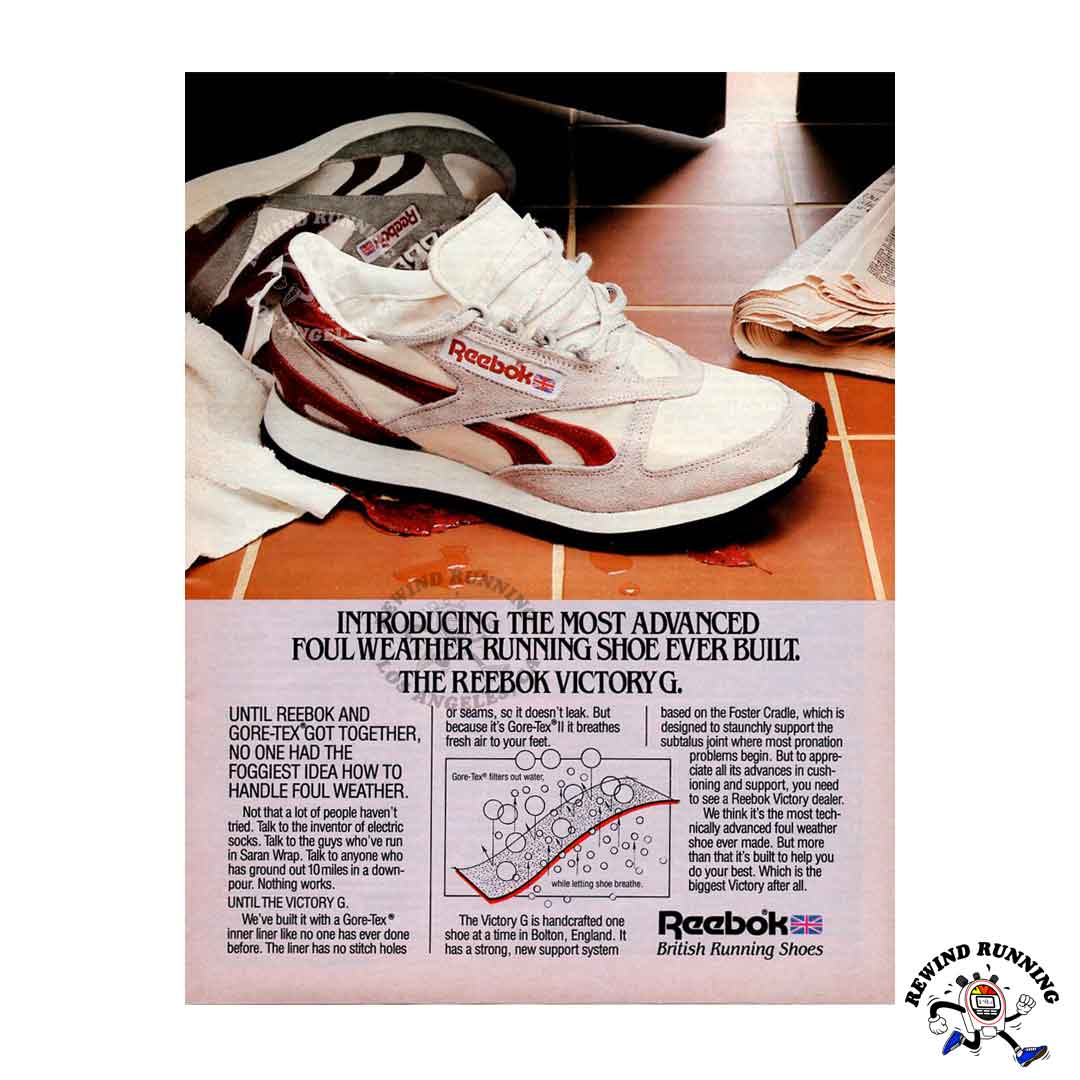
Framework One: The Monochrome Foundation with a Pop of Heritage
One of the most sophisticated methods to deploy an 80s sneaker is to use it as the singular point of vibrant energy within a restrained outfit. Begin with a monochrome base—a head-to-toe ensemble in black, white, grey, or beige. This could be a tailored tracksuit, a simple tee and wide-leg trouser combination, or a minimalist dress. The uniformity of color creates a clean, modern canvas. Then, introduce your chosen sneaker. The inherent complexity and color of the 80s design will immediately become the focal point. For instance, a pair of GOLA Harriers, with their distinctive suede panels and contrasting stripes, against an all-black outfit creates a dynamic tension between past and present. This approach is championed by contemporary stylists like Alyssa Coscarelli, who often states, “Let the shoe tell the story. When everything else is quiet, the statement of a vintage sneaker can sing.” This method works because it respects the shoe’s status as an artifact. You are not trying to recreate an 80s outfit; you are curating a modern look that acknowledges and highlights a iconic design element. It’s a dialogue, not a reenactment. This framework is exceptionally versatile, allowing everything from a chunky basketball sneaker like the Nike Air Force 1 (1982) to a technical running model like the ASICS GEL-Lyte III (1990, but rooted in 80s tech) to take center stage without the risk of the outfit feeling “costumey.”

Deconstructing the Silhouette: Proportional Play
The quintessential 80s sneakers often feature a bulkier, more substantial profile compared to the minimalist sneakers of the 2010s. Embracing this volume is crucial, and it can be masterfully balanced through proportional play in the rest of your outfit. The golden rule is to avoid competition. If your sneakers are large and eye-catching, pair them with garments that offer clean lines and intentional volume elsewhere to create harmony. Wide-leg or baggy jeans are a natural partner, as their drape from the waist down creates a vertical line that is gracefully anchored by the substantial shoe. Cropped or cuffed trousers that break above the sneaker allow its full design to be appreciated and prevent a bulky, stacked silhouette. On top, consider more fitted or structured pieces—a boxy leather jacket, a tailored blazer, or a simple fitted turtleneck. This creates a pleasing contrast, framing the body while letting the shoes command the lower half. Fashion theory from institutions like the Fashion Institute of Technology supports this idea of “visual weight” distribution in creating a balanced outfit. The goal is to create an intentional, modern silhouette where the sneaker’s bulk is presented as a deliberate choice, not an awkward accident. Think of the aesthetic popularized by brands like Aime Leon Dore or Drake’s NOCTA line, which frequently integrates vintage sportswear cues with contemporary tailoring—the 80s sneaker is a perfect cornerstone for this look.
Framework Two: The Neo-Retro Fusion
For those seeking a more direct but nuanced homage, the Neo-Retro Fusion framework involves pairing your 80s footwear with contemporary pieces that themselves reference 80s and 90s aesthetics, but through a modern filter. This is not about wearing acid-wash jeans and a Members Only jacket. Instead, it’s about selecting modern garments that echo the shapes, materials, or attitudes of the era. Pair your Reebok Classic Leather or Nike Cortez with cargo pants made from technical, sustainable fabrics, a oversized rugby polo, or a color-blocked windbreaker from a brand like Palace or Supreme. The connection is thematic rather than literal. The sneaker becomes the authentic vintage anchor in an outfit built with contemporary reissues and interpretations. This approach is validated by the cyclical nature of fashion, as documented by scholars like Valerie Steele in her work for The Museum at FIT. She observes that “each revival is never a perfect copy; it is always inflected with the concerns and technologies of the present.” By using a genuine 80s sneaker (or a faithful retro reissue) alongside modern pieces, you create a layered timeline. You acknowledge the source material while asserting your place in its ongoing story. This framework is particularly effective with sneakers that have a strong subcultural lineage, such as the Adidas Superstar (though earlier, its 80s hip-hop association is key) or the Puma Suede, allowing you to tap into that heritage while maintaining a distinctly 21st-century posture.

Color Theory in Action: Beyond the White Sneaker
While a clean white leather sneaker is a timeless staple, the true spirit of the 80s lives in bold color. Do not shy away from sneakers in royal blue, fire engine red, vibrant yellow, or complex multi-color panels. The key to styling these is either complementary or analogous color pairing. Use a basic color wheel as your guide. A sneaker with bold blue and yellow accents can be paired with jeans (blue analogous) and a mustard yellow sock or beanie (complementary accent). Alternatively, let the sneaker’s palette dictate one other color in your outfit, and keep the rest neutral. This controlled chaos is what gives the look its energy. As legendary designer Virgil Abloh once discussed in a lecture at Harvard’s Graduate School of Design, “The reference—the vintage sneaker—is the source code. Your styling is the unique application you build on top of it.” Applying this to color means understanding the sneaker’s “source code” of 80s exuberance and executing it with modern precision. A grey marl sweatsuit becomes a perfect backdrop for the electric green highlights of a retro running shoe. This approach transforms the sneaker from a mere accessory into the central chromatic engine of your outfit.
Knowledge as Style Capital: Identifying Key Models
True style authority comes from knowledge. Recognizing key models and their stories adds depth to your choice. The Nike Air Jordan I (1985) is more than a basketball shoe; it’s a symbol of individual defiance and marketing genius, born from Michael Jordan’s NBA uniform policy fines. The Reebok Pump (1989) represented a space-age, user-customized fit. The New Balance 990 (1982), with its “Made in USA” pedigree, appealed to a preppy, quality-conscious audience. Understanding these nuances allows you to wear them with context. Are you channeling athletic rebellion, tech-optimism, or understated quality? This knowledge is your style capital. Websites like Hypebeast, Highsnobiety, and even Wikipedia entries for these models provide rich historical context that can inform your personal style narrative. When you know that the Adidas Micropacer (1984) had a built-in digital pedometer in the tongue, it adds a layer of conversation-starting intrigue to your fit. This transforms the act of wearing 80s sneakers from a trend-following move into a curator’s choice.

Building Your Archive: Access and Investment
Building a rotation of iconic 80s sneakers is now more accessible than ever. The market is divided into two main avenues: vintage originals and modern retro reissues. For purists, platforms like eBay, Grailed, and dedicated vintage stores offer original pairs. Condition is paramount—expect to pay a premium for wearable “deadstock” or well-preserved pairs. The alternative, and often more practical route, is the official retro reissue. Nike’s “Retro” lines, Adidas’s “Originals,” and New Balance’s “Made” series faithfully reproduce classic models, often with improved comfort and materials. The beauty of the reissue market is its cyclical nature, creating opportunities. Brands frequently re-release models, and with patience and research, you can acquire grails at or near retail price. Follow official brand accounts, set release calendar alerts, and engage with reputable sneaker news communities. Furthermore, end-of-season sales on retailer sites are a goldmine for less-hyped but equally iconic colorways. This strategic approach allows you to build a meaningful collection without succumbing to exorbitant resale prices. Your wardrobe becomes a living archive, each pair a chapter in the ongoing story of sportswear design.
The power of the 80s sneaker in modern streetwear lies in its inherent narrative weight and versatile design language. By understanding its history, applying thoughtful styling frameworks like the Monochrome Foundation or Neo-Retro Fusion, and acquiring key pieces strategically, you integrate these icons not as relics, but as active, speaking participants in your personal style. They bridge decades, connecting the bold statements of the past with the individualized expression of the present, proving that true design legacy never sits still—it walks forward, one step at a time.
