

The Ultimate Guide to Saucony Walking Shoes for Everyday Style
In the realm of footwear, where performance often clashes with aesthetics, finding a shoe that seamlessly blends comfort, support, and contemporary style for daily wear can feel like a quest. This is where the narrative shifts. For the urban explorer, the casual stroller, and the style-conscious individual who refuses to compromise on foot health, a specific category of footwear rises to the occasion. We are discussing the engineered marvel of the modern saucony walking shoe. This guide is not merely a review; it is a deep dive into how these shoes transform the mundane act of walking into a statement of comfort and style, backed by scientific design principles and a legacy of athletic heritage.
The Anatomy of Comfort: Why Engineering Matters
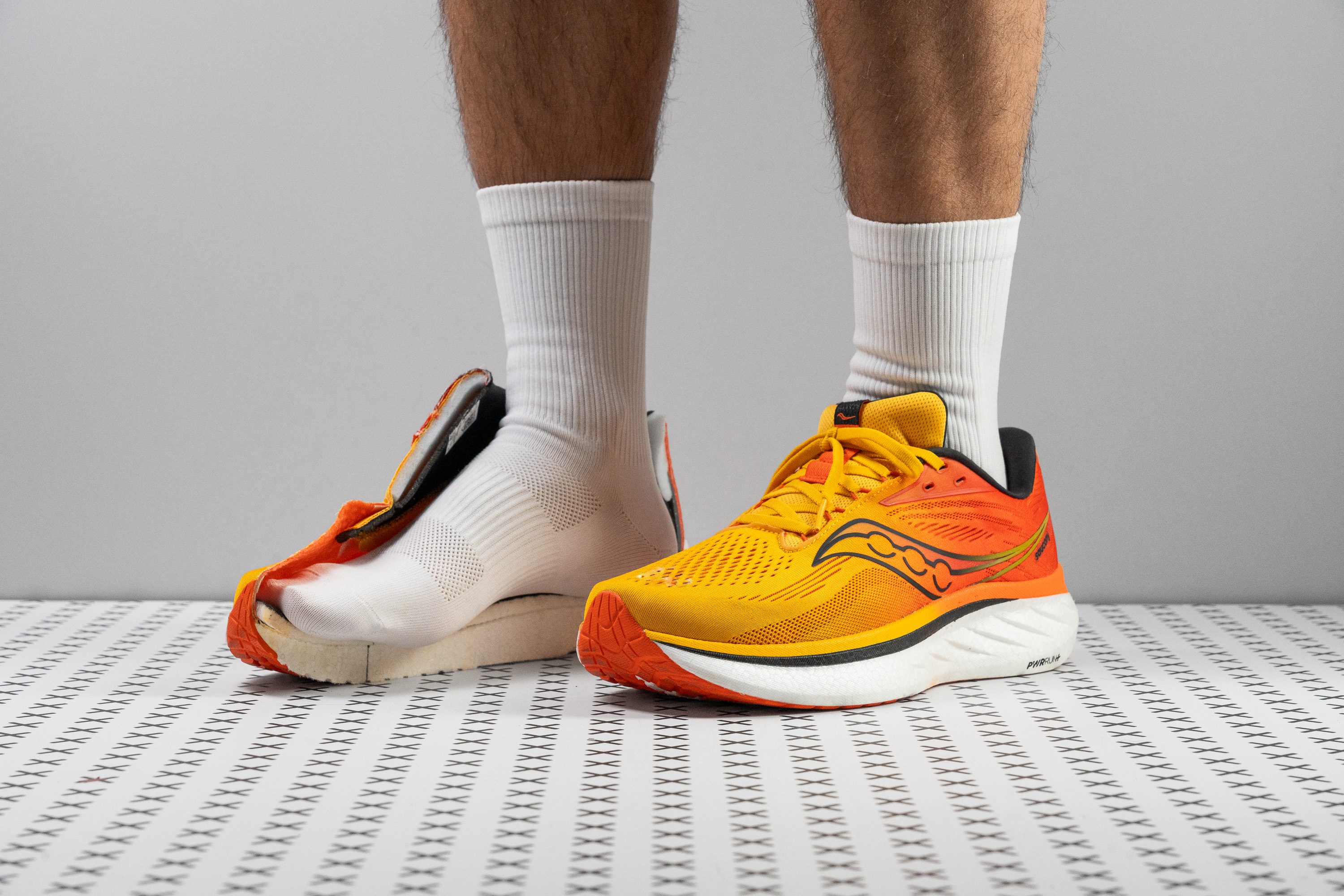
To appreciate the saucony walking shoe, one must first understand the biomechanics of walking. Unlike running, which involves a flight phase, walking always keeps one foot in contact with the ground, resulting in a different distribution of force and motion. According to research from institutions like the University of Virginia’s School of Engineering and Applied Science, the gait cycle involves heel strike, foot flat, mid-stance, heel-off, and toe-off. A shoe designed for this specific cycle must offer structured heel cushioning, arch support for the mid-stance phase, and flexibility at the forefoot for propulsion. Saucony, a brand born from the running tracks, leverages this precise scientific understanding. Their walking models often incorporate technologies like PWRRUN cushioning—a compound that provides a responsive yet soft feel—and FORMFIT, a system that adapts to the unique three-dimensional shape of your foot. This isn’t marketing fluff; it’s applied podiatric science. As noted by Dr. Miguel Cunha, a podiatrist quoted in publications like Forbes, “The right walking shoe stabilizes the heel, supports the arch, and provides a flexible sole that bends at the ball of the foot.” This exact trifecta is the design cornerstone of a high-performance saucony walking shoe.

From Track to Pavement: A Legacy Repurposed
Saucony’s origin story is rooted in performance. Founded in 1898, its name comes from the Saucony Creek in Pennsylvania, symbolizing a constant forward flow—much like a runner or a walker in motion. For decades, their shoes were the secret weapon of elite athletes. This heritage is critical because it means the technology in your walking shoe is battle-tested. The cushioning systems, the traction patterns on the outsole (often made of durable XT-900 carbon rubber), and the breathable mesh uppers are all derivatives of solutions created for marathoners. When you slip on a Saucony walking model, you’re not just wearing a casual shoe; you’re wearing distilled expertise. This perspective is echoed by countless fitness experts on platforms like YouTube, such as the channel “Doctorly,” where dermatologists and medical professionals often highlight the importance of quality footwear for long-term joint health, indirectly endorsing brands with serious R&D backgrounds like Saucony. The transition from track to pavement represents a democratization of high-end athletic technology for everyday wellness.
Style That Doesn’t Shout: The Aesthetic Evolution
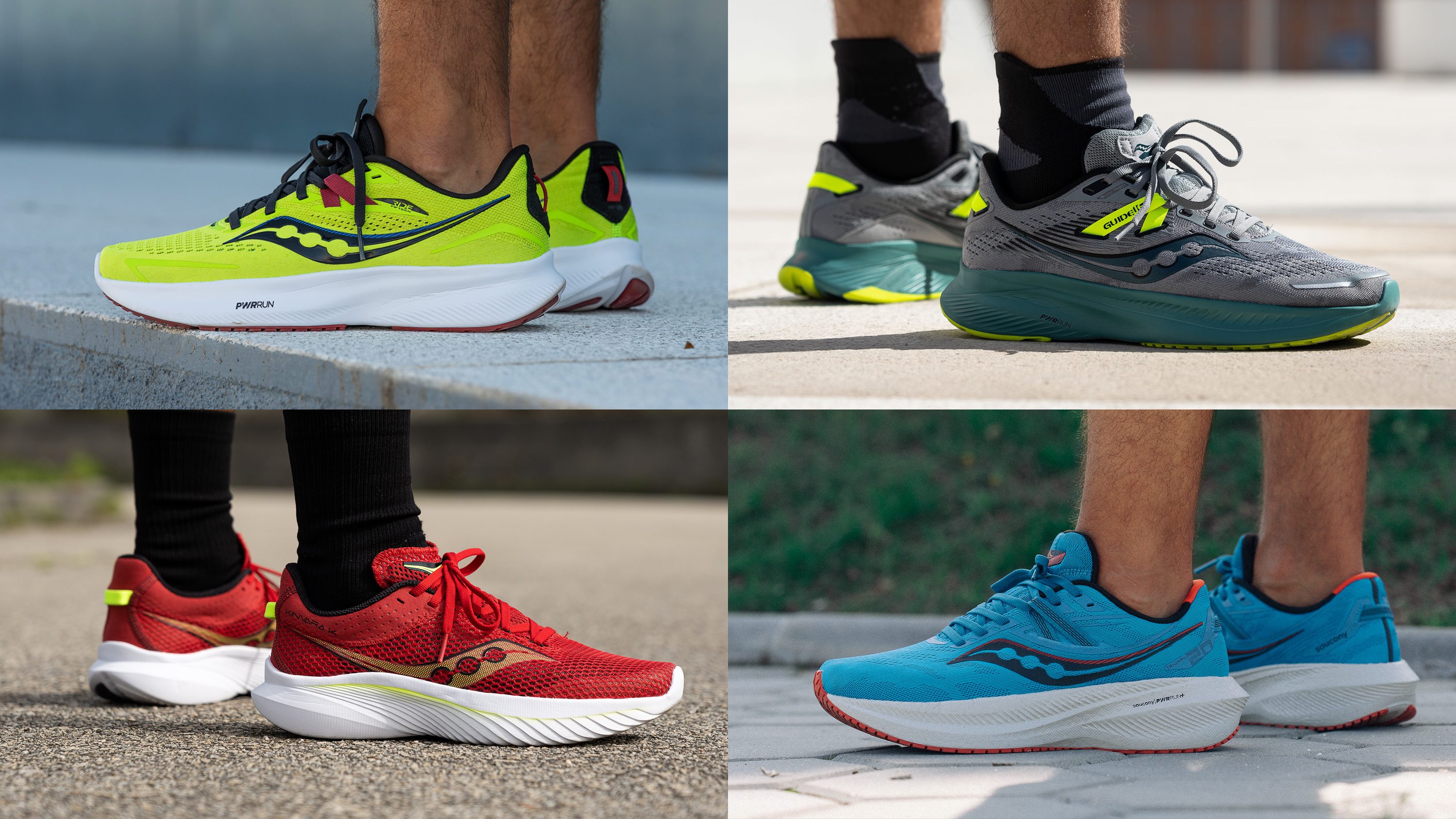
Let’s address the elephant in the room: for years, “walking shoes” were synonymous with clunky, white, orthopedic-looking designs. Saucony, particularly in its non-performance heritage lines, has masterfully dismantled this stereotype. The modern saucony walking shoe exists at the intersection of athleisure and smart-casual fashion. Take, for instance, the popular “Jazz” or “Shadow” series. These models feature clean lines, muted color palettes (think olive greens, navy blues, and classic greys), and tasteful brand accents that pair as effortlessly with tailored chinos as they do with jeans. This design philosophy aligns with a broader cultural shift documented by trend forecasters from websites like Highsnobiety and The Business of Fashion, which note the enduring demand for “functional fashion.” The shoes make a style statement through subtlety and quality of construction, not through loud logos. They embody the principle that true style is confident enough to be understated, allowing the wearer’s comfort and posture to be the most noticeable attributes.
Key Models Decoded: Finding Your Perfect Match
Navigating Saucony’s lineup can be daunting. Here, we break down three archetypes, bringing professional knowledge to your decision-making process. First, the Max Cushioning Archetype (e.g., Saucony Echelon 9): Ideal for those who prioritize plush comfort above all, perhaps for long shifts on hard floors or recovering feet. It features the widest platform and maximum PWRRUN+ cushioning. Second, the Balanced Performance Archetype (e.g., Saucony Ride 18): This is the quintessential all-rounder. It offers a perfect blend of responsive cushioning, moderate arch support, and a sleek enough profile for daily wear. It’s the Swiss Army knife of walking shoes. Third, the Heritage Style Archetype (e.g., Saucony Jazz Original): This model leans heavily into the aesthetic appeal, offering vintage running shoe looks with modern comfort updates. It’s for the individual whose primary terrain is the cityscape and whose priority is a seamless blend with their personal style. Understanding your own gait, arch type (neutral, low, or high), and daily environment is crucial. Resources like the “Wet Test” (checking your footprint on a wet surface) or consulting a podiatrist can provide personalized insights that make choosing your saucony walking shoe a science, not a guess.
Investment in Wellness: The Long-Term Value Proposition
Purchasing a quality walking shoe is an investment in your physical capital. Consider the words of author James Clear in his bestselling book Atomic Habits: “You do not rise to the level of your goals. You fall to the level of your systems.” Your footwear is a foundational part of your daily movement system. A poorly designed shoe can contribute to a cascade of issues: plantar fasciitis, knee pain, lower back discomfort. A well-designed shoe like a Saucony mitigates these risks. The cost, therefore, should be viewed through the lens of preventive healthcare. While the initial outlay for a premium pair may range from $120 to $160, amortized over 500-800 miles of walking (their typical lifespan), the cost-per-mile and cost-per-day of pain-free movement is remarkably low. Furthermore, savvy shoppers can often find previous season’s models or colorways at significant discounts—sometimes 30-40% off—on reputable online retailers, bringing this investment in wellness into a very accessible range. The value isn’t just in the product, but in the sustained quality of movement it enables.
The journey through the world of footwear need not be a compromise. The modern saucony walking shoe stands as a testament to the possibility of having it all: proven biomechanical support, durable construction from a legacy brand, and a design sensibility that respects contemporary aesthetics. It redefines walking from a simple mode of transport to a cultivated, comfortable, and stylish part of your daily life. Your next step, quite literally, should be an informed one.

