

The Ultimate Guide to Walking Shoes That Combine Comfort and Fashion
For decades, a chasm existed between footwear designed for pure performance and those crafted for aesthetic appeal. The former often sacrificed style for support, while the latter prioritized looks over longevity and foot health. Today, that divide is not only closing but being reinvented. The modern pursuit is for shoes to walk in that serve as a seamless extension of one’s lifestyle—offering the biomechanical support necessary for daily miles while complementing personal style. This guide dismantles the old compromise, presenting a framework where comfort and fashion are not mutually exclusive but are interdependent pillars of exceptional footwear. We will navigate through the engineering of comfort, the language of design, and the practical intelligence required to select a pair that empowers your stride without compromising your silhouette.
The Biomechanics of Comfort: More Than Just a Soft Sole
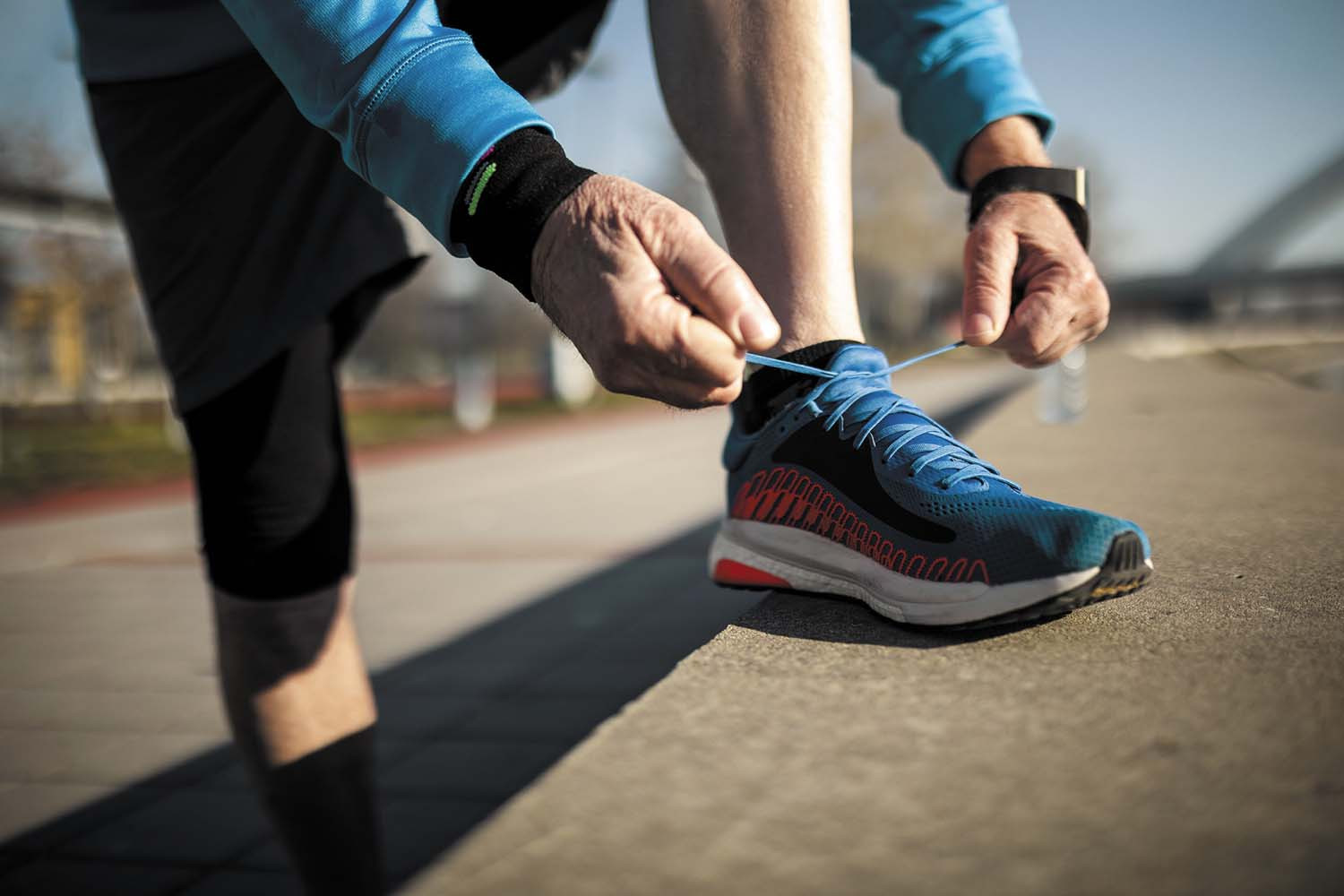
True comfort in walking shoes is a scientific achievement, not a marketing slogan. It begins with understanding the gait cycle—the complex sequence of heel strike, midfoot stance, and toe-off that occurs with every step. A shoe that merely feels soft underfoot may lack the structural integrity to control excessive pronation (inward rolling) or supination (outward rolling), leading to a cascade of issues from plantar fasciitis to knee pain. According to research from the Harvard Medical School’s publishing arm, proper footwear is a primary intervention for preventing overuse injuries in recreational walkers. The key components are systematic: the midsole, often made from EVA (ethylene-vinyl acetate) or polyurethane, provides cushioning and shock absorption; the heel counter, a firm cup at the back, stabilizes the rearfoot; and the torsional rigidity determines how well the shoe resists twisting, which is crucial for stability on uneven surfaces. Brands like HOKA and Brooks invest heavily in biomechanics labs, using pressure plates and motion capture to refine these elements. Therefore, when evaluating comfort, we must look beyond initial plushness. It’s about dynamic support—how the shoe interacts with your unique biomechanics throughout the entire day, whether you’re navigating city pavements or park trails. This foundational support is the non-negotiable bedrock upon which fashionable design must be built.
Architectural Design: Where Engineering Meets Aesthetics
The most successful walking shoes treat their technical features as integral design elements. Consider the visible air units in certain Nike models or the distinctive rolling sole of a MBT—these were once purely functional innovations that became iconic stylistic signatures. Today, this philosophy is widespread. The chunky, “dad shoe” trend, popularized by brands like Balenciaga and then adopted by sportswear giants, directly borrowed from the maximalist cushioning needed for long-distance comfort. The elevated sole provides not just a fashion statement but also additional shock absorption. Similarly, the use of premium materials is a dual-purpose choice. A knitted upper, such as those found in Adidas Primeknit or Nike Flyknit iterations, offers a sock-like, adaptive fit that reduces blister-causing friction, while its textured, often translucent appearance conveys a modern, technical aesthetic. Leather linings manage moisture and mold to the foot over time, all while imparting a sense of refined craftsmanship. As renowned designer Tinker Hatfield, the mind behind many iconic Air Jordans, once stated, “The best design happens at the intersection of form and function. You solve a problem, and in doing so, you create something beautiful.” This principle is paramount. A color palette derived from nature, strategic use of reflective details for safety that also look sleek at night, and streamlined silhouettes that avoid unnecessary bulk—all these are conscious decisions that bridge the gap between the lab and the runway.

Curating Your Collection: A Shoe for Every Context
No single pair of shoes can be optimally perfect for every scenario. The concept of a versatile wardrobe applies equally to footwear. Building a small, intentional collection of shoes to walk in ensures you are prepared for your life’s varied terrains—both physical and social. First, the daily workhorse: a neutral-colored, supremely cushioned sneaker from a brand like On Running or New Balance. These are built for high mileage on hard surfaces, with durability in mind. Second, a weather-ready option. This could be a waterproof leather sneaker or a technical trail walker with a grippy outsole for rainy days or light hikes, ensuring your routine isn’t disrupted by the elements. Third, the elevated casual shoe. Think of a minimalist white leather sneaker from Common Projects or a sleek, monochromatic design from Cole Haan’s Grand series. These integrate seamlessly with smarter casual attire, from tailored trousers to dresses, proving that you can walk from a morning meeting to an evening dinner without a change of shoes. Each category serves a distinct purpose, and owning all three eliminates the temptation to wear a fashion-forward but unsupportive shoe for a long day of travel, thereby protecting your foot health without sacrificing style.
The Critical Timeline: Knowing When to Retire Your Shoes
Even the most perfectly engineered shoes have a finite lifespan. Continuing to wear degraded shoes to walk in is one of the most common, yet easily avoidable, mistakes that can lead to injury. The cushioning materials in the midsole compress and lose their resiliency long before the outsole wears through. Most podiatrists and sports medicine experts, citing studies from organizations like the American Podiatric Medical Association, recommend replacing walking shoes every 300 to 500 miles. For the average person walking 3 miles a day, five days a week, this translates to roughly every six to eight months. However, this is not a rigid rule. Conduct regular inspections: look for uneven wear patterns on the outsole, which can indicate gait issues, and perform the “twist test.” If you can easily twist the shoe along its longitudinal axis, its structural integrity is compromised. Another simple check is to place the shoes on a flat table and view them from behind. If they lean inward or outward significantly, their support is gone. Investing in new shoes at the right time is not an expense; it is an investment in your continued mobility and comfort. It is the final, crucial step in a responsible approach to footwear.
:max_bytes(150000):strip_icc()/when-should-i-replace-my-walking-shoes-3436325-0801-7a1840d83573471092e0380f9e230ecc.jpg)
Intelligent Acquisition: Blending Professional Insight with Value
Armed with knowledge of biomechanics, design, and lifecycle, the final step is acquisition. Here, professional fitting is invaluable. A specialty running or walking store staffed with knowledgeable fitters can analyze your gait, measure your foot volume (not just length), and recommend models that match your specific needs. This service transforms a purchase from a guessing game into a targeted solution. Once you have identified your ideal model or type, you can seek value strategically. End-of-season sales, holiday promotions, and brand outlet stores are excellent avenues. Furthermore, many direct-to-consumer brands like Allbirds or Rothy’s offer competitive pricing by cutting out retail middlemen. Subscribe to newsletters from your favorite brands or retailers for early access to sales. Remember, the goal is not to find the cheapest shoes to walk in, but to secure the right shoes at the best possible price. A $150 shoe purchased for $110 that lasts eight months and prevents injury offers far greater value than a $70 shoe that causes discomfort and needs replacing in four.
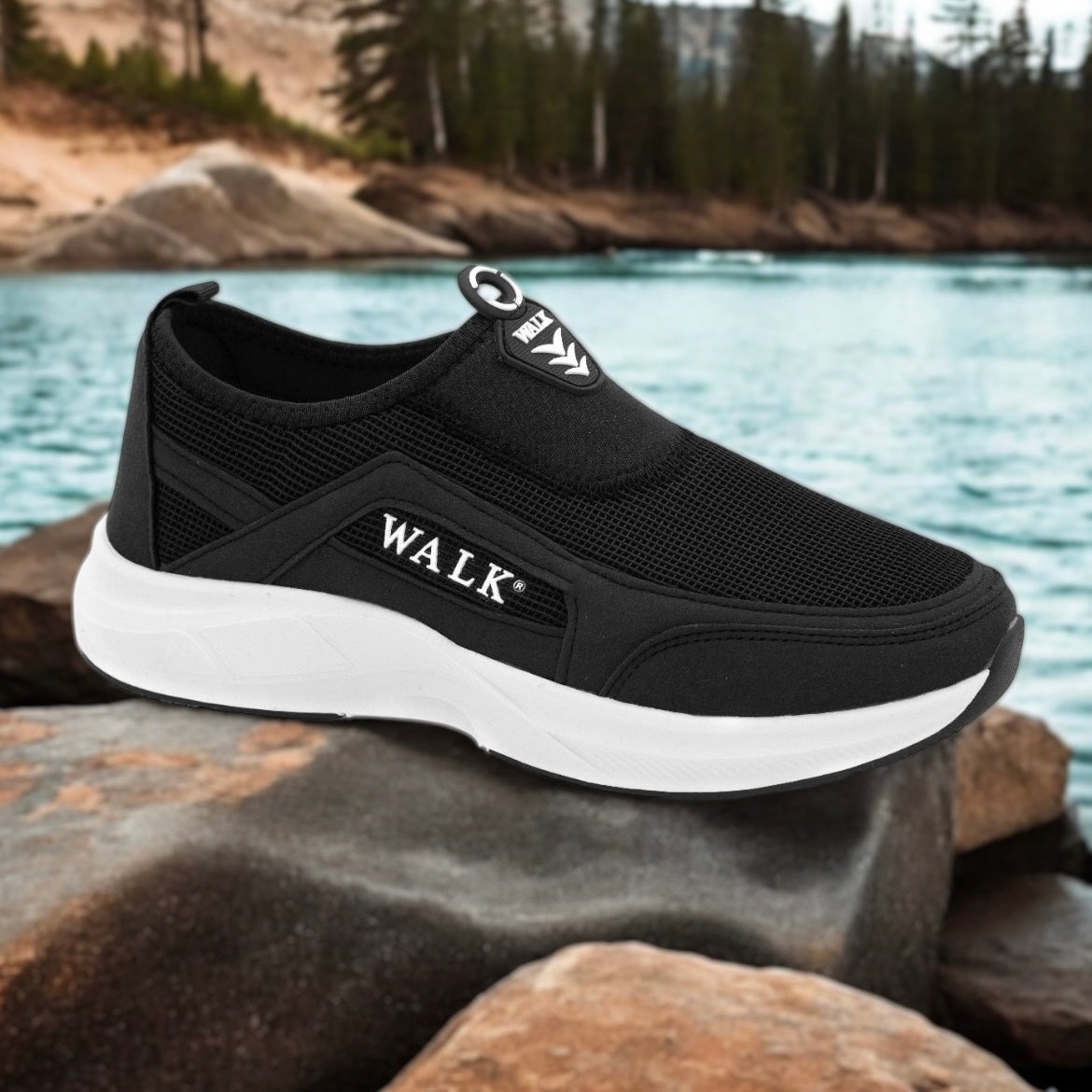
The journey for the perfect walking shoe is a conscious move away from false dichotomies. It is an acknowledgment that our feet deserve engineered care and that our personal expression matters in every context. The modern landscape of footwear is rich with options that honor both these truths. By prioritizing dynamic support, appreciating design that serves function, curating for context, respecting the product’s lifecycle, and shopping with informed intention, you equip yourself with more than just footwear. You gain a reliable, stylish partner for every path you choose to take, proving definitively that the best shoes to walk in are those you never have to think about—until you want to admire them.
