

The Ultimate Guide to Walking Shoes That Pair Perfectly
Selecting the right footwear for walking is not merely a matter of style or casual preference; it is a foundational decision impacting your biomechanics, comfort, and long-term joint health. The perfect pair of shoes to walk in acts as a critical interface between your body and the ground, transforming a simple activity into a sustainable, enjoyable, and health-promoting ritual. This guide moves beyond superficial trends to delve into the engineering, physiology, and personalization required to find that ideal match. We will navigate through the anatomy of a walking shoe, decode the science of fit, and provide actionable insights, blending authoritative knowledge with practical value to empower your next step.
The Biomechanical Foundation: Why Your Feet Aren’t Wrong, Your Shoes Might Be
Every step you take is a complex orchestration of bones, muscles, and tendons. When this natural gait cycle meets an improperly designed shoe, the result is often discomfort, inefficiency, or injury. The primary role of a dedicated walking shoe is to support the unique heel-to-toe motion of walking, which differs significantly from the forefoot strike of running. As noted by researchers at the University of Virginia’s Motion Analysis and Motor Performance Laboratory, the gait cycle for walking involves a longer period of heel contact and a more pronounced roll through the midfoot before the final push-off from the toes. A shoe built for this motion will feature a beveled or rounded heel to facilitate a smooth heel strike and sufficient flexibility at the forefoot to allow for that natural roll. Conversely, a rigid or overly cushioned running shoe can disrupt this rhythm. Think of your shoes to walk in as tailored equipment, not just a covering. The legendary coach and Nike co-founder, Bill Bowerman, famously said, “The real purpose of running isn’t to win a race; it’s to test the limits of the human heart.” We can adapt this philosophy: the real purpose of a walking shoe isn’t to look good on a shelf; it’s to harmonize with the limits and capabilities of the human foot, allowing you to walk farther, more comfortably, and with greater joy.
:max_bytes(150000):strip_icc()/woman-feet-running-on-road-closeup-on-shoe--young-fitness-women-runner-legs-ready-for-run-on-the-road--sports-healthy-lifestyle-concept--1192508928-4ad65578a5b64bfe95d29e3182fbb398.jpg)
Deconstructing the Perfect Walking Shoe: A Component-by-Component Analysis
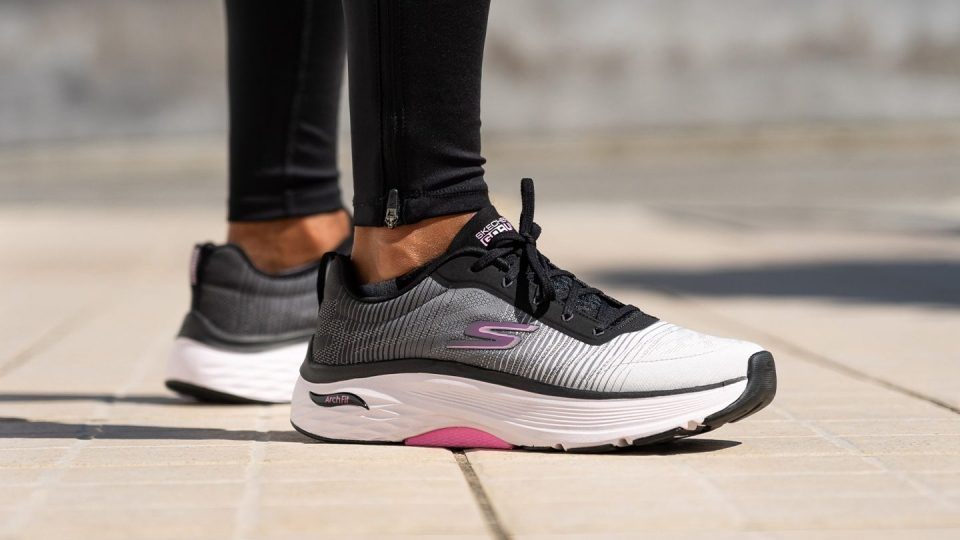
To make an informed choice, you must become fluent in the language of shoe construction. Let’s dissect the key components. The upper is the fabric or leather part that envelops your foot. For walking, breathability and a secure, non-restrictive fit are paramount. Materials like engineered mesh allow air circulation, preventing moisture buildup on longer strolls. The midsole is the heart of the shoe’s cushioning and stability, typically made from EVA (ethylene-vinyl acetate) or polyurethane. EVA is lighter and softer but may compress over time, while polyurethane is more durable. The critical factor here is not maximal softness, but responsive cushioning that absorbs impact without feeling unstable or mushy. The outsole provides traction and durability. Look for carbon rubber in high-wear areas (like the heel) for longevity and a flexible groove pattern that bends with your foot. The heel counter, a firm cup embedded in the back of the shoe, is essential for stabilizing the rearfoot, preventing excessive side-to-side motion that can lead to Achilles or plantar fascia strain. Finally, consider the last—the shape around which the shoe is built. A curved last suits high-arched feet, a straight last benefits flat feet, and a semi-curved last is a versatile middle ground. Investing time in understanding these elements ensures you’re not just buying a shoe, but a piece of biomechanical engineering designed for the specific act of walking.
The Personal Equation: Matching Shoe Technology to Your Unique Gait and Foot Type
Objective science meets subjective need in this crucial phase. The most technologically advanced shoe is a poor investment if it conflicts with your individual physiology. Start by understanding your arch type and pronation. Pronation is the natural inward roll of the foot after heel strike. Neutral pronation is ideal, while overpronation (excessive inward roll) or supination (insufficient inward roll, or outward roll) require specific features. You can perform a simple “wet test” at home: wet your foot and step on a piece of cardboard. A full imprint suggests a low arch (often associated with overpronation), a imprint with a narrow band connecting heel and forefoot indicates a high arch (often associated with supination), and a balanced imprint suggests a neutral arch. For overpronators, look for shoes to walk in that offer stability or motion control features, such as a denser medial (inner) post in the midsole. For supinators, neutral shoes with ample cushioning and flexibility are key to aid shock absorption. Furthermore, always fit your shoes in the afternoon, as feet naturally swell throughout the day. There should be about a thumb’s width of space between your longest toe and the end of the shoe. Remember, comfort is not a luxury; it is a non-negotiable indicator of correct fit. As the American Podiatric Medical Association emphasizes, persistent foot pain is not normal and is often a sign of improper footwear.
Beyond the Purchase: The Lifespan and Care of Your Walking Companion
A perfect pair is a commitment, and its performance degrades with mileage, not just age. The cushioning materials in the midsole lose their resiliency long before the outsole wears through. The general consensus among sports medicine professionals, including those cited on platforms like Quora and Verywell Fit, is to replace dedicated walking shoes every 300 to 500 miles. For a daily walker covering 3 miles, this translates to a new pair every 4 to 6 months. Monitor for visible signs: severe creasing in the midsole, worn-down tread patterns (especially on the heel), or a feeling that the shoe no longer feels supportive or stable. To extend their life, avoid wearing your walking shoes for other activities like gardening or court sports. Rotate between two pairs if possible, allowing the foam in each pair to fully rebound between uses. Proper care also involves regular cleaning with a mild soap to remove grit that can degrade materials. Viewing your shoes to walk in as consumable athletic gear, rather than permanent apparel, is a mindset shift that pays dividends in consistent comfort and injury prevention.
:max_bytes(150000):strip_icc()/when-should-i-replace-my-walking-shoes-3436325-0801-7a1840d83573471092e0380f9e230ecc.jpg)
Curating Your Journey: From Daily Errands to Long-Distance Trekking
Your walking purpose dictates the shoe’s priority. For the urban commuter or mall walker, a focus on all-day comfort, lightweight construction, and perhaps a more stylish profile is key. Brands often offer “walking” or “comfort” collections that blend casual aesthetics with technical features like memory foam insoles. For the fitness walker targeting speed and distance on paved surfaces, a performance-oriented walking or lightweight running shoe with responsive cushioning and a secure fit is ideal. For those venturing onto trails, a dedicated trail walking shoe is non-negotiable. These feature aggressive, lugged outsoles for superior grip on loose or muddy terrain, protective toe caps, and often a stiffer plate to shield the foot from rocks. The wrong shoe for the environment not only compromises safety but also drastically reduces enjoyment. It’s akin to using a city sedan for off-roading; the fundamental engineering is mismatched to the task. Therefore, building a small arsenal of purpose-specific shoes to walk in is a strategic approach for the dedicated walker.

Investing in Your Stride: Where Knowledge Meets Value
Armed with this knowledge, you are now equipped to navigate the market not as a passive consumer, but as an informed participant. Seek out retailers with knowledgeable staff who can analyze your gait, either through a simple visual assessment or, in specialty stores, with pressure plate technology. Do not hesitate to walk extensively in the store, simulating your natural pace. Remember that premium materials and advanced technologies often command a higher price, but they also typically offer greater durability, better support, and more refined comfort. However, value can be found. Many reputable brands offer previous-season models or “classic” versions of their flagship shoes at significant discounts, often with only minor cosmetic changes from the latest iteration. The goal is to find the intersection of proper biomechanical support, personal comfort, and sensible budgeting. Your feet are your foundation; investing in the right shoes to walk in is an investment in your mobility, health, and the simple pleasure of a journey taken step by confident step.
