

Your Ultimate Guide to Saucony Walking Shoes
Choosing the right footwear for walking is not merely a matter of style; it is a foundational decision for your long-term musculoskeletal health and daily comfort. Amidst a sea of athletic brands, Saucony walking shoe models have carved out a reputation for blending scientific innovation with enduring comfort, making them a standout choice for everyone from casual strollers to dedicated power walkers. This guide delves deep into the engineering, benefits, and specific models that define the Saucony walking experience, moving beyond marketing hype to provide a clear, evidence-based roadmap for your next purchase.
The Science of Stride: Why Footwear Engineering Matters
Walking is a complex, repetitive motion involving a precise sequence of heel strike, foot flat, mid-stance, and toe-off. According to biomechanics literature from institutions like the University of Calgary’s Human Performance Laboratory, improper footwear can disrupt this gait cycle, leading to inefficient movement, excessive energy expenditure, and cumulative stress on joints from the ankles to the lower back. A well-designed walking shoe must therefore accomplish several key tasks: provide structured heel counter to stabilize the initial impact, offer adaptive midfoot support to control pronation (the natural inward roll of the foot), and ensure flexible forefoot rocker to facilitate a smooth push-off. This is where the technical pedigree of a Saucony walking shoe becomes relevant. Saucony’s research and development often draws from such established biomechanical principles, integrating them into technologies like their FORMFIT system, which is designed to adapt to the unique three-dimensional shape of the wearer’s foot for a personalized, secure fit that supports the natural gait cycle.
Deconstructing Saucony’s Core Technologies
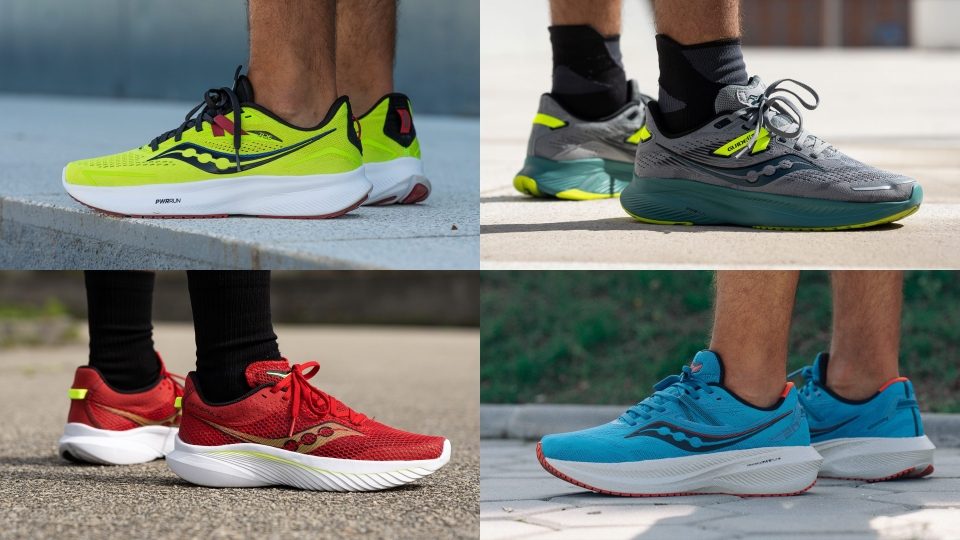
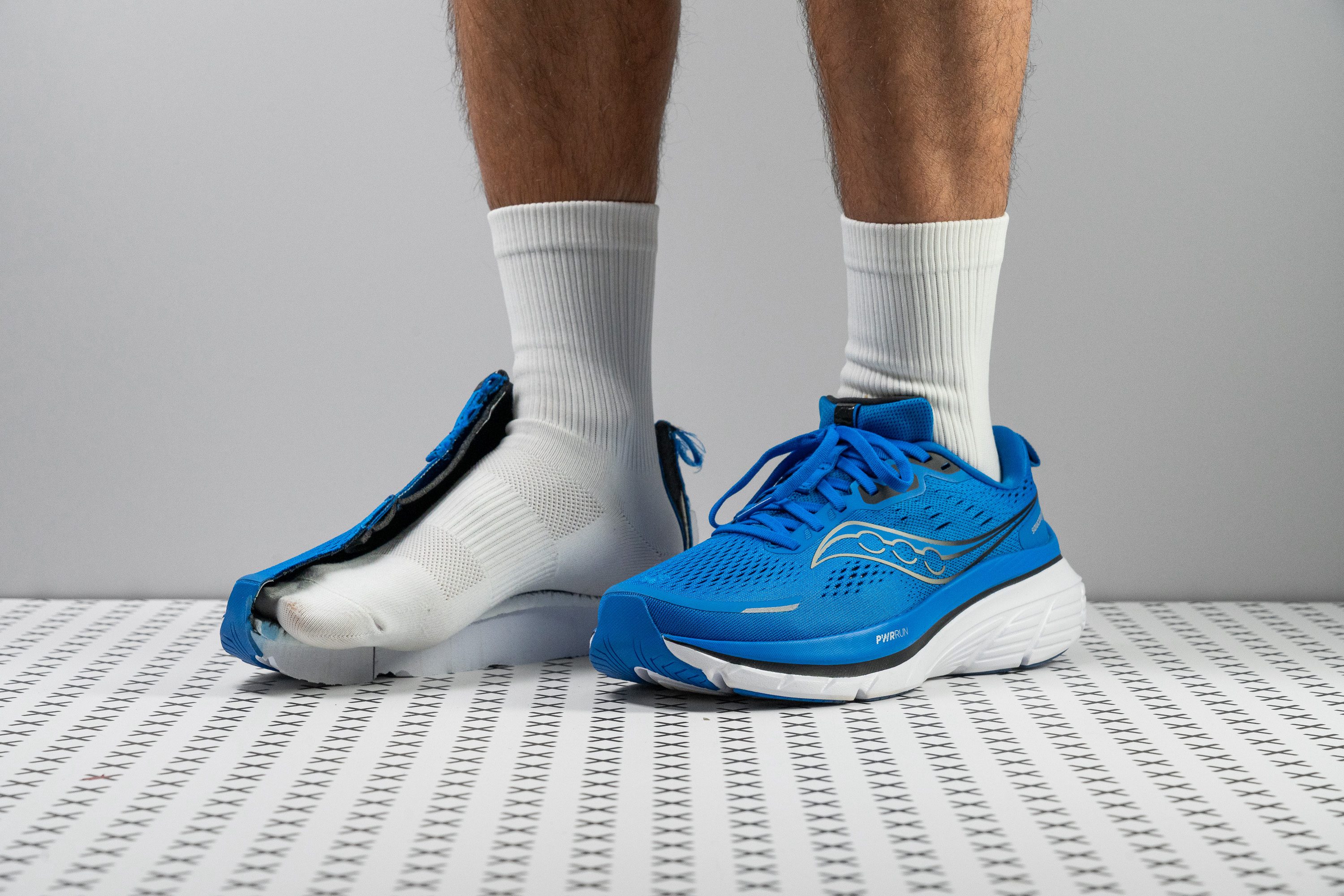
To understand the value proposition, one must examine the components that set Saucony apart. A primary differentiator is their use of specialized foam compounds. Many premium models feature PWRRUN or PWRRUN+ cushioning. As explained in material science reviews and user testimonials on platforms like Runner’s World, PWRRUN+ is noted for offering a responsive yet soft cushioning that maintains its integrity over hundreds of miles, providing consistent shock absorption without bottoming out. This is crucial for walkers, as the cumulative force with each step is significant. Another cornerstone is their guidance system. In models like the Saucony Guide, a medial post—a firmer density of foam on the inner side of the midsole—is strategically placed. This isn’t a rigid barrier but a subtle guide, engineered to gently prevent overpronation. As noted by Dr. Casey Kerrigan, a former Harvard Medical School professor and gait analysis expert, “The goal of good footwear is to support the body’s natural mechanics, not to force them into an unnatural pattern.” Saucony’s approach often mirrors this philosophy, using technology to enhance natural motion rather than restrict it. Furthermore, the outsole’s iBR+ rubber compound in high-wear areas like the heel provides durable traction, a feature often highlighted in long-term wear tests documented on review sites like RunRepeat.
Model Breakdown: Finding Your Perfect Saucony Match
Not all feet are created equal, and Saucony’s walking-friendly lineup reflects this diversity. For the walker seeking maximum cushioning and a soft, plush feel for long distances on paved surfaces, the Saucony Echelon series is a frequent recommendation. Its wide platform and generous PWRRUN cushioning create a stable, forgiving base. Conversely, for individuals who require more structured support to manage mild to moderate overpronation, the Saucony Guide has been a industry benchmark for years. The Guide’s success lies in its balanced application of support features without adding excessive weight or stiffness, allowing for a natural transition through the walking gait. Then there’s the versatile Saucony Axon series. With a lighter build and a responsive PWRRUN midsole, it caters to the walker who prefers a snappier, more energetic feel, perhaps blending walking with occasional light jogging. The key is self-assessment: understanding your arch type (high, neutral, or low), your typical walking terrain, and any specific support needs is essential before selecting your model. Consulting resources like the foot type analyses from the American Podiatric Medical Association can provide a solid starting point for this self-evaluation.
The Verdict from the Community and Experts
Objective praise for Saucony’s walking suitability comes from multiple authoritative corners. On Quora and specialized fitness forums, physical therapists often cite Saucony’s consistent heel-to-toe drop (the offset between heel and forefoot height) as a beneficial feature for promoting a natural walking posture. Celebrity fitness trainer Harley Pasternak, whose clientele includes major Hollywood stars, has been quoted discussing the importance of proper walking shoes for everyday activity, often mentioning brands like Saucony that prioritize functional design over fleeting trends. Furthermore, analysis from YouTube channels dedicated to gear review, such as “Doctors of Running,” frequently dissect Saucony models, praising their evidence-based approach to stability and cushioning. One such review noted,
“The Saucony Guide doesn’t shout about its technology; it simply integrates it seamlessly into a shoe that performs reliably mile after mile. For the dedicated walker or the runner in need of support, it represents a fundamentally sound engineering choice.”
This confluence of expert and community opinion underscores the brand’s credibility in the realm of purposeful footwear.

Investment and Value: Professional Insight on Pricing
Purchasing a quality Saucony walking shoe is an investment in your well-being. Retail prices for core models like the Guide or Echelon typically range from $120 to $160, reflecting the research, advanced materials, and construction quality involved. However, savvy shoppers can access significant value. The most reliable strategy is to target previous model years. Saucony, like most athletic brands, releases updated versions annually. The technological changes between sequential models (e.g., Guide 17 to Guide 18) are often incremental. Therefore, purchasing a Guide 17 when the Guide 18 launches can yield discounts of 30-40% or more for what is essentially the same high-performance shoe. Major online retailers, Saucony’s own outlet site, and authorized sports stores are excellent places to find these deals. Remember, the true cost-per-mile of a durable, properly fitted shoe that prevents injury is far lower than that of a cheap, ill-fitting alternative. The professional knowledge here is clear: prioritize fit and function from a reputable brand, and use model-cycle timing to your financial advantage.
Ultimately, the journey to finding an ideal walking companion ends with informed choice. The legacy of Saucony walking shoe design is built on a foundation of biomechanical respect, material innovation, and proven performance. By understanding the science behind your stride, the technology within the shoe, and the model that aligns with your personal physiology, you equip yourself not just with footwear, but with a tool that enhances every step of your journey, turning daily movement into a sustained practice of comfort and health.

