

How to Style 80s Sneakers for a Modern Wardrobe
The resurgence of 80s sneakers is more than a fleeting trend; it’s a testament to the enduring power of iconic design meeting contemporary sensibility. These shoes, born from a decade of bold expression, technological innovation in sportswear, and burgeoning street culture, carry a distinct DNA. Integrating them into a modern wardrobe isn’t about costume play or full-blown retro revival. Instead, it’s a sophisticated exercise in stylistic alchemy—extracting the essence of the era’s confidence and playful spirit while grounding it with today’s refined, often minimalist or eclectic, fashion principles. This guide moves beyond simple pairing suggestions to explore the philosophy behind the fusion, offering a blueprint for making these statement pieces feel intentional, fresh, and uniquely yours.
The Enduring Legacy: Why 80s Sneakers Still Resonate
To style 80s sneakers effectively, one must first understand their cultural and design weight. The 1980s were a pivotal moment for athletic footwear. Companies like Nike, Adidas, Reebok, and Puma transitioned from purely performance-driven gear to cultural symbols. This was driven by several factors: the aerobics craze, which demanded stylish yet functional footwear; the rise of hip-hop culture, which adopted specific models as uniform; and the breakthrough of basketball stars into mainstream celebrity, with their signature shoes becoming must-haves. As noted in design literature from institutions like the Parsons School of Design, the era embraced “bold geometries, vibrant color blocking, and the use of new synthetic materials,” moving away from the subdued tones of previous decades. The chunky silhouette, often featuring oversized logos and innovative cushioning systems like Nike’s Air technology (first introduced in the Air Tailwind in 1978 and popularized in the Air Force 1 in 1982 and the Air Max 1 in 1987), became a hallmark. This wasn’t just shoe design; it was industrial design with attitude. When you wear a pair of 80s sneakers today, you’re not just wearing an old shoe; you’re engaging with a piece of design history that represents innovation, self-expression, and the birth of sneaker culture as we know it. This intrinsic value gives them a foundational credibility in a modern context.

Principle 1: The Art of Contrast and Balance
The most critical principle in modernizing 80s sneakers is mastering contrast. Their inherent boldness—be it through color, shape, or texture—demands a counterbalance. The mistake many make is “matching” the outfit to the shoe’s intensity, resulting in an overwhelming, dated look. The modern approach is to let the sneakers be the unequivocal focal point. For a pair of neon-accented Reebok Freestyles or vibrant Nike Air Maxes, anchor them with neutral, clean-lined basics. Think tailored, straight-leg trousers in beige or grey, a simple white or black oversized cotton t-shirt, or a well-fitted crewneck sweater. This creates a visual dialogue where the simplicity of the clothing amplifies the shoe’s character without competing with it. Fashion commentator and author Alison Freer encapsulates this in her book “How to Get Dressed,” stating, “The key to wearing a statement piece is to treat everything else as a supporting actor. Your wardrobe basics are the stage, and your standout item is the star of the show.” This philosophy is paramount. A deconstructed blazer thrown over a minimalist dress, paired with chunky Reebok Club C 85s, achieves a perfect tension between polished and casual, between then and now. The contrast isn’t just visual; it’s conceptual, merging athletic heritage with contemporary tailoring.
Principle 2: Silhouette Synergy: Playing with Proportions
The 80s sneaker silhouette is typically robust and rounded. Modern styling leverages this by playing with proportional harmony—or deliberate, thoughtful disharmony. The first strategy is to balance the chunkiness of the shoe with streamlined, narrower cuts on the bottom. Slim-fit (not skinny) jeans or trousers that taper slightly can create a clean line from the knee down, making the sneaker appear as a powerful, intentional base. However, a more fashion-forward approach embraces volume on top. Wide-leg, high-waisted jeans or cargo pants can be paired with these sneakers, creating a grounded, streetwear-inspired look that feels current. The trick is in the break of the pant; allowing it to pool slightly or sit just above the sneaker’s tongue maintains a relaxed yet structured appearance. For women, pairing bold sneakers with a fluid, midi-length skirt or a slip dress creates an arresting juxtaposition of feminine elegance and utilitarian edge, a look frequently championed by style icons like Alexa Chung. This interplay of proportions is a direct conversation with the shoe’s architecture, using your clothing to either offset or complement its foundational shape, ensuring the overall outfit has a modern, considered geometry.

Principle 3: Color Theory: Beyond the Block
80s color palettes were famously fearless: electric blues, hot pinks, acid yellows, and stark black-and-white contrasts. A modern take doesn’t shy away from these hues but integrates them with intelligence. One method is the “accent isolation” approach. If your sneakers have a distinctive pop of color—say, the red detail on a classic white Nike Air Jordan 1—you can pull that same color into a minor accessory, like a beanie, a belt, or the trim of a sock. This creates cohesion without being matchy-matchy. Alternatively, embrace a monochromatic or tonal outfit in a neutral shade (charcoal, oatmeal, navy) and let the multicolored sneakers act as the sole source of chromatic energy. For the more adventurous, consider analogous color schemes. A sneaker with purple and blue panels could be paired with separates in lavender, heather grey, and indigo, creating a sophisticated, gradient-like effect that feels curated rather than chaotic. Resources like the Pantone Color Institute’s seasonal reports, which often draw inspiration from past eras, validate that these 80s brights are consistently re-contextualized within modern palettes, proving their timeless vibrancy when used with strategic restraint.
From Archive to Everyday: Key Models and Their Modern Pairings
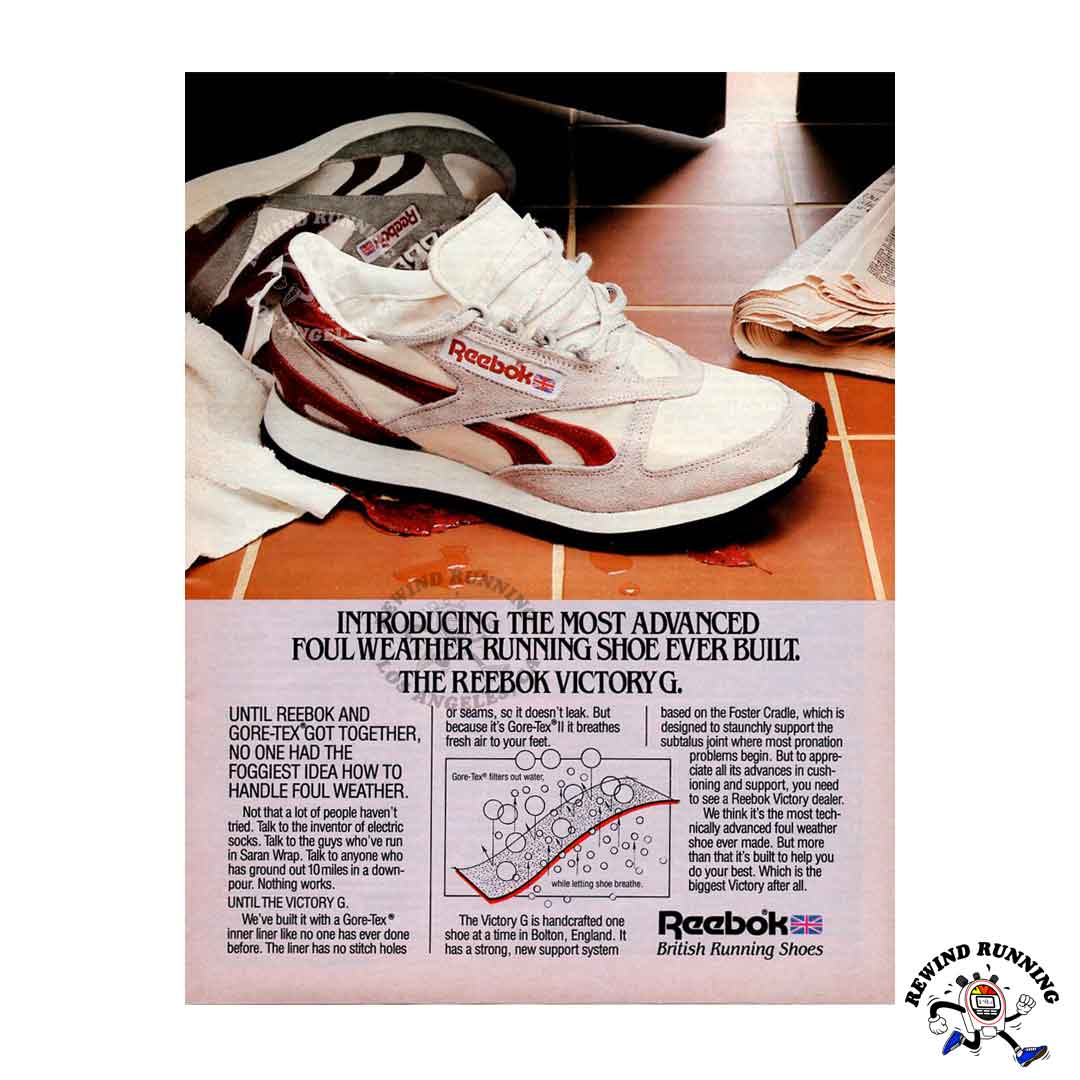
Let’s apply these principles to specific icons. The Nike Air Force 1, debuted in ’82, is the quintessential white leather basketball sneaker. Its modern power lies in its crisp minimalism. Pair it with raw denim jeans, a heavyweight cotton turtleneck, and a wool overcoat for a look that is both rugged and refined. The Reebok Classic Leather or Club C, staples of the aerobics era, offer a lower-profile, clean alternative. Their simplicity makes them incredibly versatile; try them with tailored wide-leg trousers and a boxy button-down shirt for a smart-casual office look (where permitted), or with leggings and an oversized sweatshirt for elevated athleisure. The chunky Nike Air Max 1 or the New Balance 990 series (which gained fame in the late 80s) are masters of technical detail. Style these with utilitarian pieces: cargo pants, a technical fabric vest, and a simple tee. This honors their performance heritage while looking utterly contemporary. Each model has a personality; understanding whether your sneaker is a “bold statementist,” a “clean minimalist,” or a “technical guru” guides your styling choices.
Investing in Your Style: Authenticity and Value
While fast-fashion brands offer imitations, the true character, comfort, and durability lie in authentic models, often available through brand re-issue programs or reputable resellers. Brands frequently re-release archival models due to sustained demand, making them accessible. From a professional knowledge standpoint, understanding materials is key. Original 80s sneakers often used premium leathers and suedes, and modern reissues aim to replicate this. The construction of these shoes, designed for actual sport, often translates to better longevity than trend-driven knock-offs. Regarding value, the secondary market for vintage sneakers is robust, but for daily wear, a current reissue is often more practical and cost-effective. Sales, end-of-season discounts, and outlet stores are excellent ways to acquire these classics at a discounted price. Investing in one authentic, versatile pair of 80s sneakers—like a white leather low-top—often provides more long-term style value and cost-per-wear than several pairs of fleeting trend shoes. They are not merely purchases but additions to a foundational wardrobe toolkit.

The Final Step: Confidence as the Ultimate Accessory
Ultimately, the most modern element you can pair with your 80s sneakers is unapologetic confidence. The 80s were a decade of individuality and breaking rules, and carrying that spirit forward is what truly bridges the gap between decades. Styling is not a rigid formula but a personal experiment. It’s about mixing high and low, old and new, athletic and elegant, to create a signature look that feels authentic to you. Whether you’re pairing vintage Nike Cortez with a sleek suit for a disruptive business-casual statement or wearing chunky FILAs with a delicate dress on a weekend brunch, the attitude you bring completes the outfit. As designer Virgil Abloh once noted in an interview, “The best style innovations happen at the borders, the intersections. Where street meets luxury, where archive meets future.” Your modern wardrobe is that intersection. By applying thoughtful contrast, proportional play, and intelligent color use, you transform these iconic shoes from nostalgic artifacts into dynamic, everyday emblems of a style that is consciously built, personally curated, and defiantly timeless.
