

The Ultimate Guide to Walking Shoes for Every Outfit
Your choice of footwear is more than a mere accessory; it is the foundational element that bridges personal style with the physical demands of daily life. The right pair of walking shoes can transform your experience of the world, turning a simple commute into a comfortable journey and a weekend stroll into a revitalizing ritual. This guide is dedicated to unraveling the intricate relationship between biomechanics, material science, and aesthetic design, providing you with the knowledge to select shoes that serve both your body and your wardrobe. We will move beyond superficial trends to explore how the engineering of a shoe impacts your gait, posture, and long-term well-being, ensuring that every step you take is supported by both evidence and elegance.
The Biomechanical Foundation: Why Your Feet Deserve Science
To understand the importance of specialized walking shoes, one must first appreciate the complexity of the human foot. It is a marvel of evolution, comprising 26 bones, 33 joints, and over 100 muscles, tendons, and ligaments. According to biomechanics literature from institutions like Stanford University’s Human Performance Lab, the foot acts as both a rigid lever for propulsion and a flexible shock absorber upon impact. This dual function is often compromised by improper footwear. A study cited in the Journal of Orthopaedic & Sports Physical Therapy indicates that shoes lacking adequate arch support and cushioning can lead to a chain reaction of misalignment, contributing to issues such as plantar fasciitis, shin splints, and even knee and lower back pain. Therefore, the primary function of any true shoes to walk in is to complement this natural biomechanics, not contradict it. They must provide stability during the heel-strike phase, facilitate a smooth roll-through the midfoot, and offer flexibility at the toes for push-off. This scientific perspective shifts the conversation from fashion to function, establishing that the most stylish shoe is, fundamentally, the one that protects your body’s intricate mechanics.
Decoding the Anatomy of a Superior Walking Shoe
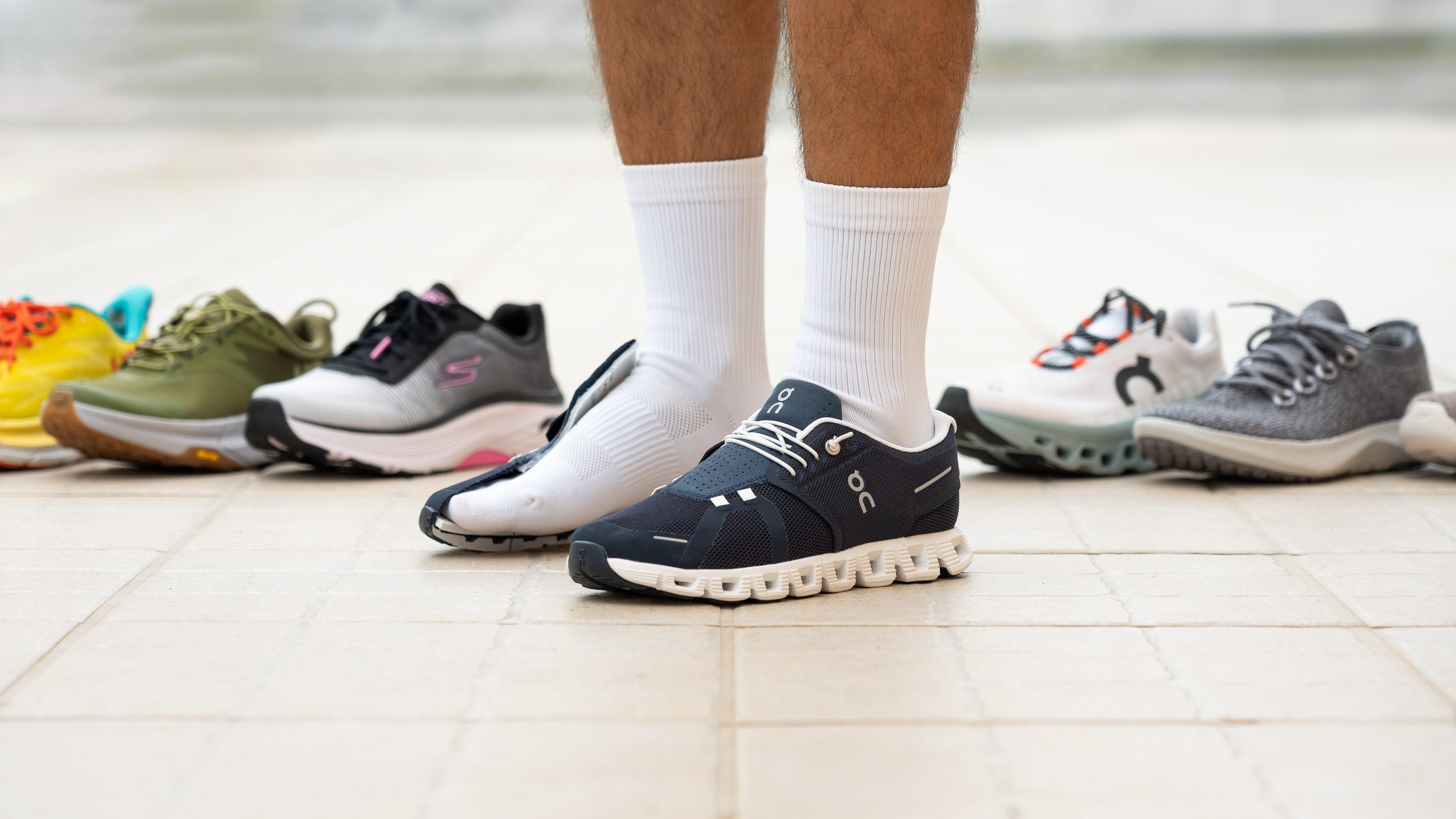
Not all athletic-looking shoes are created equal for the specific act of walking. The distinction between running and walking shoes is critical, a point emphasized by podiatrists and gear reviewers on platforms like YouTube. Running shoes are designed for forward momentum and higher-impact heel strikes, often featuring more aggressive heel cushioning and a pronounced “rocker” shape. Walking, however, involves a more distributed pressure and a longer contact time with the ground. A proper walking shoe prioritizes flexibility at the ball of the foot to allow for a natural toe-off and features a lower, more stable heel to promote a healthier heel-to-toe transition. The midsole, typically made from EVA (ethylene-vinyl acetate) or polyurethane compounds, is the heart of the shoe, responsible for shock absorption. The insole should offer contoured arch support, a feature backed by the American Podiatric Medical Association as crucial for preventing overpronation or supination. The upper’s breathability, often achieved through engineered mesh, and a secure, non-constricting heel counter complete the package. When you invest in a pair of shoes to walk that respects this anatomy, you are investing in the longevity of your mobility.
Synergy with Style: Curating Footwear for Your Personal Aesthetic
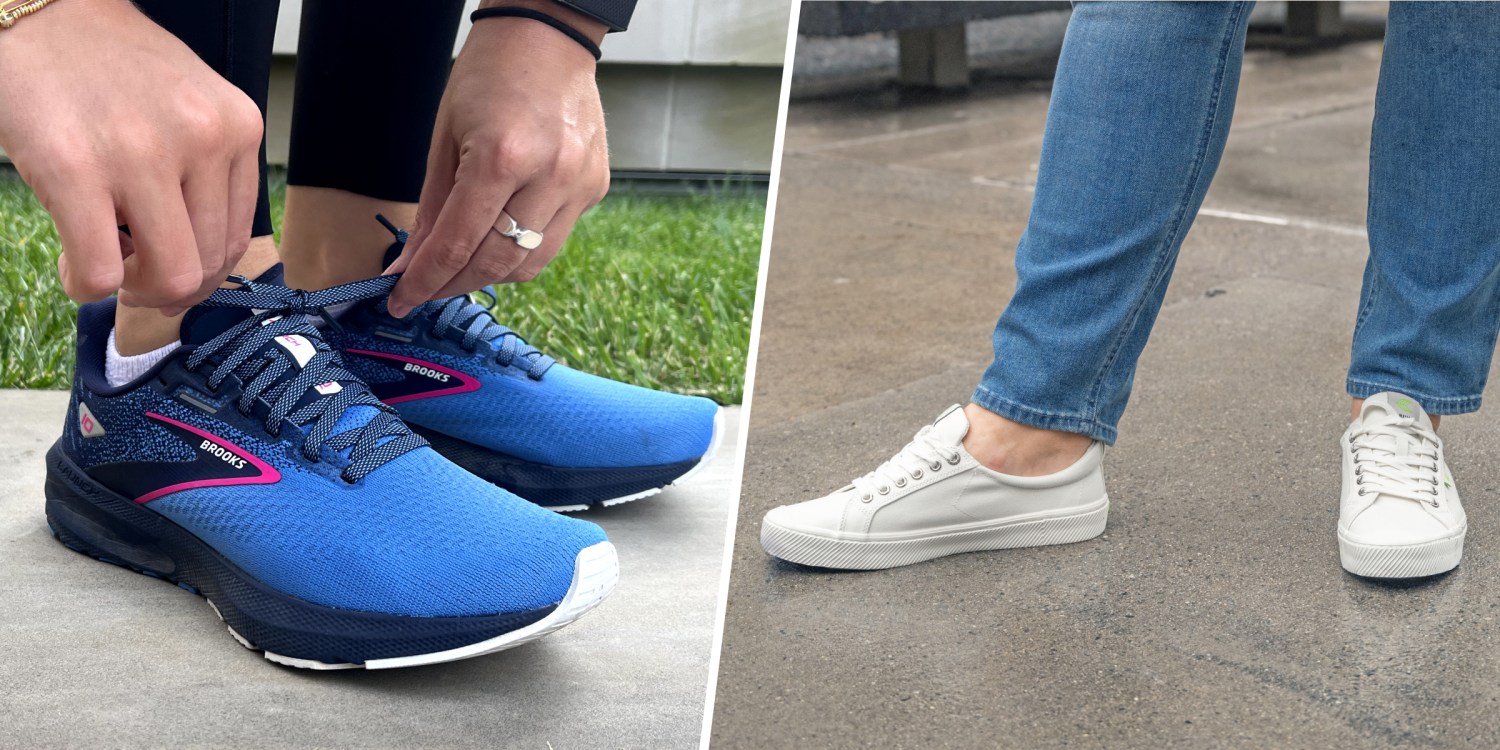
The notion that comfort and style are mutually exclusive is a pervasive myth. Today’s market is replete with options that seamlessly integrate technical performance with contemporary design. The key is to view your shoes to walk as a versatile component of your outfit, not an isolated utility item. For a minimalist, urban aesthetic, consider sleek leather or suede sneakers with clean lines and neutral tones from brands like Cole Haan or Allbirds; their designs often incorporate hidden comfort technologies. For a more rugged, outdoor-inspired look that transitions from trail to town, shoes with a textured sole and durable nylon upper from Merrell or Salomon offer both traction and tactical style. The athleisure trend has also blessed us with high-performance sneakers from brands like APL or On Running that look as sophisticated in a casual meeting as they do on a pavement. The principle here is intentionality: select a shoe whose color palette and silhouette can anchor multiple outfits. A monochromatic shoe can elongate the leg line, while a statement color can become the focal point of a neutral ensemble. By aligning the shoe’s purpose with your personal narrative, you create a cohesive style that doesn’t sacrifice substance.
:max_bytes(150000):strip_icc()/tal-walking-shoes-test-on-cloud-5-ashleigh-morley-01-f02f544a3dcf4b67b919b810eac77f09.jpeg)
The Longevity Equation: Care, Replacement, and Informed Investment
A high-quality pair of walking shoes is an investment, and like any investment, its lifespan depends on proper care and timely action. The cushioning materials in the midsole compress over time, losing their shock-absorbing properties long before the outer sole shows significant wear. Experts from Runner’s World and Verywell Fit consistently recommend replacing dedicated walking shoes every 300 to 500 miles. To extend this mileage, practice rotational use—having two pairs alternates daily allows the foam to fully decompress. Maintenance is straightforward: remove insoles to air dry, use a soft brush for cleaning uppers, and avoid direct heat sources like radiators which can break down adhesives and materials. Furthermore, being an informed consumer means knowing when to seek professional discounts. Many reputable retailers offer seasonal sales, loyalty programs, and discounted prices on previous models, which are often functionally identical to the latest releases. Subscribing to newsletters from specialty running or outdoor stores can alert you to these opportunities. Remember, the most economical choice is not the cheapest shoe, but the shoes to walk that offer durable construction and appropriate support, thereby preventing costly physical therapy down the line.
:max_bytes(150000):strip_icc()/when-should-i-replace-my-walking-shoes-3436325-0801-7a1840d83573471092e0380f9e230ecc.jpg)
Beyond the Pavement: Contextualizing Your Footwear Needs
Your environment and activities dictate the specific features your walking shoes require. This contextual understanding is what separates a good choice from a perfect one. For the urban explorer logging miles on concrete, prioritize maximum cushioning and durability. A quote from renowned urban planner Jan Gehl resonates here: “We shape our cities, and then they shape us.” Our shoes are the primary interface with that shaped environment. For travel, where versatility and packability are key, a lightweight, foldable option with a slip-on design might be ideal. If your walks involve uneven trails or gravel paths, look for shoes with a protective toe cap and a grippy, lugged outsole for stability. The philosophy extends to climate: waterproof membranes like Gore-Tex are invaluable in wet conditions, while highly breathable, quick-drying meshes are essential for hot climates. Each scenario asks a different question of your footwear. By listening to these contextual cues—the hardness of the surface, the variability of the terrain, the predictability of the weather—you can select the shoes to walk that act as a true partner in your daily adventures, ensuring comfort and confidence regardless of the path ahead.
Selecting the ideal walking shoes is an exercise in holistic self-awareness, merging an understanding of your physical blueprint with an expression of your personal style. It is a decision that acknowledges the profound impact of each step on your overall health and daily experience. By applying the principles of biomechanics, valuing quality construction, and aligning your choice with your lifestyle and aesthetic, you empower yourself to move through the world with greater comfort, confidence, and grace. Let your footwear be a testament to the fact that when science and style converge, every journey becomes a pleasure.
