

Best Shoes for Hiking and Walking: Comfort and Durability Combined
Selecting the right footwear is not merely a purchase; it is an investment in every step of your journey. The ideal pair transcends simple aesthetics, merging advanced engineering with material science to protect your feet and enhance your experience across diverse terrains. This article delves into the critical intersection of comfort and durability, guiding you toward the perfect shoes for hiking and walking. We will dissect the anatomy of high-performance footwear, supported by objective evidence and expert insights, to empower your next adventure.
The Foundation: Understanding Foot Biomechanics and Terrain
Before evaluating a single shoe, we must understand the forces at play. Your foot is a complex mechanical structure, with 26 bones, 33 joints, and over 100 muscles, tendons, and ligaments. According to research from institutions like the University of Calgary’s Human Performance Lab, improper footwear can lead to altered gait, increased metabolic cost, and a higher risk of injuries such as plantar fasciitis or stress fractures. The primary role of shoes for hiking and walking is to provide a stable platform that accommodates the foot’s natural movement while protecting it from external hazards. This involves a careful balance between flexibility for walking efficiency and rigidity for rocky, uneven trail support. The terrain dictates the need: well-groomed paths demand less aggressive tread and more cushioning, while technical mountain trails necessitate robust ankle support, deep lugs for grip, and protective toe caps. Renowned outdoor educator Andrew Skurka, in his foundational trail philosophies, often emphasizes that “your feet are your vehicle,” and choosing their armor is the most critical gear decision you’ll make.

Decoding Durability: Materials, Construction, and Longevity
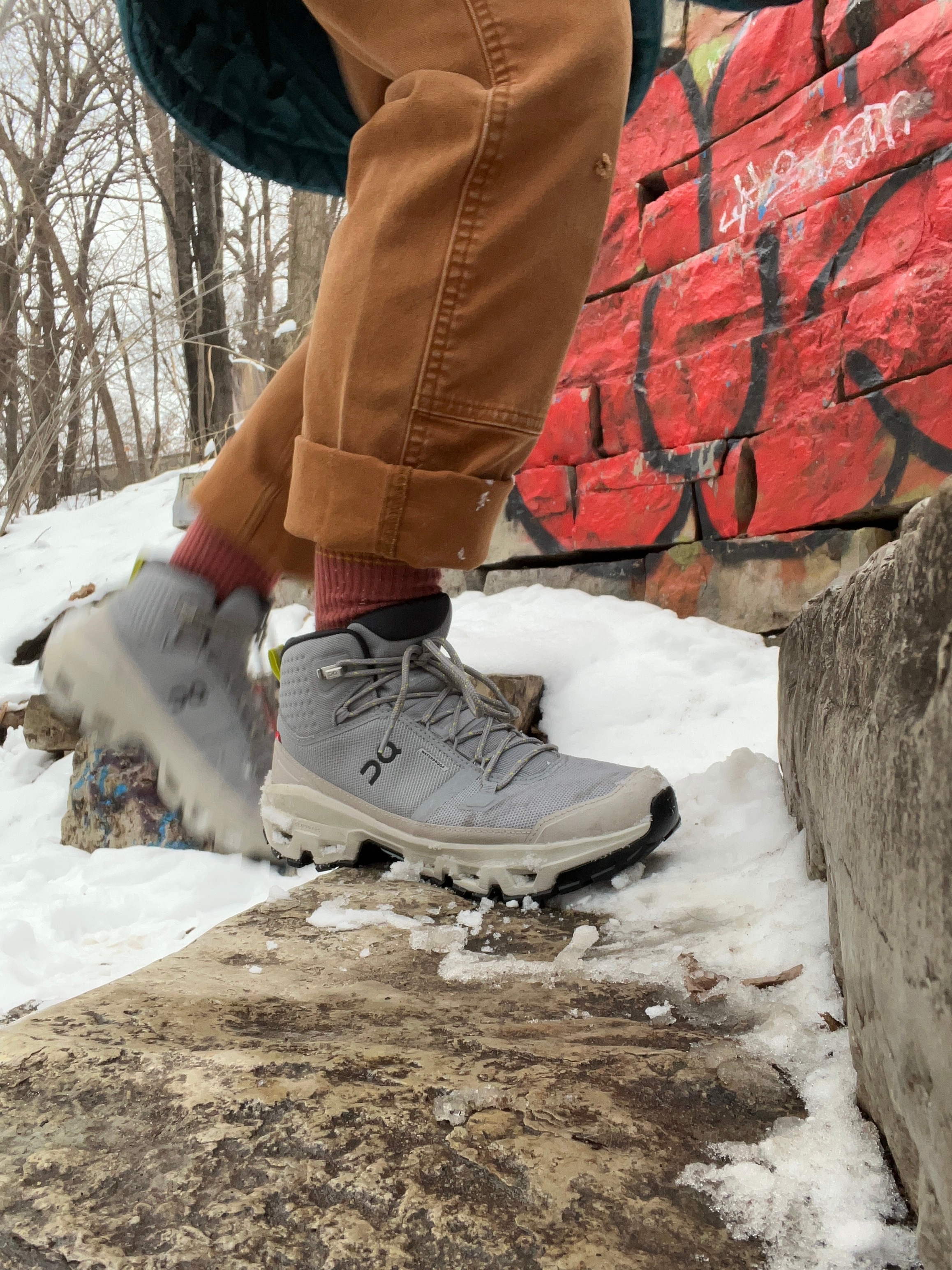
Durability in footwear is a product of material selection and construction technique. The upper, the part covering the foot, is often made from leather, synthetic fabrics, or a blend. Full-grain leather, as used in traditional hiking boots, offers exceptional abrasion resistance and water resistance but at the cost of weight and break-in time. Modern synthetic meshes, like those from Cordura or engineered knits, provide breathability and lighter weight, with durability enhanced by strategic rubber overlays. The construction method is equally vital. The debate between cemented (glued) construction and stitch-down or welted construction is central. As explained on authoritative gear sites like Switchback Travel, cemented construction is lighter and allows for more complex midsole designs but can delaminate over time. In contrast, Goodyear welting, a technique with origins in 19th-century cobbling and still championed by brands like Danner for their recraftable boots, involves stitching the upper to a leather strip (the welt), which is then stitched to the outsole. This creates a supremely durable, repairable bond, though often with added stiffness and weight. The outsole rubber compound, most famously Vibram, provides grip and wear resistance; a harder compound lasts longer on rock but may offer less traction on smooth surfaces, a trade-off detailed in material science literature from companies like Vibram itself.
The Pillar of Comfort: Cushioning, Fit, and Breathability
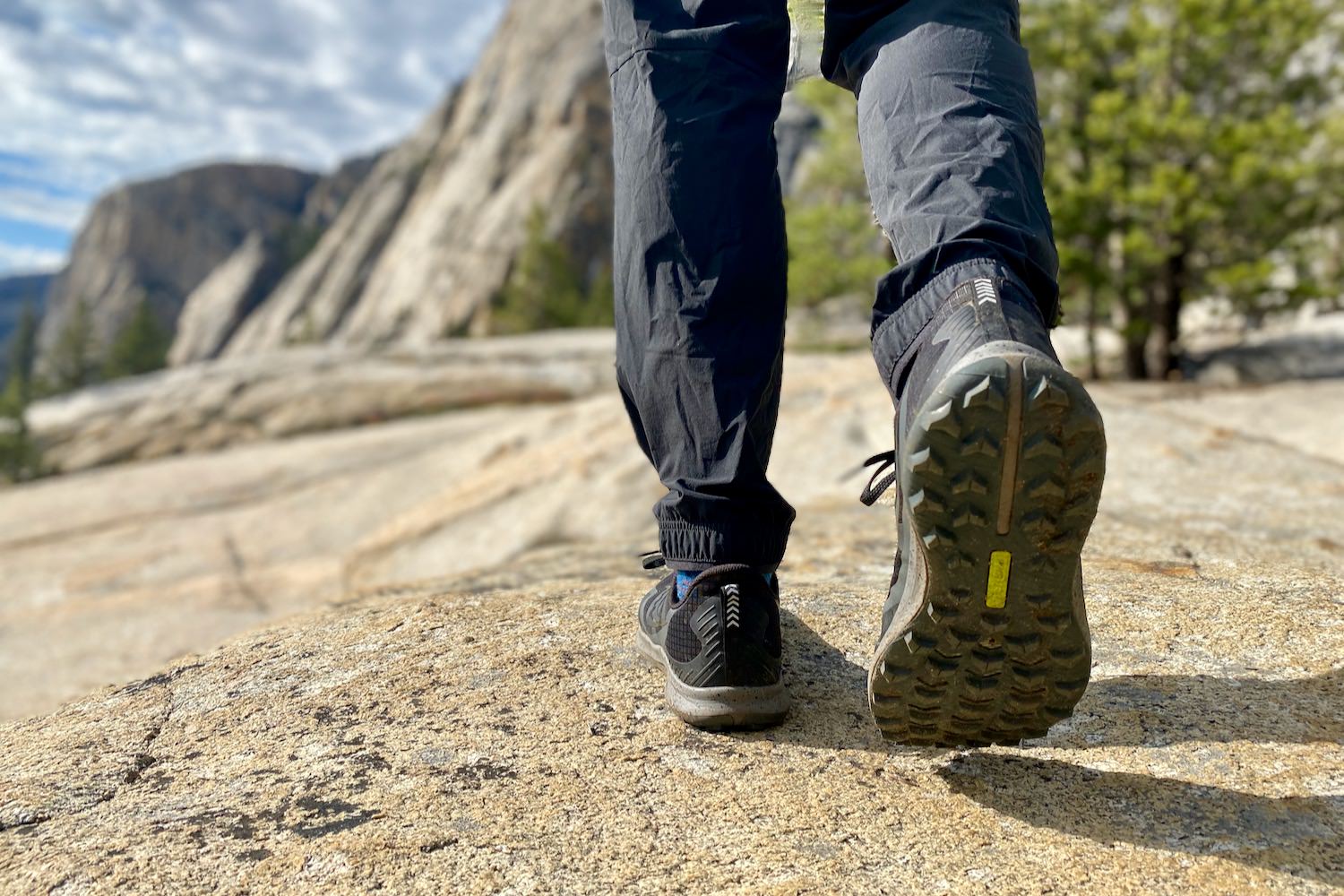
Comfort is a multi-sensory experience defined by the absence of pain and the presence of support. It begins with fit. The American Podiatric Medical Association recommends that hiking shoes should have about a thumb’s width (roughly 1.3 cm) of space beyond your longest toe to prevent toenail bruising on descents. The heel should be locked in place without slippage to prevent blisters. Arch support should match your foot’s natural contour—neutral, low, or high. Cushioning, often provided by EVA (ethylene-vinyl acetate) or polyurethane midsoles, absorbs impact. However, as noted by biomechanists like Dr. Casey Kerrigan in studies on footwear and joint loading, excessive cushioning can sometimes destabilize the foot. The emerging trend, supported by brands like Altra, is “foot-shaped” toe boxes that allow toes to splay naturally, a design principle backed by historical and anatomical observations. Breathability, managed by mesh panels and moisture-wicking liners, is crucial for temperature regulation and preventing maceration (pruning) of the skin, which weakens it and makes it blister-prone. A well-ventilated shoe for hiking and walking manages the microclimate around your foot, a concept frequently analyzed in gear reviews on CleverHiker.
Synthesizing the Elements: A Guide to Informed Selection
With the fundamentals established, how does one choose? The decision matrix should weigh your typical activity, personal physiology, and the value you place on longevity versus immediate comfort. For the weekend day-hiker on established trails, a lightweight hiking shoe with a flexible midsole and breathable mesh upper may be ideal. For the backpacker carrying a multi-day load over rocky passes, a sturdy boot with a rigid shank (a plate in the midsole for support), full-grain leather or tough synthetic upper, and aggressive Vibram outsole becomes necessary. Consider the words of Cheryl Strayed, author of Wild, who learned through harsh experience the non-negotiable importance of properly fitted, broken-in boots on a long-distance trek. Furthermore, sustainability is an emerging durability factor. Companies like Salomon and Keen are incorporating recycled materials into their uppers and midsoles without compromising performance, a point highlighted in corporate sustainability reports and celebrated by environmentally conscious outdoor communities on platforms like Twitter and Reddit.
Beyond the Purchase: Maintenance for Maximum Lifespan
Durability isn’t solely inherent; it is preserved. Proper care can double or triple the life of your shoes for hiking and walking. This involves regular cleaning with a soft brush and mild soap to remove abrasive dirt that degrades materials. For leather, periodic conditioning with appropriate products (like Nikwax or Sno-Seal) maintains suppleness and water resistance. Always allow shoes to dry naturally, away from direct heat sources which can crack leather and degrade adhesives. Rotating between two pairs allows each to fully dry and decompress between uses, significantly extending the life of the cushioning midsole. Storing them in a cool, dry place is essential. This maintenance ritual, often overlooked, is the final step in honoring the engineering of your footwear and ensuring it remains a reliable companion for miles to come.
Your Path Forward: Where Knowledge Meets the Trail
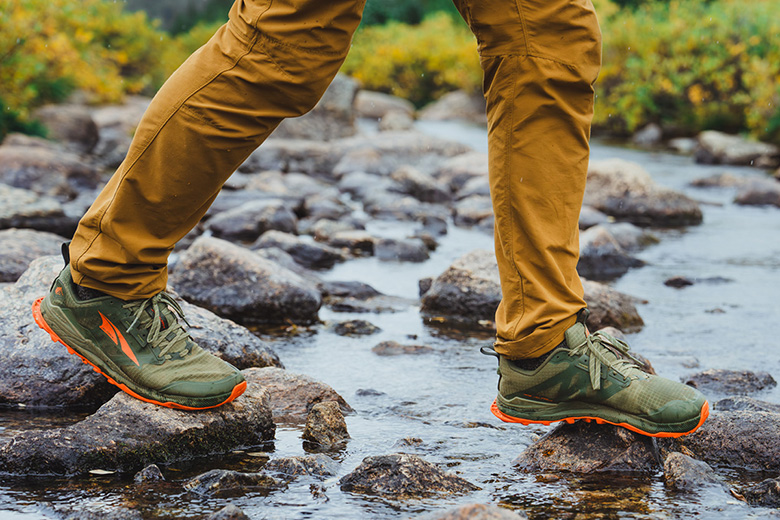
The quest for the perfect shoes for hiking and walking culminates in a personalized alignment of technology, anatomy, and intention. There is no universal “best,” only the best for you and your chosen path. By prioritizing the symbiotic relationship between durable construction—from welded seams to resilient rubber—and tailored comfort—from anatomical fit to responsive cushioning—you equip yourself for countless journeys. Let this synthesis of biomechanics, material science, and seasoned trail wisdom be your guide. Your next step, informed and confident, awaits on the path ahead.
