

Best Shoes for Hiking and Walking: Comfort and Durability Combined
Selecting the right footwear is not merely a matter of style or casual preference; it is a critical decision that impacts your physical well-being, performance, and enjoyment on the trail or pavement. The quest for the perfect pair of shoes for hiking and walking is a journey toward finding a harmonious balance between plush comfort and rugged durability. This balance is non-negotiable, as the wrong shoes can lead to discomfort, injury, and a shortened lifespan for your gear, turning an invigorating activity into a painful chore. Through this exploration, we will dissect the engineering, materials, and design philosophies that define superior footwear, moving beyond marketing claims to the objective science and expert consensus that guide informed choices.
The Foundational Pillars: Understanding Foot Biomechanics and Terrain
Before evaluating specific shoes, one must appreciate the complex biomechanics of walking and hiking. The human foot is a marvel of engineering, with 26 bones, 33 joints, and over 100 muscles, tendons, and ligaments working in concert to provide balance, propulsion, and shock absorption. According to research from institutions like the University of Washington’s Department of Orthopaedics and Sports Science, the gait cycle involves a delicate sequence of heel strike, midfoot roll, and toe-off. A shoe for hiking and walking must support this natural motion while compensating for the added stresses of uneven trails, heavy loads, or prolonged periods on hard surfaces. The terrain itself dictates primary needs: smooth pavement prioritizes cushioning and energy return, while rocky, root-strewn trails demand stability, protection, and aggressive traction. Ignoring this fundamental alignment between foot function and environment is the first misstep many make, often resulting in choices that feel comfortable in the store but fail miserably in the field.
:max_bytes(150000):strip_icc()/VWFit-hiking-shoes-versus-walking-shoes-7548411-152aaaad90024603b172fdf65bb0c157.jpg)
Decoding Comfort: Materials, Cushioning, and Fit
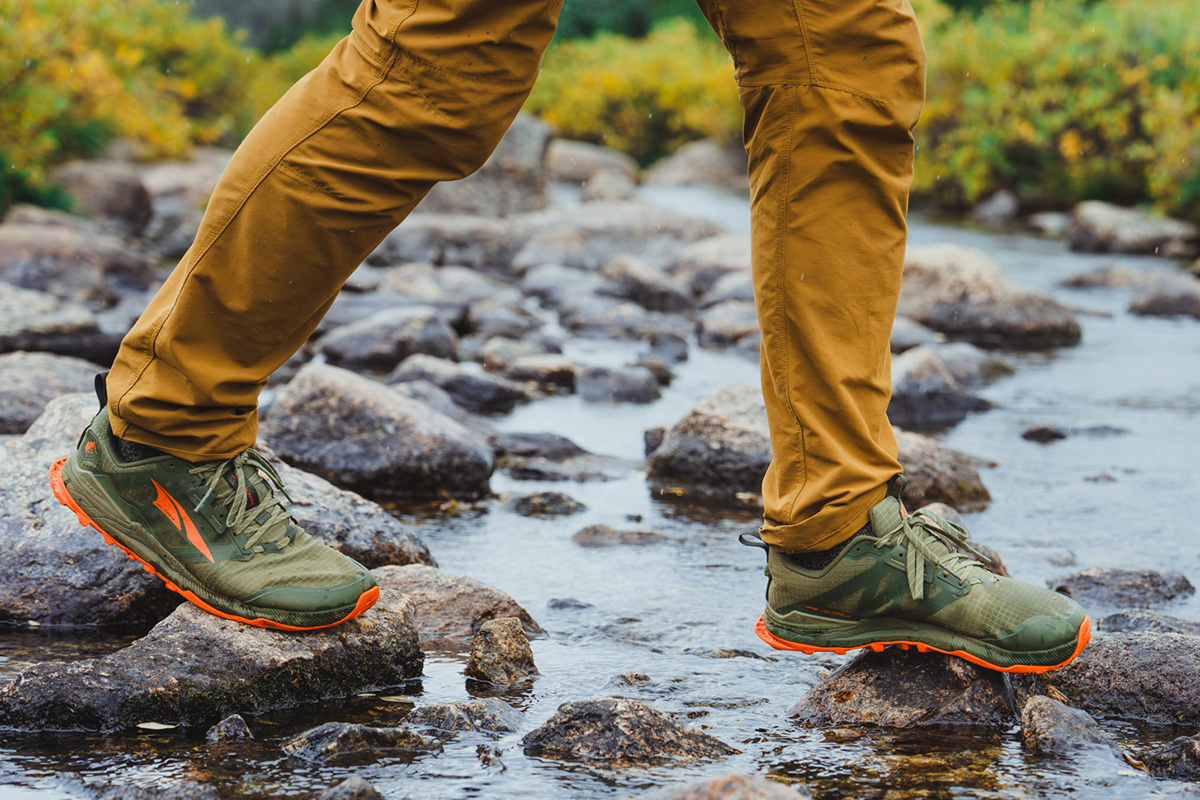
Comfort is a subjective sensation, but its sources are quantifiable. It begins with fit—a concept championed by podiatrists and outfitters alike. A proper fit allows for a thumb’s width of space ahead of the longest toe when standing, secures the heel without slippage, and provides ample volume across the instep to prevent pressure points. The materials constituting the upper are paramount. Modern shoes for hiking and walking often utilize engineered meshes, like those found in Altra or Salomon models, which offer breathability, flexibility, and a degree of water resistance. Inside, the midsole is the heart of cushioning. Technologies such as EVA (ethylene-vinyl acetate) foam, polyurethane, and proprietary compounds like Nike’s React or Adidas’s Boost provide varying levels of energy absorption and return. Dr. Casey Kerrigan, a former Harvard Medical School professor and founder of a biomechanics research company, has published studies emphasizing that excessive cushioning can sometimes destabilize the foot, arguing for “smart” cushioning that protects without isolating the wearer from essential ground feedback. Therefore, comfort is not about maximal softness, but about intelligent support that adapts to your foot’s movement over miles.
Engineering Durability: Outsoles, Construction, and Weather Resistance
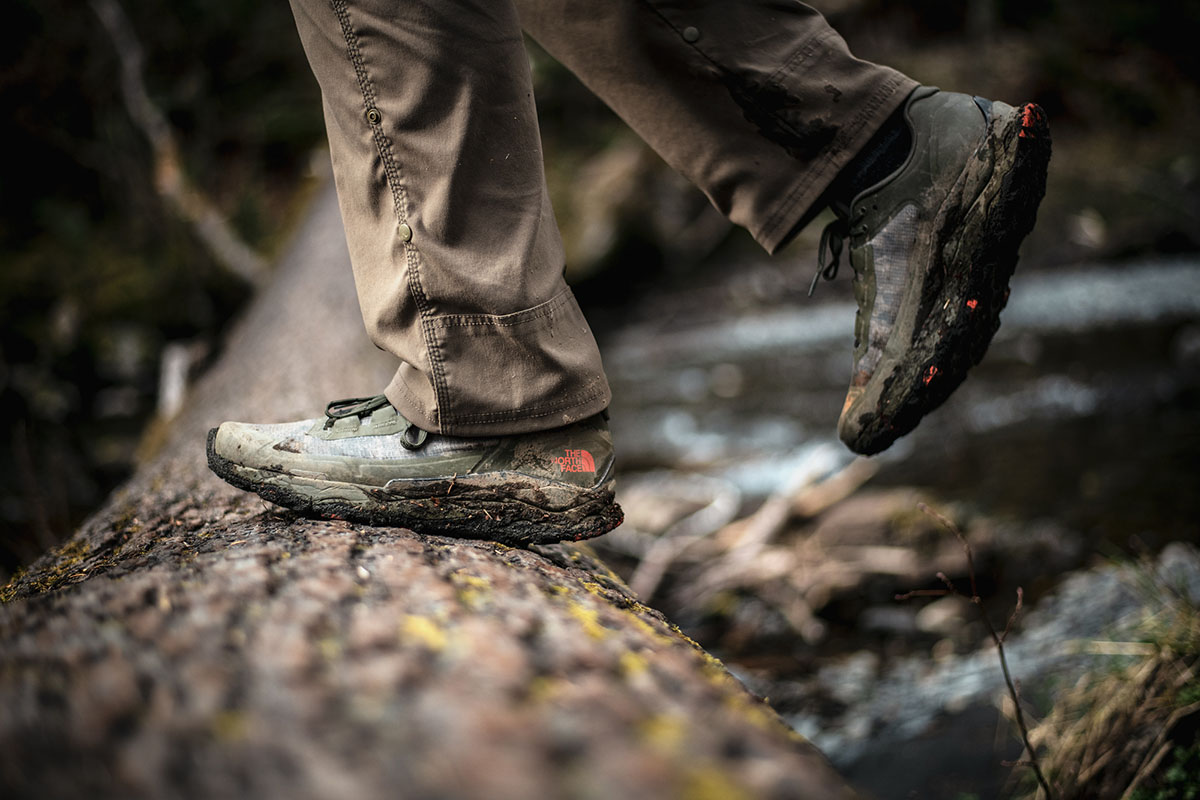
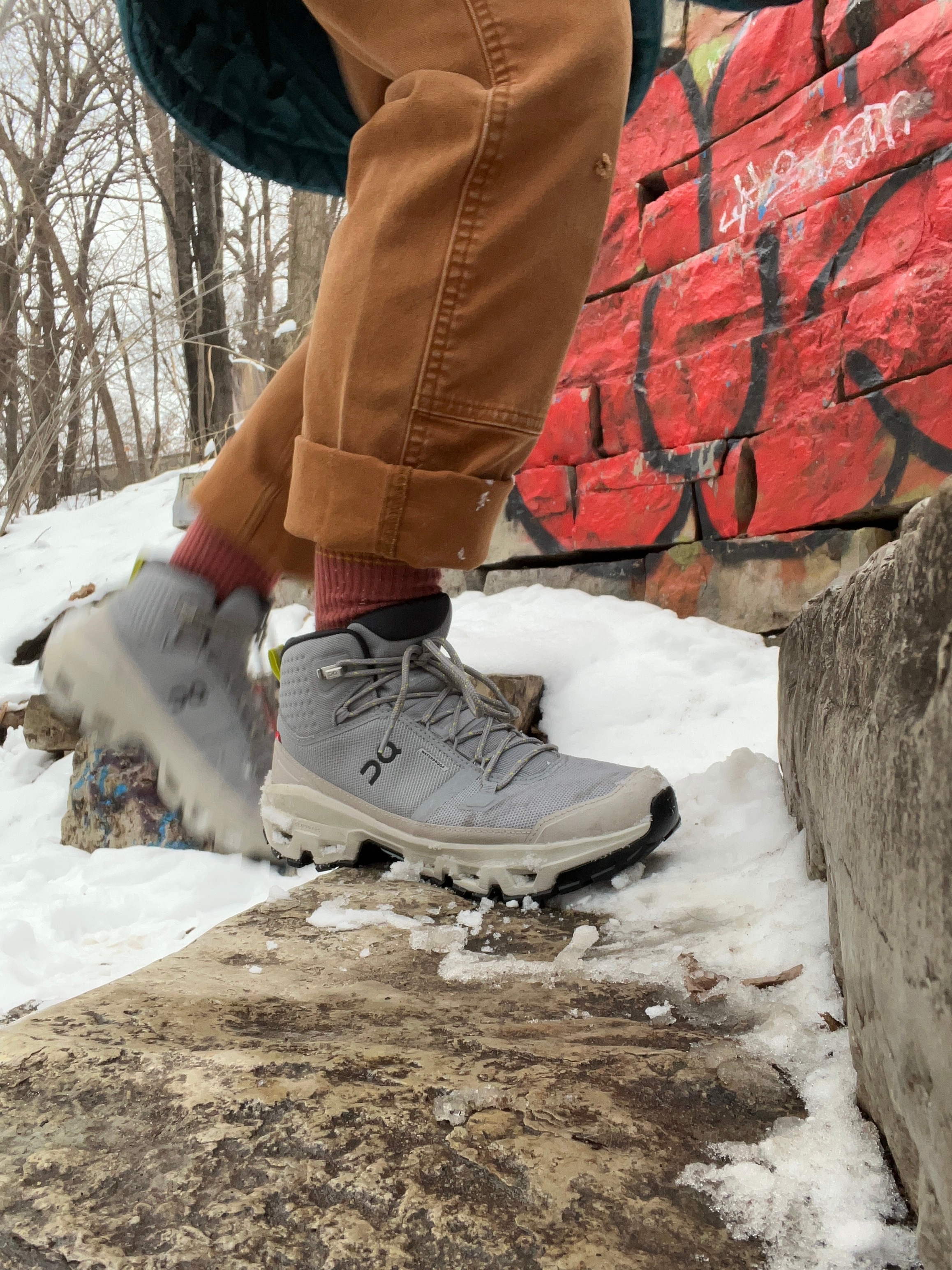
Durability is the counterpart to comfort, ensuring your investment withstands the test of time and terrain. The outsole is the primary point of contact and wear. High-quality rubber compounds, such as Vibram Megagrip or Continental Rubber, are industry standards for their exceptional traction and abrasion resistance. The lug pattern—the depth and arrangement of the tread—is critical; deeper, multi-directional lugs excel on loose dirt and mud, while shallower, closer-set lugs are better for packed trails or urban walking. The construction method also dictates longevity. Traditional cemented construction is lightweight but can delaminate. More durable options include stitch-down or, most robustly, Goodyear welting, a technique revered in heritage work boots for creating a waterproof seal and allowing for resoling. Furthermore, durability encompasses weather defense. A waterproof membrane like Gore-Tex is a double-edged sword; it creates a barrier against external moisture but can also trap sweat in warm conditions. As noted by outdoor experts on platforms like Switchback Travel, the choice for a waterproof shoe for hiking and walking should be dictated by climate and activity—indispensable for cold, wet environments but potentially overkill for dry, hot, or fast-paced pursuits where breathability is king.
Specialized Considerations: From Day Hikes to Long-Distance Treks
The spectrum of hiking and walking activities demands specialization. A shoe designed for a gentle two-mile nature walk will differ profoundly from one built for a 20-mile backpacking trip with a 40-pound load. For light walking and day hiking, flexibility and low weight are prized. Brands like Merrell and Skechers prioritize these attributes, often using softer midsoles and more flexible constructions. Conversely, for backpacking or rugged terrain, stability and support become paramount. This often involves a stiffer midsole to prevent foot fatigue from flexing over uneven surfaces, a reinforced toe cap for protection against rocks, and a higher cut (as in hiking boots) to support the ankles under load. The Appalachian Trail Conservancy, in its hiker resources, consistently advises that footwear choice is the most critical gear decision for thru-hikers, emphasizing that durability and fit over thousands of miles trump all other concerns. Thus, identifying your primary use case is not a trivial step; it is the essential filter through which all other features must be evaluated.
The Evidence in Action: Endorsements and Real-World Testing
Objective data is compelling, but real-world validation from trusted sources seals the argument. Celebrity adventurers and professional guides offer a wealth of practical insight. On his YouTube channel, renowned survivalist and TV host Bear Grylls often stresses the non-negotiable importance of reliable footwear in survival situations, implicitly endorsing durable, grippy options. Similarly, Jennifer Pharr Davis, who held the record for the fastest thru-hike of the Appalachian Trail, frequently cites in interviews and her book, “The Pursuit of Endurance,” that her choice in footwear was a deliberate balance of lightweight speed and sufficient protection for relentless daily mileage. From the realm of science, a study published in the “Journal of Foot and Ankle Research” found that appropriate footwear significantly reduced the incidence of foot pain and injuries in a cohort of long-distance walkers. These perspectives converge on a single truth: the right shoes for hiking and walking are not an accessory but a primary tool, a fact attested to by those who depend on them in the most demanding circumstances.
Making an Informed Investment: Value Beyond the Price Tag
Finally, we arrive at the point of purchase, where professional knowledge must meet practical budgeting. A high-quality pair of shoes for hiking and walking is an investment, with prices ranging from $80 for entry-level models to over $250 for cutting-edge, durable designs. The key is to perceive value, not just cost. A $150 shoe that lasts for 800 miles offers better value per mile than a $80 shoe that disintegrates after 200. Look for seasonal sales from major retailers like REI, Backcountry, or even direct from manufacturers during model-year closeouts. Furthermore, consider the total cost of ownership. Some brands, like Oboz, which plant a tree for every pair sold, or Salomon, with its strong warranty support, add intangible value. The expertise of a specialty outdoor retailer is invaluable here; their staff can provide fitting services and recommendations based on your specific foot shape and intended use, a service that often justifies purchasing at full price. Bringing this professional knowledge to your search empowers you to find performance and durability, sometimes at a pleasantly discounted price.
The journey to find the ideal footwear culminates in a synthesis of personal need, scientific principle, and proven performance. It is a decision that liberates you to move farther, with greater confidence and less fatigue. The perfect pair seamlessly merges the inviting comfort that makes you want to take the first step with the unwavering durability that ensures the thousandth step is just as secure. By prioritizing this essential combination and applying the insights outlined here, you equip yourself not just with shoes, but with a foundation for every adventure that lies ahead.
