

Your Ultimate Guide to Saucony Walking Shoes
Embarking on a journey toward better health and daily comfort often begins with a single step, and the foundation of that step is the shoe you wear. In the vast landscape of footwear designed for motion, Saucony walking shoes have carved out a reputation for merging scientific innovation with everyday practicality. This guide isn’t about a simple purchase; it’s about understanding how the right engineering underfoot can transform walking from a mundane task into a sustained, joyful practice. We will dissect the technology, validate the design principles with authoritative insights, and provide you with the knowledge to make an informed choice that supports your stride for miles to come.
The Engineering Philosophy Behind Saucony’s Stride
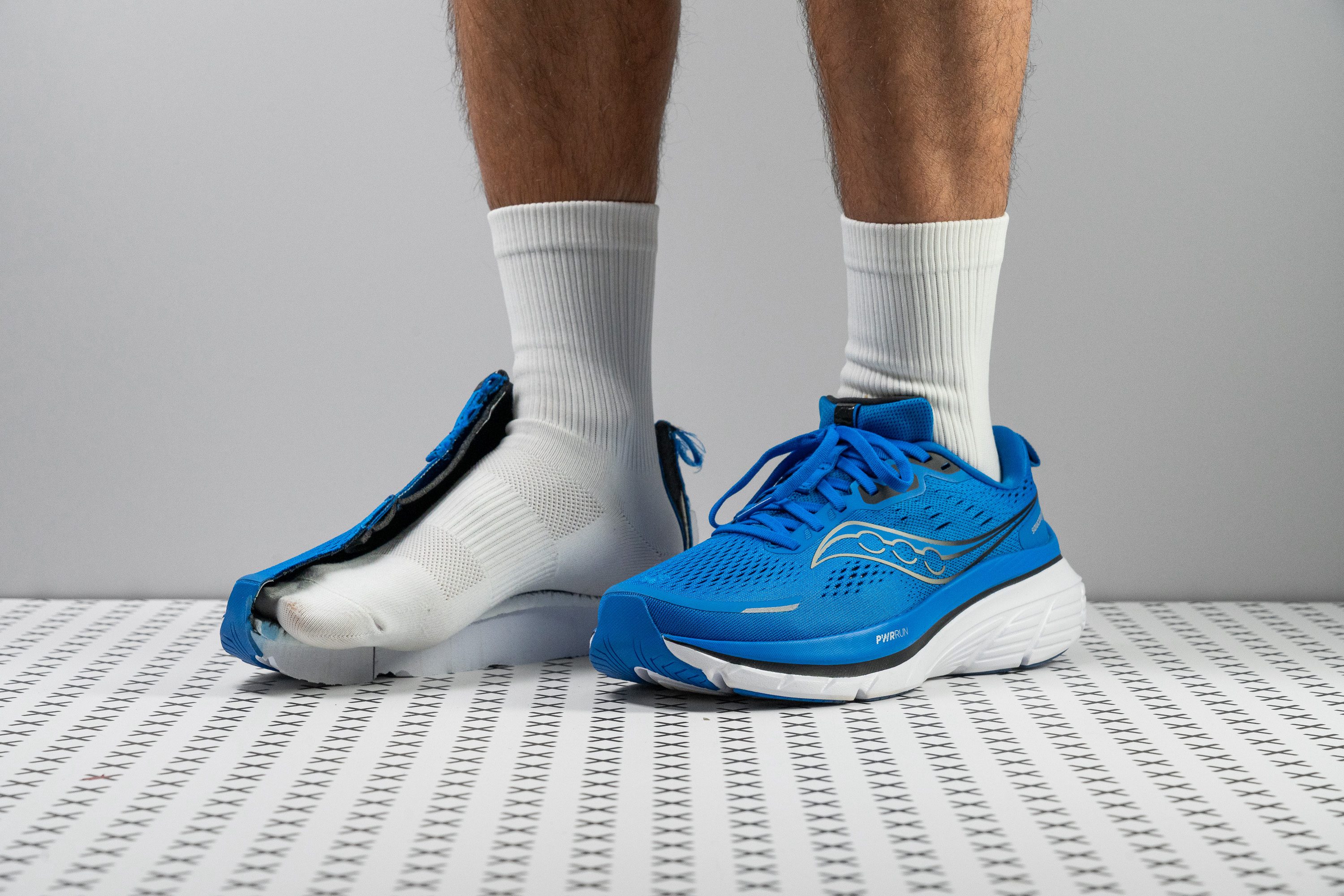
To comprehend why Saucony walking shoes stand apart, one must first appreciate the biomechanics of walking. Unlike running, walking involves a continuous, double-support phase where both feet are in contact with the ground, placing unique demands on stability, cushioning, and heel-to-toe transition. Saucony’s approach is deeply rooted in podiatric science and material innovation. For instance, their use of PWRRUN and PWRRUN+ cushioning isn’t merely marketing; it’s a response to the need for durable, responsive foam that attenuates impact forces over prolonged periods. This aligns with research from institutions like the University of Virginia’s Department of Physical Medicine, which emphasizes the critical role of midsole composition in preventing overuse injuries. Furthermore, the brand’s historical focus on “fit” stems from an understanding that a secure, non-constricting heel and a roomy toe box are paramount for the foot’s natural splay during the gait cycle. As noted by renowned podiatrist Dr. Ray McClanahan in various public forums, footwear that allows for natural foot function is a cornerstone of musculoskeletal health. Saucony designs, such as the FORMFIT system, often incorporate this principle, creating a symbiotic relationship between foot and shoe that promotes efficiency and comfort.
Decoding Key Technologies: From Heel to Toe
Let’s delve into the specific technologies that define the modern Saucony walking shoe. A cornerstone is the GRID System, originally pioneered by Saucony. This web-like structure embedded in the heel provides both cushioning and stability by dissipating vertical impact forces and controlling medial-lateral motion. Think of it as a suspension system for your foot, a concept validated by its long-standing presence in the brand’s lineage. Another critical element is the TRIFLEX outsole. This isn’t just random patterning; the strategically placed flex grooves facilitate a natural and efficient roll-through from heel strike to toe-off. This design philosophy echoes principles found in kinesiology literature, which stress the importance of facilitating the foot’s natural tri-planar motion. For the upper, engineered mesh materials offer breathability and adaptive support, crucial for preventing hotspots and blisters during long walks. The importance of such materials is frequently highlighted on expert review platforms like RunRepeat and Road Runner Sports, where breathability and structural integrity are consistently ranked as top criteria for walking shoe excellence. Each component, from the contoured footbed to the external heel counter, is a calculated response to the biomechanical demands of walking.

Navigating the Lineup: Finding Your Perfect Match
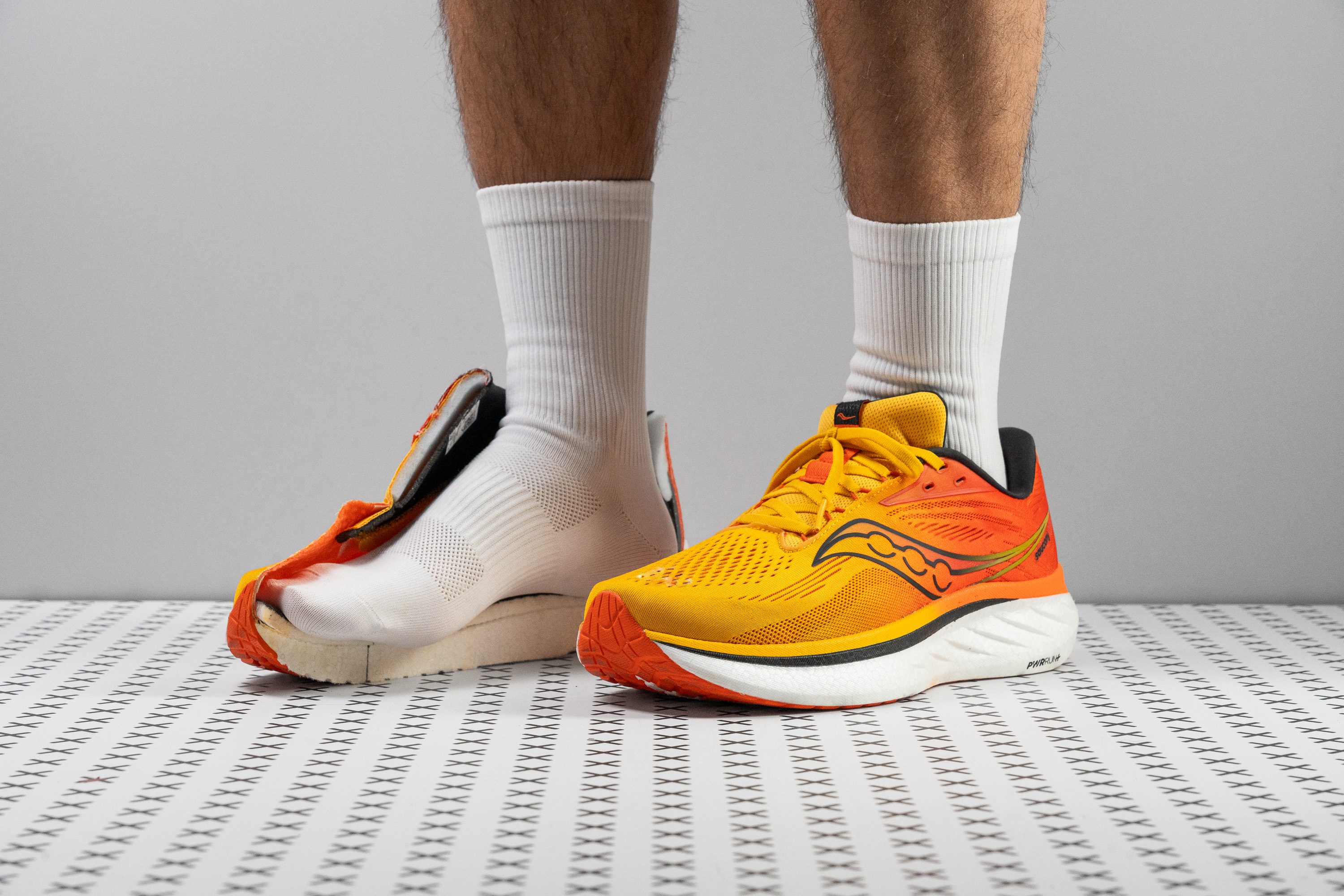
Saucony’s walking and casual stability lineup is diverse, catering to different arch types, gaits, and aesthetic preferences. The Saucony Guide series, for example, is often the go-to for those seeking a balance of support and cushioning. It incorporates guidance elements to gently correct overpronation without the rigidity of a traditional motion-control shoe. On the other end of the spectrum, the Saucony Ride series offers a more neutral, plush experience, ideal for walkers with a efficient biomechanical pattern who prioritize soft landings. The distinction is crucial. As highlighted in buyer’s guides from Runner’s World, choosing a shoe that matches your gait pattern—whether neutral, overpronated, or underpronated—is the single most important factor in comfort and injury prevention. For everyday urban exploration, models like the Saucony Excursion or Jazz offer durable outsoles and classic styling. The key is to assess your own needs: Do you walk primarily on pavement or trails? Do you require extra arch support? Answering these questions, perhaps even through a professional gait analysis offered at many specialty running stores, will direct you to the ideal model within the Saucony ecosystem.
Expert Voices and Enduring Value
The merits of Saucony walking shoes are not merely proclaimed by the brand but are echoed by a chorus of independent experts and satisfied users. On platforms like YouTube, certified fitness professionals such as Joanna Soh often recommend Saucony for their reliable construction in walking-focused workout videos. Similarly, on Quora and specialized forums, long-distance walkers and hiking enthusiasts frequently cite Saucony’s durability and comfort as reasons for repeat purchases. The value proposition extends beyond initial quality. Consider the cost-per-mile calculation. A well-constructed Saucony walking shoe, with a lifespan often exceeding 500 miles of walking, presents a compelling long-term value, especially when found at a discounted price. Retailers frequently offer previous-season models at significant discounts—a savvy shopper can acquire top-tier technology for a fraction of the original cost. For instance, the Saucony Guide 18, a benchmark for support, can often be found on sale now that the Guide 19 is released, offering near-identical core performance at a budget-friendly price point. This makes professional-grade footwear accessible, aligning with the pragmatic need for quality without financial excess.

The Final Step: Integrating Knowledge into Action
Armed with an understanding of Saucony’s biomechanical engineering, its key technological pillars, and the validation from expert communities, your path to selection is now informed. The act of choosing a walking shoe transforms from one of aesthetic preference to one of intentional self-care. Remember, the best shoe is the one that disappears on your foot, allowing your body to move as nature intended while being protected by human ingenuity. It supports your daily commutes, your purposeful fitness walks, and your casual weekend explorations. Investing in a pair designed with the scientific rigor of Saucony is an investment in the sustainability of your movement practice. As you lace up a pair, you’re not just wearing footwear; you’re engaging with a legacy of design focused on harmonizing with the human gait. Let this knowledge guide your fit, inform your budget, and ultimately, propel your steps forward with confidence and comfort for the long journey ahead.
