

The Ultimate Guide to Walking Shoes That Elevate Your Everyday Look
Forget the notion that style and comfort are mutually exclusive. The right pair of walking shoes can be the cornerstone of a wardrobe that feels as good as it looks, transforming a mundane daily necessity into a statement of personal style and intelligent self-care. This guide moves beyond basic recommendations to explore how the science of footwear intersects with the art of personal expression, proving that the shoes you walk in can profoundly elevate your everyday experience.
1. The Foundation: Where Biomechanics Meets Aesthetic
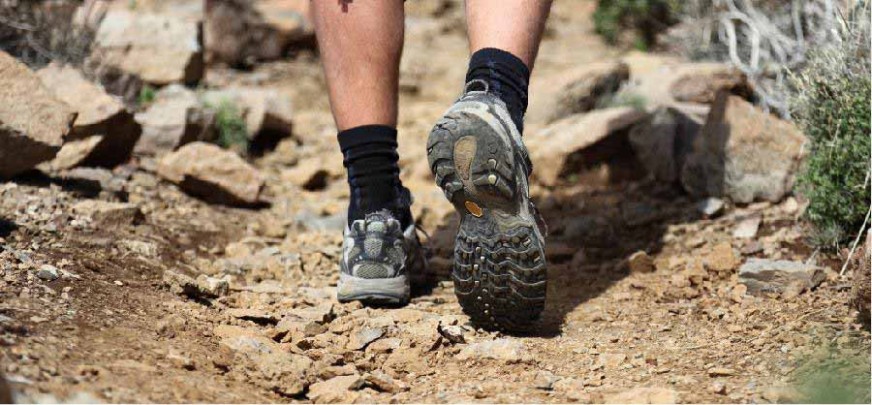
The journey to the perfect walking shoe begins not with color or brand, but with an understanding of your own foundation. Every step you take is a complex orchestration of bones, muscles, and tendons. The term “gait cycle,” as defined in biomechanical literature from institutions like the University of Calgary’s Human Performance Laboratory, refers to the sequence from when your heel strikes the ground to when the same heel strikes again. A shoe that disrupts this natural cycle can lead to discomfort that ranges from mild fatigue to chronic pain in the knees, hips, or back. Therefore, the primary function of a shoe designed for shoe walking is to support this cycle, not hinder it. This involves key features like adequate arch support, which maintains the foot’s natural structure; a heel counter that stabilizes the rearfoot; and a flexible forefoot that allows for a natural push-off. Consider the words of renowned orthopedic surgeon Dr. Nicholas A. Campitelli: “The shoe is an extension of the foot. It should protect without restricting, and support without overcorrecting.” This principle is non-negotiable. A beautiful shoe that causes pain is, ultimately, a poorly designed object. The first step in elevating your look is ensuring the foundation is solid, allowing you to move through your day with confidence and ease, making the act of shoe walking a pleasure, not a chore.
2. The Silhouette Revolution: From Bulky to Sleek
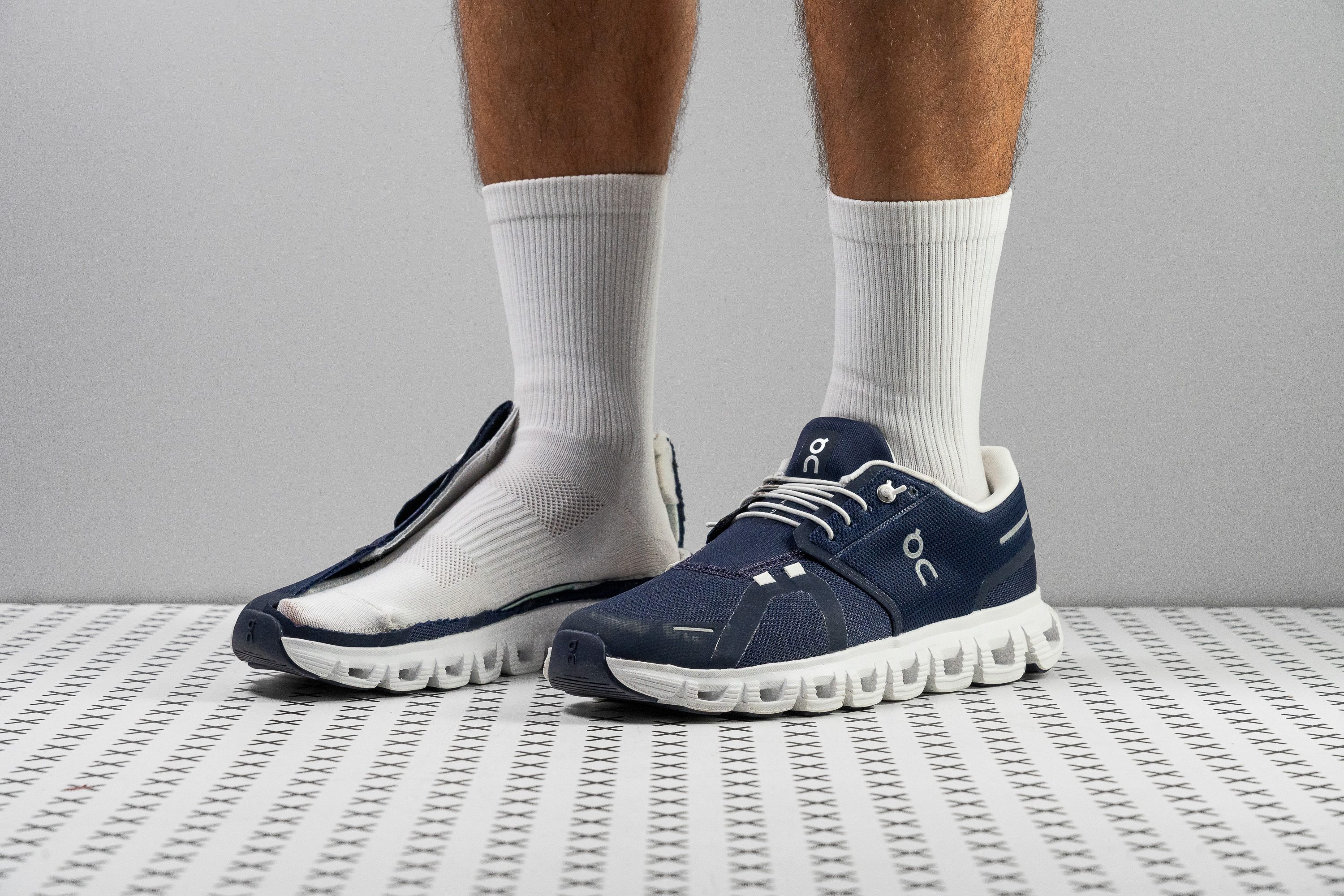
Gone are the days when supportive shoes were synonymous with bulky, white, medical-looking sneakers. The modern market has undergone a silhouette revolution, driven by consumer demand for footwear that performs in the gym and the gallery. Brands have leveraged advanced materials and minimalist design philosophies to strip away excess without compromising on technology. Take, for instance, the rise of brands like On Running, which utilizes its proprietary CloudTec® cushioning system. As stated on their official platform, the technology is designed to provide “soft landings and explosive take-offs.” The visual result is a distinctive, sleek sole unit that has become a style signature in itself. Similarly, the proliferation of “athleisure” as a dominant trend, chronicled by fashion analysts from Vogue to Business of Fashion, has legitimized the technical sneaker as a piece of fashion currency. You can now find shoes with responsive foams like Adidas’s Boost or Nike’s React encapsulated in uppers made from engineered knits, suede, or even recycled materials, offering a sophisticated profile. This evolution means you no longer have to choose between a shoe that supports a long day of shoe walking and one that complements tailored trousers or a flowing dress. The aesthetic has been refined, allowing the shoe to integrate seamlessly into a curated wardrobe, proving that technical excellence can have a compelling visual language.
Material Matters: The Touch and Texture of Modern Walking Shoes
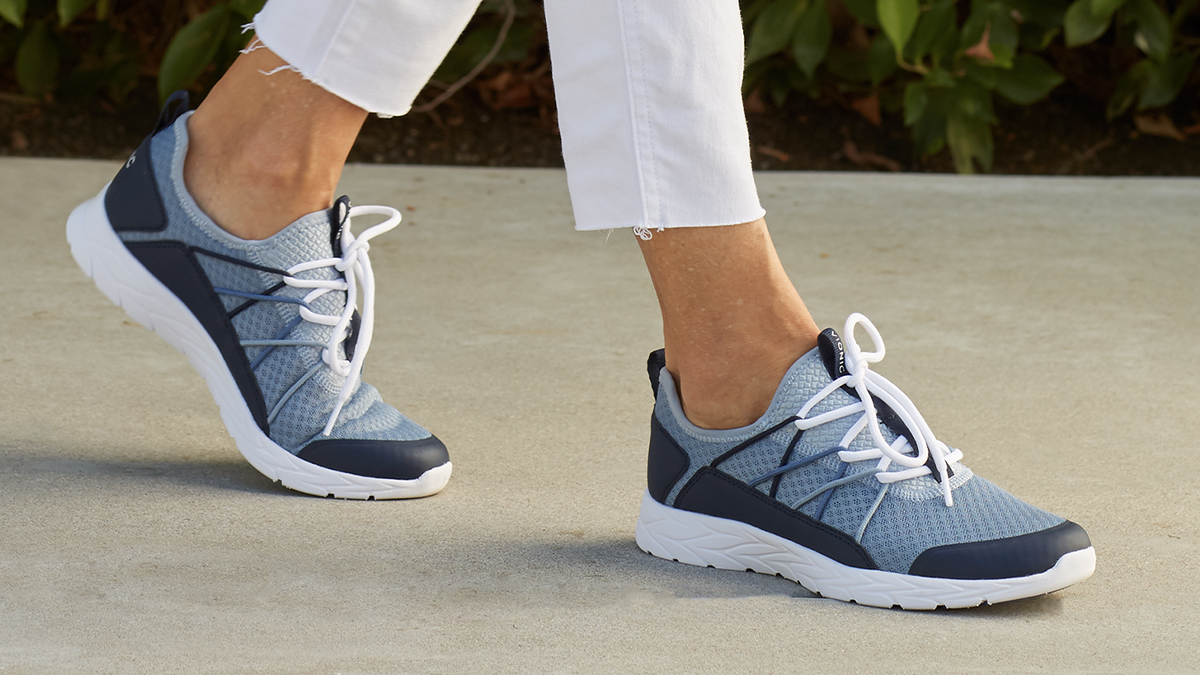
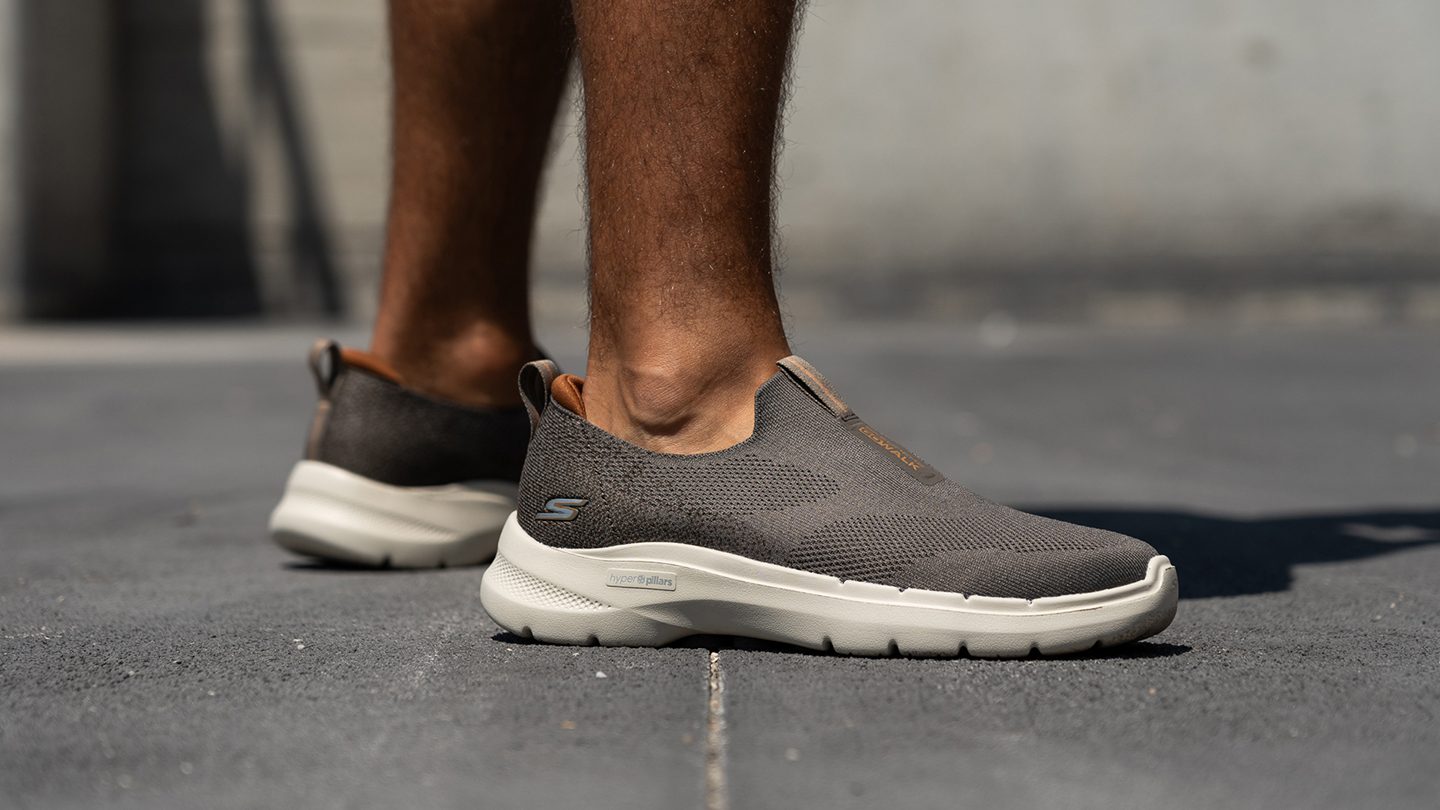
Beyond shape, the very fabric of your walking shoes plays a dual role in comfort and style. Modern materials are engineered for purpose. Breathable mesh panels, often with strategic reinforcement, manage moisture and temperature, a scientific approach to foot health documented in textile research from universities like MIT. This functional aspect directly impacts style; a well-ventilated foot is a comfortable one, and comfort breeds the unselfconscious confidence that is the ultimate accessory. Conversely, the use of premium materials like full-grain leather, nubuck, or recycled polyester weaves adds texture and depth to your outfit. A clean, white leather sneaker offers a crisp, versatile polish, while a grey knit model presents a more relaxed, technical vibe. The choice of material communicates subtly. As fashion historian Dr. Valerie Steele noted in an interview with The Guardian, “Shoes are the most architectural part of fashion. They literally and figuratively ground us.” The material is the façade of that architecture. When selecting a shoe for daily shoe walking, consider the tactile experience and the visual statement. Does the matte finish of a suede accent elevate your neutral-toned wardrobe? Does a reflective detail add a futuristic touch to your evening stroll? These are the nuanced questions that move a shoe from being merely functional to being a foundational style element.
3. Color and Psychology: The Unspoken Language of Your Shoes
Color is the most immediate tool for expression in your footwear arsenal. The psychology of color, a field studied extensively in marketing and design schools worldwide, suggests that our color choices can influence perception and mood. A classic white or black sneaker speaks to timelessness and versatility, a blank canvas that lets the rest of your outfit shine. It’s the sartorial equivalent of a confident, quiet voice. On the other end of the spectrum, a bold color—a vibrant cobalt blue, a rich terracotta, or a neon accent—acts as an exclamation point. It draws the eye, injects energy, and can transform a simple jeans-and-tee combination into a considered look. This isn’t mere opinion; color theory principles used by artists and designers confirm that strategic color use creates focus and harmony. For your daily shoe walking shoes, consider your personal palette and lifestyle. Do you want your shoes to anchor your outfit or be the focal point? A muted olive or navy can offer a contemporary, earthy tone that pairs effortlessly with both casual and smart-casual attire, providing a modern alternative to the ubiquitous black. Remember, the shoe walking you do is a part of your daily narrative. The color you choose can whisper sophistication or shout creativity, setting the tone for your interactions before you even speak a word.
4. The Investment Perspective: Cost-Per-Wear and Informed Value
Discussing style often leads to discussing price, but a shift in perspective is crucial. Instead of looking at the sticker price of a quality walking shoe, consider the metric of “cost-per-wear,” a concept popularized by savvy stylists and financial bloggers alike. A $150 pair of shoes worn nearly every day for two years breaks down to a little over twenty cents per day. Compare this to a $50 pair that causes discomfort and falls apart in six months, offering a poorer value proposition both financially and experientially. Investing in well-constructed shoes from reputable brands often means better materials, more durable construction, and advanced support technologies that protect your body—the most valuable asset you have. Furthermore, the market offers avenues for value. End-of-season sales, outlet stores, and reputable online retailers frequently offer previous models at significant discounts. A last-season model from a top brand will almost always outperform a current-season model from an unknown brand in terms of technology and durability. The goal is informed consumption. Seek out brands known for their research and development in footwear science, such as ASICS, which invests heavily in its Institute of Sport Science, or New Balance, with its focus on precise width fittings. By viewing your purchase as a long-term investment in your comfort, health, and style coherence, the act of choosing the right tool for shoe walking becomes a smart, strategic decision.
Professional Insight: What Podiatrists and Stylists Agree On
There is a rare but beautiful convergence of opinion between medical professionals and style experts on this topic. Podiatrists, like Dr. Megan Leahy from the Illinois Bone and Joint Institute, consistently advise patients to prioritize fit and function. “The most expensive shoe in the world is the wrong shoe for your foot,” she has stated in health publications. This means a proper fitting—preferably in the afternoon when feet are slightly swollen, with the right amount of space (about a thumbnail’s width) in front of the longest toe. Simultaneously, personal stylists emphasize the importance of silhouette and versatility. A stylist might argue that a simple, well-proportioned sneaker in a neutral color does more for a wardrobe than ten trendy, uncomfortable pairs. The intersection of these viewpoints is the sweet spot: a shoe that is anatomically sound for your unique foot structure and whose design is coherent with your personal aesthetic. It is the embodiment of the ancient Greek ideal of “kalos kagathos”—the unity of the good and the beautiful. When you find a shoe that satisfies both the podiatrist’s checklist and the stylist’s eye, you have found more than footwear; you have found a tool for living well and looking intentional with every step of shoe walking you undertake.
5. Your Personal Blueprint: Curating the Walkable Wardrobe
Ultimately, the quest for the perfect walking shoe is a personal one. It is about creating a personal blueprint that aligns your physical needs with your visual identity. Start by assessing your daily life. Is your shoe walking primarily on urban pavement, park trails, or indoor floors? Do you need a shoe that transitions seamlessly from a work environment to an evening out? Your answers will guide your requirements for cushioning, tread, and formality. Next, analyze your wardrobe’s color story and dominant silhouettes. Does your closet lean towards monochrome, pastels, or bold patterns? The goal is to choose one or two key pairs that serve as reliable anchors. Perhaps it’s a minimalist white leather sneaker for clean, bright looks and a supportive, dark-toned walking shoe with subtle texture for days requiring more mileage or a more subdued palette. This curated approach is more effective and sustainable than owning a closet full of random, single-use shoes. It empowers you to move through your world with assurance, knowing that your foundation is both physically supportive and aesthetically integrated. Your stride becomes more confident, your posture improves, and your entire presence is elevated from the ground up.
The right walking shoes are not just an accessory; they are the platform upon which you build your day. They are the intersection of proven science and personal style, of investment and value, of self-care and self-expression. By choosing wisely, you choose to walk comfortably through your life, and to do so with unmistakable intention and style.
