

Styling Your 80s Sneakers for Modern Streetwear
The resurgence of 80s sneakers is not merely a nostalgic blip; it’s a full-fledged sartorial revolution rooted in design integrity, cultural weight, and unparalleled versatility. These shoes, born from a decade of bold experimentation, offer a tangible connection to the genesis of modern streetwear. To integrate them into a contemporary wardrobe is to master a language of style that speaks of heritage, individuality, and confident anachronism. This isn’t about costume play—it’s about leveraging iconic silhouettes to build looks that are distinctly present-tense.
The Unshakeable Foundation: Why 80s Sneakers Endure
To understand their styling potential, one must first grasp why these sneakers persist. The 1980s were a crucible for athletic footwear innovation, driven by technological leaps and burgeoning subcultures. Brands like Nike, Adidas, Reebok, and ASICS were not just making sports gear; they were engineering cultural artifacts. The introduction of visible Air cushioning by Nike, as documented in corporate histories and design retrospectives, was a seismic shift. It married performance with a radical, visible technology that became an aesthetic signature. Simultaneously, the rise of hip-hop and breakdancing culture, as chronicled in documentaries like “Style Wars” and “The Freshest Kids,” directly intertwined with sneaker models like the Adidas Superstar and Puma Suede. These shoes moved from the court and the track to the street and the stage, becoming non-verbal badges of identity. Their durability, both in construction and in design appeal, is a testament to their foundational role. As sneaker historian and author of “The Sneaker Book,” Tom Vanderbilt, notes on platforms like Quora and in interviews, “The 80s established the sneaker’s dual identity: a high-performance tool and a potent cultural symbol.” This dual identity is the bedrock upon which modern styling is built.
Principle 1: The Art of Contrast and Balance
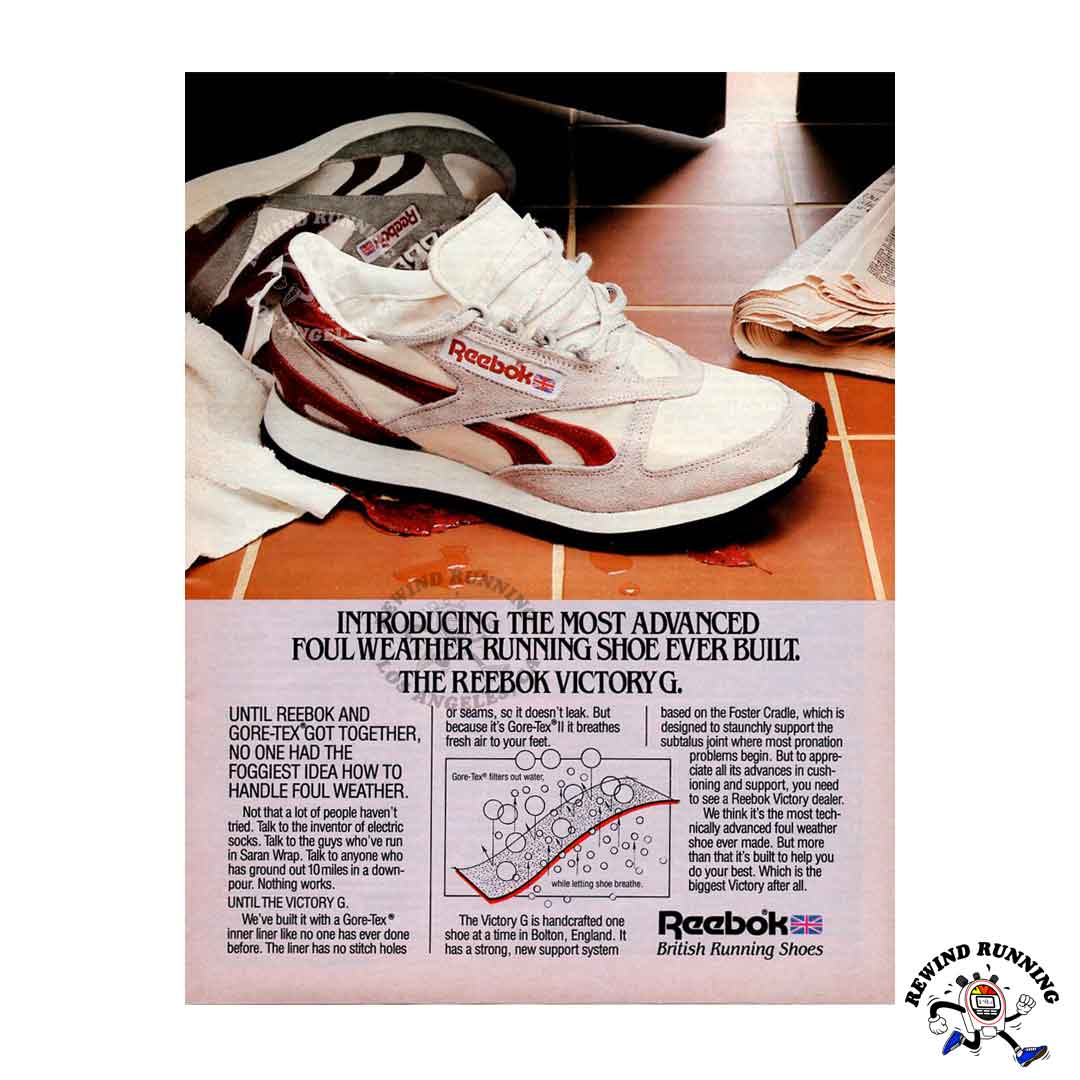
The most effective way to wear 80s sneakers today is through deliberate contrast. Their inherent bulk, bold color-blocking, and technical details demand a thoughtful counterpoint. The head-to-toe 80s track suit, while period-accurate, can feel like a museum piece. Modern styling leans into juxtaposition. Pair a chunky, neon-accented pair of 80s sneakers with minimalist, clean-lined garments: tailored wool trousers, a simple oversized white tee, or a sleek nylon cargo pant. This balance allows the shoe to be the unequivocal star of the outfit without overwhelming the senses. The philosophy mirrors the “ugly chic” or “dad shoe” trend analyzed by fashion theorists from Central Saint Martins, who point to the appeal of “intentional dissonance.” It’s the visual tension between the shoe’s assertive, complex form and the quiet sophistication of modern minimalist separates that creates a dynamic and contemporary look. Think of it as framing a vibrant, abstract painting with a simple, clean-lined frame—the frame doesn’t compete; it elevates and contextualizes.

Principle 2: Embracing Technical Fabric Synergy
80s sneakers were born from performance innovation. Honoring that DNA means pairing them with contemporary technical fabrics. This creates a cohesive, futuristic-meets-retro narrative. Water-resistant nylon, lightweight Gore-Tex, structured mesh, and technical fleece are ideal companions. A sleek black nylon vest, utilitarian cargo pants with multiple zippers, or a streamlined anorak create a unified aesthetic that speaks to function and form. This approach is championed by techwear enthusiasts and designers featured on sites like Hypebeast, who often reference 80s and 90s performance wear as direct inspiration for their modern cuts. The synergy here is scientific in a way: you are combining materials from different eras that share a common purpose—enhanced performance and distinct texture. This isn’t just about looking athletic; it’s about curating a wardrobe of purpose-driven pieces where your 80s sneakers are the foundational component, logically connected to the garments above them.
Principle 3: Subcultural Cross-Pollination
The true power of the 80s sneaker lies in its fluidity across style tribes. This is where personal narrative shines. Borrow from different style lexicons to create something uniquely yours. Layer a vintage band tee (channeling rock and punk) under a smart, deconstructed blazer (hinting at tailoring), and finish with classic acid-wash or straight-leg denim (a nod to casual Americana). Your choice of a bold, color-blocked 80s runner ties these elements together with an irreverent, energetic thread. This cross-pollination reflects how these sneakers were actually worn in the 80s—adopted and adapted by skaters, b-boys, and indie kids alike. As filmmaker and cultural commentator Spike Lee, whose character Mars Blackmon famously fetishized the Air Jordan, once said in an interview:
“It’s never just about the shoe. It’s about the story you tell when you’re standing in them. They’re the punctuation on your sentence.”
This principle encourages you to write your own style sentence, using the sneaker as the definitive period, exclamation point, or bolded emphasis.

Expert Insight: The Silhouette Breakdown
Not all 80s sneakers are created equal, and understanding their silhouette profiles is key to styling. High-top basketball sneakers (like the Air Jordan 1 or Nike Air Force 1) demand acknowledgment of their ankle presence; they work brilliantly with cropped or tapered pants that showcase the shoe’s full profile. Low-top performance runners (like the Nike Air Max 1 or ASICS Gel-Lyte III) offer more flexibility, easily sliding under wider-leg trousers or paired with shorts. Chunky cross-trainers (like the Reebok Ex-O-Fit or Avia 850) have a geometric, almost architectural bulk that pairs well with streamlined, monochromatic outfits to avoid visual clutter. This knowledge is professional currency. It transforms styling from guesswork into a strategic exercise. For instance, the authoritative sneaker resource site, Complex’s “Sneaker of the Year” archives, consistently highlights how winning models balance distinctive silhouette with wearability—a lesson directly applicable to your wardrobe choices.
From Principle to Practice: Building Your Capsule
Let’s translate theory into a actionable wardrobe capsule. Start with one or two key pairs of 80s sneakers—perhaps a neutral-toned performance runner and a statement-making basketball high-top. Build around them with versatile, quality basics: two pairs of well-fitting jeans (one dark, one vintage wash), tailored track pants, plain tees in black, white, and grey, a technical shell jacket, and an oversized button-down shirt. The magic happens in the combinations. The neutral runner with the track pants and shell jacket for a cohesive tech-inspired look. The statement high-tops with dark denim and a simple tee, letting the shoes pop. This approach is not only stylish but economically savvy. Investing in a few iconic 80s sneakers—often available through dedicated vintage retailers, re-issue programs, or even discounted during seasonal sales—and pairing them with a rotating set of basics offers immense outfit permutations. You gain maximum style impact without requiring a maximalist budget.

Ultimately, styling your 80s sneakers for the modern era is an exercise in informed confidence. It requires an appreciation for their history, an understanding of contemporary silhouette and fabric language, and the creativity to fuse them into a personal uniform. They are more than footwear; they are a design legacy waiting to be reinterpreted. By applying the principles of contrast, technical synergy, and subcultural blending, you move beyond retro revival and into the realm of timeless, individual style. The street becomes your runway, and every step is a connection between a rich past and a dynamically self-authored present.
