

Best Shoes for Hiking and Walking: Comfort and Style on Every Trail
Choosing the right footwear isn’t just about completing a trail; it’s about transforming the journey itself. The perfect pair of shoes for hiking and walking acts as a trusted partner, merging biomechanical support with personal expression to conquer diverse terrains. This exploration moves beyond marketing claims to dissect the engineering, physiology, and design philosophy behind trail-ready footwear, empowering you to make an informed choice that blends performance with undeniable style.
The Foundation: Understanding Foot Biomechanics and Terrain
Before evaluating any shoe, we must understand the interaction between the human foot and the ground. The foot is a complex structure of 26 bones, 33 joints, and over 100 muscles, tendons, and ligaments. During a walking or hiking stride, it cycles through phases of heel strike, midfoot stance, and toe-off, absorbing forces that can exceed 1.5 times your body weight. On uneven trails, this mechanism is stressed further, requiring stabilization. A study from the University of Calgary’s Human Performance Laboratory emphasizes that footwear alters natural foot mechanics, and the goal is to find a shoe that provides necessary protection without overly inhibiting the foot’s intrinsic stabilizing function. This is the core challenge for designers of shoes for hiking and walking: creating a product that is simultaneously protective and permissive. A shoe with excessive cushioning and a high, rigid heel counter may dampen impact but can also lead to weaker foot musculature over time, as noted by biomechanics researcher Dr. Irene Davis. Conversely, a shoe that is too minimal on rocky terrain risks injury. The ideal shoe offers a balanced “platform” that protects from sharp objects and provides lateral stability on off-camber trails while allowing the foot to move and react naturally.
:max_bytes(150000):strip_icc()/VWFit-hiking-shoes-versus-walking-shoes-7548411-152aaaad90024603b172fdf65bb0c157.jpg)
Decoding the Anatomy of a Trail Shoe
The Outsole: Your Connection to the Earth
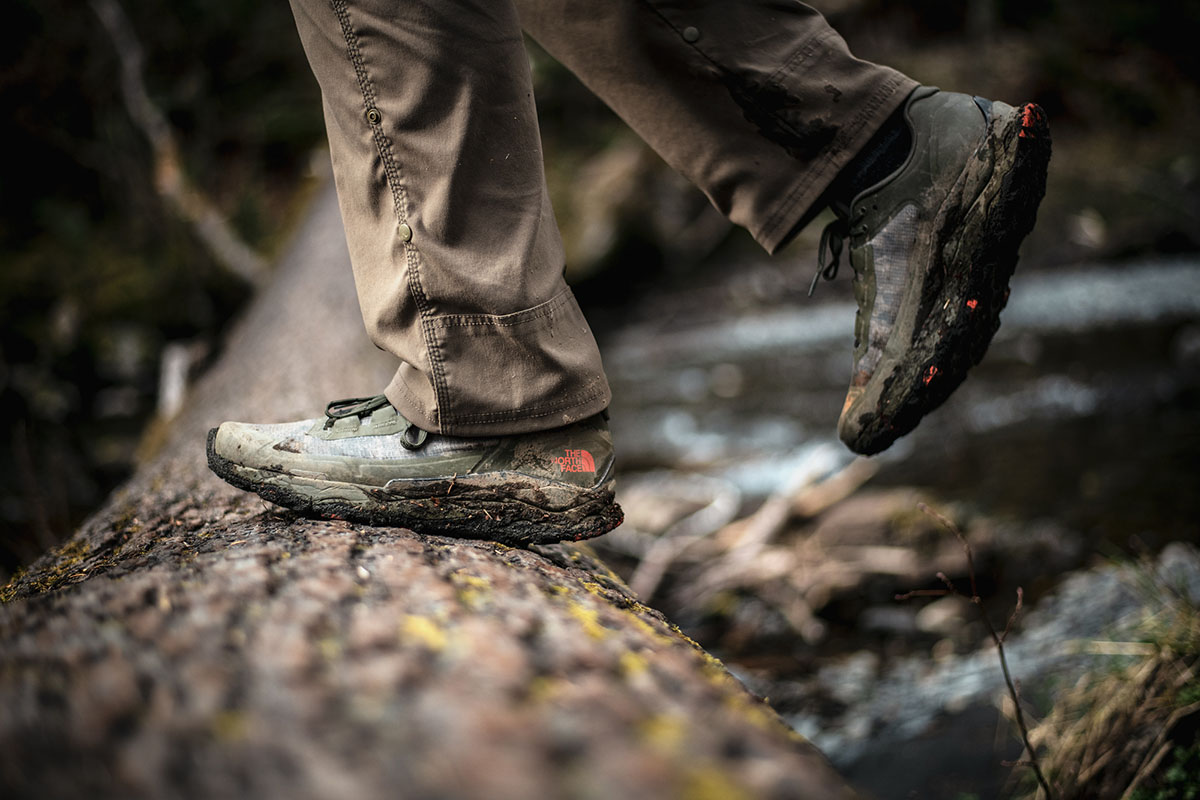
The outsole is the interface between you and the trail, and its design is a masterpiece of functional engineering. The primary material is almost always a durable, carbon-infused rubber compound like Vibram®. The pattern of the lugs (the protruding grips) is critical. Deep, multi-directional lugs excel in loose mud or soft soil, providing claw-like traction, as seen on many backpacking boots. Conversely, shallower, closely spaced lugs offer better stability and smoother transition on hard-packed trails or rock slabs. The concept of “stickiness” versus “durability” presents a trade-off. A stickier rubber (with a higher rubber-to-additive ratio) provides superior grip on smooth rock, akin to a climbing shoe, but will wear down faster. The renowned alpinist and gear commentator, Mark Synnott, has often discussed this balance in his YouTube reviews, noting that for most mixed-terrain hikers, a durable compound with a versatile lug pattern offers the best long-term value. The outsole also includes features like a heel brake—a pronounced, often angled set of lugs at the rear—to prevent skidding on steep descents.

The Midsole: The Cushioning and Stability Engine
Sandwiched between the outsole and the upper, the midsole is the shock absorber and stability core. Materials have evolved from basic EVA foam to advanced polyurethanes and proprietary blends like Nike React, Adidas Boost, or HOKA’s Profly™. These materials aim to resolve the historical trade-off between cushioning and responsiveness. A plush midsole cradles the foot, reducing fatigue on long, flat walks or over hard surfaces. However, too much soft cushioning can create an unstable, “mushy” feel on technical terrain. For hiking, many brands incorporate a shank—a semi-rigid plate of nylon, plastic, or carbon fiber—between the midsole layers. This shank protects the foot from sharp rocks underfoot (a feature called “underfoot protection”) and adds torsional rigidity, preventing the shoe from twisting excessively on uneven ground. The amount of cushioning, often measured in stack height, is a personal preference tied to load and distance. A backpacker carrying 30 pounds may prioritize a sturdier, more supportive midsole than a day hiker with a light pack.
The Upper: Durability, Protection, and Breathability
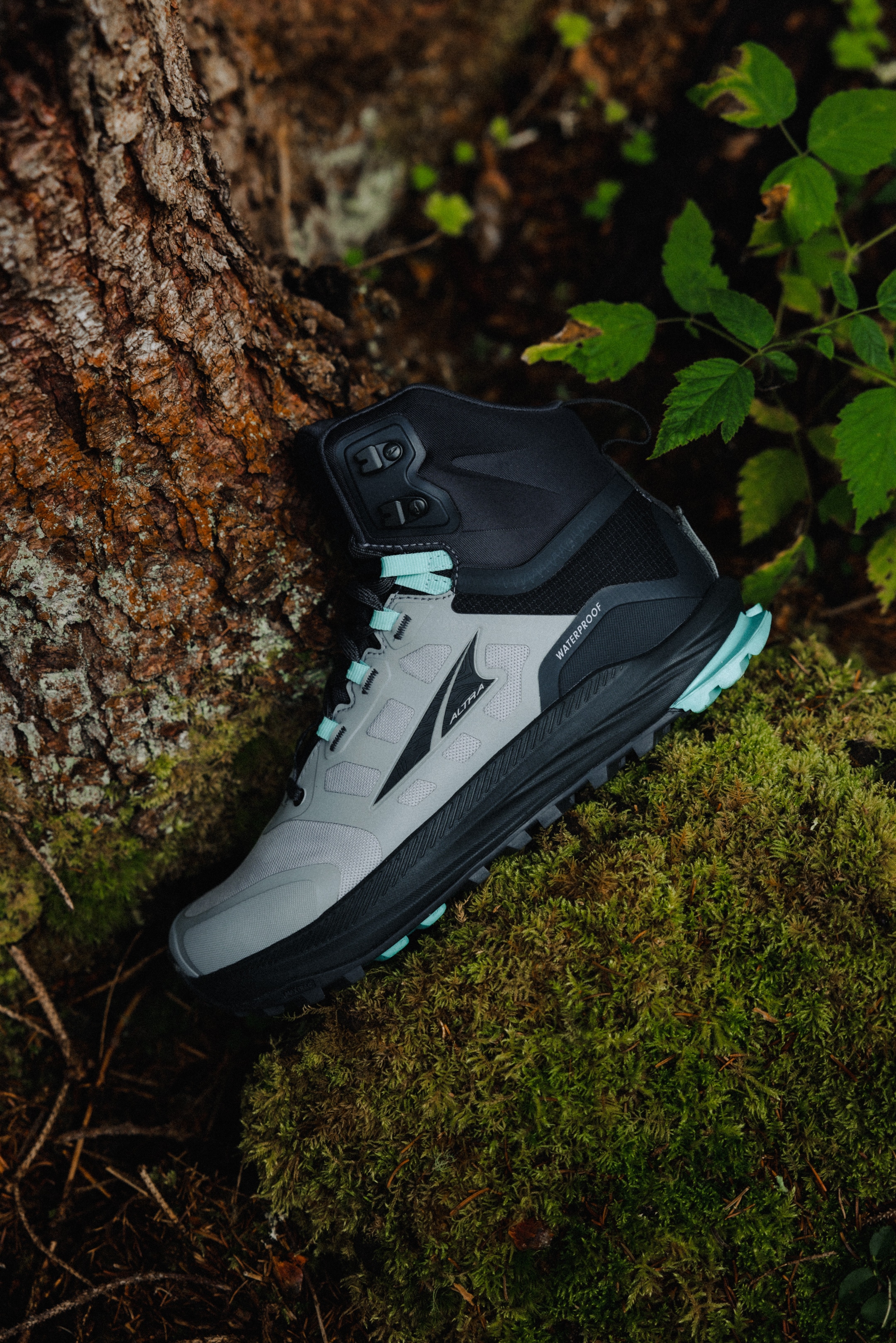
The upper material dictates durability, weather resistance, and breathability. Full-grain leather uppers, once the standard for shoes for hiking and walking, offer superb abrasion resistance and water repellency but are heavier and require a break-in period. Modern synthetic meshes (like polyester or nylon) are lightweight, breathable, and dry quickly, making them ideal for fast-paced hiking in fair weather. Many shoes now use a combination, such as synthetic mesh with leather or TPU overlays in high-wear areas. A critical component is the toe cap, a rubber bumper that protects your toes from stubbing on rocks and roots. Equally important is the heel counter, the rigid cup at the back of the shoe that locks the heel in place to prevent blister-causing slippage. The best uppers integrate these protective elements seamlessly without adding unnecessary weight or compromising ventilation.
Style on the Trail: Where Function Meets Form
The notion that performance footwear must be clunky or aesthetically unappealing is obsolete. Today’s leading brands invest heavily in design, recognizing that style is a component of the user experience. Color palettes inspired by natural landscapes, sleek silhouettes, and thoughtful material combinations allow shoes for hiking and walking to transition seamlessly from the trail to a casual urban setting. This isn’t mere vanity; it reflects a broader cultural shift towards an active, integrated lifestyle. As noted in design critiques from sites like Hypebeast or Gear Patrol, the popularity of “gorpcore” fashion—where technical outdoor gear is worn as everyday style—has pushed brands to make products that are both highly functional and visually compelling. A shoe with a cohesive, attractive design can enhance the psychological enjoyment of an activity. When you feel good about what you’re wearing, confidence follows, which can positively impact your posture and endurance. The key is that style should never come at the cost of core performance features. The most stylish trail shoe is useless if it lacks a grippy outsole or proper support.
Making the Choice: A Framework for Your Needs
With the anatomy understood, how do you select your perfect pair? Consider these pillars: Terrain, Load, Distance, and Climate. For well-maintained paths and park walks, a flexible, cushioned walking shoe or lightweight hiking shoe suffices. For rocky, uneven mountain trails with a loaded backpack, a mid-cut hiking boot with a stiff shank and aggressive outsole provides necessary ankle support and underfoot protection. Waterproof membranes like Gore-Tex are a double-edged sword; they keep water out but also trap sweat and heat in, making them ideal for cold, wet conditions but potentially uncomfortable in summer heat. As legendary Appalachian Trail hiker and author Jennifer Pharr Davis has stated in interviews, her footwear choice changes drastically between a humid southern section hike and a dry, rocky stretch in New England. There is no single “best” shoe, only the best shoe for your specific next adventure.
Investing in Your Journey: Value Beyond the Price Tag
High-quality shoes for hiking and walking represent an investment in your health and adventure potential. While premium models from brands like Salomon, La Sportiva, or HOKA can command prices from $120 to over $200, the technology and durability justify the cost for serious enthusiasts. However, value can be found. Last season’s colors often see significant discounts, and reputable online retailers frequently offer sales, especially during holiday weekends or at the change of seasons. It’s wiser to purchase a previous model of a high-performance shoe on sale than a full-priced, lesser-quality alternative. Remember, the cost per mile of a durable, comfortable shoe is remarkably low when spread over hundreds of miles of use. Furthermore, consider the potential cost of injury from inadequate footwear—a single blister or twisted ankle can end a trip and incur medical expenses. Your feet are your primary vehicle on the trail; outfitting them wisely is the most crucial gear decision you will make.
The path to finding the ideal footwear is a personal expedition. It requires honest assessment of your goals, an understanding of the technology at play, and a willingness to prioritize both the engineered support for your stride and the aesthetic that sparks your motivation. When you lace up a pair that excels in both comfort and style, the trail ahead isn’t just a path to be walked; it’s an experience to be fully embraced, one confident, supported step at a time.
