The Ultimate Guide to Choosing the Best Shoes for Hiking and Walking Adventures
Selecting the right footwear is the single most critical decision you make before stepping onto a trail or path. It transcends mere fashion or brand loyalty; it is a foundational choice impacting your comfort, performance, and safety. The wrong pair can transform an anticipated adventure into a painful ordeal, while the right shoes for hiking and walking become an extension of your body, providing confidence with every step. This guide cuts through the marketing noise to deliver objective, science-backed insights, helping you navigate the intricate world of outdoor footwear. We will dissect key technologies, debunk common myths, and provide a clear framework for matching your specific needs with the perfect pair, ensuring your focus remains on the journey ahead, not on your feet.
1. The Foundation: Understanding Foot Biomechanics and Terrain Demands
Before considering any brand or style, you must engage in a dialogue between your own physiology and the environment you intend to conquer. Human foot biomechanics—the study of the structure, function, and movement of the foot—reveals why a one-size-fits-all approach fails. According to research from institutions like the University of Calgary’s Human Performance Laboratory, the foot is a complex structure of 26 bones, 33 joints, and over 100 muscles, tendons, and ligaments. During a single walking stride, it acts as a mobile adapter and a rigid lever. On uneven trails, this mechanism is stressed exponentially. A shoe for hiking and walking must therefore provide a delicate balance: enough flexibility to allow natural foot flexion and toe-off, yet sufficient structure and torsional rigidity to protect against twisting on rocky terrain. The terrain itself dictates primary needs. Smooth, paved paths primarily demand cushioning for repetitive impact. In contrast, rugged mountain trails necessitate aggressive traction, protective toe caps, and stability features to prevent ankle rolls. Ignoring this fundamental match is the root cause of discomfort. As renowned ultrarunner and biomechanics researcher Dr. Irene Davis once stated in a lecture, “The shoe should complement your foot’s function, not try to completely control or change it.” This principle is your starting point.
:max_bytes(150000):strip_icc()/VWFit-hiking-shoes-versus-walking-shoes-7548411-152aaaad90024603b172fdf65bb0c157.jpg)
2. Decoding the Anatomy: Key Components of a High-Performance Shoe
A high-performance outdoor shoe is an engineered system. Let’s dissect its core components with scientific objectivity. First, the upper: its material and construction dictate breathability, durability, and water resistance. Modern synthetics like thermoplastic polyurethane (TPU) mesh offer excellent breathability and light weight, while full-grain leather provides superior abrasion resistance and structure for multi-day backpacking. The debate around waterproof membranes like Gore-Tex is nuanced. While they prevent water ingress from external sources like puddles or dew, they also reduce breathability, potentially leading to sweat accumulation—a phenomenon often cited in outdoor forums like Backpacking Light. Next, the midsole is the cushioning and stability heart. Ethylene-vinyl acetate (EVA) is common and provides good cushioning but can compress over time. Polyurethane (PU) is denser and more durable, often used in support zones. Advanced foams like Adidas’s Boost or proprietary compounds from brands like Hoka One One offer superior energy return and longevity. The outsole is your connection to the earth. The rubber compound’s stickiness (like Vibram’s Megagrip) versus hardness determines grip and wear life. The lug pattern depth and geometry are critical: widely spaced, deep lugs (6mm+) shed mud effectively but may feel unstable on hard surfaces, while shallower, multi-directional lugs offer versatility. Finally, the internal structure: the footbed or insole, the shank (a stiff insert between midsole and outsole for forefoot rigidity), and the rock plate (a thin, flexible plate protecting against sharp stone bruising) complete the protective package. Understanding these elements allows you to parse product specifications with a critical eye.

The Fit Philosophy: Beyond Shoe Size
Perhaps the most overlooked yet critical aspect is fit. A proper fit for shoes for hiking and walking is radically different from that of casual sneakers. Your feet will swell during prolonged activity, a fact well-documented in sports medicine literature. Therefore, a tried-and-true method, advocated by experts at retailers like REI, is to fit shoes in the afternoon with the socks you intend to wear. There should be a thumb’s width (about 1.0-1.5 cm) of space between your longest toe (which isn’t always the big toe) and the end of the shoe. Your heel must be locked in place with minimal vertical slippage. Width is equally crucial; compressed toes can lead to numbness, blisters, or conditions like Morton’s neuroma. The “ball” of your foot should align with the shoe’s widest point. Don’t assume your size across brands; manufacturing “lasts” (the foot-shaped form around which a shoe is built) vary significantly. As legendary boot-fitter and mountaineer Freddy Marimon has often emphasized in interviews, “You don’t break in shoes; they break you in if they’re wrong.” Take the time to try multiple models and sizes, walking on an inclined surface if possible.
3. The Great Debate: Categories Defined (Trail Runners vs. Hiking Shoes vs. Boots)
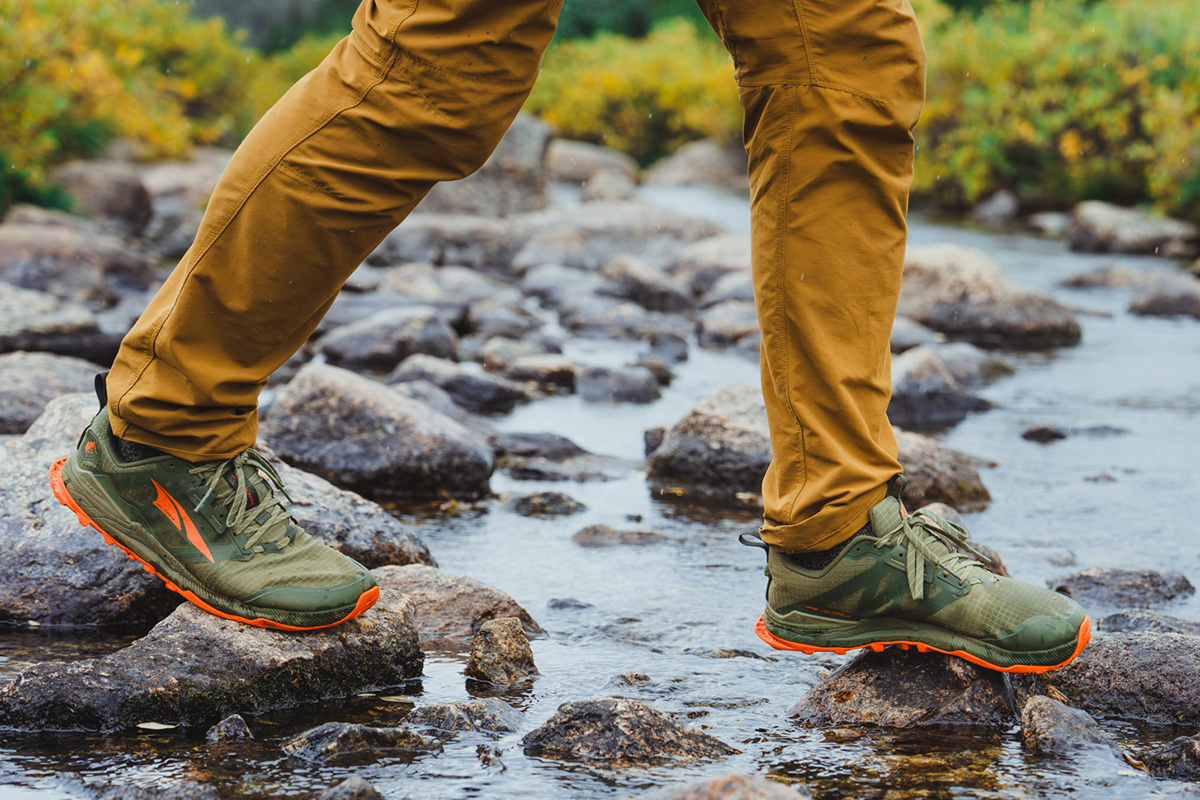
The market presents three primary categories, each serving a distinct purpose. Trail Running Shoes are characterized by low weight, high flexibility, and aggressive outsoles. They are ideal for fast-paced hiking, dry trails, and those who prioritize agility and a “close-to-ground” feel. Their breathable uppers dry quickly but offer minimal ankle support or protection. As ultramarathon champion Scott Jurek noted in his book Eat and Run, the lightness of trail runners can reduce leg fatigue over immense distances. Hiking Shoes (low-cut) are the versatile workhorses. They offer more structure, support, and underfoot protection than trail runners, often featuring robust toe caps and moderate ankle padding. They are suitable for day hikes, light backpacking, and varied terrain where a balance of protection and mobility is key. These are often the best all-around shoes for hiking and walking for most enthusiasts. Hiking Boots (mid- or high-cut) provide maximum support, stability, and protection. The higher cuff aids in ankle support on uneven ground and helps keep debris out. They are essential for carrying heavy backpacking loads, traveling over sustained rocky or off-trail terrain, or in conditions requiring more insulation. The added weight and stiffness are trade-offs for the increased protection. The choice is not about “better,” but about “appropriate for.”
4. Integrating Professional Knowledge for Your Unique Needs
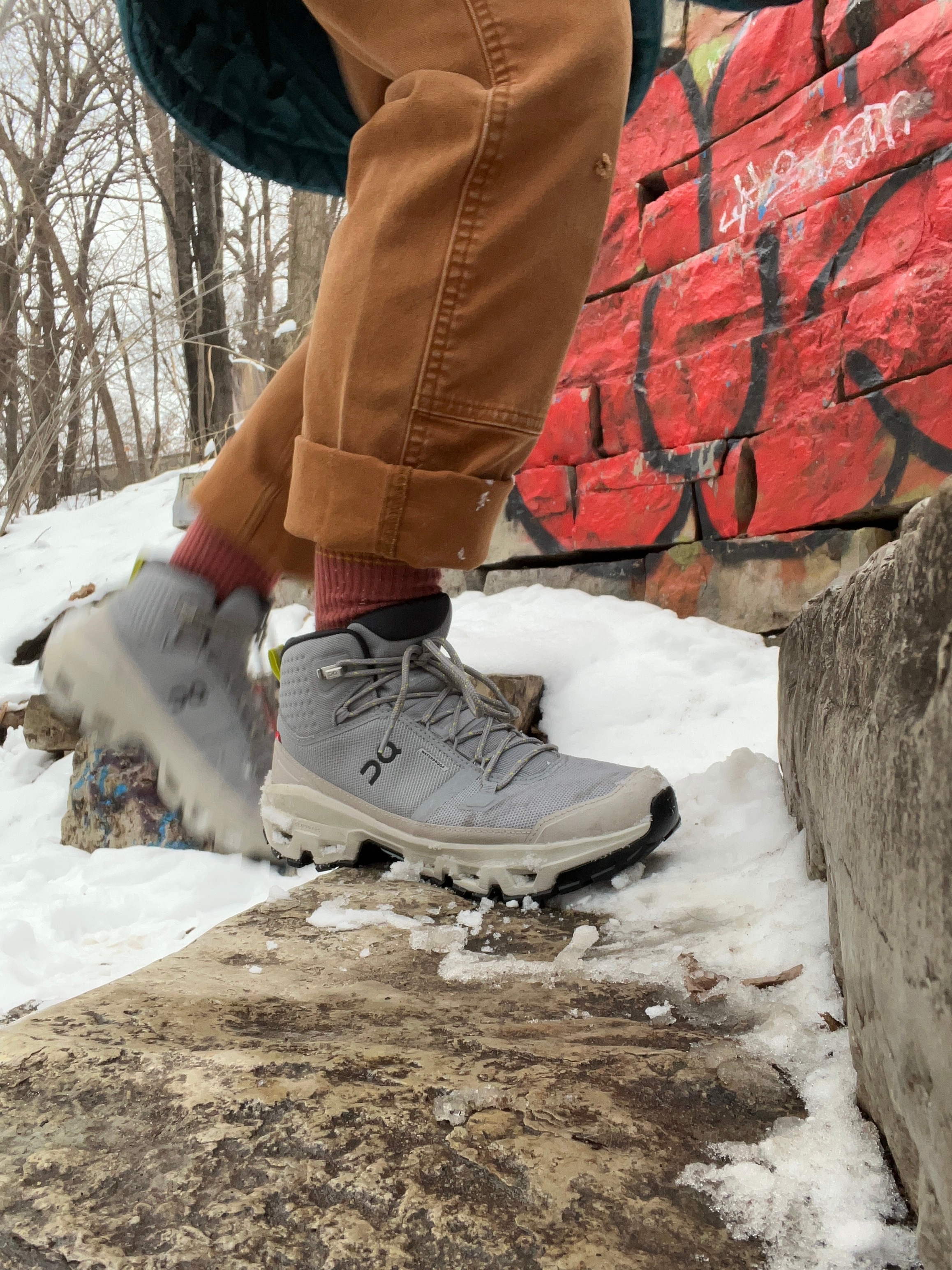
Your personal physiology and hiking style are the final variables in this equation. Consider your foot strike and arch type. While the necessity of “motion control” features is debated, understanding your pronation (the natural inward roll of the foot) can guide you. A neutral foot may benefit from a flexible shoe, while a severe overpronator might seek more medial (inner-side) support, a feature often highlighted in shoe reviews on sites like OutdoorGearLab. Your body weight and pack weight significantly impact midsole compression; a heavier individual or one carrying a 40-pound pack will require a shoe with a more robust, supportive midsole to prevent bottoming out. Furthermore, think about the climate and season. Ventilated shoes are paramount in hot, dry climates to manage heat, while waterproof, insulated models are non-negotiable for cold, wet, or snowy conditions. Remember the adage from seasoned thru-hikers: “Cotton kills, and wet feet freeze.” This knowledge empowers you to move beyond generic recommendations and make a choice tailored to your body and ambitions.
Investment and Value: Navigating Price and Performance
High-quality shoes for hiking and walking represent an investment in your outdoor experience and physical well-being. Prices can range from under $100 to over $300. The increased cost at the higher end typically reflects advanced material technology (e.g., proprietary lightweight yet durable foams, high-tenacity fabrics), more sophisticated construction methods (seamless welding, precision lasts), and rigorous research and development. However, the most expensive model is not automatically the best for you. Excellent value can be found in the mid-range ($120-$180), where proven technologies are implemented effectively. To secure a discounted price, consider shopping during off-season sales (e.g., buying hiking boots in late winter for spring), browsing reputable online retailers’ clearance sections for previous-season models (where the core technology is often unchanged), or signing up for brand newsletters for exclusive promo codes. The investment is justified not by the price tag alone, but by the cost-per-mile of comfort and safety it provides.
5. The Final Step: Care, Transition, and Listening to Your Body
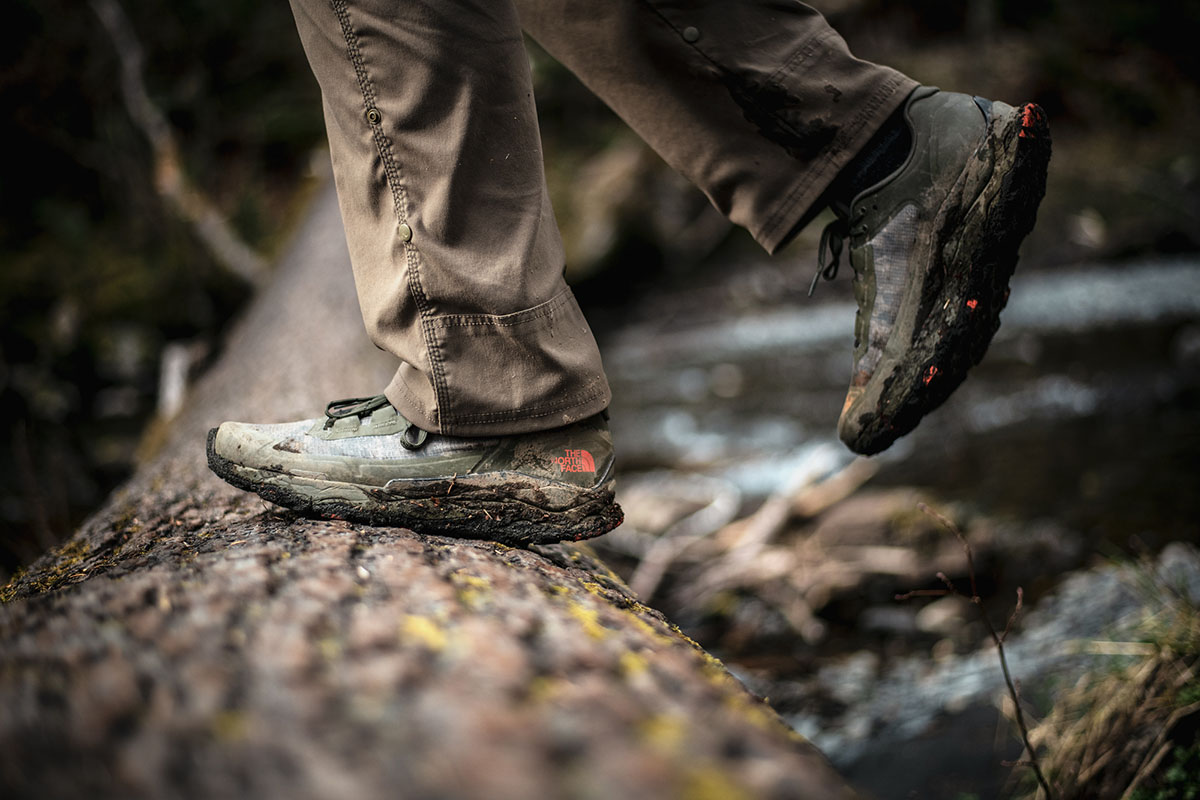
Your relationship with your footwear doesn’t end at the purchase. Proper care extends their lifespan significantly. Clean off mud and debris after each use with a soft brush and mild soap, and allow them to air dry naturally, away from direct heat sources which can degrade adhesives and materials. Periodically reapply a water-repellent treatment suitable for the upper’s material. More importantly, never embark on a major adventure with brand-new shoes. Dedicate time to a gradual transition period. Wear them for short walks, then longer walks, and finally on a brief, local hike. This process not only molds the shoe to your foot but also allows your muscles and tendons to adapt to any differences in heel drop, stiffness, or support. Pay acute attention to feedback from your body during this phase. A minor hotspot can be addressed with different lacing techniques or aftermarket insoles; persistent pain is a red flag that the fit may be fundamentally wrong. The most sophisticated piece of gear you have is your own body’s signaling system.
The path to finding your ideal footwear is a journey of informed self-assessment. It requires you to balance objective data on materials and construction with a subjective understanding of your own feet and goals. By grounding your decision in biomechanics, terrain analysis, and a clear-eyed evaluation of the categories available, you move beyond guesswork. The right shoes for hiking and walking will cease to be mere equipment and become trusted companions, silently enabling the miles of discovery that lie ahead, from urban greenways to remote mountain summits. Your adventure truly begins from the ground up.